The caravans are back, but outback Queensland is still chasing winter
Grey nomads are rolling back into outback Queensland, but fuel nerves, washed-out roads and cancelled events have left towns chasing lost winter trade.
If you’re aiming the ute west this winter, start with the unromantic bit. Red dirt will still look good. The question is whether the towns along the way have their season back. Across Mount Isa, Julia Creek and Boulia, grey nomads are rolling through again after months of rain, road closures and cancelled plans had already taken a bite.
Out there, the winter convoy keeps places moving. A caravan that stops for two nights means a powered site, a pub counter that stays busy a bit longer, a few groceries, maybe a museum ticket or a tyre check. Sometimes it is just enough movement in the main street for operators to feel the season has not quietly slipped past them.
Traveller confidence and town confidence are moving at different speeds. Visitors such as Julie and Kevin Terrington, and Lynn and Peter Lenthall, are back on the road. The business numbers still look ordinary. One Mount Isa caravan park told ABC News bookings were 48 per cent down in May and still 20 per cent down in June against last year. Better than May, sure. Still a long way short.
This is bigger than one North West Queensland winter. Birdsville and the Simpson Desert have been wearing the same odd mood: good country, thin traffic. Up in WA, the Kimberley needed a $600,000 voucher push to coax travellers north after its own soggy start. Different maps, same headache. Once a wet season, closure notice or fuel scare gets into a traveller’s head, the whole corridor feels it.
The road can reopen before the mood does
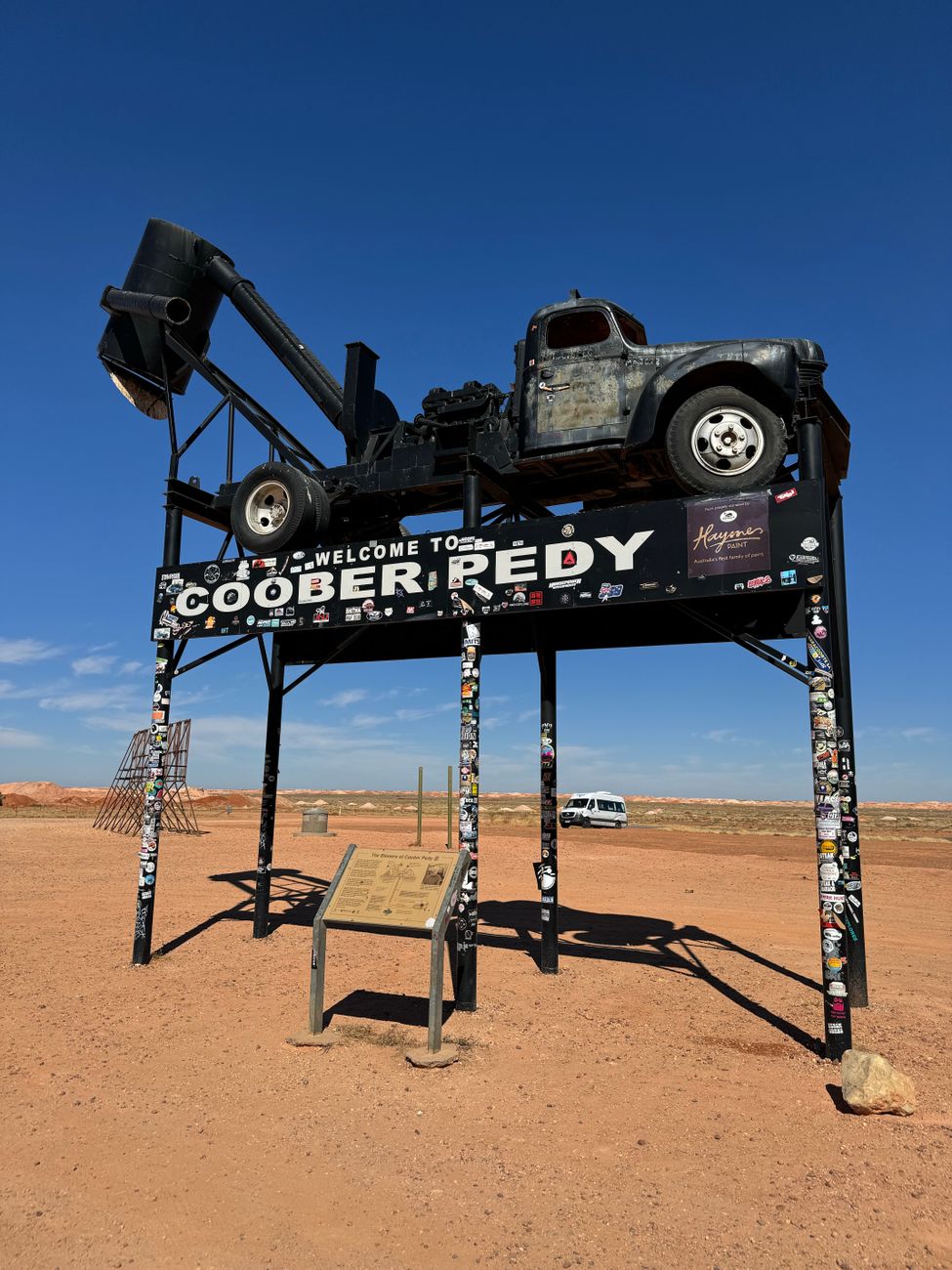
We like to pretend an outback trip gets decided by big romance: red dirt, a cold one at sunset, maybe the obligatory photo beside the town sign. In practice it comes down to dull questions. Is the road genuinely open? Will the next fuel stop have supply? Are the caravan parks taking bookings again? Did the event you half-built the trip around survive the year? After a wet season that knocked whole stretches off rhythm, those questions started doing more damage than the weather itself.

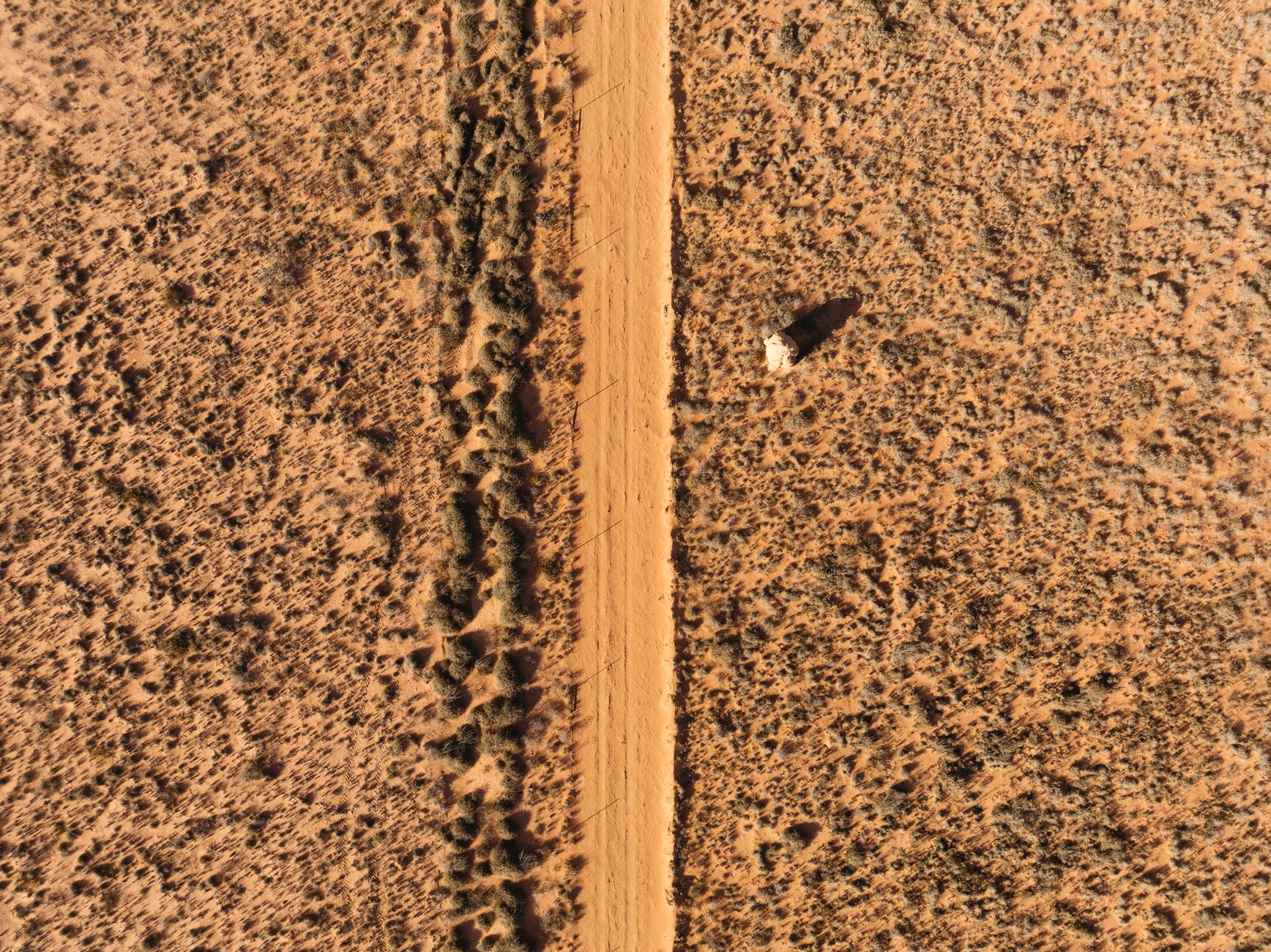
Photo: Mark Direen / Pexels
For grey nomads, the problem was never only the diesel price. It was doubt. If you are not sure the bowser will be running, the road report will hold, or the destination still has a reason to stop, you delay the trip. Maybe you stay closer to the coast. Maybe you cut the inland leg. Maybe you tell yourself August will do. Enough people make that same cautious call and a town loses half a winter before the first van swings through.
Sue Terrington put it more plainly in ABC’s reporting from Mount Isa and Boulia:
“Come support the little towns, support the caravan parks that you can, and spend a little bit of money in each town.”
Sue Terrington, ABC News
The line lands because it is traveller logic with the politeness stripped off. The road-trip economy is more fragile than it looks from behind the wheel. A town can seem open enough to pass through while still being badly short of the spending that makes winter viable.
The earlier Simpson Desert piece made the same point from another angle. Conditions could look inviting. The landscape could be doing its best sales pitch. But once uncertainty takes hold, beauty does not book a powered site. It does not replace an event that vanished from the calendar. It certainly does not fix that nagging feeling that this might be the year to play it safe and keep rolling.
Grey nomads are trade, not wallpaper
We talk about grey nomads like they are a national character: part Akubra, part towing mirrors, part harmless highway bottleneck when you get stuck behind them on a single-lane stretch. Outback towns read them differently. They are winter turnover. If the vans do not stop, the season shrinks fast.

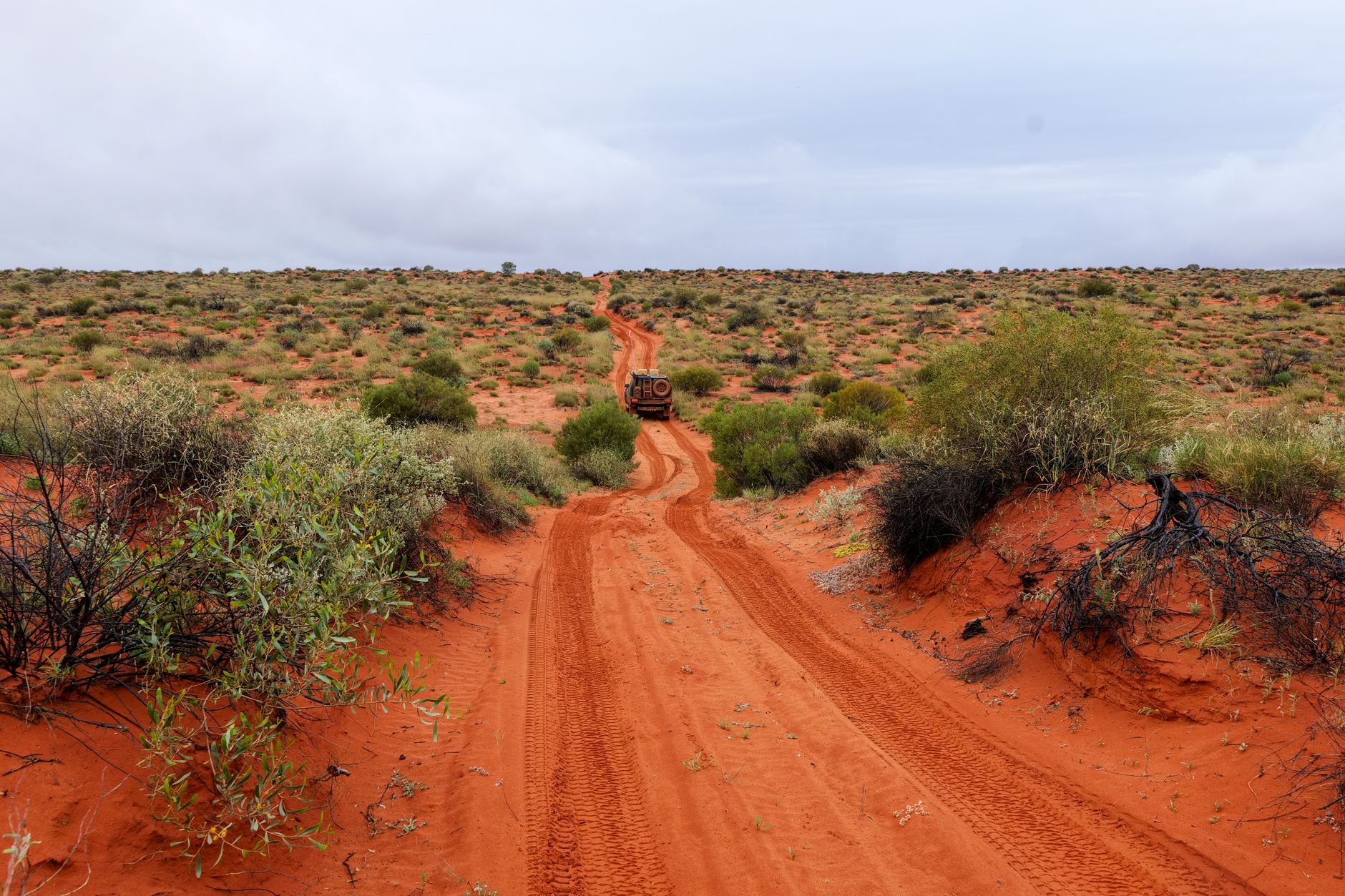
Photo: MemoryCatcher / Pixabay
You can hear that in Mount Isa and Boulia. Caravan park owner Kylie Rixon is not wondering whether a few rigs arrived this week. She wants the gap to last year to close before spring. Boulia tourism officer Karen Savage is looking at the same season with even less room for comfort. At the start of the season, she said, the town was seeing only 40 to 70 tourists in a month. Even now, numbers are still down 45 per cent. On a city spreadsheet that sounds rough. In a small outback economy, that can be the difference between a decent winter and a proper stinker.
Savage’s verdict in the same ABC report was blunt:
“And talking to other people, it’s been the worst for a lot of years. Very, very quiet.”
Karen Savage, ABC News
Remote tourism numbers do not have to fall to zero to hurt. They only need to fall enough that the small-spend chain starts breaking. A caravan park has empty slabs. The cafe loses breakfast trade. The servo still pumps fuel, but fewer people wander in for snacks, ice and a bag of charcoal for the camp oven. The town is open. The pulse is weak.
Mount Isa’s figures matter for the same reason. Forty-eight per cent down in May, then 20 per cent down in June, suggests improvement, but it also shows how long a bad start lingers. Mayor Peta MacRae’s side of the story is connection and recovery. The lived version is simpler: a season that begins late keeps charging interest. Every cautious traveller decision in April and May keeps showing up in the books in June and July.
We have seen the pattern outside Queensland too. The Kimberley voucher story is useful because the mechanism is familiar. Outback destinations depend on a short window when travellers are willing to go long, spend freely enough and stay a night or two instead of treating the region like a glorified fuel stop. Miss the first chunk of that window and everybody spends the rest of winter trying to make up ground.
A town has to give people a reason to stop
The better question now is what turns returning traffic into recovery. A road can reopen. Vans can reappear. If people are only topping up the tank and rolling on, the town still loses.
Local government and small business meet at that point. Travellers want confidence, not speeches. They want the road report to be current, the power to stay on, the caravan park to answer the phone, the bakery to be open, and something worth pausing for once they get there. Councils and operators need those pauses to last long enough to turn into meals, bookings and repeat word of mouth.
Boulia shows how thin the margin can be. The town is still dealing with broader service headaches, including persistent power and staffing issues, while also trying to sell the romance of the road to people with plenty of other winter options. It can be done. The tourism pitch just has to overcome friction, not merely look good in a brochure.
Events matter here. The primary story points to cancellations across the Central West as part of the slow start, and anyone who has planned an inland run knows how much those dates matter. Plenty of itineraries are half destination, half excuse. A race, a bash, a festival, a market weekend, even the promise that other travellers will be around. Remove too many of those markers and a trip that felt locked in starts feeling optional.
Discounts and campaigns help, within limits. The Kimberley can throw vouchers at the problem. Another shire can push a marketing burst. Those tools might tip a wavering traveller into booking. They do not replace functioning roads, reliable services or the simple confidence that the western leg of the map is worth doing this week, not at some vague later date that never quite arrives.
For us, that is the practical read on outback Queensland right now. The season is alive, but it is still playing catch-up. The grey nomad wave has started moving again, yet the towns depending on it are not suddenly flush because a few more vans are visible on the highway. These places live and die by accumulated small decisions, ours included.
So no, this is not a call to turn a road trip into charity work. It is a sober read on how the inland economy functions. If you are heading west this winter, the useful move is simple: stop properly. Stay the night. Buy dinner in town. Linger long enough that your trip counts for more than a fuel receipt. In places like Mount Isa and Boulia, that is the difference between a slow season and a write-off.
The DudeWorld brief
BBQ, tools, camping and footy — the good stuff, weekly in your inbox.
Subscribe