Nicky Winmar statue debate: what footy should remember
Nicky Winmar statue debate cuts to a harder footy question: can the AFL condemn violence against women without erasing a defining anti-racism moment?
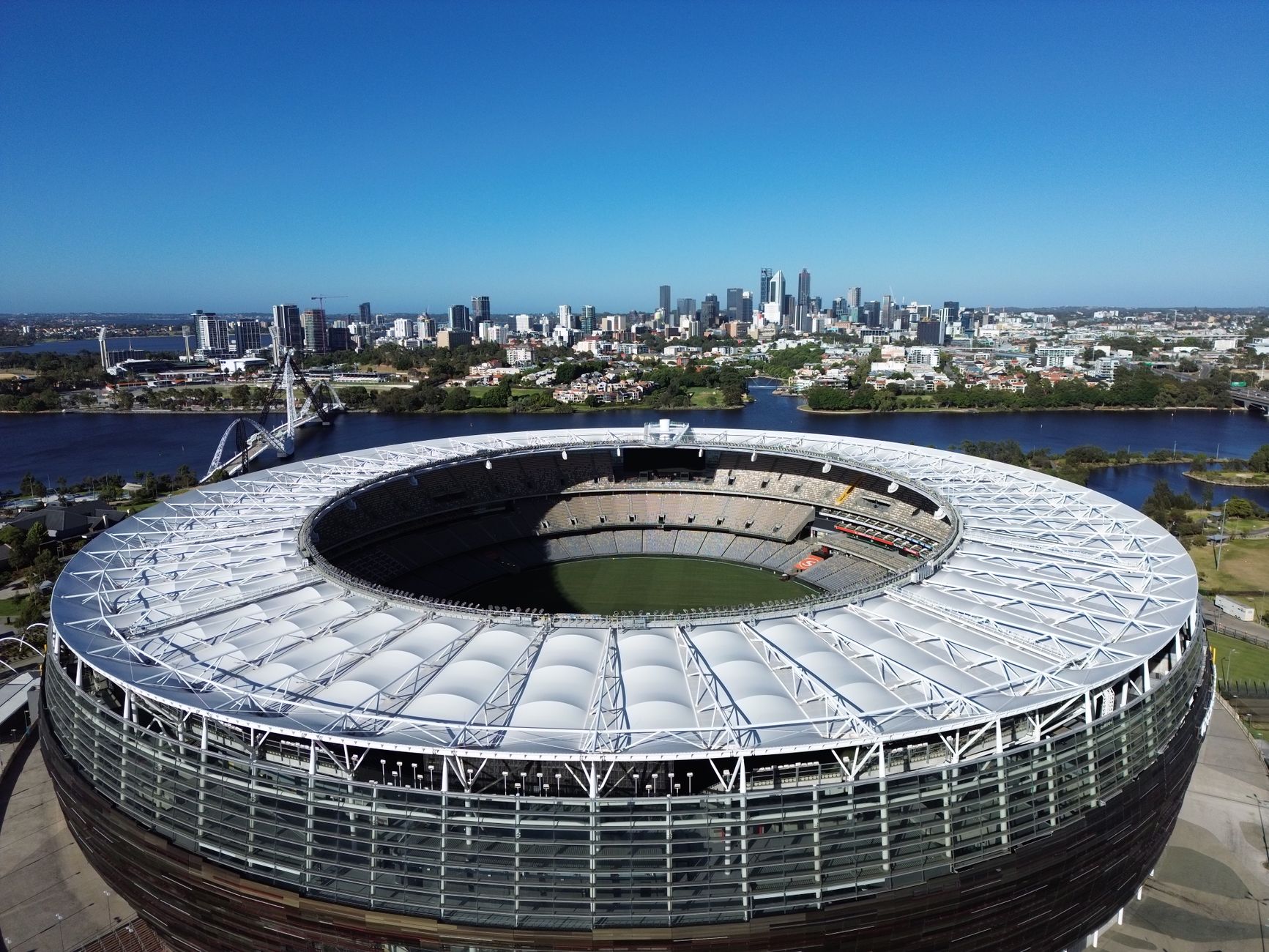
Footy is good at telling us a moment matters forever, right up until forever runs into something ugly and current. For plenty of Aboriginal footy fans, the Nicky Winmar statue was never just a bronze ex-player outside Optus Stadium. It was the game freezing one of its clearest anti-racism moments in place and saying: this mattered, we know it mattered, and we want everyone walking past to know it too.
Winmar played 251 AFL games and earned his place in the sport’s history long before this week. Still, the statue was not there because he was merely a very good footballer. It was there because footy decided one image from 1993 said something lasting about the code and about Australia.
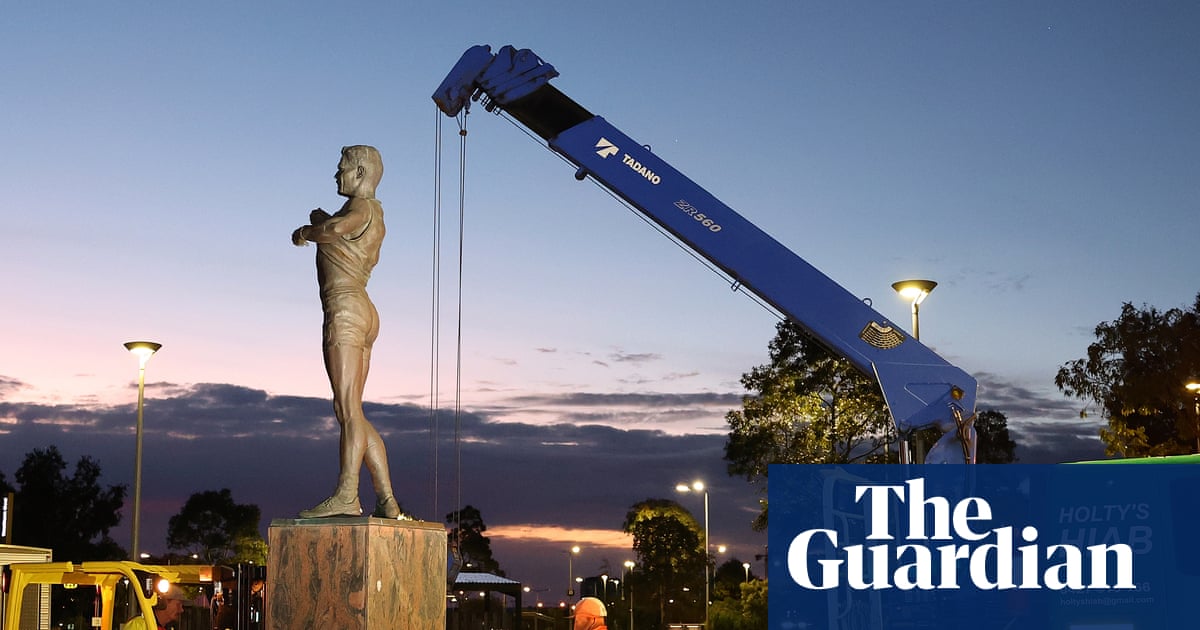
Then Winmar was found guilty on three assault charges and acquitted on one. Within days, WA ordered the statue removed. Fair enough on one level. A public monument is not a scrapbook. It says who we honour, right now, in public, with no footnotes.
But that is why this has become more than a clean-up job. Roger Cook and his government are trying to send a hard, overdue message about violence against women. Indigenous leaders such as Jill Gallagher are asking whether the state has also ripped down a symbol that belonged to a bigger fight than one man’s reputation. That tension is the whole story. The statue row is really a test of whether footy can condemn the present without flattening its own history.
Why the statue hit harder than a normal takedown
The 2019 unveiling mattered because it locked in the meaning of the image. Winmar lifting his jumper and pointing at his skin after racist abuse at Victoria Park in 1993 was one of those footy frames that travelled beyond sport. By the time he was inducted into the Australian Football Hall of Fame in 2022, the league had spent years treating that act as part of its moral memory, not just its highlight reel.
Back then, the statue was sold as a public lesson as much as a tribute. It went up outside a major stadium, in the lead-up to NAIDOC Week, because the point was visibility. You were meant to walk past it, clock the moment and remember what sort of abuse had pushed a player to make that gesture in the first place. The Wikimedia Commons photo of the statue is a good reminder that the tribute was built around that exact anti-racism pose, not around generic Hall of Fame nostalgia.
Jill Gallagher’s point in the Guardian’s debate piece gets to why some people recoiled at the speed of the removal.
“the Nicky Winmar statue is more than a statue of a footballer, it’s a statue against racism”
— Jill Gallagher, Guardian
If you grew up watching footy slowly, awkwardly learn how to talk about racism, that argument lands. The statue was not honouring a torpedo punt or a Brownlow campaign. It was honouring the moment the game had to look at itself. Pulling it down without a clear plan for how that memory stays visible feels, to that crowd, a bit like the AFL wanting the lesson without the discomfort.
Why the quick removal still made sense
Cook’s case, though, is not hard to understand and it is not cynical. He was explicit in his public explanation of the move.
“Violence against women is never acceptable and it is important we send a strong message to the community.”
— Roger Cook, Guardian
That is the regulator view, and honestly, plenty of fans will back it. A statue at a stadium gate is not a museum label. It is public celebration. Once a man attached to that statue is convicted of assaulting a woman, the state cannot act as if the bronze only refers to 1993 and nothing after. That is not how public memory works for women walking past it, or for blokes trying to explain to their kids what the game rewards.
The speed is part of the controversy, not a side note. The statue came down almost immediately, and during NAIDOC Week, which made the move feel to some people like decisive leadership and to others like the government skipping the awkward consultation bit. Fast action sends a clean signal. It can also leave a mess behind if nobody has worked out what happens to the meaning.
Marcia Langton pushed the same line, more bluntly, in arguing that Winmar should not be celebrated in public in that way.
“His conviction for an assault against a woman requires that he is not celebrated in public in this way, so I agree with the removal of the statue.”
— Marcia Langton, Guardian
This is the part culture-war takes miss. Nobody serious is saying the assault should be waved away because Winmar once gave the AFL one of its defining images. The real question is whether the game has enough maturity to separate public celebration from public history. They are not the same thing. A statue on the concourse is celebration. A properly framed exhibit, archive installation or anti-racism space can be history.

What the AFL should do next
That is why the AFL’s next move matters more than the crane did. The league is already reviewing Winmar’s Hall of Fame status, and historian Matthew Klugman’s truth-telling argument is the useful one here: if footy starts removing symbols in a rush, it needs a consistent rule for what stays up, what comes down, and what gets recontextualised. Otherwise every case becomes a panic.
Just as importantly, the AFL cannot keep borrowing the 1993 moment for its anti-racism language if it goes quiet the second the memory gets complicated. Sir Doug Nicholls Round speeches, club statements and league campaigns all lean on the idea that the code has learned something. Here is the test of whether that learning is only ceremonial.
Our read is pretty simple. Leave the statue off the front gate. You cannot ask the public to read past a fresh assault conviction when the whole point of a stadium statue is uncomplicated honour. But do not disappear the image into storage and hope everyone moves on. Keep the 1993 moment in the game’s official memory, with context, consultation and enough honesty to say two things at once: the anti-racism act mattered, and the man attached to it later did something that changed what public honour looks like.
That practical fix is not especially glamorous. Put the statue, or even just the story of it, in a museum-style setting with clear context. Commission Indigenous voices to shape how the moment is explained. Tell fans why the forecourt is no longer the right place, and why the history still is. Bronze can be moved. A lesson only disappears if the game decides it wants the comfort more than the truth.
If footy wants to be taken seriously on racism and violence against women, it has to stop pretending one value can cancel the other. The tougher job is holding both. That is messier than bronze. It is also more grown-up, which is what the AFL has been claiming for years that it wants to be.
Tommo splits his weekends between the high country and the footy. He writes about camping, 4WDing, fishing and the general business of being a husband and dad who still gets a leave pass. Drives a diesel he refuses to shut up about.
The DudeWorld brief
BBQ, tools, camping and footy — the good stuff, weekly in your inbox.
Subscribe