The Kimberley vouchers help. They still don't make the trip cheap.
Kimberley travel vouchers cut selected tours by 50%, but flights, fuel and timing still decide whether a dry-season run stacks up.
If you’ve had a Kimberley tab sitting open since the cold settled in down south, the new Kimberley travel vouchers look handy. Half-price selected experiences. Good. We’d take that every time. But the offer gives away the problem too: governments do not lob $600,000 into a region in July when the tour boats, campgrounds and station stays are already running flat out.
From the traveller’s side of the bullbar, saving a few hundred bucks is never bad news. The harder question is whether it changes the full Kimberley maths once you add flights, diesel, food, park fees, booked nights and the usual last-minute BCF dash because the camp lights are cactus and the fridge slide still sticks.
That’s the useful bit under the headline. The voucher scheme is real money, and for the right traveller it might tip a short break from maybe to booked. Operators living through this slow start, though, are talking about a bigger mess: timing, confidence, access costs and that awkward middle of the market where normal camping and 4WD trips either happen or get quietly shelved until next year.
The discount is real. The big bill is still sitting there
A voucher works best when the experience price is the thing stopping you. In the Kimberley, that’s often only one bruise. Plenty of us don’t get scared off by the cost of a half-day tour. We get scared when the whole run lands at once, especially if it starts with a flight into Broome or Kununurra and finishes with several days of remote-town prices for nearly everything.

You can hear that in ABC’s report on the voucher rollout. Ben Smith from Kimberley Dreaming sounds less like a bloke celebrating a rescue package and more like someone watching the good weeks of the season slide past on the calendar.
“I don’t think this is going to give incentives to people that live in Perth or Sydney or Brisbane to come now.”
Ben Smith, via ABC News
That line bites because it gets to the behaviour problem. Can a discount move people after they’ve already pushed the Kimberley into next year’s folder? For plenty of Perth or east-coast punters, the expensive bit is not clicking “add voucher” on an experience. It is booking leave, pricing flights, sorting car hire or committing to a long self-drive while fuel and food are still having a laugh.
The WA government’s pitch is understandable. A nudge might wake up someone who’s already half in. Maybe a traveller heading north stays one more day. Maybe a Broome holiday gets a paid experience bolted on. Maybe a couple who had been circling August finally book. Useful, yes. Broadly affordable again? Different thing.
The missing travellers are not the ones with the easiest budgets
The pain seems to be landing in a familiar place. Bruce Hartley from Unreel Adventures is not describing a total collapse. He is describing a split market, which feels closer to what we’ve been seeing across camping and travel this year: the cashed-up end still moves, the bucket-list retirees keep rolling, and the squeeze lands on families and younger travellers who need the trip to make sense before the first deposit leaves the account.
Hartley says tourist numbers are down 70 per cent for his business. The more revealing part is the shape of that drop. Longer tours at $7,000 or $8,000 only come down by about $500 under the scheme. That’s decent pub-chat money. It is not life-changing when the whole trip is already biting.
“Our longer tours cost $7,000 or $8,000 so they’re only going to be reduced by $500, which won’t be particularly a big deal.”
Bruce Hartley, via ABC News
There’s the middle-market problem in one sentence. Luxury travellers tend to keep travelling. Grey nomads who build the dry season into the year tend to keep coming. The wobblers are the families and younger travellers trying to justify the trip against school costs, rent, mortgage resets, higher airfares and the simple fact that remote-Australia travel is one of the first things cut when the spreadsheet starts swearing at you.
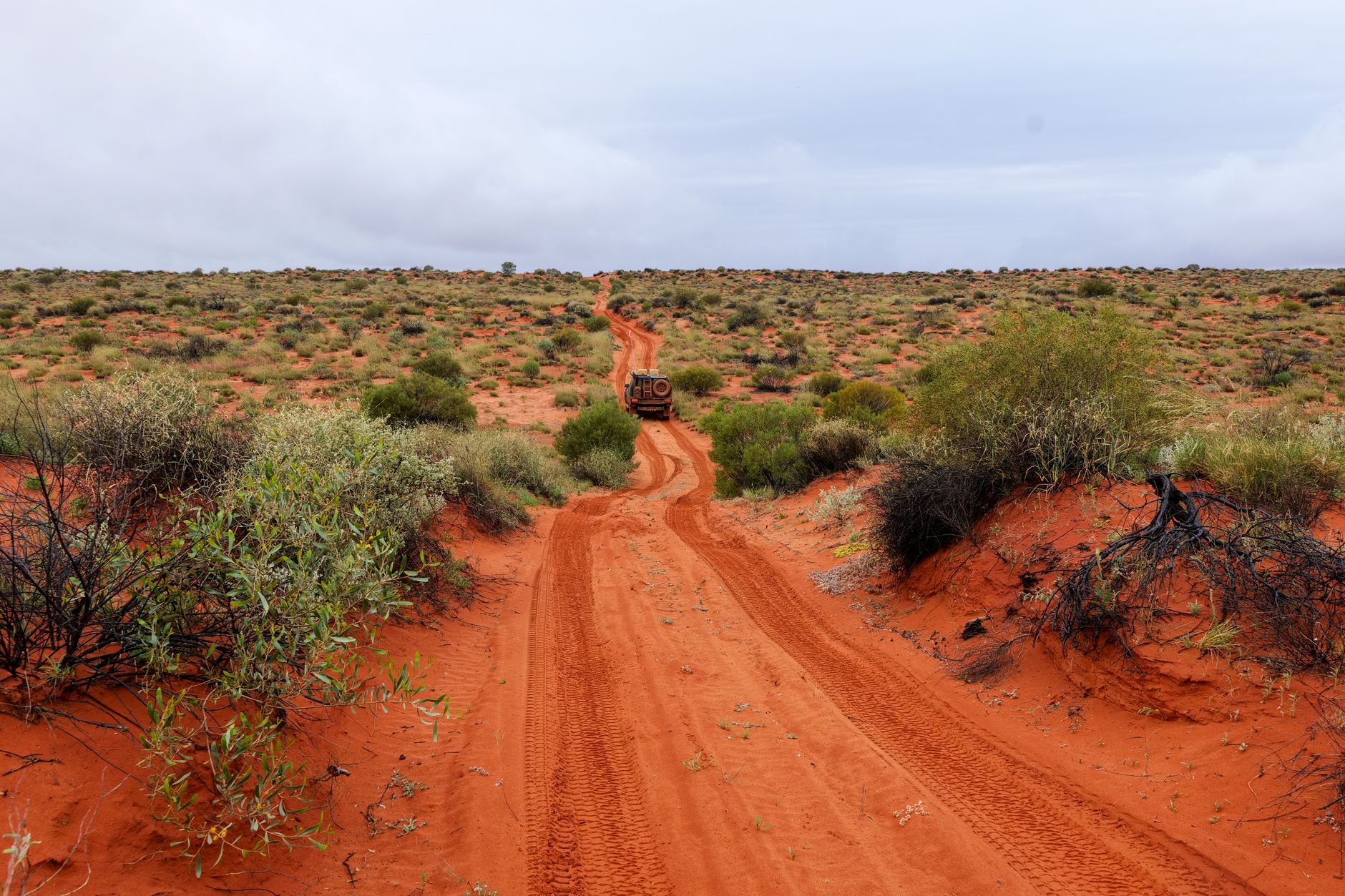
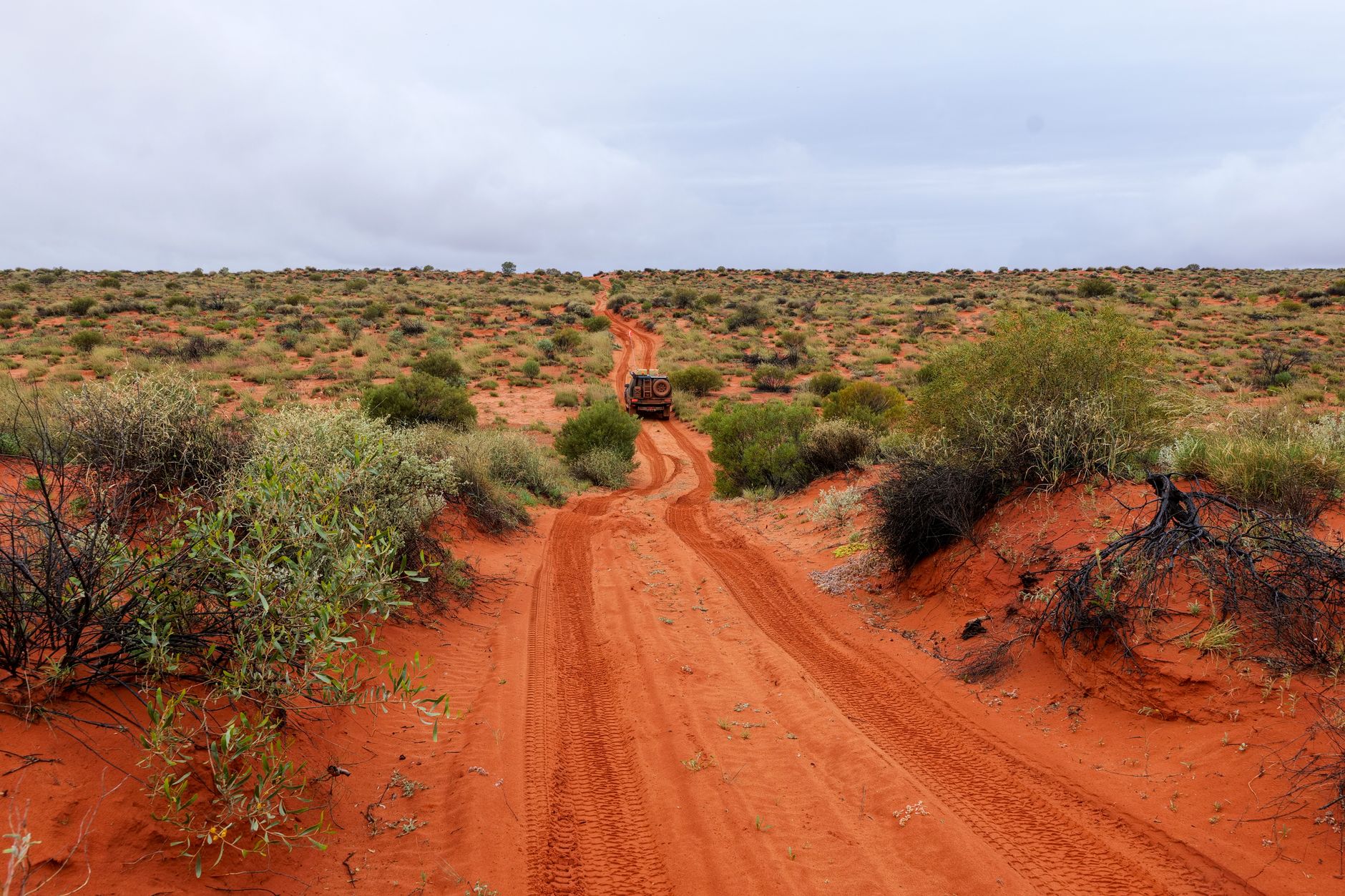
For DudeWorld readers, that’s where a lot of Kimberley dreaming lives. Not the glossy brochure trip bought two years ago and paid off in chunks. More like the winter run tossed around in the shed or over a Friday beer: do we finally do the Gibb, fly in and add a couple of experiences, take the kids while they still think red dirt is magic and not just another long drive with no reception?
A voucher helps with that decision if you were already close. If the trip was dead because the lead-up costs felt rude, half off one selected experience is a nice sweetener on a cake you still are not buying.
Confidence is part of the season too
Price is only part of how people choose a trip like this. Confidence does a lot of work. We want to feel that the season is worth the effort, the roads are calling, the weather has settled and the place still looks like the Australia we promised ourselves we’d see properly one day.
That’s why the earlier ABC reporting on AI videos giving WA’s north the wrong impression matters more than it first looks. Most dry-season trips do not start with a travel agent. They start with scrolling, a saved clip, a mate sending a link, or a late-night search spiral when we should be asleep. If the picture travellers keep seeing is off, demand gets weird well before anybody reaches the payment page.
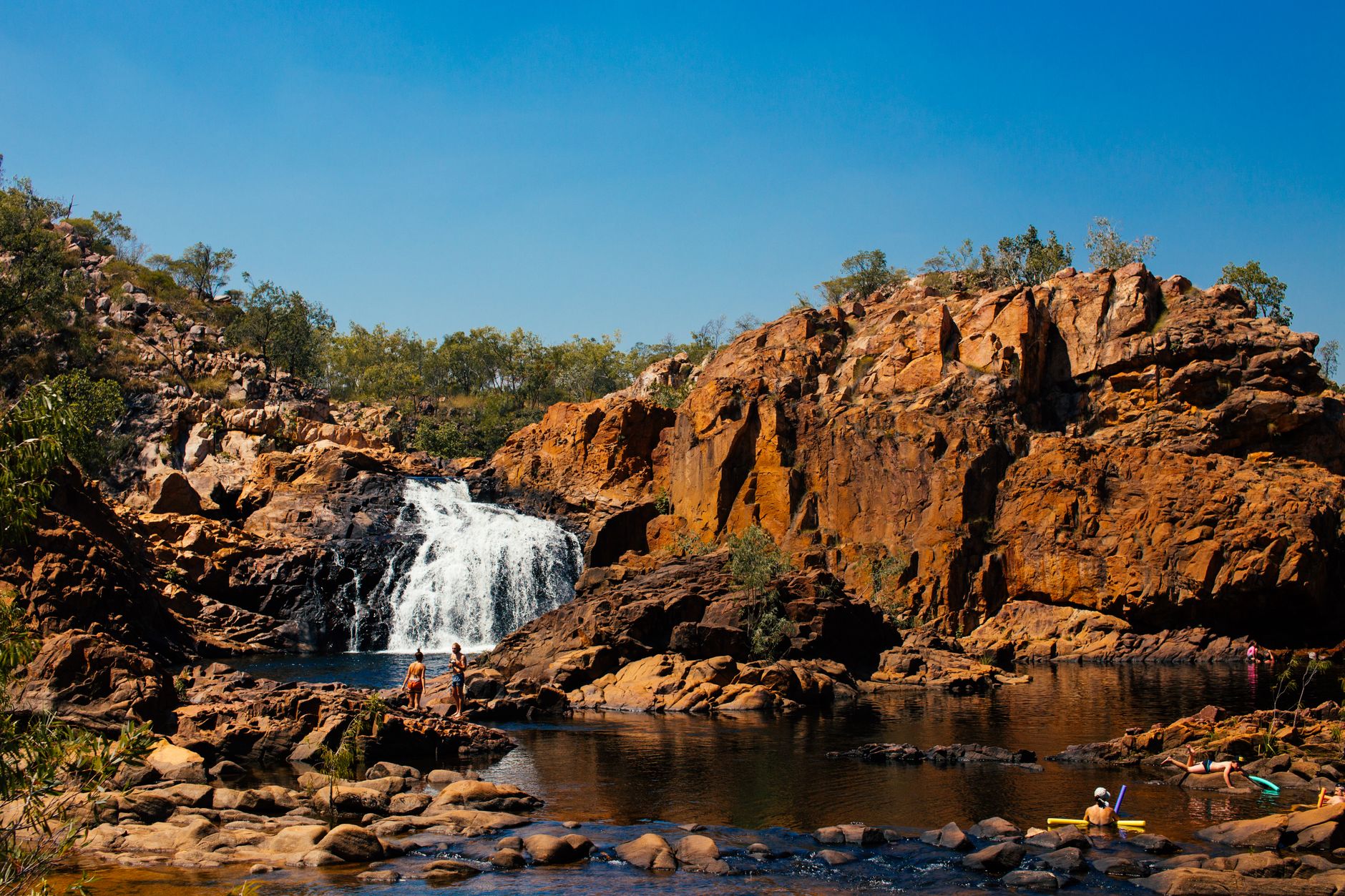
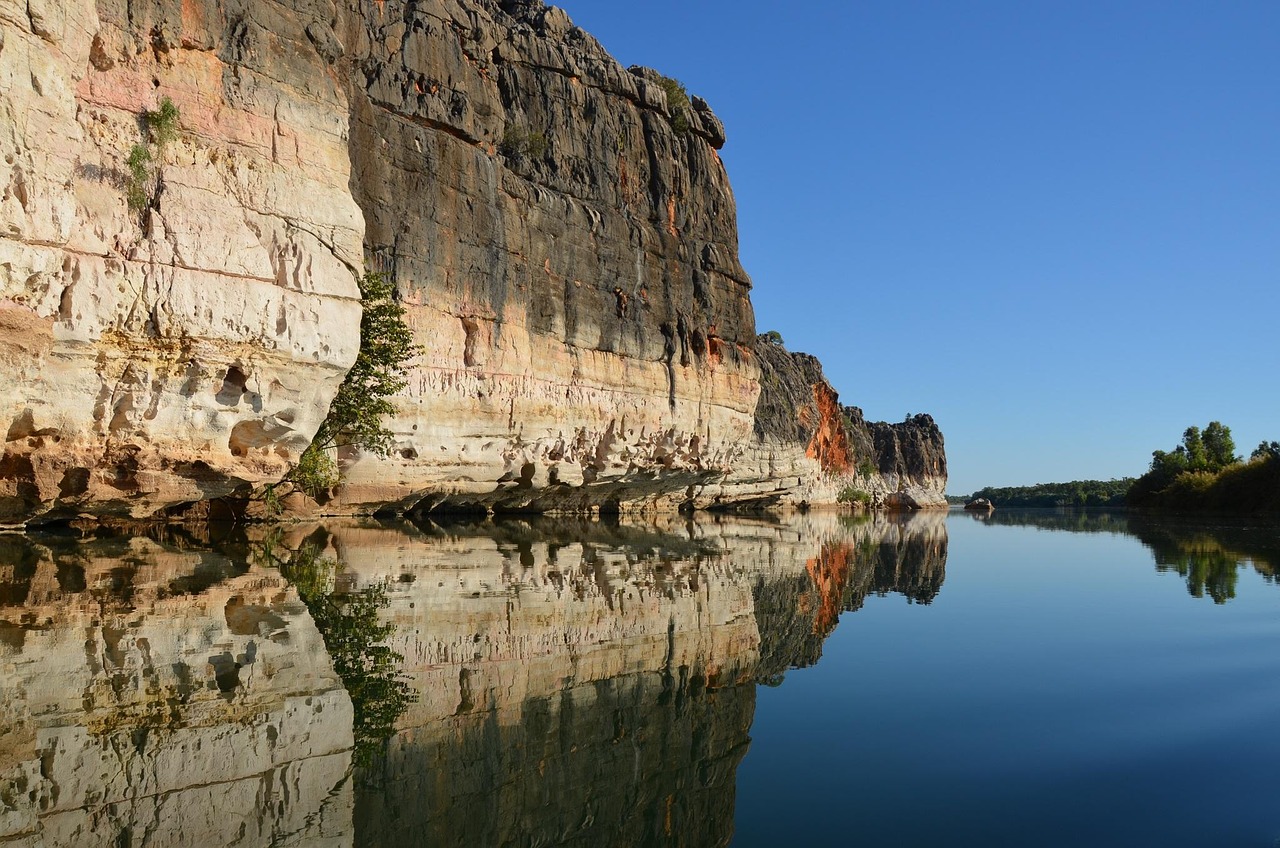
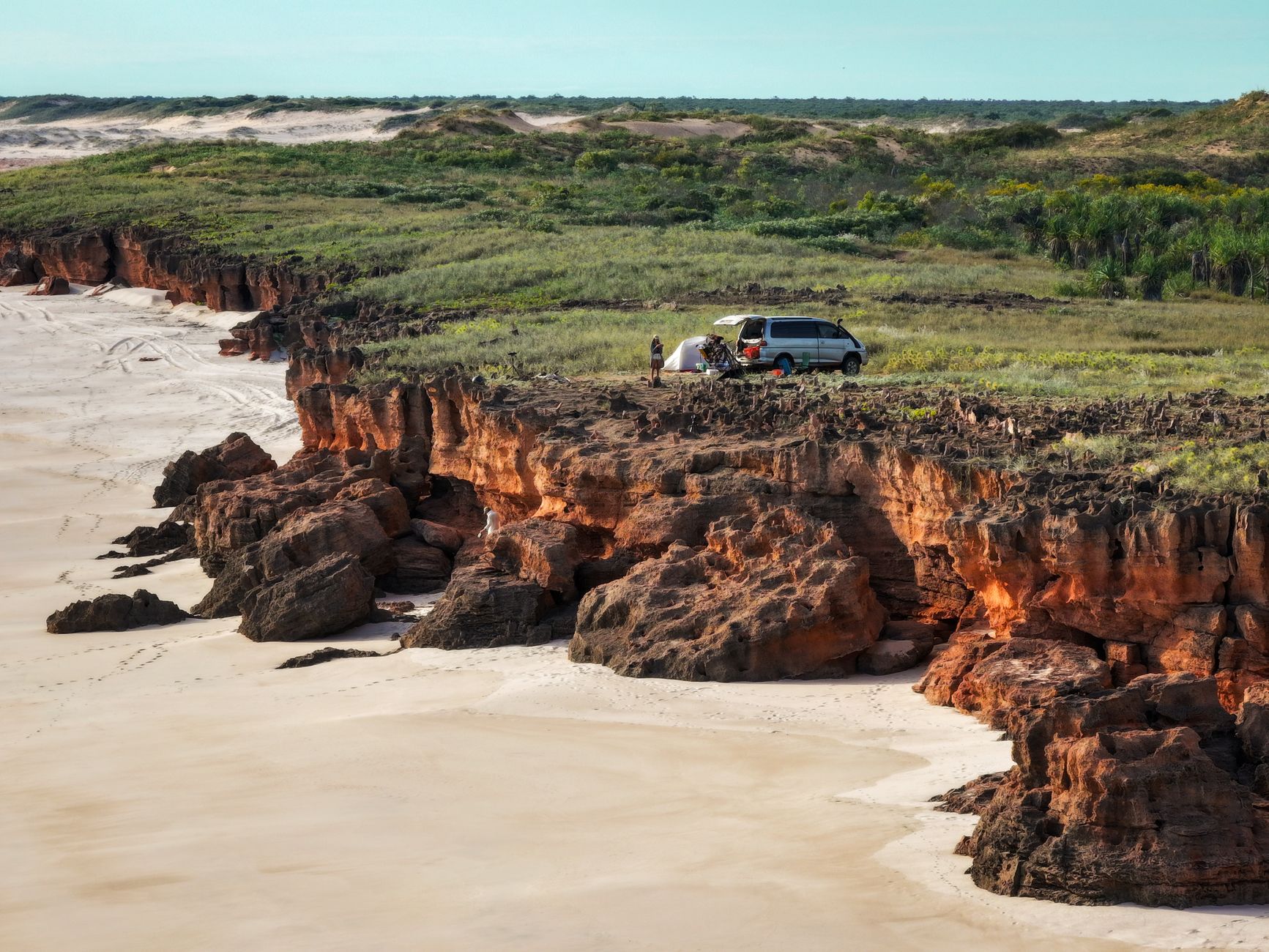
Anyone who has lost five minutes staring at Kimberley gorge photos knows the sell itself is not broken. The appetite is still there. You can see it in the usual winter-road-trip fantasy material too, including this broad road-trip sweep through the north that still treats Kununurra, waterfalls, gorges and ancient country as the escape people start talking themselves into every June. The Kimberley has not become undesirable. It has become harder to justify quickly.
Ronnie Morgan’s view from remote-community tourism lands in the same place. He is not brushing off discounts. He is saying the big friction sits somewhere else.
“Flights to … anywhere up here cost way more than any international flights.”
Ronnie Morgan, via ABC News
So what would make a Kimberley run feel doable for more self-drivers, families and fly-in visitors? Cheaper experiences help. Better access costs would help more. So would the confidence to say this is the year to go, not another year to wait until the budget loosens and the planning window feels less chaotic.
So are the vouchers enough for campers and 4WD travellers?
Our read: they matter, but they do not transform the trip. If you were already leaning toward Broome, Kununurra or a dry-season loop and planned to book a paid experience anyway, half off that part of the bill is proper value. We’d take it. You’d be mad not to. If the choice is doing the cruise, cultural tour or guided day out versus skipping it, the voucher can make the trip fuller.

If you’re still stuck much earlier in the decision tree, though, the scheme probably will not work miracles. It will not make flights cheap. It will not shrink the fuel bill. It will not reopen the calendar if you needed to lock in leave months ago. And it will not rescue the family budget that had already pushed the Kimberley into the too-hard basket.
That does not make the rollout a flop. It puts it in the right box. A useful late shove, not a rescue helicopter. For operators, it may shift short-term sentiment and fill a few gaps. For travellers, treat it as a bonus on a trip that already made sense, not the thing that suddenly makes the whole north-west affordable.
The bigger lesson is a bit annoying because it ruins the romance. When a place as iconic as the Kimberley needs a mid-season price nudge, even Australia’s great red-dirt pilgrimages are competing with household budgets, airfare pain and our habit of putting off bucket-list trips until the perfect year arrives. That perfect year rarely turns up. A cheaper tour helps. The rest of the invoice is still sitting there.
The DudeWorld brief
BBQ, tools, camping and footy — the good stuff, weekly in your inbox.
Subscribe