Gibb River Road in the Dry: The Prep Work That Saves the Trip
Gibb River Road 4WD prep starts with tyres, water, fuel and timing. Here's how we'd set up a Kimberley dry-season run without the usual dramas.
The Gibb River Road is at its most dangerous in other people’s photos. A Pentecost Crossing hero shot on Australia’s North West makes the whole thing look like bonnet-deep water, red dirt and a smug beer beside the fire. Nice picture. In the dry, though, the trip usually turns on duller business: tyre pressures, fuel range, side-road openings, park fees, drinking water and whether the plan has enough slack for the road to overrule you.
That’s the bit plenty of us would rather skip. We point the nose north, tell ourselves the wagon is “built not bought”, then act shocked when a week of corrugations loosens bolts, rattles the fridge slide and turns an optimistic run sheet into scrap paper. The Club 4x4 guide gets the tone right. The Gibb is better when you stop treating it like a badge test.
By the third planning tab, the official view starts dragging the romance back to earth. Main Roads WA does not write like Instagram. It writes about access, grading, floodways and changing conditions. Boring, until you’re 300-odd kilometres from the last easy fix and learning that “she’ll be right” is not a maintenance program.
Main Roads WA is blunt about it:
conditions may change rapidly and will vary throughout the length of the road
Source: Main Roads WA
That push and pull is the whole trip. The glossy Kimberley still exists, and the Guardian Travel take on the region’s wild edges makes a fair case for why people keep going back. But the self-drive version rewards the person who can enjoy a boring spreadsheet nearly as much as a sunset. Not glamorous. Useful.
The road is rough, not heroic
The Gibb is long before it is technical. Call it roughly 650 to 660km, depending on the endpoints, with Main Roads WA putting the road at 647km overall and 470km unsealed between the Lennard and Pentecost rivers. In a normal dry-season run, the mechanical tax comes from corrugations and repetition, not one movie-scene obstacle that sorts heroes from tourists.
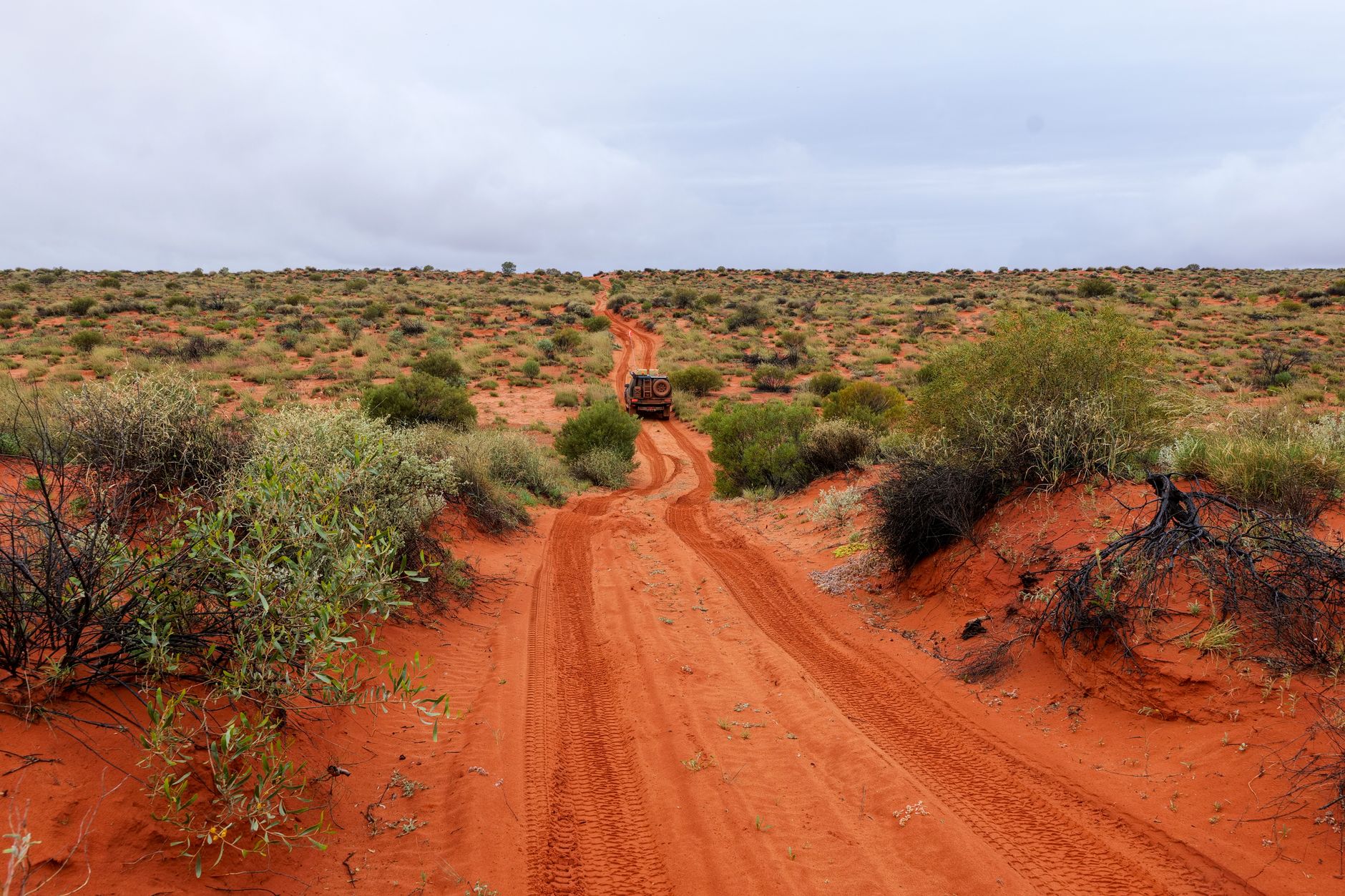
So the better question is not “is our rig tough enough?” It is “is it set up sensibly?” A Toyota LandCruiser Prado, Mitsubishi Pajero Sport or Toyota HiLux all fit the basic shape for this sort of trip. None gets a divine right to finish. The advice keeps circling back to the plain stuff: decent all-terrain tyres, sensible pressures, a spare strategy, and a suspension and load that are not already sulking before Derby is in the mirror.
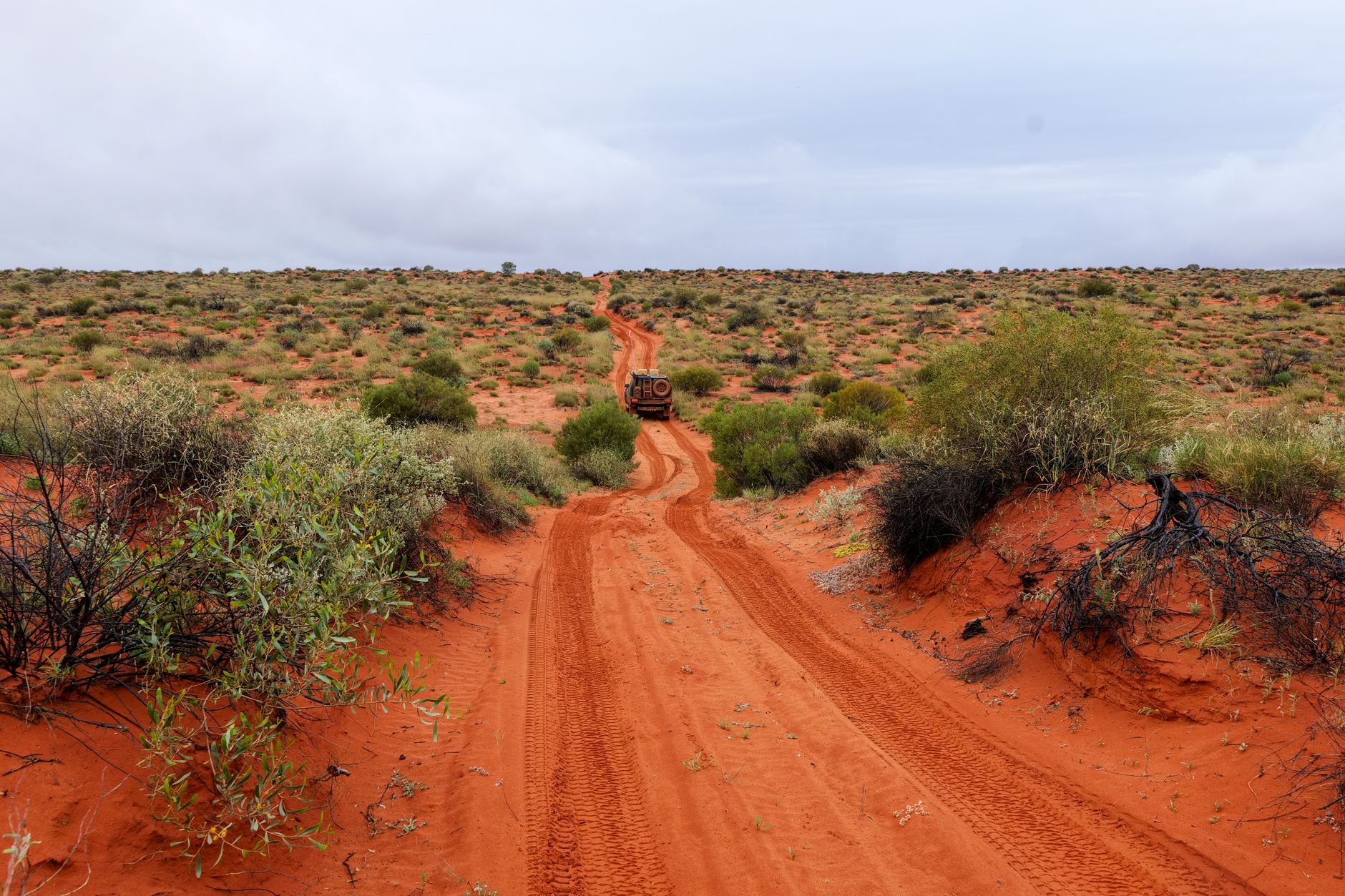
Corrugations do the daily damage. Crossings add the conditional spice. Rush it on highway pressures with too much weight hanging off the back and the road will collect from tyres, mounts and patience long before it asks for rock-crawling talent. We’d rather spend money on prevention than on accessories that look brilliant in the BCF car park.
The Club 4x4 guide keeps coming back to pace, and fair enough. You do not win the Gibb by averaging miracles between stations. You win it by airing down, checking the rig in the afternoon and treating a new rattle as information, not background music. Less cinematic, yes. Also the difference between making camp like a civilised adult and lying under a ute at sunset wondering where the 12mm spanner went.
As the Club 4x4 guide puts it:
Don’t rush it.
Source: Club4x4 / Bush and Bay
The boring kit is what gets you through
What breaks first on a self-drive Gibb trip: water, tyres, comms or your schedule? We’d put the schedule first, with tyres breathing down its neck. Most dramas on famous outback runs start when people plan the drive like a metro hop and pack like they’re only going as far as the servo.
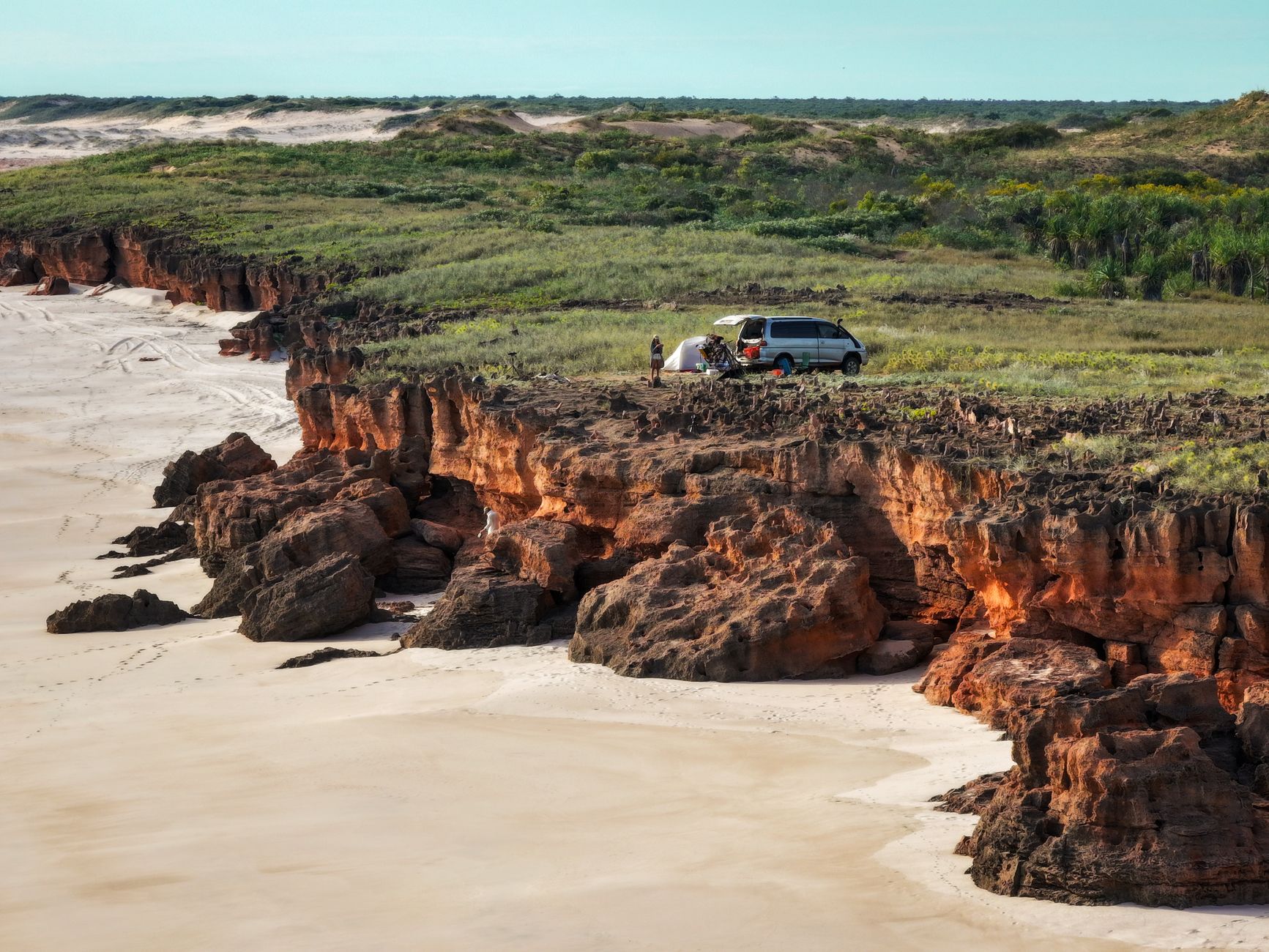
A good dry-season setup is not sexy. Water you will not resent carrying. Fuel maths with a buffer. A puncture plan you have actually used before. Maybe two spares if the load and route justify it. And a hard look at whatever has been bolted to the car lately, because after a few days on corrugations, “recently installed” can be another way of saying “untested”.
This is where the romance of remoteness gets its admin bill. The Gibb still feels remote because it is remote, but remote in 2026 comes with rules and booking windows. Explore Parks WA sets the park-fee rules that shape side trips and stays. Australia’s North West notes that access windows and opening dates vary year to year. If the whole holiday depends on one gorge, one side road or one crossing being open on one exact afternoon, you have not built a plan. You have built a hostage situation.
The best version of the road usually takes longer than first-timers allow. The touring advice in the source pack puts 10 to 14 days as the comfortable shape, with up to three weeks if Mitchell Falls is part of the run. Sounds indulgent until you remember what you are there for. If the Kimberley is only a list of kilometres to be completed, you may as well stay home and alphabetise the socket drawer.
The useful question is which side roads make the trip worth doing, and which ones shut first when weather shifts. The sources do not give a neat hierarchy. Good. That is the warning. This is a live route, not a laminated itinerary. Keep checking Main Roads WA before you leave and while you are on the run, then let the open roads shape the trip instead of trying to bully the place into matching the screenshot you saved in March.
Remote still means expensive
One more reality check sits over the whole idea, and it comes from the locals who need a good season. In ABC News’s reporting on the Kimberley tourism slowdown, operators were already talking about softer numbers and the sting of high fuel prices. For readers, that matters because the Gibb is never just the drive. It is the cost of getting north, staying flexible once you are there, and absorbing the price of remoteness without pretending the bill is part of the personality test.

Bruce Hartley, speaking in that ABC report, summed up the mood in a line that lands because it is so plain:
It’s dropped off by 70 per cent
Source: Bruce Hartley, ABC News
Read that as more than a grim patch for operators. The north is not immune to the cost-of-living maths driving every other Australian decision right now. A Kimberley trip sits high on the dream list because it is expensive in the obvious ways, fuel, time, leave, gear, then sneaks in a few less obvious ones when you are already committed. That is why discount talk and tourism vouchers enter the conversation at all.
It also changes how we’d prep. We’d budget a bigger margin than feels polite. We’d book the pieces that genuinely need booking, then protect a couple of nights from over-planning so the road can force a change without wrecking the whole trip. And we’d be honest about whether we want the drive itself or just the idea of having done it. No shame in that distinction. Plenty of expensive four-wheel-drive mistakes begin with confusing aspiration for appetite.
The best Gibb trips leave room for the road to win
The line worth keeping is still the simplest one: don’t rush it. Good driving advice, decent marriage advice and probably sound camping advice too.
Conditions change. Setup beats swagger. Fuel prices and softer demand change the economics. The dull stuff, water, tyres, timing, bookings, decides whether the story feels glorious or exhausting. Those are not separate lessons. They are the same road viewed from different ends of the bonnet.
So if we were packing for the Kimberley dry tomorrow, we’d obsess less over whether the car looks “Gibb ready” and more over whether the plan is. We’d want a high-clearance 4WD in sound nick, yes. Tyres, spares, tools and water sorted. We’d want the Main Roads WA updates, the park-fee rules, and the tourism advice from Australia’s North West checked close to departure, not half-remembered from a late-night planning session in May.
Mostly, we’d want time. Time to pull over. Time to let tyre pressures down properly. Time to change a camp plan without acting like the holiday has been betrayed. Time to turn a route that is famous online into a trip that is good in real life.
That is the quiet trick of the Gibb River Road in the dry. It still looks like a big adventure, and it is. But the crews who come home talking like they would do it again are usually the ones who stopped trying to conquer the place. They prepared properly, kept the ego in the glovebox and let the Kimberley set the pace.
The DudeWorld brief
BBQ, tools, camping and footy — the good stuff, weekly in your inbox.
Subscribe