Country footy concussion scare puts bush clubs on edge
Country footy concussion fears sharpen after a 16-year-old is airlifted, forcing bush clubs to reckon with volunteers, wickets and repeat head knocks.
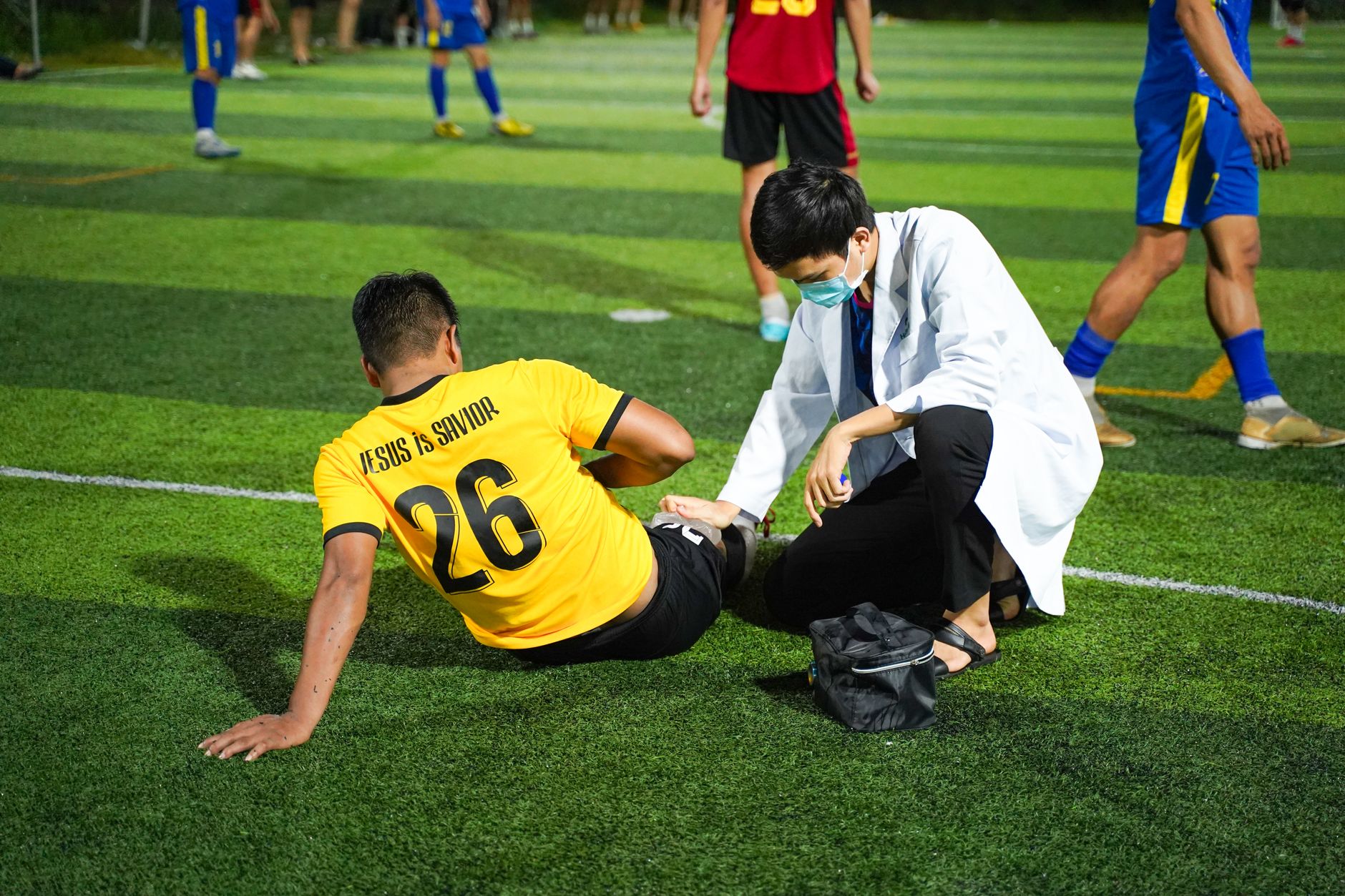
On a country oval, the first bloke running to a head knock is usually not a neurologist. It is the trainer, the club volunteer, maybe the local nurse who was already pouring tea in the canteen half an hour earlier. That is what made the 16-year-old Jeparit player airlifted to a Melbourne hospital after an under-17s collision feel bigger than one ugly Saturday incident.
Bush clubs were still processing Nathan Fitzgerald’s death after catastrophic head injuries in Melbourne’s north when another junior wound up in hospital. Timing matters here. It means every local president, trainer and parent is now watching the next knock with a lot less romantic nonsense about footy being footy.
But the player-side version of this story is just as hard to ignore. Angus Pitman left country footy after eight concussions by age 16, and his case cuts through the old line that concussion is only a problem when something obviously catastrophic happens. Plenty of the damage sits in the repeat stuff: the kid who keeps playing, the symptoms that get waved off, the season that quietly becomes the last one.
Put those threads together and the message is blunt. Country footy is not merely being asked to recognise concussion better. It is being asked to run a modern brain-injury response with volunteer labour, patchy facilities and juniors who still do not always put their hand up.
The first call is still a volunteer call
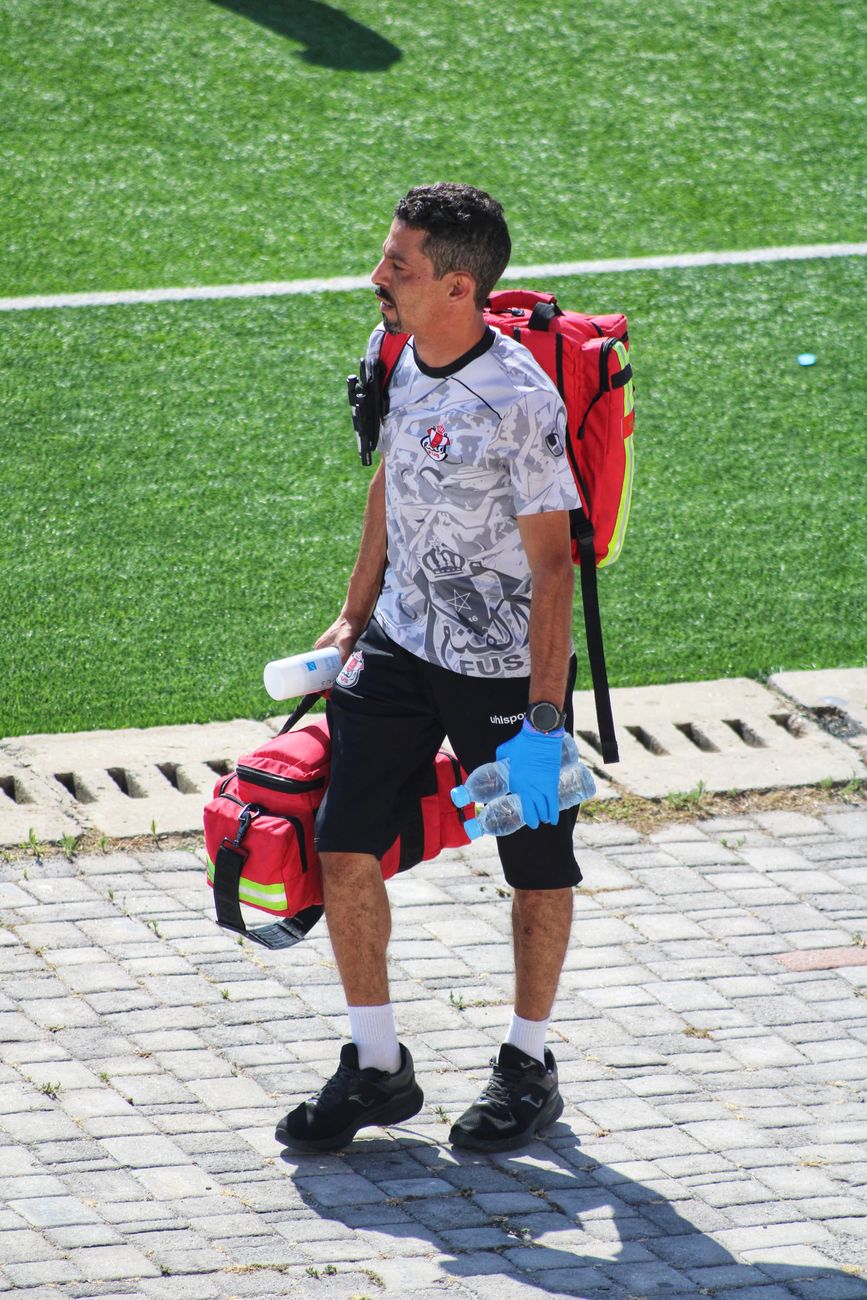
The rule book is stricter than it used to be. Community players who suffer concussion cannot return until day 21 and need medical clearance to come back. The weak spot comes before any paperwork, in the first five minutes after a knock, when someone has to pull the player, settle the bench, call the ambos if needed and make sure nobody talks themselves into “just give me a minute”. At grassroots level, that first layer still belongs to volunteers.
One revealing line in the Jeparit story was not the hospital update. It was Horsham Saints president Sally Ison describing how people from both sides jumped in to help.
“It shows in the country it doesn’t matter which side you are on you jump in and help without hesitation.”
— Sally Ison, Horsham Saints Football Club president
For all the good it does, that community reflex is also the thing the code now leans on hardest. We love local footy for the volunteers, the pie warmer and the uncle who somehow owns every bit of strapping tape in the district. Brain injury does not care about any of that charm. If the person making the first concussion decision is under-trained, or outnumbered, or relying on a player to be honest about symptoms, the whole system is already wobbling.
South Australian football official Andrew Schultz put it more plainly in the Angus Pitman reporting, saying some clubs are handling concussion well and some plainly are not.
“Some clubs are getting it right, some clubs aren’t.”
— Andrew Schultz, Mid Murray Football League president
It also answers one of the awkward questions hanging over country leagues: how much of this is still self-reporting dressed up as protocol? The answer is, too much. Rules can say 21 days. Posters can say “if in doubt, sit them out”. But if a kid wants to keep his spot, or a family trusts the old-school read of a knock, or the club has one trainer covering three moving problems at once, the gap between policy and paddock stays wide.
The ground itself is now part of the argument
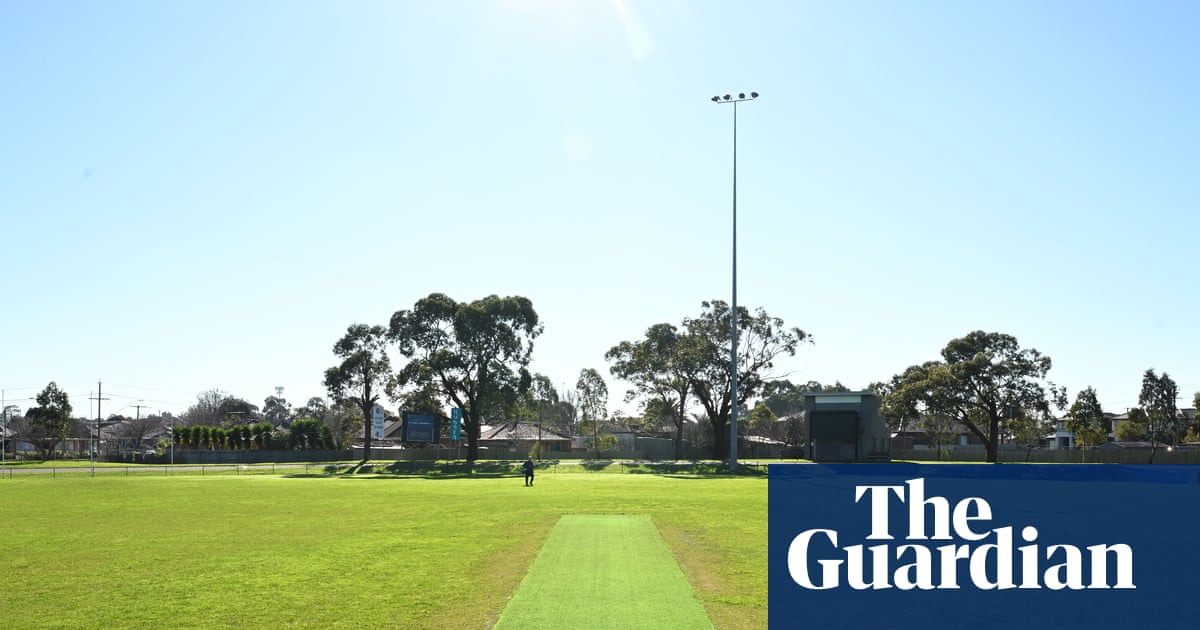
The Fitzgerald case has also dragged another long-running local-footy compromise into the light: shared ovals with hard cricket strips through the middle. We do not know whether the Jeparit incident had anything to do with the surface. That is not the point. The point is that Epping’s call for scrutiny of cricket pitches on football grounds landed just before this latest head knock, so every fresh incident now gets read against a bigger safety question.
In The Guardian’s reporting after Fitzgerald’s death, concussion researcher Dr Alan Pearce called the danger around hard cricket pitches what common sense said it was. Even the Lalor oval photo published with that reporting makes the surface issue hard to shrug off.
“common sense would tell you that this was an accident waiting to happen”
— Dr Alan Pearce, quoted by The Guardian
From the policy end, that is the hard read of this story, and local footy cannot shrug it off as city-media overreach. If grounds are multi-use, if wickets are hard, if councils and leagues know it, then surface management is not a side issue anymore. It sits in the same bucket as trained sideline response: boring, procedural, absolutely load-bearing.
Meanwhile, recent ABC reporting says 33 former Australian rules footballers have been diagnosed with CTE, and the argument coming from brain-injury advocates is not just about the single bad knock. It is about exposure, the pile-up of repeated hits over years. That is why the separate ABC analysis on what parents still do not fully grasp about footy risk matters here. Education helps, but education on its own does not remove exposure. Standards do. So do surfaces. So does a club culture where missing a game is normal after a knock, not a character test.
Then Angus Pitman’s story pulls the conversation back to juniors. His case is the answer, at least in part, to the question of what happens before the big CTE debate ever reaches a local family. Sometimes kids simply leave. They swap footy for rowing, or something else, because the maths has stopped making sense. That is not a theoretical policy problem. It is a local-footy retention problem, a family-confidence problem and, if we are being honest, a cultural problem too.
Country footy has always run on volunteers, goodwill and a fair bit of improvisation. Usually that is part of the appeal. On head knocks, it is no longer enough. The game does not need another vague awareness round. Bush clubs need cleaner authority to pull players, better sideline training, harder questions about wickets and a lot less pressure on juniors to be brave about symptoms. Another bad Saturday has made that much clear.
Tommo splits his weekends between the high country and the footy. He writes about camping, 4WDing, fishing and the general business of being a husband and dad who still gets a leave pass. Drives a diesel he refuses to shut up about.
The DudeWorld brief
BBQ, tools, camping and footy — the good stuff, weekly in your inbox.
Subscribe