When sharks become part of the plan
Spearfishing with sharks is becoming part of the trip for Aussie fishos. What changes now is spots, timing, landing fish fast and calling it early.
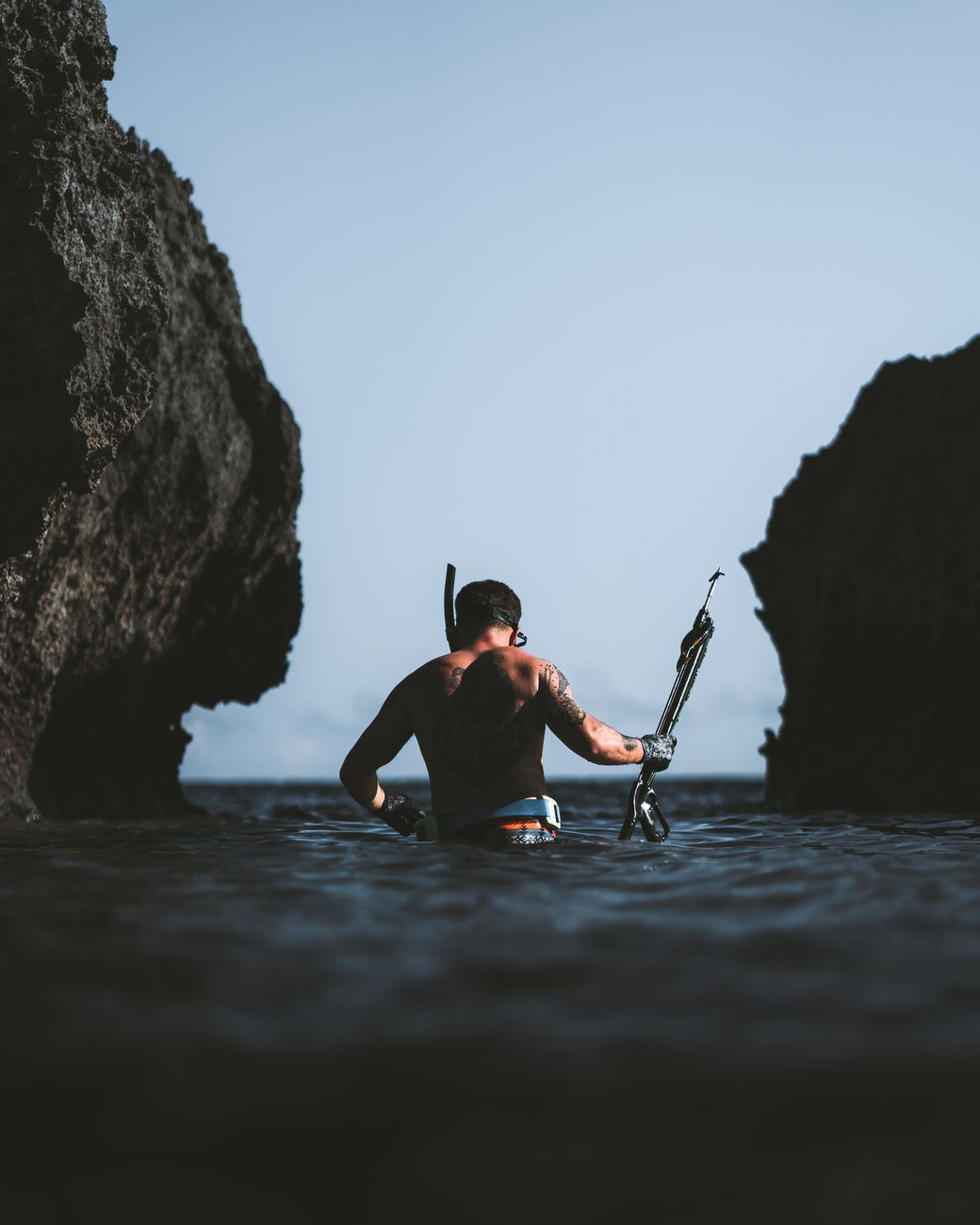
Most dives start out boring, which is half the appeal. Mask spit. Cold zip up the back. Float line tapping the gun. Dinner, if the ocean is feeling generous, somewhere in the wash. Then a shark turns up and the whole thing changes. You are still holding the gear, but you are no longer running the meeting.
The useful part of Clarke Gayford’s first-person account of more shark encounters around Australian and New Zealand waters is not the panic. Social-media theatre can look after itself. What matters is the plain reminder that once we put steel, splash and a bleeding fish into the water, we are visitors with a very noisy lunch bell.
From the science side, the picture gets messier. Joni Pini-Fitzsimmons, a Charles Darwin University marine ecologist, has warned that more encounters do not automatically prove some neat shark boom. It can be prey movement. Runoff. Warmer water. More of us fishing the same edges. Smarter animals learning where the easy feed appears.
For Aussie spearos and fishos, that is the bit worth taking to the ramp. The internet can wind itself into a proper state about sharks any day of the week. Fine. Out on the water, the better question is what actually changes when sharky country stops feeling like a freak event and starts feeling like part of the trip. Usually the answer is small and annoying: shift spots, shorten the session, land fish quicker, stop treating every old favourite reef as sacred, and call it early when the water starts talking back.
Pride is usually the first thing to pack away
The blokes who handle this stuff best are not always the bravest. Quite often they are the ones quickest to bin the original plan. Gayford’s practical point was blunt: he no longer spearfishes some places because the sound of a speargun brings sharks in. That is not soft. It is adapting when the old rules stop paying.
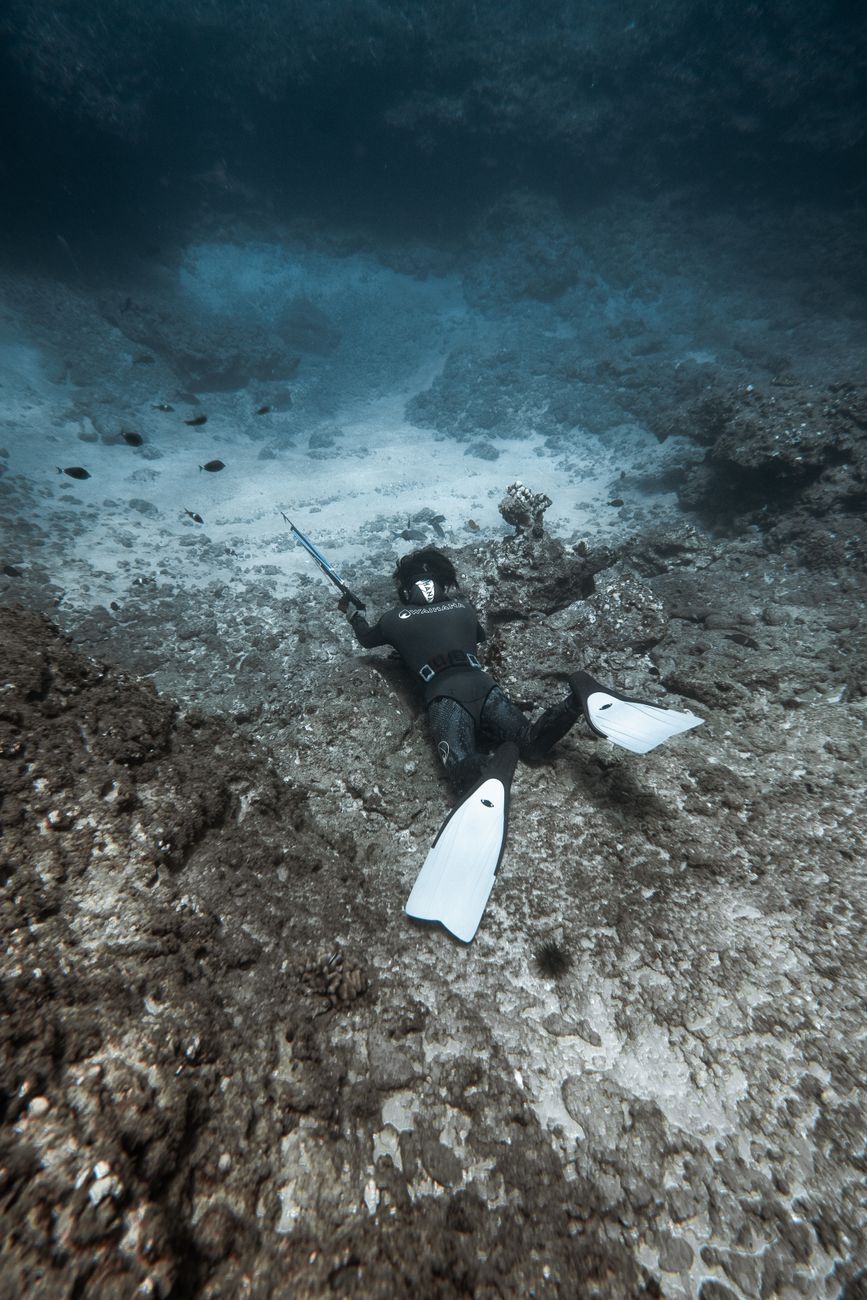
Plenty of us grew up believing a good session can be rescued by staying another half-hour. One more drift. One more breath-up. One more look into the gutter that produced last winter. In shark country, that stubborn streak can go from admirable to pretty dumb in a hurry. When the first fish gets taxed, when shapes start sliding in behind a struggling pelagic, when the mood changes from hunting to being watched, the clever move is often the one that annoys your ego. Leave.
Dealing with sharks simply comes with the territory.
Clarke Gayford, The Guardian
Gayford’s line works because it is neither macho nonsense nor anti-shark sermonising. It is just the pecking order, stated plainly. Spearos have always signed that contract, but more people are now reading the fine print. He writes about underwater being one of the few places where he can switch his brain off. The sting is not only that sharks are there. The bargain has changed. Relaxing now means more scanning, more second-guessing and a lower tolerance for pretending a sketchy session will sort itself out.
So the knock-on is practical. Stop treating every trip as a referendum on courage. A reef that keeps getting sharky after the first shot drops down the rotation. Fish there but the tax man is more punctual? The spot owes us nothing. Weather, bait and current all lining up in a way that feels wrong? Nobody needs a formal committee meeting in the boat. Pull the pin. A nice picture for Instagram does not put a fish back in the esky.
Read the water, not the comment section
Context matters more now. Headlines about bites, beach closures and helicopters can make every patch of blue water feel like a true-crime set. The ocean is less theatrical than that, and more specific. Useful clues are usually right in front of us: bait, current, visibility, animal movement and whether a food chain is obviously underway around the boat.

That is why the analyst view matters. In Guardian reporting on Australia’s recent shark-bite anxiety, scientists pointed to a messy pile of causes: warming water pushing animals into busier areas, prey changes, migration patterns and the obvious fact that more of us are out there surfing, diving and fishing. Gayford linked part of his east-coast experience to humpback traffic, noting an eastern Australian population of about 60,000 whales and the claim that roughly one in five calves dies during the migration north and back. You do not need to buy the whole theory to get the useful bit. When the menu changes, the customers change too.
The ABC’s reporting from the Daly River Barra Classic landed on the same practical warning. For fishos, the shark problem often shows up before a bite headline. It shows up as lost fish and changed behaviour on the water.
We’ve lost a lot of good fish to sharks, just can’t get them in fast enough,
Rohan Short, ABC News
For most of us, that is a better warning sign than any national panic number. A fish that never reaches the boat is not abstract policy. It is a cue. Keep seeing tax, half-chewed fish or shadows arriving as soon as something starts kicking? You are no longer in a debate. You are in a pattern.
Pini-Fitzsimmons put it another way.
There might not be more sharks, but instead more people fishing and lots of smart sharks showing up for a quick feed.
Joni Pini-Fitzsimmons, ABC News
Taken properly, that should calm people down and sharpen them up. More sightings do not automatically mean the ocean has gone feral. They might mean some of the risk sits in our own habits. Same ramp. Same bommie. Same cleaning routine. Same lazy comfort in the idea that last year was fine, so this year will be too. Sharks learn. We should probably manage the same trick.
Culture-war yelling misses that entirely. You can spend hours arguing about culls, councils, activists and city blokes who have never worn fins. None of it helps when you are looking at a reef that has suddenly become a food court. Better to watch the bait harder, notice when whales are moving through, listen to local fishos, and accept that a spot can turn from magic to not worth the grief without sending you a written explanation.
Tech helps, until it turns into theatre
Along the coast, the official response is getting more technical. Good. Drones, tagging, spotter apps and hazard logs at least try to solve a real problem in real time, which beats symbolic nonsense. NSW’s dawn-to-dusk drone program, backed by Premier Chris Minns, carries a $34 million budget and stretches across 70 beaches. The New York Times’ recent reporting on Australia’s drone push made the public-safety point too: confidence, not only coastline science, is driving part of the response. Up north, the Barra Classic brought in an app and marker buoys to warn competitors about crocs and sharks.

Sneering at useful kit would be daft. If a drone tells swimmers there is a big shape moving nearby, that helps. If an event logs hazards properly, that helps too. The catch is remembering what the tools cannot promise. A camera in the sky can confirm a shark. It cannot guarantee the next hour is safe because it has not spotted one. Nor can it stop every sighting from becoming its own little panic cycle.
A separate Guardian analysis of shark-detection drones makes that sceptical point well. Better detection can make danger feel like it is surging even when the risk picture is murkier. The piece noted 65 unprovoked shark bites worldwide in 2025, below the recent 10-year average of 72, and cited odds of being bitten by a shark at about one in 4.3 million. Those numbers do not mean we float around like stunned mullet. They do mean visibility, headlines and actual risk are three different things.
For spearos, the distinction matters. A drone over a beach does not make a remote headland sane. A shark app does not make your fish stringer invisible. Public-safety systems are mostly built for swimmers and patrolled beaches. They are not a permission slip for every bloke with a gun, a mate and a tinny to push into a place that already feels wrong.
The normal trip gets a bit more boring
Usually the bloke does not need to change. The routine does.
When shark encounters become part of a normal trip, the best adaptation is boring. Be ruthless with spots. Put less sentimental value on old marks. Think harder about when to enter and when to get out. Have less faith in the idea that the fish owe you a shot because you burned fuel to get there. If the place looks alive in the wrong way, do not negotiate with it.
Time in the water does not need to be romanticised either. A drawn-out session with fish hanging around you is not automatically a badge of honour. Fast decisions matter. Clean boat work matters. So does saying, out loud, that this reef has become a pain in the backside and you are better off somewhere else. There is no prize for tolerating a situation that has stopped being fun.
Staying home is not the point. Nor is turning every shark sighting into a news bulletin. Fish and dive with less ego and better pattern recognition. Treat the day’s signs with more respect than the week’s outrage. The ocean has always had a pecking order. Our modern habit of measuring everything with drones, clips and alerts can make us smarter, or it can make us silly. Depends how we use it.
That is the useful line for DudeWorld readers. The new normal is not shark panic. It is practical humility. If a spot gets sharky, leave. If the bait, whales and stolen fish are telling the same story, listen. If the session feels wrong, calling it early is not soft. It is what competent watermen do when the ocean stops offering a fair trade.
And if that means one less fish and one less heroic yarn at the ramp, we will cope. Better that than learning the pecking order the hard way.
The DudeWorld brief
BBQ, tools, camping and footy — the good stuff, weekly in your inbox.
Subscribe