Cold-Weather Camping: How Not to Freeze Your Swag Off
Cold-weather camping gets easier when we treat the mat, bag and layers as one system, then plan for wet weather, fuel and a cold dawn.
Usually the cold arrives from underneath first. Not the movie version, with snow blowing sideways and someone swearing at guy lines by headlamp. More like 2.13am, when the ground starts pinching heat through the mat and every shortcut from pack time comes back for a quiet little chat. That is the bit Australian winter campers keep learning the hard way.
The handy correction in Snowys’ guide to camping in the snow is that a warm camp is not bought with one expensive hero item. It is built as a system: the mat, the bag, the sleep clothes, the dry spares and the plan for when the weather turns ugly after dark. Very unromantic. Also very true. Spend the money where it buys actual warmth, then stop asking the tent to do work it cannot do.
The safety crowd sees the same trip from another angle. Bushwalking Australia cares less about cold tolerance than about the forecast, trip intentions, emergency comms and how quickly an alpine day can go sideways. A brilliant sleep setup in the car park still loses if the planning is ordinary once the wind gets a vote.
Gear testers sit somewhere between those two camps. REI’s sleeping-pad guide and the Appalachian Mountain Club’s winter pad advice land on the same boring but useful point: the ground steals heat faster than the air does. Pad insulation decides whether a cold night feels manageable or miserable. If there is one number worth knowing before the next alpine trip, it is the mat’s R-value.
Start with the ground, not the tent
If we could fix one winter-camping mistake in Australia, this would be it: too many of us obsess over the tent, then try to sleep on a mat better suited to a music festival. That can work in October on the coast. Frost finds it pretty quickly once the soil under the tent starts behaving like a giant heat sink.

Snowys says an R-value around 4 can be enough for general winter camping, while alpine camping should push closer to 6 or higher. REI says winter is when insulation ratings stop being catalogue trivia. AMC adds that R-values can stack when we layer pads. Good news for anyone who does not want to drop a pile of cash on one huge winter mat.
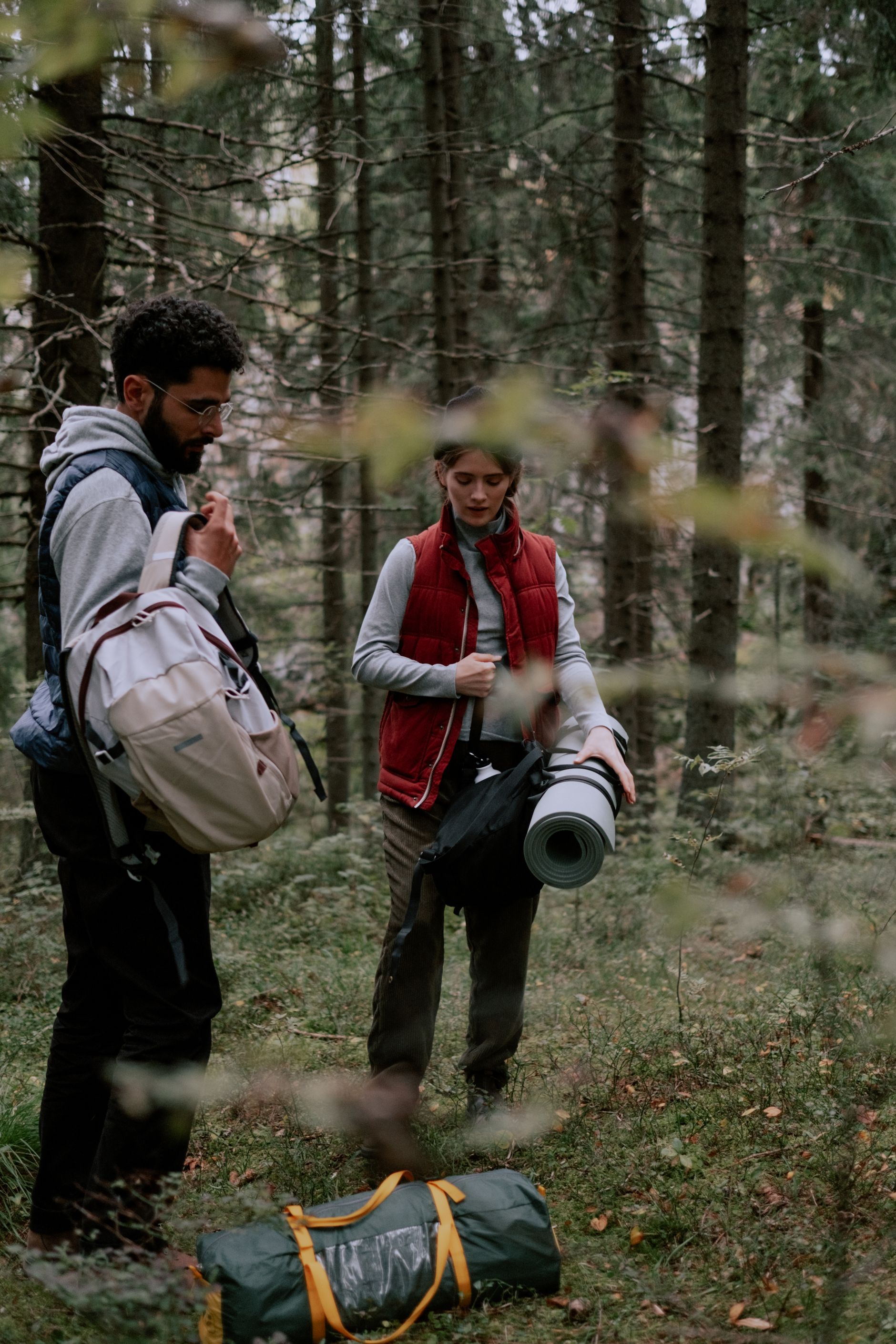
For plenty of Australian trips, a two-pad setup is the smarter buy. Put closed-cell foam underneath and an insulated inflatable on top and we can reach the practical zone without buying a giant, single-purpose mat that sulks in the shed for ten months. If we are car camping and space is cheap, a thick self-inflating mat such as the Zempire Monstamat Twin makes obvious sense. If we are walking, bulk and weight matter more than bedside comfort, so lighter stacked pieces often win.
Chasing the biggest number for bragging rights misses the point. We need enough insulation for the trip in front of us. Australian alpine cold is rarely Antarctica, but it still punishes lazy packing. Snowys notes that the average low in the Australian Alps rarely drops below -4 degrees Celsius, yet Charlotte Pass has recorded -23 degrees Celsius. Take the margin, not the panic.
“For alpine camping, it’s best to aim for an R-value of 6 or higher.”
The tent debate can get overcooked. A sturdier shelter helps with wind, condensation and morale, sure. Once the tent is competent, though, the bigger warmth gain usually comes from what is under us. We would spend the first serious dollars there, every time.
Aim for warm enough, not heroic
Another bad habit is panicked overpacking: too many layers, too much puff, then sweat inside the bag and a rotten few hours before dawn. Australian cold-weather camping is not a contest to see how much clothing we can drag into bed. It is a balance between insulation, dryness and a bag that suits the forecast.
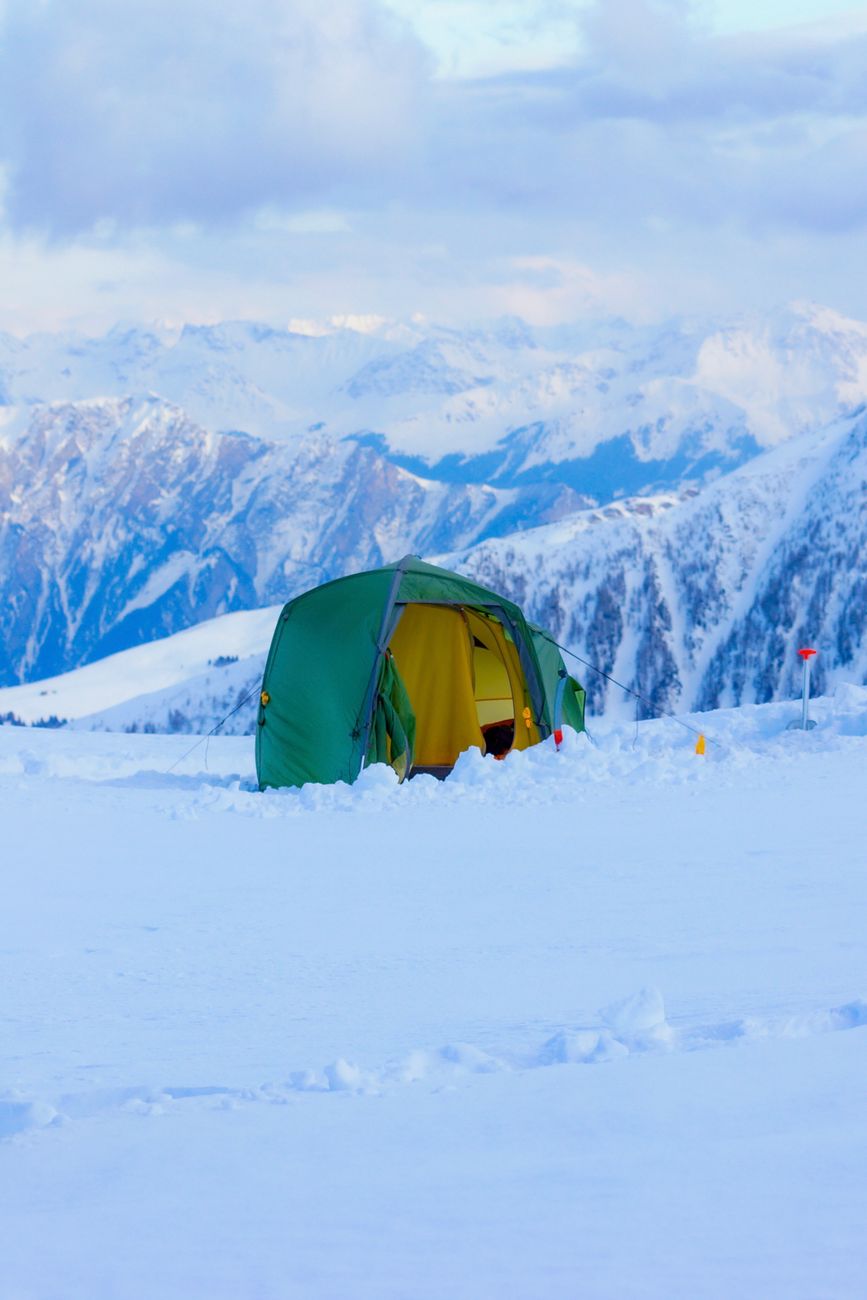
Snowys recommends a winter sleeping bag with a comfort rating around -5 degrees Celsius to -10 degrees Celsius. That sounds excessive if most of our camping is spring weekends and one optimistic Easter trip. In snow country, it is simply sensible. The trick is pairing the bag with clean, dry sleep clothes and enough restraint not to crawl in damp from the fire or the day’s walk.
Ed Zebrowski from REI puts the same point plainly.
“Winter camping is when you need to really pay attention to insulation ratings.”
Ed Zebrowski, REI sleeping-pad guide
Clothing follows the same logic. A dry merino base layer, proper socks and a beanie do more for comfort than the old-school urge to climb into bed wearing half the duffel bag. The Zorali winter gear checklist treats cold-weather prep like a systems check, which is exactly the mood. Spare thermals, dry gloves, backup socks, repair bits, spare batteries and an emergency blanket are not glamorous. Shivering until dawn is not glamorous either.
The awkward money question is which upgrade buys the most warmth per dollar. For most campers, it is usually the mat first, then the bag, then the nice-to-haves. Liners, hot-water bottles and fancy camp pillows all have a place, but none of them rescues an under-insulated sleep system. Give us slightly cool and dry over sweaty in an overloaded bag any night.
Car camping and walking are different sports
Winter-camping advice gets clearer once we admit that driving to camp and carrying camp are different sports. The bloke setting up ten metres from the ute can solve problems with thickness, fuel, spare blankets and a bigger stove. The person walking into the high country has to solve them with weight discipline, redundancy and fewer luxuries.

Snowys’ split between car campers and hikers is useful here. For drive-in camps, a fat self-inflating mat, a roomier tent, heavier bedding and serious cooking gear are all fair game. A liquid-fuel stove in cold conditions makes sense too. A proven workhorse like the MSR Whisperlite fits that brief because it is built for rougher, colder trips. Beside the vehicle, bulk and spares are allowed. Comfort is part of the strategy.
On foot, the maths changes quickly. Every extra bit of warmth has to earn its grams. A huge mat that feels brilliant in a campground can become dead weight on a climbing approach. That is where the stacked-pad advice earns its keep. A lighter foam-under-inflatable combination can buy enough insulation without turning the pack into a punishment. Same story with food and stoves: simple hot meals, reliable ignition and cold-friendly fuel matter more than campsite theatre.
Gear testing from outlets like Wirecutter and Wired keeps coming back to the same truth. The best sleep setup depends less on brand tribalism than on how we camp. Car-camping gear can be plush because the car is doing the hard work. Backpacking gear has to be choosier. Mix those categories carelessly and we end up cold, broke, or both.
Safety is the grown-up part of the story
This is the bit that gets waved away in bloke-world because it sounds less fun than sleeping bags and stoves. It is also the bit most likely to save the trip. In Australia’s alpine country, weather shifts quickly, daylight disappears early and little mistakes stack up when we are tired, wet and trying to prove we are fine.
Bushwalking Australia does not sugar-coat it. Dr Jeff McDonell’s warning belongs somewhere easy to find, preferably before anyone starts calling the forecast soft.
“Preparation saves lives. Don’t let schedules or timelines put you at risk.”
Dr Jeff McDonell, Bushwalking Australia
The basics are plain. Check the alpine forecast more than once. Leave a trip plan. Carry waterproof layers that stay waterproof. Take a PLB or satellite communicator if we are heading into serious country. Protect batteries from the cold. Have an exit option if the weather turns rotten or the track is slower than expected. None of this is dramatic. Good. Drama is usually where the rescue bill starts.
It matters more now because the Australian snow season is getting less predictable. Recent reporting from the ABC and analysis in The Conversation both point to alpine conditions shifting, with less reliable snow cover and more swings between cold snaps, rain and thaw. For campers, the old assumption that a winter trip will behave like a tidy brochure version of winter deserves the bin. Shoulder seasons get messy. Rain on snow can be worse than neat, dry cold. Wet gear is still the fastest path to a bad night.
So the better question is not whether we can tough out a cold camp. Most of us can, for a while. The better question is whether the trip still works when the mat gets damp, the gloves stay wet, dinner takes longer than planned and the wind lifts after dark. If the answer is no, the fix is preparation, not bravado.
Cold-weather camping in Australia is still worth doing. Some of the best trips we get are the quiet ones: frosty mornings, no insects, the stove ticking away, that first cup of coffee doing honest work. The version that feels good is rarely built on swagger. It is built on an insulated mat, a properly rated bag, dry layers, a sensible stove and the humility to treat alpine weather like it means what it says.
If we were packing tonight, we would keep the rule simple. Start with the ground. Get the bag right. Separate car-camping luxuries from hiking necessities. Then do the boring safety stuff before it becomes the important safety stuff. That is how we stop winter camping from turning into a long lesson in avoidable regret.
The DudeWorld brief
BBQ, tools, camping and footy — the good stuff, weekly in your inbox.
Subscribe