A Pub, a Whisky Shelf and One Last Crack at Saving Hill End
Hill End pub revival needs more than reopened taps. The old gold town needs beds, dinner and a reason for weekenders to stay the night.
Come into Hill End on a cold Saturday and the heritage plaques are not the first thing on your mind. The body wants a front bar. A feed. Somewhere to stand for ten minutes while the road noise leaves your shoulders. So the push to lease 16 buildings across the old gold town has a bit more bite than the usual old-building yarn. Forget the lease paperwork for a moment. Can anyone turn Hill End back into the sort of country stop that makes a bloke look at the keys and say, stuff it, let’s stay?
Visitors feel that first, but locals live with it. Anyone who has detoured for a better pub than the servo down the highway knows a town without a working local feels unfinished. Hill End can still draw the history crowd and sell the gold-rush romance. After about 4pm, though, the place has to feel lived in rather than admired from the footpath.
A colder read keeps the romance honest. Hill End has about 110 residents, and the same regional travel market it wants has been patchy enough that other country towns are still sweating on grey nomads and drive-through traffic. Nice bar story? Easy. Viable weekend economy? Much harder.
A pub is infrastructure, not decor
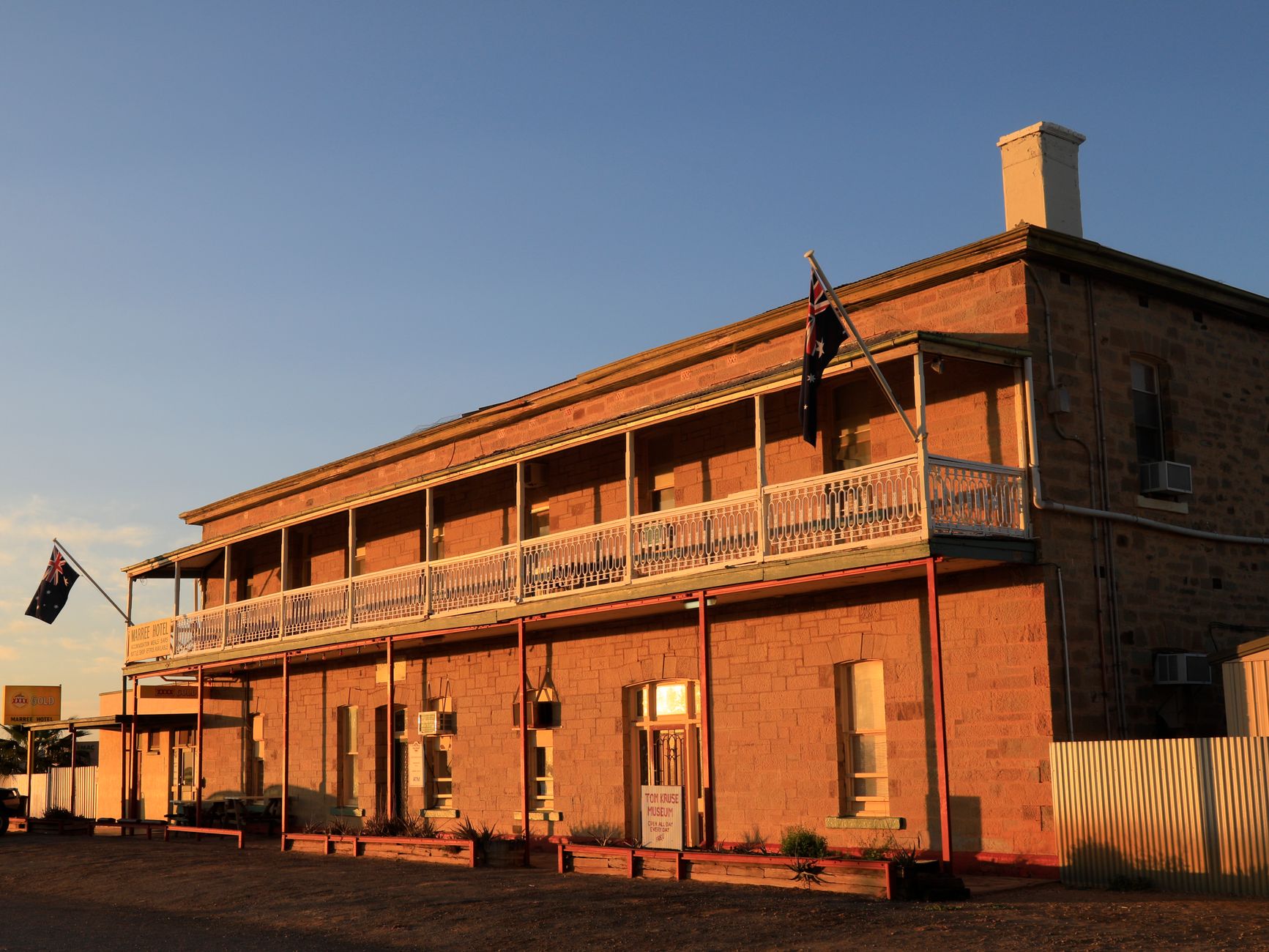
Hill End’s strongest comeback case is also the least glamorous. In a tiny town, the pub is the check-in desk, dinner option, social noticeboard, weather report and decision point for whether you push on or grab a room. When the Royal Hotel closed temporarily last year after roughly 150 years, locals did not need much prompting to explain what it did to the town’s pulse.

“If our pub isn’t open and serving beer and hospitality by that point, I believe the recovery period will be exponentially long from there.”
Jim Rutherford, via ABC News
Sounds dramatic until you think about how country trips actually work. Most of us do not drive two or three hours for the abstract pleasure of “heritage”. A decent lunch helps. So does a room with some character, a front bar worth settling into and enough life around the place that the kids, the dog or the mates do not start asking how soon you are leaving.
Hill End already has the bones for that kind of stop. The Visit NSW pitch for the village leans into gold-rush history, old buildings and the wider Bathurst run. Fair enough. Tourism copy will not keep the lights on at night. Beds, meals and a reason to stay for a second drink might.
The offer only works if somebody runs it like a pub
The insider view is more useful here than another wistful chat about heritage. NSW National Parks and Wildlife has spent about $5 million over five years on the village, including $1.5 million on the Royal Hotel, which tells you the government knows the buildings matter. It also suggests the public sector has reached the point where somebody else has to do the living part.

“We’ve been renovating buildings, we’ve been offering them as short-stay accommodation, but this isn’t our core business,”
David Crust, NSW National Parks and Wildlife Service, quoted by ABC News
Crust’s line is the hinge. The state can patch roofs, stabilise walls and keep a heritage asset from falling over. It cannot fake hospitality. Warm rooms, competent service and that small buzz of a place being used properly have to come from an operator.
Cara George’s pitch matters for that reason, even if it sounds modest on paper. In the current lease push, she is the prospective operator talking about a whisky and tapas bar. Strip the lifestyle-mag gloss off it and a hard business point is sitting underneath. Hill End does not need a nostalgia theme park. It needs a reason for someone to arrive late Saturday, order something stronger than a middy, eat well enough to justify not driving home, then wake up and linger.
“We couldn’t be the town with no beer,”
Cara George, via ABC News
Exactly. In 2026 country Australia, “beer” usually has to mean more than one tap line and a sad freezer basket. As recent reporting on changing pub culture in the Riverina showed, the modern country pub has to stretch a bit. Coffee matters. A half-decent wine list matters. Give the designated driver something better than a warm Coke while you are at it. A whisky shelf in Hill End is not frippery if it nudges the place from stopover to destination.
Scale helps too. The hotel includes a bar, kitchen and 20 beds, which puts it ahead of many romantic pub-revival dreams before the first keg is tapped. A potential operator is not asking a tiny front bar to carry the whole town. If the rooms are clean, the kitchen works and the publican understands what weekenders want after a long drive, there is a package there.
Weekenders have to stay, not just take a photo
Here is the analyst question in plain clothes: does Hill End have enough demand? Probably not if the plan relies on day-trippers grabbing one coffee, photographing the old stonework and rolling out by 2pm. Maybe yes if the offer is built around people already moving through central NSW who want a low-fuss overnight with a story attached.

Plenty is already working in its favour. The village sits in the part of the state where people do weekend loops for wineries, pub lunches, camping runs and aimless winter drives. Its identity is stronger than most small places ever get: old gold town, big history, odd relics, painters, mine shafts, cemetery, pub. You can sell that. You just cannot sell it as a museum brochure and expect blokes in dual-cab utes or couples in borrowed city fleeces to hand over the card.
We are not alone in that instinct. In Australian road-trip coverage built around country pubs, the stop itself is the story. That is exactly the lane Hill End has to own.
Friction is the enemy. A hot meal fixes some of it. A bed upstairs fixes more. One extra whisky instead of one takeaway coffee changes the spend. Breakfast that does not feel like an afterthought would help as well. So would a front bar with enough character that the room rate feels fair rather than charitable.
The same pressure is showing up elsewhere. Other remote towns trying to revive themselves are leaning on the same idea: a few key buildings have to do more than exist. They have to anchor an economy. In Hill End, the pub is the anchor tenant for the whole fantasy. When it feels alive, the mine tours, cottages and rest of the village get a lift. When it feels half-open and ceremonial, the town stays a beautiful place to leave.
Timing gives Hill End a small opening. Regional tourism operators are still working to convert slow-season traffic, so this place does not need to beat the coast on volume. It only needs a few extra winter detours from Bathurst way, a few art-and-history weekends, a few blokes who want a fire, a good pour and a room with floorboards older than Federation.
A town only comes back when it feels used
Locals and repeat visitors come back to the same test. People who care about Hill End do not need another lecture about its significance. They need signs of life. The Royal has to be more than technically available; it has to stitch the town together again.
That is why the morgue and the mine make headlines while the pub tells the real story. Nobody bases a weekend away on the morgue, no matter how good the yarn is down the track. The pub changes behaviour. Locals bump into visitors there. Tour operators send people there at day’s end. Somebody books “just one night” and then studies the breakfast menu before deciding whether to linger.
We would not oversell the whisky-bar angle on its own. Good bottles will not rescue a town if the fundamentals are crook. Hill End still needs competent operators, enough days open to build trust, food worth ordering and rooms that feel clean rather than merely historic. Country travellers are generous, but only once. Burn them with thin service or odd hours and the detour becomes a warning story over the next barbecue.
Our basic DudeWorld pub test is simple. If we are doing a winter run through central NSW, would we pull off for Hill End if the Royal had a warm bar, a tight menu, a couple of well-priced drams and a room upstairs? Yes, without much hesitation. Would we do it for heritage buildings alone? Not a chance.
That is the bet sitting under Hill End’s lease push. The old gold town can be maintained. It already has been. The harder job is making it feel alive after dark, when the day-trippers have gone and the only thing that matters is whether a place can still hold people. A proper country pub has done that job for generations. Hill End needs one to do it again.
The DudeWorld brief
BBQ, tools, camping and footy — the good stuff, weekly in your inbox.
Subscribe