Bucks party ideas: how to plan one nobody regrets
Bucks party ideas work best when the groom sets the brief, the budget is capped early and the schedule stays short enough that mates actually enjoy it.
The best bucks party is not the one that goes hardest. It is the one the groom actually wants, the one his mates can afford, and the one nobody is still apologising for on Monday.
Obvious, yes. Then the group chat starts treating “bucks party” as code for chaos. The The Bucks Co guide to bucks parties in Australia gets the useful bit right: work out whether the groom wants low-key, active or properly loose, then build around that instead of around the loudest bloke with a phone.
Cost will kill the mood if nobody names it early. A recent CNBC report on the return of the one-night-only bachelorette put average spend at about US$1,300 in 2025. A MarketWatch column on wedding costs piling up showed how quickly wedding season becomes a financial flogging. Different event, same problem. Make the bucks expensive by default and mates either bail or arrive already annoyed.
Plenty of people are ditching the old script too. Vogue’s look at the rise of the joint bachelorx party argues that more pre-wedding parties are moving away from the performative send-off and toward something that suits the couple and their friends. Fine by us. Every bucks does not need to become a mixed-group weekend. The plan just has to fit the actual bloke getting married.
TL;DR
- Start with the groom’s brief: low-key, active or big night.
- Set a hard per-head cap before anything gets booked.
- Pick one main activity and one easy finish, not a five-stop crawl.
- Invite wedding people first, pub mates second.
- Give people an exit ramp so older mates, interstate mates and dads can still show up.
- If the group is already mixed, a shared event can work better than forcing a wild one.
Start with the groom, not the group chat
Most bad bucks parties go wrong before anyone has bought a beer. The common mistake is letting the loudest bloke in the WhatsApp thread decide what “epic” looks like, even if the groom would rather have a feed, a few drinks and one proper activity than spend 14 hours being marched around town.

Ask three questions before booking anything. What does the groom actually like doing? What does he hate? Which part of the day matters most: the activity, the dinner, or the late-night nonsense after everyone is half cooked? “One decent afternoon and a steak” is a perfectly good brief. So is “go-karts, pub dinner and home by midnight”.
For the best man, the job is not to invent a wild concept. It is to cut away the rubbish until the plan has one spine. Once that is clear, the other calls get easier: suburb, group size, spend, transport, finish time.
“The golden rule? Don’t invite anyone who isn’t invited to the wedding.”
Source: The Bucks Co, What is a Bucks Party?
Read that as etiquette dressed up as logistics. Keep the guest list tied to the wedding, keep the mood tied to the groom, and most of the nonsense falls away.
Three lanes cover nearly every decent plan:
- Low-key: pub lunch, whisky tasting, backyard barbecue, poker at a mate’s place.
- Active: go-karting, golf, paintball, fishing charter, brewery tour.
- Big night: dinner first, booked venue second, a transport plan home, and no mystery final stop.
None of this is organisation theatre. It stops the event turning into a vague promise that somehow costs too much and still disappoints the groom.
Set the budget before anyone books a thing
Money is where resentment sneaks in. Not because mates are stingy. Because wedding season already hits hard, and the bucks party is rarely the only thing people are paying for.

A budget-conscious guest is doing maths, not being difficult. Travel, accommodation, a gift, maybe a new shirt, maybe child care. One more loosely defined expense can be the thing that knocks him out. CNBC’s reporting on simpler pre-wedding parties framed the appeal neatly: the one-night version cuts the expensive fluff and leaves the bit people remember.
“You just come, have one perfect night and leave.”
Source: Mackenzie Newcomb, quoted by CNBC
Good event design works the same way, even if that example came from bachelorette planning. People are far more likely to say yes early, then enjoy themselves, when they understand the plan, the cost and the moment they can head home.
Start with the cap, then build backwards. Decide whether the per-head number covers the activity, food and a first drink, or whether drinks are pay-as-you-go after the formal bit. Say what is included. Hidden extras are how a normal bucks turns into a grumble-fest.
Payment friction matters more than planners admit. If one person is chasing activity deposits, another is guessing dinner numbers, and half the group is splitting Ubers in six directions, the night feels messy before it starts. One bill up front for the booked part, then optional spending later, is usually cleaner.
MarketWatch’s wedding-spend piece was about the bigger toll of repeated celebrations, not bucks parties alone, but the mood carries across. People are watching costs now. Budget discipline is part of the etiquette, not the boring admin bit.
Pick one main activity and one easy finish
Decent bucks parties have shape. They do not have 11 calendar entries. For most crews, one proper anchor activity and an easy food-and-drinks finish is enough.
Picture the groom who wants a decent night, not a recovery week. He does not need a “surprise” that burns half the afternoon, another one across town, then a compulsory club finish he never asked for. He needs momentum. Pick the thing the group will talk about later, then give it room.
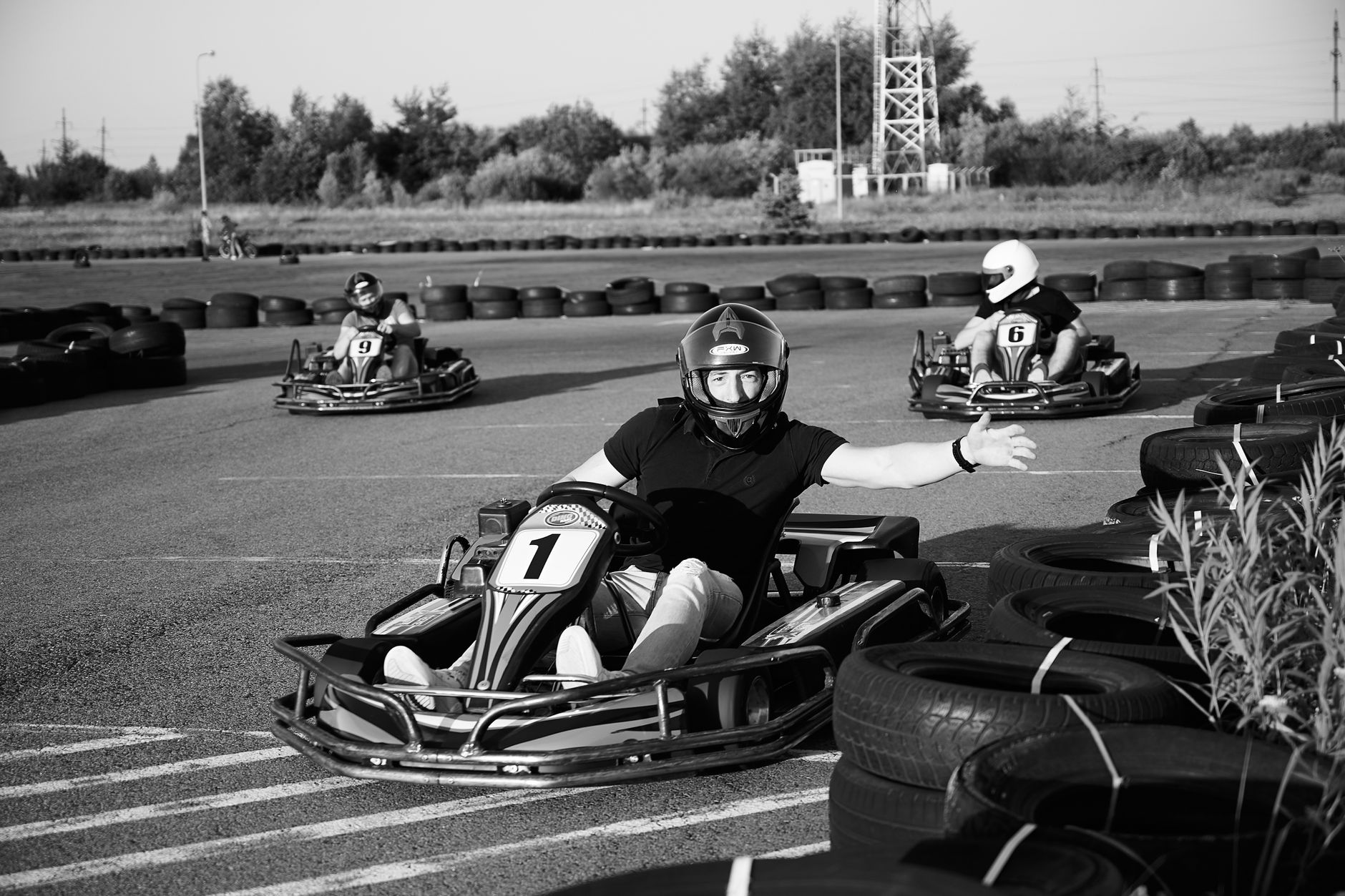
For a competitive groom, go-karting gives the day a centre and creates a bit of banter without requiring everyone to pretend they love dancing until 3 am. Food-and-drink types are usually better served by a whisky tasting and a proper dinner. Grill bloke? A backyard barbecue with better-than-average meat and someone else doing the shopping can be the whole show.
The Bucks Co’s own examples run across that spread, from food-and-drink nights to adventure stuff like axe throwing. Treat those ideas as prompts, not a checklist. Axe throwing is fine if the groom would enjoy it. If he would rather talk rubbish over a steak and a neat pour, it is just expensive noise.
A clean run sheet might be this simple:
- Activity at 2 pm.
- Buffer to shower or regroup.
- Dinner or pub table by 6:30 pm.
- Optional late leg for whoever still has petrol left.
Optional is the word doing the work there. It lets older mates, interstate mates, blokes with kids and anyone on a tighter budget join the main event without feeling like they are failing the brief by leaving before the wheels come off.
Guest list and run sheet beat gimmicks every time
A flashy idea cannot rescue a bad mix of people. Put the wrong room together and the night feels wrong from the first shout.
The best man wants turnout and momentum. The groom wants to look around and see his actual people, not three randoms from an old job and a cousin who was invited because somebody felt awkward. This is why the wedding-list rule matters. It keeps the event emotionally coherent.
Chemistry beats status. Who can handle an early start? Who always goes missing when a booking is involved? Who needs a clear finish time because he is coming from the other side of town or heading back to the family after? A little realism is kinder than fake inclusiveness.
Shape the run sheet around that reality. Start on time, but not stupidly early. Leave dead space between the activity and dinner. Book somewhere that can handle the group size. Share the key details in one message: where to meet, what it costs, what is included, dress expectations if there are any, and when the formal bit ends.
Do that and the whole thing feels calmer. Nobody is fielding six separate texts about cash, dinner, dress codes or whether the late venue is locked in. Bad planning makes grown men act like they have never left the house before. Good planning prevents it.
When low-key or joint formats are the smarter call
Not every groom wants the old-school version, and not every friend group is built for it. A smaller format can be the smarter move. So can a softer one. Sometimes a mixed event suits the actual social circle better than a forced split.

Plenty of pre-wedding rituals were built around an older idea of what a men’s night had to prove. A lot of blokes do not care about proving any of that now. They want a story, a laugh, a marker before the wedding, and maybe one excellent meal. That is enough.
“More and more now it’s not about being wild without your fiancé, it’s about having a great time with your friends.”
Source: Casey Lozano, quoted by Vogue
Do not read that as an instruction to turn every bucks into a co-ed mini wedding. Read it as permission to match the event to the people involved. If the groom and his partner share a big chunk of their mates, a joint day session or shared dinner can make sense. If the groom wants time with his own mates, keep it separate. Fit beats trend.
Low-key earns its keep here. Plenty of supposedly “small” bucks parties are better because people stay present. They can hear each other, they are not bleeding money, and the groom does not spend the next day piecing together whatever happened after midnight. A pub room, a barbecue, a whisky flight, a hired house with decent food and a card table: none of that sounds flashy, but plenty of it sounds memorable.
Shorter formats are kinder to the guest list too. CNBC’s one-night framing works because it recognises how people live now. Jobs are busy, flights are dear, plenty of mates have kids, and not everyone wants to burn a whole weekend to prove they are still up for it. A six-hour plan people can attend beats a two-day epic that collapses under its own ambition.
Our rule of thumb
If we were planning a bucks party tomorrow, we would use one sentence as the filter: does this make the night better for the groom, or just busier for everyone else?
Keep the bits that make the night better. Bin the bits that are only there because somebody thinks a bucks has to look chaotic from the outside. That usually leaves the right bones: the right people, one proper activity, a clear spend cap, a decent feed, and an exit ramp that lets the night end well instead of simply ending late.
Nobody remembers the spreadsheet. They do remember whether the groom looked relaxed, whether the group clicked, and whether the whole thing felt like him. That is the target.
FAQ
How far ahead should we plan a bucks party?
For anything with a booking attached, lock the date early enough that interstate mates and dads can organise their lives around it. The exact lead time depends on the group, but give people the date and expected spend before asking for deposits.
Who pays for the groom?
Most groups cover the groom somehow. The cleanest version is deciding that upfront and baking it into the budget, rather than springing it on everyone after three rounds. If the groom is being covered, say so in the first planning message.
Does the groom need to approve the guest list?
Yes. Not necessarily line by line in a formal meeting, but yes. He should sign off before the invite goes out, especially if there are old mates, work mates or family overlaps that could get awkward.
Can a bucks party be low-key?
Absolutely. In a lot of cases it should be. A pub lunch, tasting, barbecue or one solid activity plus dinner is often better than an overbuilt all-nighter because more people can come and the groom actually enjoys himself.
Is a joint bucks and hens event a terrible idea?
Not by default. If the couple already shares a big social circle and likes the idea, it can work well. If either side wants their own time with their own mates, forcing a joint format usually solves nothing. Fit the plan to the people, not the trend.
The modern bucks party does not need more chaos. It needs a clearer brief. Get that right and the rest is mostly trimming.
The DudeWorld brief
BBQ, tools, camping and footy — the good stuff, weekly in your inbox.
Subscribe