Ozempic eye warning: TGA flags rare blindness risk
Ozempic eye warning: Australia’s TGA has added a rare blindness-linked condition to labels for Ozempic, Wegovy and Mounjaro.
If you are using Ozempic, Wegovy or Mounjaro and your vision suddenly goes in one eye, do not file it under wait-and-see. That is the useful bit in the TGA’s latest warning on GLP-1 medicines. The regulator has linked the drug class to a rare optic-nerve condition called non-arteritic anterior ischaemic optic neuropathy, or NAION.
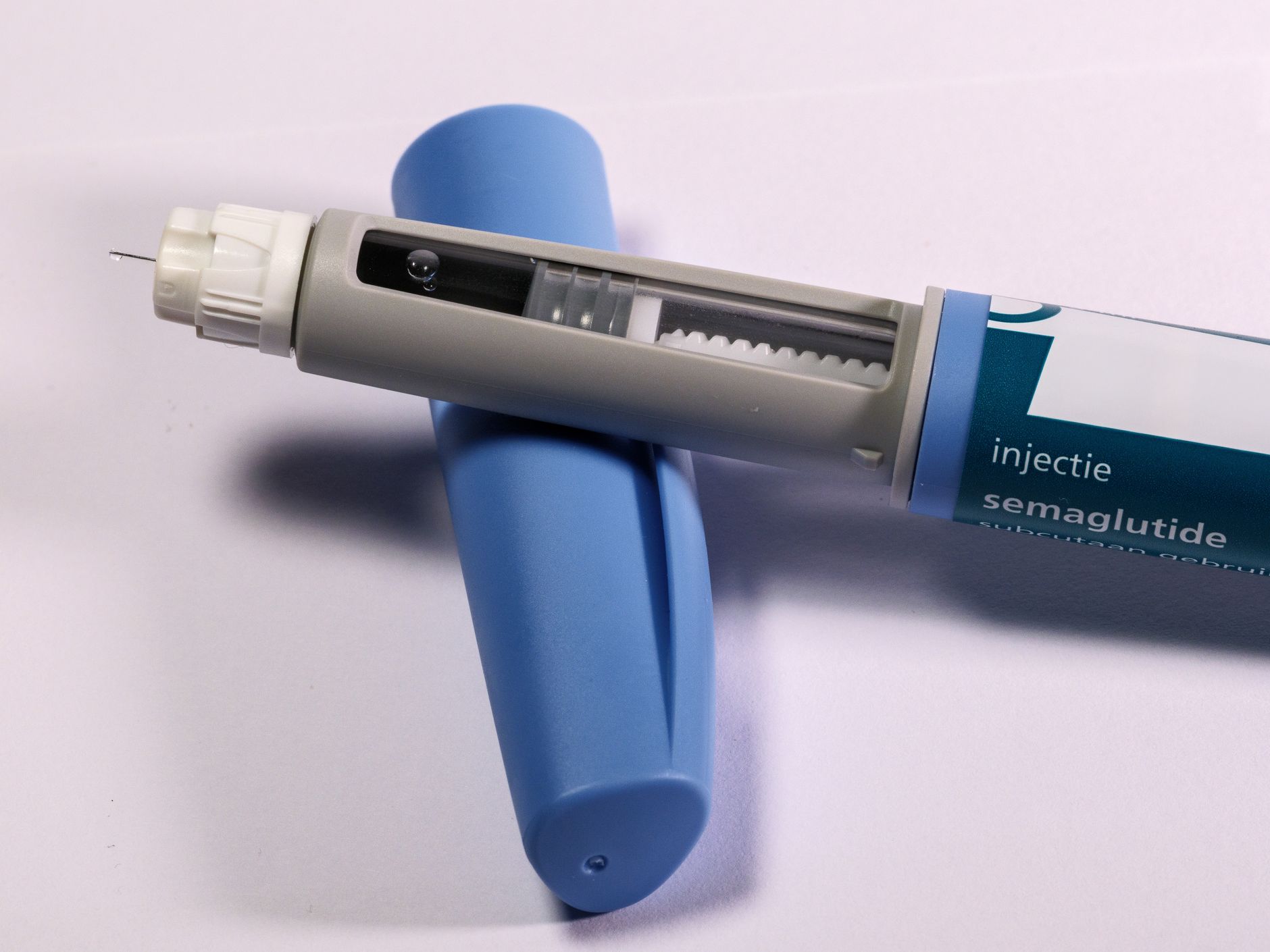
An ABC News report says the Therapeutic Goods Administration has updated product information for semaglutide medicines including Ozempic and Wegovy, tirzepatide sold as Mounjaro, and liraglutide products. The Guardian also reported the Australian warning, describing NAION as a rare but severe eye disorder now attached to the drug class. Nobody is saying every bloke on a weight-loss jab is suddenly in strife. The point is more boring, and more useful: the risk now belongs in the paperwork, where patients and doctors can see it before a symptom gets waved away.
“NAION may result in permanent visual impairment, including blindness, and no treatment has been shown to improve visual acuity outcomes.”
TGA, via ABC News
NAION happens when blood flow to the optic nerve drops suddenly. It can land fast. The ABC report says about 70 per cent of patients do not recover their vision, while the European Medicines Agency has put the side effect in the very rare bucket, at roughly 1 in 10,000 patients. Tired eyes after a long night are one thing. Sudden vision loss is another.
The local numbers remain small, which is why the warning needs a cool head rather than a panic scroll. There have been 36 Australian adverse-event reports tied to GLP-1 drugs: 23 involving semaglutide, 10 involving tirzepatide and three involving liraglutide. Those reports do not prove the medicine caused every case. They do give the TGA enough reason to write the risk down while these drugs keep moving from diabetes clinics into everyday weight-loss chat.
For anyone treating Ozempic-style jabs like ordinary health gear, the job is to know the downside even when the odds are long. Centre for Eye Research Australia optometrist and vision scientist Dr Flora Hui told ABC News that informed choices matter because the risk, while small, is real.
“There is a small risk of developing NAION with these drugs so making informed choices are important.”
Dr Flora Hui, via ABC News
The evidence still has a messy bit. Is the drug driving the problem, or are researchers seeing eye-risk that already sits with some of the conditions these medicines treat? The TGA has pointed to a JAMA Ophthalmology study involving 17,000 US patients. University of Melbourne metabolic neuroscientist Professor Garron Dodd told ABC News the evidence is still mostly retrospective, and that separating the medicine from the underlying condition is the hard part. That caveat matters because diabetes, vascular risk and weight-loss treatment can all crowd into the same patient story.
So treat this as a practical warning, not a verdict on the whole GLP-1 category. The TGA has kept the drugs on the market, and the signal is still rare. The change is that Australian patients now get a clearer eye-risk warning in the official material. If your vision changes suddenly while you are on one of these medicines, get medical advice quickly. Do not leave it to forum blokes, gym chat or a Monday-morning shrug.
Tommo splits his weekends between the high country and the footy. He writes about camping, 4WDing, fishing and the general business of being a husband and dad who still gets a leave pass. Drives a diesel he refuses to shut up about.
The DudeWorld brief
BBQ, tools, camping and footy — the good stuff, weekly in your inbox.
Subscribe