AusAlert rollout 2026 still leaves state warning quirks
AusAlert rollout starts in October 2026, but states can still run separate warning systems, which matters when you're relying on your phone outdoors.
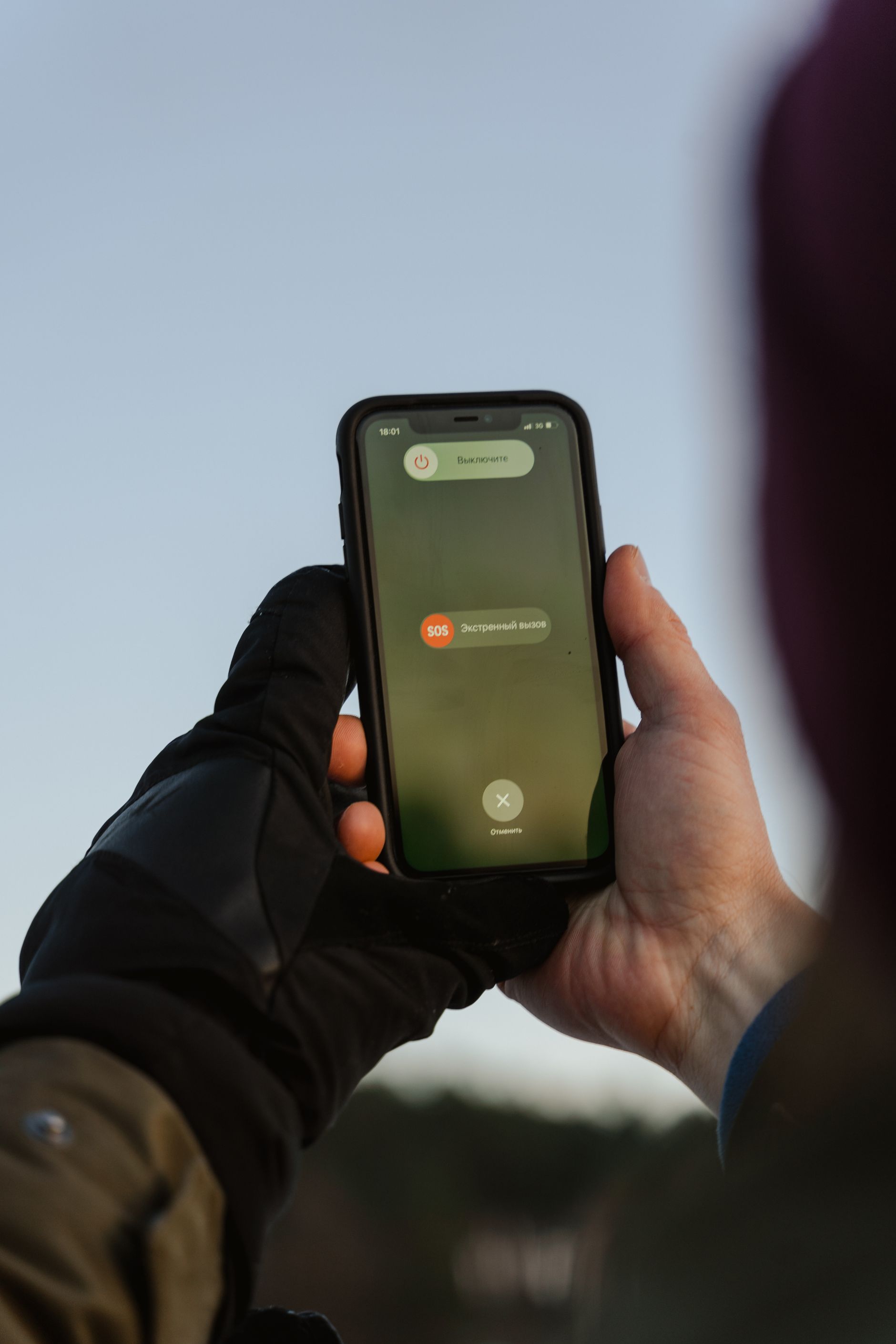
AusAlert is supposed to make emergency warnings easier to spot on Australian phones from October 2026. The system can target an area down to 160 metres, which sounds handy when a storm cell, fire front or floodwater is moving faster than your plans. The catch, as ABC News reported, is that states and territories can still keep their own warning systems running beside the national one.
That is the part worth paying attention to if you actually rely on the phone in your pocket. A warning only earns its keep when it turns up quickly, reads clearly and tells you what to do while there is still time. If you are towing, camped inland or trying to beat weather home, the machinery behind the alert is beside the point. The ABC reported that only 12 per cent of Australians still had landlines last year, and just 2 per cent relied on one, so the old fallback is not much of a fallback anymore.
On the tech side, the upgrade looks useful. NEMA says AusAlert will go live in October, use a distinct 10-second tone and target people inside a defined area rather than blasting a whole region. A national test is booked for 2pm AEST on Monday 27 July 2026. That should give people a proper dry run before the next grim fire day, flood emergency or cyclone warning.
Control is where it gets less tidy. The federal government is rolling out the platform, but state and territory emergency service agencies still choose which system to use when the pressure is on. Better phone alerts, yes. Identical local workflows from day one, no.
“Obviously, it would be great if we could use both systems to make sure that people are getting advice and notification if we need to advise people in those critical alert situations.”
Kristy McBain, via ABC News
McBain also told the ABC that whether agencies use one system, both systems or a mix “will be a decision for emergency service agencies who are in control of whatever that disaster may be at the time.” From an operations desk, fair enough. From the public side, it is messier. A national name like AusAlert sounds like one-button consistency, but the rollout is closer to a stronger national layer sitting over state-by-state habits.
There is a short backstory here. In February, the ABC reported that Australians would start receiving trial alerts in July as the system moved toward national use. That was the mechanics test. This week’s wrinkle is what happens after the mechanics work: choices can still shift with the state you are in and the agency running the incident.
For DudeWorld readers, none of that makes AusAlert a dud. It should help, especially if you rely on a mobile while travelling, fishing, boating or camping away from a lounge-room telly. Just do not mistake one national brand for proof that every state has thrown out its own warning setup. In calm weather, that distinction is background noise. When fire, flood or wild weather is moving, it can shape how quickly a warning cuts through and how much trust you put in the next one.
The July test is the first public proof point. If it lands cleanly on your phone, great. Treat it as a useful upgrade, not a magic switch that makes emergency warnings standard everywhere.
Tommo splits his weekends between the high country and the footy. He writes about camping, 4WDing, fishing and the general business of being a husband and dad who still gets a leave pass. Drives a diesel he refuses to shut up about.
The DudeWorld brief
BBQ, tools, camping and footy — the good stuff, weekly in your inbox.
Subscribe