NSW abalone ban threat: 350km South Coast shutdown
NSW abalone ban threat now spans 350km of the South Coast, with a 41 per cent catch cut and illegal take pushing the fishery to the brink.
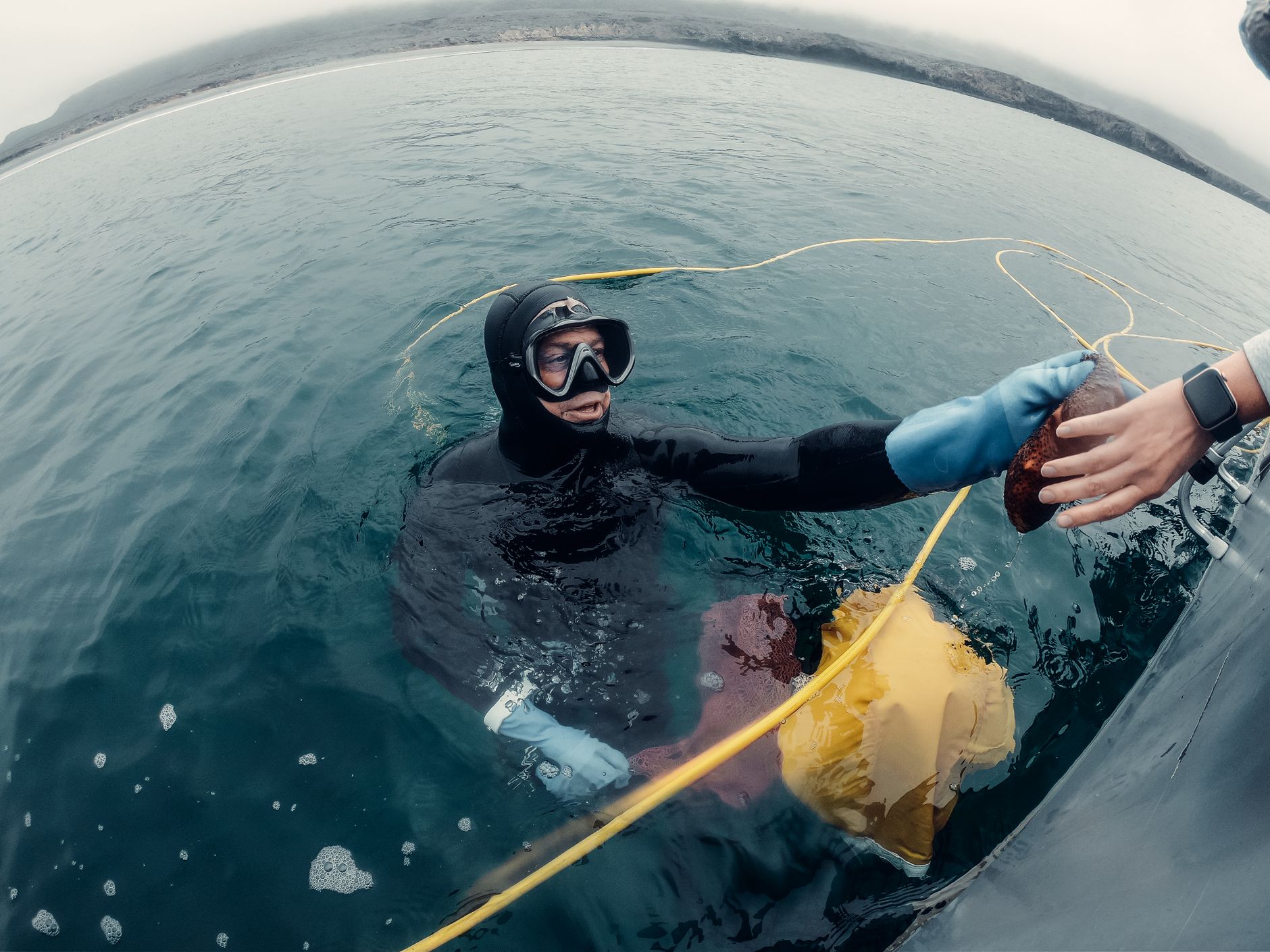
NSW may close commercial abalone fishing along about 350 kilometres of south-coast water, from Bundeena down to Eden. Not a tidy little quota argument, then. For south-coast towns, lawful divers and fishos who notice these shifts early, the warning is fairly stark: one of the state’s small but serious fisheries has moved from pressure into something close to collapse.
The timing is ugly. The allowable catch for 2026-27 has already been cut by 41 per cent, while illegal take is still estimated at 25 to 35 tonnes a year. Legal operators are being hit from both sides: fewer abalone left to take, and a black-market haul the state still has not properly beaten.
You do not need to dive for abalone to see why that matters. When a tightly managed fishery starts talking about a shutdown across half the coast, it is rarely one dud season. Usually the stock has been under strain for years, enforcement has lagged, and everyone has spent too long arguing over the bill.
Closure talk lands harder than another quota tweak because abalone is already tightly controlled in NSW. If that system still ends up here, coastal readers are fair to ask how long the stock slide and poaching problem were left to drift.
Abalone Association of NSW chair Stephen Bunney told ABC the sums no longer work for operators trying to fish legally.
“It’s certainly no longer commercially viable.”
Stephen Bunney, ABC News
Every cut bites in an industry this small. The June quota decision landed on 41 shareholders, and some are now pushing for a voluntary buyout valued at $4,200 a share. Once the conversation turns from riding out a lean season to buying licence holders out, it is no longer business as usual.
NSW Agriculture Minister Tara Moriarty says the government wants a science-led reset and stronger action on poaching, rather than a slow slide into managed decline.
“Illegal harvesting undermines sustainability and the livelihoods of lawful fishers.”
Tara Moriarty, NSW Government
For the blokes doing it by the book, that is the sore point. A lawful diver can be told to wear a 41 per cent cut while the illegal trade still removes tens of tonnes, and coastal businesses downstream wear it as well. Less legal catch means less work for boats, processors and exporters. It also gives younger operators one more reason to walk away from a fishery that already looks shaky.
There is a cultural-fishing piece here, though it should not swallow the whole story. South Coast native title applicant and Aboriginal cultural fishing advocate Wally Stewart told ABC local Aboriginal take is nowhere near commercial scale.
“We’d be lucky to take 2 tonnes a year between the whole mob up and down the South Coast.”
Wally Stewart, ABC News
For now, the state is talking reform, consultation and science. The industry is saying something plainer: at current settings, the fishery does not pay. Same water, very different read, and the next decision matters.
Coastal readers should keep an eye on the shutdown debate before the paperwork is finished. A 350-kilometre closure would do more than redraw a map for abalone divers. It would show that one of NSW’s distinctive south-coast fisheries has been pushed to the point where the legal industry, the regulator and local communities are fighting over what is left.
Tommo splits his weekends between the high country and the footy. He writes about camping, 4WDing, fishing and the general business of being a husband and dad who still gets a leave pass. Drives a diesel he refuses to shut up about.
The DudeWorld brief
BBQ, tools, camping and footy — the good stuff, weekly in your inbox.
Subscribe