Footy brain injuries: the low-tech fix is less contact
Footy brain injuries are not just about the big knockout. The bigger fix is fewer repeat hits in junior sport and contact training.
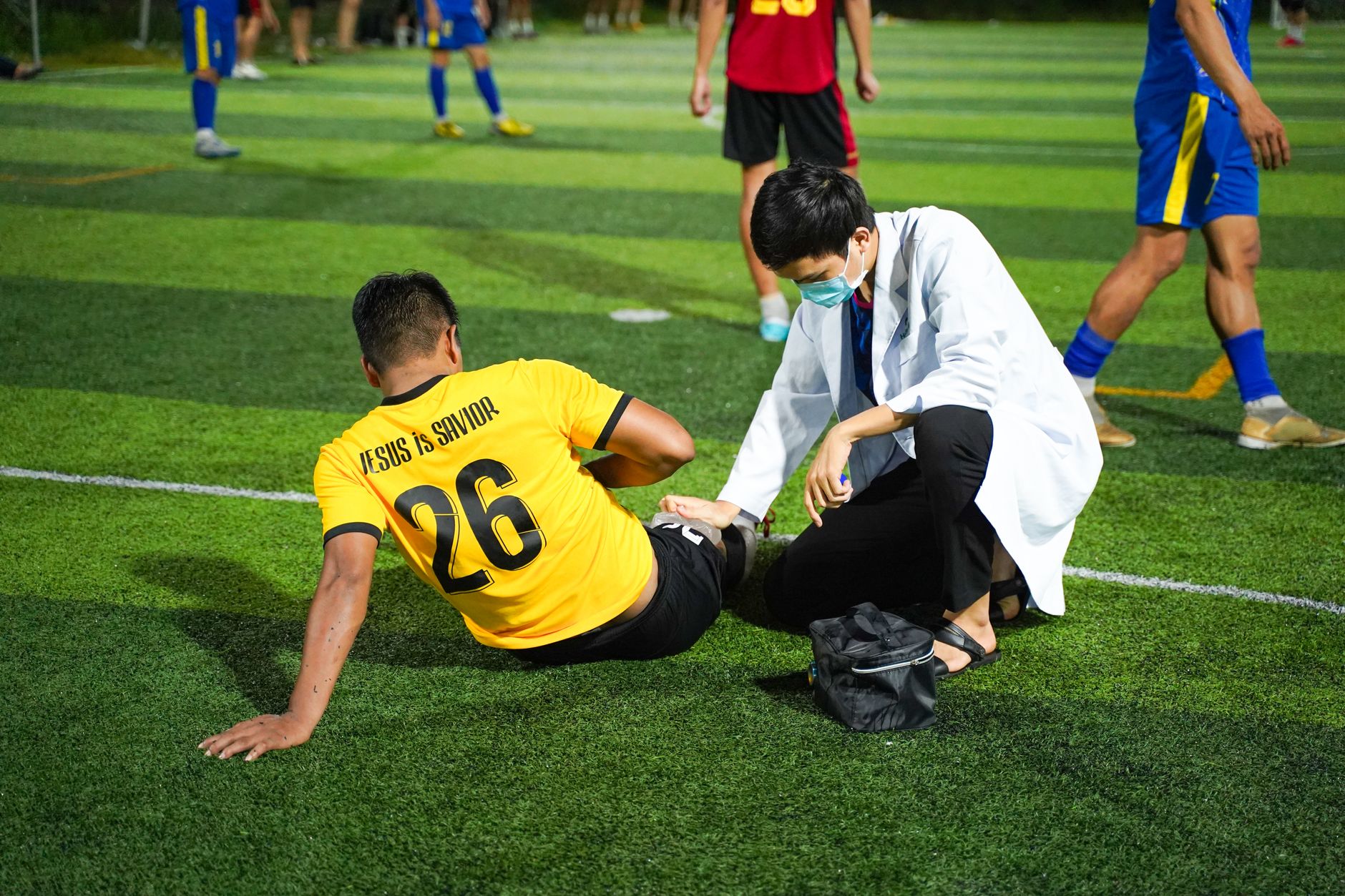
Every Aussie footy family knows this version of the story. A kid gets clipped in a marking contest, everyone goes quiet for a minute, the trainer trots out, and the whole ground waits to see whether he stands up straight. That’s the dramatic part. We have got reasonably good at noticing it.
Harder to spot is the stuff nobody claps for and nobody replays on the big screen: the extra body contact in Tuesday training, the under-10s learning to tackle before they can really protect themselves, the headers that look harmless because nobody drops. For all the talk about concussion protocols, the practical fix for sport-related brain injury is duller than that. Less repeated head contact, full stop.
Right there is the tension. Alan Pearce’s analysis for The Conversation makes the insider case bluntly: if chronic traumatic encephalopathy is a disease of exposure, reducing exposure has to matter more than looking busy after the damage is done. Administrators across the AFL and Football Australia still have to answer the less comfortable question: how do you make smaller, less macho rule tweaks stick at community level without turning the whole thing into another bit of safety theatre?
The bigger risk is the little hits
For years, we have treated brain injury in sport like a problem of big moments. A nasty knockout. A player failing the sideline test. A grim press conference on Monday. The trouble, as ABC’s reporting on 33 former Australian Rules footballers diagnosed with CTE made plain, is that the long-tail risk does not begin and end with those obvious incidents. Repeated sub-concussive hits count too. They stack up over seasons, not highlight packages.

Concussion theatre now feels increasingly beside the point. Return-to-play rules matter, obviously. Same for spotters, doctors and clubs taking a wobble seriously. Leave the weekly load untouched, though, and we are mostly improving the ambulance at the bottom of the cliff. Pearce is not arguing that one big hit is fine. He is pointing at the quieter accumulation story sport has preferred to dodge because it asks for behaviour change instead of gadgetry.
The solution is not necessarily glamorous, it’s not tech related, it’s not sexy. It basically is reducing the exposure.
Alan Pearce, The Conversation
History does not make this any more comfortable. ABC’s reporting on Nick Lowden, the youngest Australian Rules player known to have been diagnosed with CTE pushed the issue out of abstract-medical-chat territory and into family territory. Once parents and local coaches stop hearing “future risk” and start hearing “someone’s son,” the old line that footy is just footy starts sounding flimsy.
Kids and training are where the easy wins live
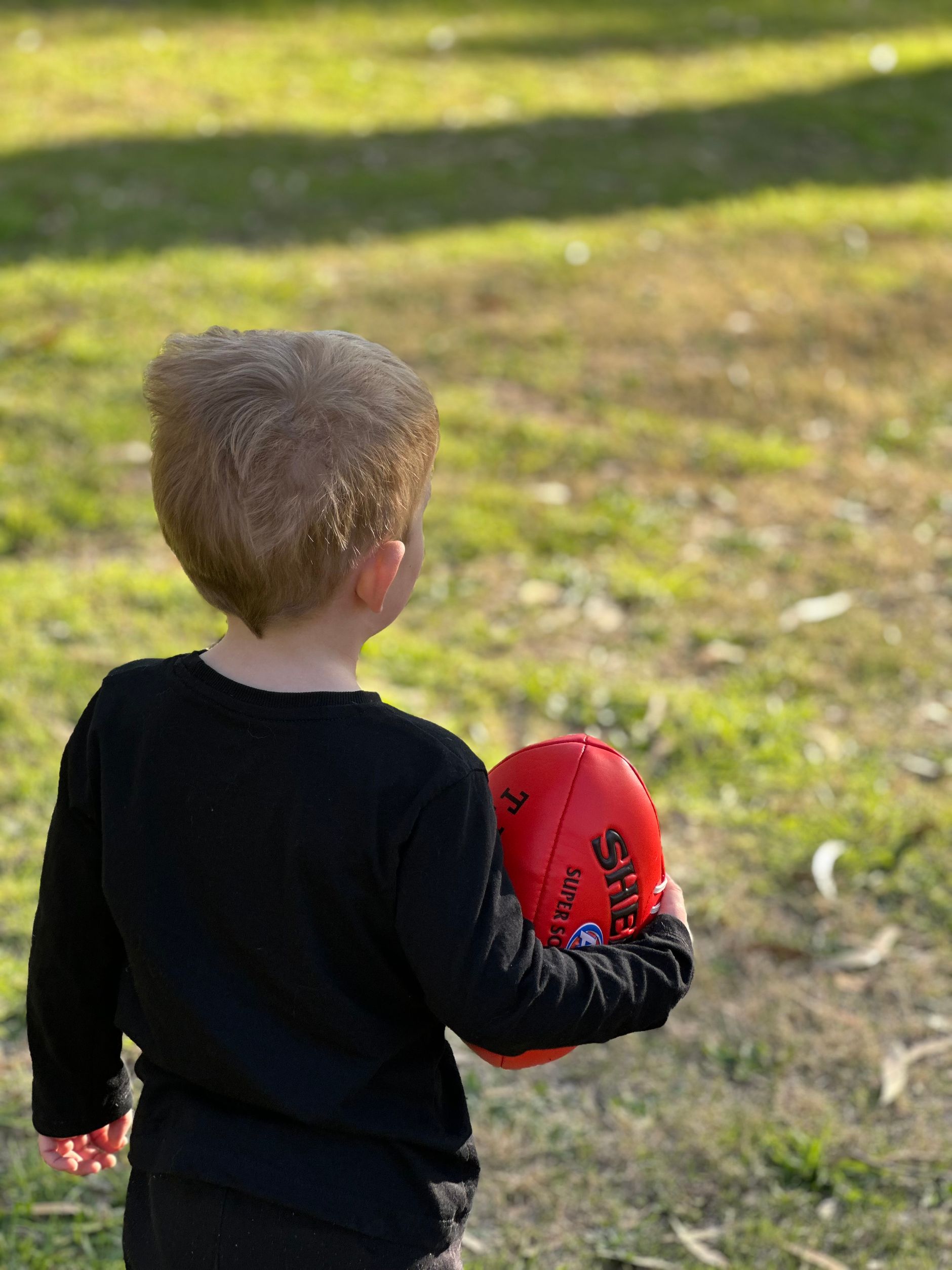
From the parent-and-local-coach end, the question is not actually that complicated. They are not asking for contact sport to be banned. Most just want to know whether kids can still get the good stuff out of footy without copping quite so many avoidable hits on the way through. The partial answer from ABC’s piece on protecting children from head knocks and its follow-up on parents rethinking junior footy is pretty sensible: delay contact, trim full-belt training drills, and stop pretending every collision builds irreplaceable character.

Age markers matter because they show how early the exposure meter starts running. In Australian rules, tackling can start around age nine. Plenty of experts keep pointing to something closer to 14 as the age where contact or heading drills should start, or at least become more structured and limited. Nobody is saying under-14s should spend winter playing chess in a guernsey. The argument is narrower: if exposure is cumulative, the cheapest risk reduction comes from not starting the meter so early.
Michael Buckland put the logic crisply in ABC’s analysis of the AFL’s CTE dilemma:
It’s a disease of exposure, and the way we’re going to prevent it is by reducing exposure, just like skin cancer and the summer sun.
Michael Buckland, ABC News
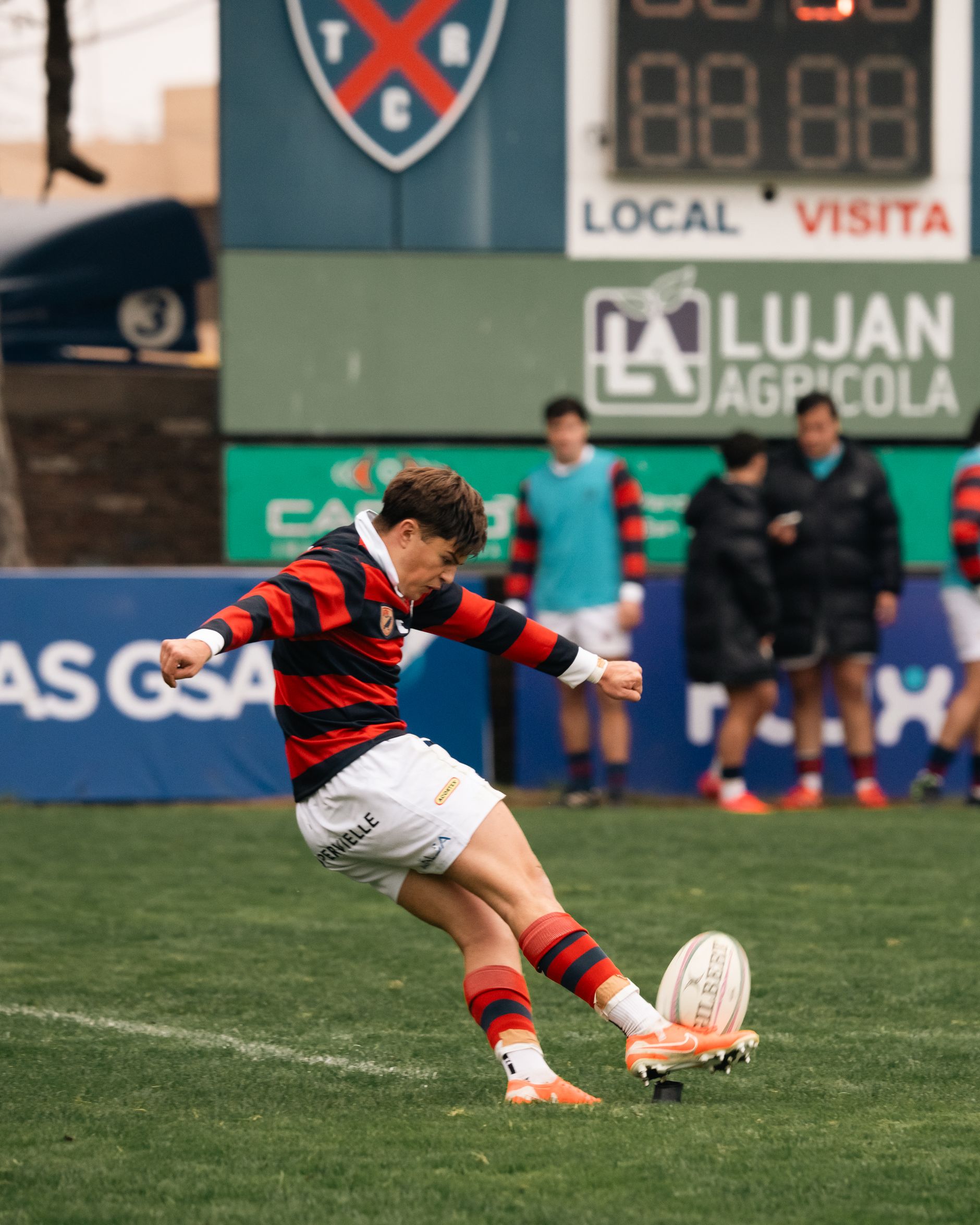
Now the same logic is spilling past AFL. Football Australia’s heading debate is basically the same argument in different kit: if we already know a repeated action increases head-impact load, why wait for perfect certainty before cutting it back in junior sport? That does not answer every skeptic’s question about whether reduced training contact simply shifts intensity into games. It does answer the practical one Pearce and plenty of parents are asking: what is the smallest change that cuts exposure fastest? Start with the reps you control.
The hard bit is making clubs actually change
Policy is where this gets awkward. The AFL has made more than 30 rule changes over the past decade aimed at reducing head knocks, and contact-training limits are slated to kick in from the 2027 pre-season. Good. But a clean elite-level headline will not mean much if the same culture underneath it stays untouched. A Senate committee report on head trauma in sport lands in the same place from the policy end: return-to-play rules matter, but harm minimisation has to start before the hit that sends the trainer sprinting.
Community footy families can see the gap already. Nathan Fitzgerald’s memorial and the later WorkSafe investigation into his life-ending head injuries sharpened the ugliest version of the grassroots question: if elite sport accepts that repeated head contact needs limits, why does local sport keep acting like that is someone else’s problem? You cannot keep selling concern at the top of the pyramid and shrugging at the bottom.
Skeptics still have a point. Training caps alone will not magically solve CTE risk. Games are still collisions. Some clubs will find cute ways to compress intensity into fewer sessions. Age-14 thresholds are a least-bad compromise, not holy writ. None of that rescues the old status quo. When the evidence is pointing in one direction, “maybe the exact number needs work” is not a serious excuse for doing nothing.
That is why Paul Wade’s probable CTE diagnosis landed so heavily. It did not read like a campaign to abolish sport. It read like a bloke trying to keep the good bits of the game while finally being honest about the bill.
I do not want to discourage anyone from playing football, as I think there are so many positive health benefits.
Paul Wade, Professional Footballers Australia
Maybe that is where the Australian debate ends up. Not in a ban. Not in a magic helmet. Not in another round of protocol language that sounds impressive on the telly and changes bugger-all at local training on Thursday night. The fix is smaller and more annoying than that. Fewer reps. Later contact. Less heading. Less full-bore collision work for kids. Less pretending the only dangerous hit is the one dramatic enough to stop the game.
For footy people, that will feel unsexy because it is. It is also the first idea in this whole debate that sounds like it might actually work.
Tommo splits his weekends between the high country and the footy. He writes about camping, 4WDing, fishing and the general business of being a husband and dad who still gets a leave pass. Drives a diesel he refuses to shut up about.
The DudeWorld brief
BBQ, tools, camping and footy — the good stuff, weekly in your inbox.
Subscribe