
Skipping breakfast vs junk breakfast: which is worse?
Skipping breakfast vs junk breakfast is not a clean win either way. Breakfast quality, earlier eating and fewer late-night blowouts matter more.
Most rushed weekdays leave us with one of two ordinary sins: coffee in the cupholder with nothing in the gut, or a servo bacon-and-egg roll that feels like breakfast and behaves more like a brick. Which one does more damage by smoko? There is an answer, just not the school-assembly version of “eat your breakfast”.
Deakin nutrition researcher Katherine Livingstone writes in The Conversation’s explainer that the clock matters. Still, the food matters more. A proper breakfast generally beats a junk one, and a routine built around late eating looks worse than getting useful fuel in earlier.
“The short answer is: yes.”
Katherine Livingstone, The Conversation AU
The quote is blunt. The take-out is less tidy. The BMJ meta-analysis on breakfast and weight and a later Obesity review on breakfast skipping and cardiometabolic risk do not point in exactly the same direction. Someone chasing short-term weight might see a small win from skipping. LDL, blood sugar and the 3pm snack raid make the picture messier.
Our rule is practical: fix breakfast quality first, worry about the clock second, and stop pretending a skipped brekkie cancels out rubbish later. Nobody needs to force down dry Weet-Bix at dawn because wellness TikTok got noisy. Make the first meal less processed, eat it earlier when the day allows, then keep the late-night damage under control.
A junk breakfast can lose the day before lunch
Start a notional 8,700kJ day with a brekkie burger worth 36% of it and the budget is already in strife before the ute has warmed up. Livingstone’s example in The Conversation is handy because it cuts through the fake healthy-versus-unhealthy shorthand. One burger example carried 11.5g of sugar. The cereal comparison sat around 10g. Sugar is only part of the problem; size, processing and the follow-on hunger all count.

Buried inside the health advice is the useful bit: steadier energy. Protein, fibre and slower carbs usually give the morning a calmer run than a pastry, sweet cereal or bacon-heavy roll with a sugary drink. The Better Health Channel’s breakfast guide says much the same thing with the usual boring suspects: oats, yoghurt, eggs, fruit and wholegrain toast. Boring works.
So yes, breakfast quality often matters more than breakfast timing. A decent first meal at 10.30am can beat a rubbish one at 7am. That still does not make breakfast pointless. It means the food has to stop being rubbish before the clock argument is worth having.
Blood sugar is the bit many of us under-rate. Add office-chair hours, school drop-off, worksite driving and a late lunch, and big glucose spikes become more than abstract health chat. Diabetes Australia explains the mechanism plainly: repeated blood-glucose spikes force the body to work harder with insulin. One junk breakfast will not doom you. It can make the rest of the day easier to lose.
Skipping breakfast is not a magic fix either
Intermittent-fasting fans are not completely wrong. When skipping breakfast means eating less overall, weight can move. The BMJ review found breakfast skippers lost a little more weight on average. A later Obesity review put the short-term effect at about 0.54kg, which is real enough and also not much of a miracle.
Then comes the trade-off: the same Obesity review found LDL cholesterol rose by about 9.24 mg/dL in breakfast skippers. Missing brekkie once does not send a bloke straight to the cardiologist. Judging the whole habit by bathroom-scale weight, though, leaves out the part your GP actually cares about.
“Breakfast skipping may have a modest impact on weight loss and may increase LDL in the short term.”
Hales CM, Obesity
Why do observational studies often look harsher than randomised trials? Breakfast skippers are not one neat tribe. Some skip, feel fine and eat properly later. Plenty skip, then hammer lunch, arvo snacks and a late dinner. Trials are short and controlled. Weekdays are not.
Livingstone’s advice is blunt enough to be useful: it is not recommended to skip breakfast. Not because breakfast is sacred. More because skipping can turn into worse decisions once work, kids and hunger start piling up.
The more useful rule is earlier, simpler fuel and less late-night damage
A better question may be earlier versus later eating across the whole day. A large Nature Communications cohort study on dietary circadian rhythms linked later first and last meals with higher cardiovascular risk. It is observational evidence, not a courtroom verdict. Still, as a guide for normal life, it tracks.
A 9.30pm dinner followed by a couple of beers and toast at 10.15 is not rescued by white-knuckling breakfast. Same goes for a giant servo feed at 7am that leaves you flat by 11. The clock matters, the food matters, and the pattern you repeat most weeks matters more than either.
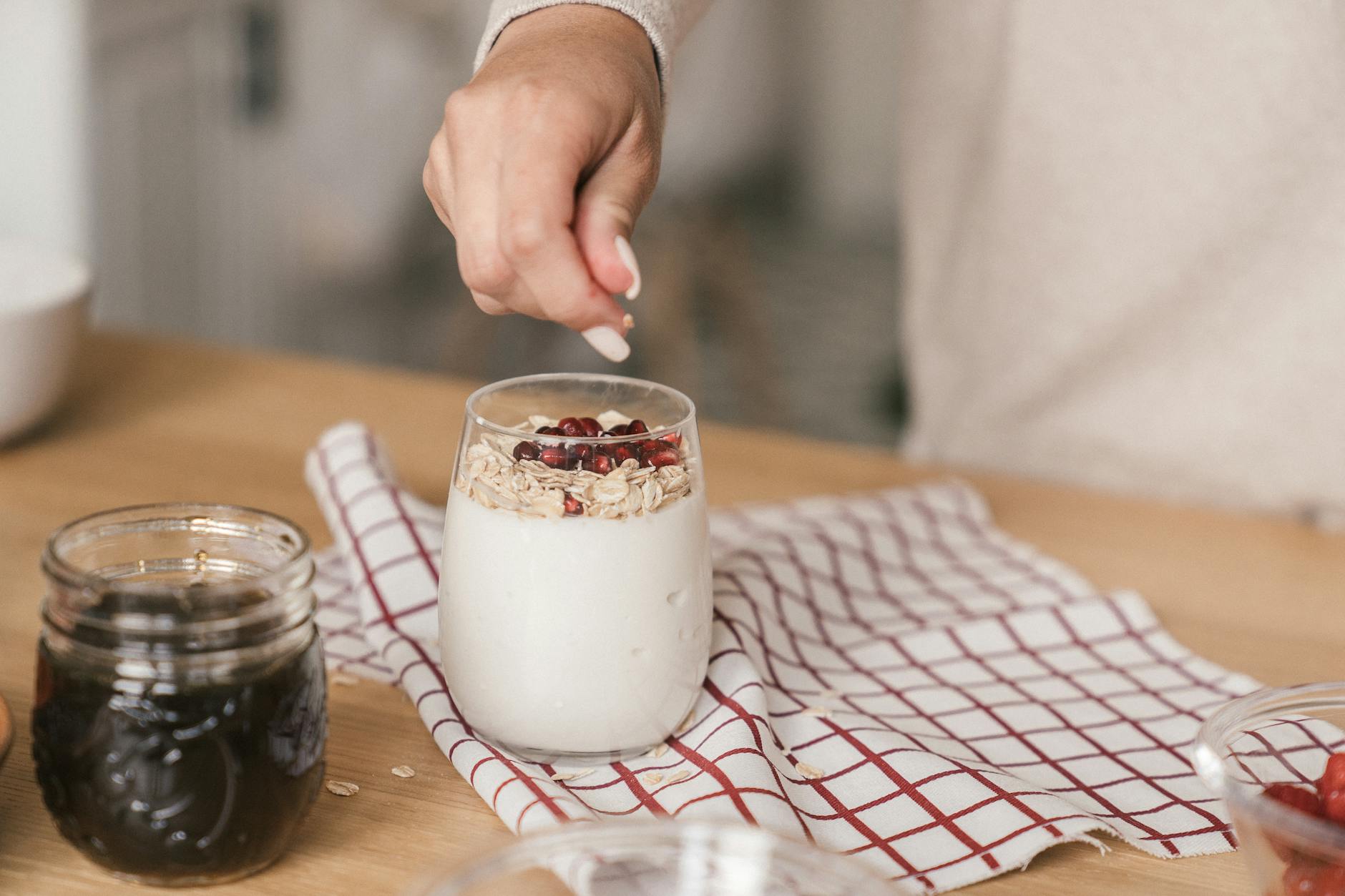
For a normal Aussie weekday, the move is unglamorous: eat useful fuel earlier, keep it simpler than the app-driven breakfast stunt meal, and stop cramming so much of the day’s intake into the back half. Eggs on toast. Yoghurt and fruit. Overnight oats made while the kettle is on. Not sexy. Useful.
Forced to choose between no breakfast and a junk breakfast, we would usually skip the junk and eat something better a bit later. That is not a free pass to ignore breakfast. The best version is still a proper first meal and less late-night nonsense. Boring wins again, which is annoying, but there it is.
Tommo splits his weekends between the high country and the footy. He writes about camping, 4WDing, fishing and the general business of being a husband and dad who still gets a leave pass. Drives a diesel he refuses to shut up about.
The DudeWorld brief
BBQ, tools, camping and footy — the good stuff, weekly in your inbox.
Subscribe