Why El Niño food prices could sting your next backyard cook-up
El Niño food prices in Australia could mean dearer meat, coffee and camping staples, even if supermarket shelves stay full.
Most of us do not care what the Pacific is doing until the weekly steak run, the flat white and the camping-tucker stash all start nudging higher. Which is why El Niño matters now. Once NOAA formally says the pattern is under way, the useful question for an Australian household is not whether the weather geeks were right. What gets dearer first is the bit that matters.
From the bloke-at-the-checkout angle, the answer is probably not empty shelves. The Conversation’s Australian read makes the key point: Australia is unlikely to face outright shortages, but hotter and drier conditions can still belt local communities, farm output and budgets. So the question most of us actually care about is simpler. Do we get panic-buying and rationing, or do we just get a bigger receipt at Coles, Woolies and the servo on the way to camp?
But the analyst view is tougher than the supermarket view. Goldman Sachs has been cited on a possible 15.8% surge in food commodities, while the European Central Bank has previously put the lift from a strong El Niño closer to 9%. Different models, same warning. This is rarely one neat jump on one product. Instead, the squeeze starts in crops and freight, then works its way through feed, ingredients, packaging, cafe menus and supermarket tags.
Seen from an Australian kitchen, that tension is the whole story. The household-budget read says we are probably not staring at bare fridges. The analyst read says we can still end up paying more for the same trolley. For Australia, that likely means pricier meat, coffee, rice-heavy staples, sauces and the sort of camp-food basics that never look expensive on their own but suddenly do when every item moves together.
The supermarket probably stays full. The receipt is another matter.
For households, the cleanest answer is this: Australia is more likely to cop a cost squeeze than a supply collapse. We grow a lot of food, we import strategically, and rich countries usually feel these weather shocks as inflation first, not famine. Still hurts, though. A weekly shop can still get ugly when dry conditions hurt local production and global crop stress lifts the price of imported ingredients at the same time.
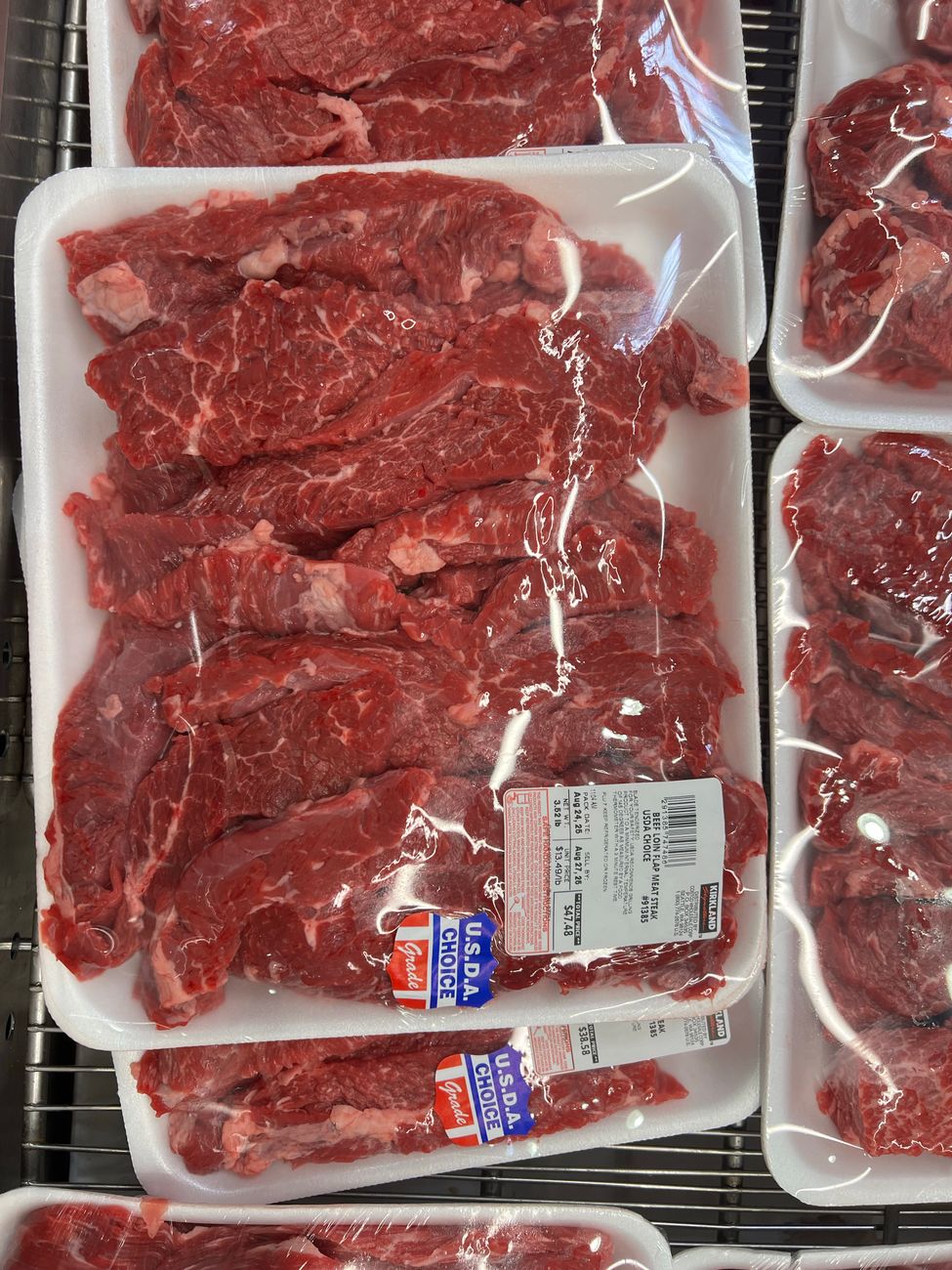
Meat is where plenty of households notice it first, even if the chain reaction takes a while. Cattle and lamb do not jump in price because a cow has read a climate bulletin. They move when drier weather hits pasture, fodder and water costs, when feed gets dearer, and when processors and retailers stop being able to absorb the extra pain. Chicken can feel it too, because grain and logistics matter there faster. So no, El Niño does not mean the meat cabinet suddenly empties. More likely, the tray looks the same and the total at the register feels worse.
Nor is this just a farmers’ problem tucked away inland. BBC reporting on NOAA’s declaration framed El Niño as a trigger for hotter conditions and wider disruption to food supplies and economies. In Australia, The Conversation argues the local damage is less about dramatic shortage headlines and more about regional pressure that rolls outward. Farm margins tighten. Local jobs wobble. Transport and inputs stay expensive. Then the city shopper meets the whole mess in the mince section and wonders why taco night has become a luxury hobby.
Soothing it is not.
“The food system enters the second half of 2026 with buffers, but with little margin for error.”
UniCredit analysts, Guardian Business
Plenty of slack remains in the system to stop chaos. Not much remains for a household trying to run a sensible grocery budget if a few staples all drift north at once.
Coffee, sauces and camp food are the canaries
If you want the early warning lights, do not start with porterhouse. Start with the stuff that touches global crops more directly. Guardian reporting on coffee inflation is a handy clue here, because coffee reacts quickly to bad weather in producing regions and the price move shows up in both cafes and supermarket shelves. The same broad logic applies to rice, sugar, palm oil and other inputs that sit inside more products than we think about.
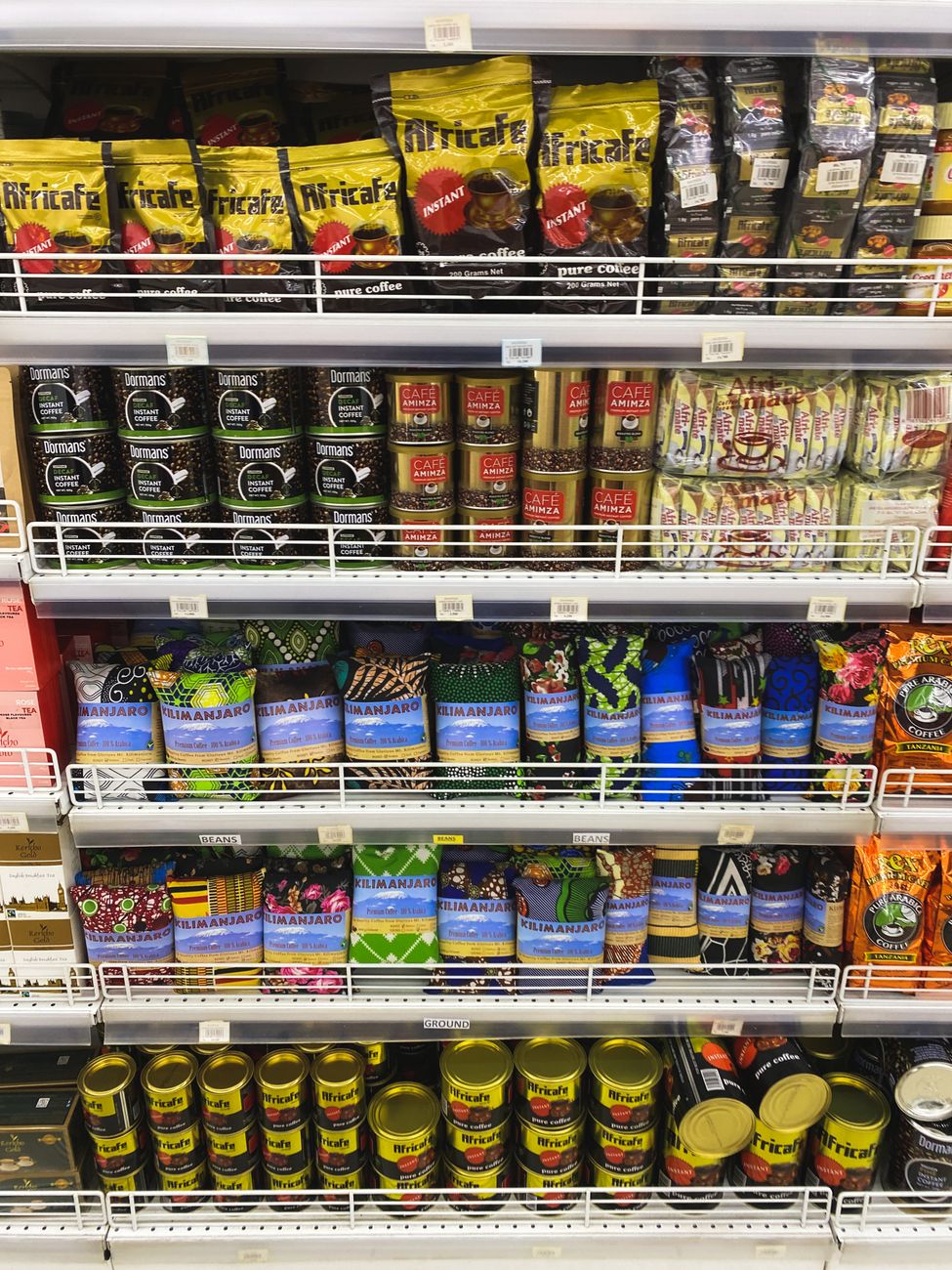
Here the insider perspective gets interesting. Retailers, roasters, cafes and food processors rarely whack shoppers in one clean hit if they can avoid it. They shave margins, shrink promos, rejig pack sizes and pass costs through in stages. A bad run in coffee beans or edible oils does not just make one bag of beans dearer. It can feed into cafe drinks, ready-made sauces, snacks, instant meals and half the little extras that fill a trolley when nobody is trying to do a heroic pantry stock-up.
Camping budgets are especially exposed to that death-by-a-thousand-cuts version of inflation. Think bagged coffee, rice cups, two-minute dinners, trail snacks, tinned basics, sauces, maybe the pub schnitty on the drive home. None of those line items looks like a climate story on its own. Together, they are exactly how a global crop problem becomes a local weekend-cost problem. The bloke loading the esky for a coast trip does not need a commodity chart. He just notices the same cash used to stretch further.
Psychology matters too. People tolerate a beef spike once or twice. They get ropeable when the daily habits move as well. Your morning coffee going up again feels personal. So does paying more for the rice, sauce and snack run before a weekend away. Those are the canaries, not because they are the whole bill, but because they tell you the pressure has escaped the farm gate and reached the bits of life we touch every day.
Why the Reserve Bank would care even if Woolies stays stocked
Regulators see the same problem from a different chair. Food inflation is awkward because it hangs around. A weather shock lands in one season, but the pricing effects can roll through contracts, inventories and transport well after the headlines cool off. Central banks watch it closely for that reason. Sticky food costs can help keep overall inflation sticky too.
Even UniCredit’s climateflation warning puts the phrase bluntly.
El Niño puts “climateflation” back on the agenda.
UniCredit analysts, Guardian Business
None of that means the Reserve Bank is about to set rates off one barbecue shop. Food is one of the places where households feel inflation most vividly, and one of the places policymakers cannot afford to ignore if it keeps resurfacing. Washington Post reporting on businesses bracing for years of elevated costs makes the broader point: plenty of firms are already juggling tariffs, oil, copper and data-centre demand. Add food inputs to that pile and the inflation story gets sticky in a hurry.
Our practical watch list is pretty ordinary. Meat trays. Coffee. Rice and pantry fillers. Sauces. The bits of a backyard cook-up that never feel flashy enough to budget for separately, until suddenly they do. If several of those start climbing together this spring, the weather story has already left the science page and landed where it hurts. Right in the weekly shop, and right before we light the barbie.
Tommo splits his weekends between the high country and the footy. He writes about camping, 4WDing, fishing and the general business of being a husband and dad who still gets a leave pass. Drives a diesel he refuses to shut up about.
The DudeWorld brief
BBQ, tools, camping and footy — the good stuff, weekly in your inbox.
Subscribe