Why the Falconio case still rides shotgun on a long outback run
The Peter Falconio case still shapes how Australians think about dark highways, fuel stops and remote-road risk 25 years on.
Some Australian stories do not move from the place you first heard them. This one sits on a highway at night, somewhere north of Alice, with the lights thinning out and the next stop still a fair haul away.
If you were old enough to clock July 2001, the Stuart Highway did not quite go back to being just a strip of bitumen with a white line down the guts. A low-fuel light felt different after that. Same with a noise from the back of the van, or a stranger trying to wave you down. Sounds dramatic from a lounge room, sure. Out there, tired and out of phone range, it is just the sort of maths you start doing before the next servo.
Which is why the 25-year anniversary coverage from ABC News and the fresh NT Police release of final interview footage and new material land as more than another true-crime lap around an old case. Peter Falconio’s murder still sits in the back of Australia’s road-trip brain. Most of us cannot recite the court file. We remember the feeling it left on remote travel, especially after dark.
Look at the people who had to drive into it and the story gets less cinematic very quickly. For former NT police sergeant Erica Gibson, speaking in the ABC anniversary piece, those first hours were not folklore. They were kilometres, bad light and the plain Territory fact that help does not appear around the corner just because someone needs it.
“Our mission at that time was to get to Barrow Creek as fast as we could.”
Erica Gibson, ABC News
The road started carrying the story
Falconio and Joanne Lees were three weeks into a lap of Australia when they were attacked near Barrow Creek, about 280 kilometres north of Alice Springs. Road-trippers can place those details straight away. Not some unknowable wilderness fable, then. A long day, huge country, patchy light, another vehicle, one decision on the side of the road.
Would Australians pull over as casually after this case? Probably not. Maybe yes, but with the doors locked, the engine running and a decent exit in mind. That is not paranoia. That is the kind of caution that sneaks into family rules and never quite leaves.
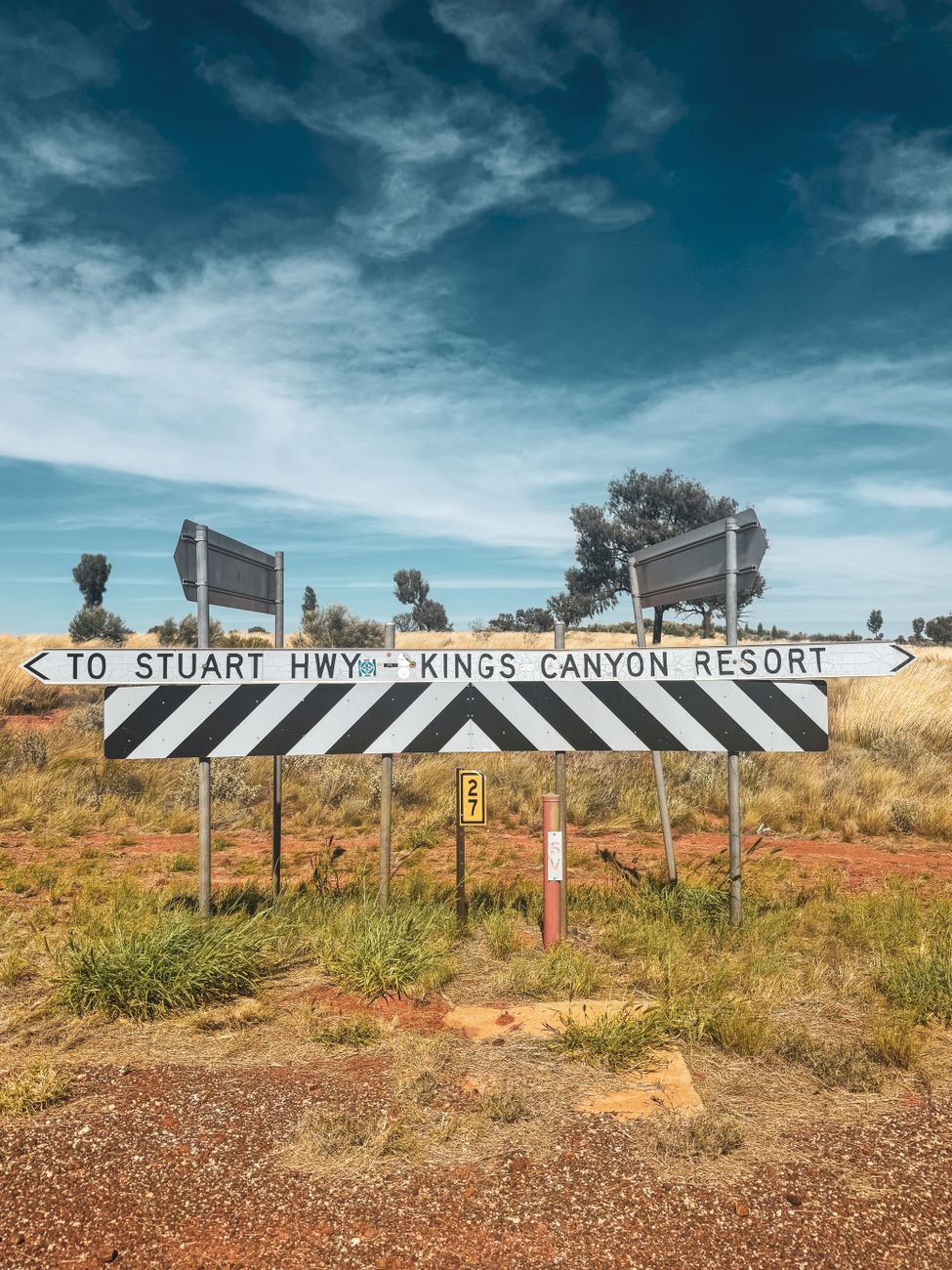
Listen to the little habits blokes now call common sense. Top up earlier than you meant to. Do not hero the night leg just because the map says it is possible. Text someone before you lose reception. Treat a roadhouse as part fuel stop, part reality check. Remote Australia is not hostile. It is indifferent, which is often the more useful thing to remember.
Older Australians who remember the original coverage and younger travellers who only know the story second-hand meet it in the same pre-trip chat. Check the fuel. Do not drift into the night. Do not stop just because a stranger sounds urgent. Around town, that can sound overcooked. On a lonely highway, with a road train in the mirrors and half a bar of signal, it reads like folklore that accidentally became decent planning advice.
Barrow Creek carries the same weight. In the ABC anniversary feature, the pub lights and roadside mementos make the place feel less like a pin on a map and more like a stop that has absorbed what happened around it. Travellers still pass through for fuel, a stretch, a bit of light. They also pass through a warning.
The first-responder version is less myth, more maths
For travellers, the lesson lands in the gut. For the people trying to respond, it is brutally practical. The roadblocks across 12 likely routes show how fast the country gets large when something goes wrong on the Stuart. Distances balloon. Timelines turn rubbery. A problem that would be annoying on the Hume can become serious out here because there may be no witness, no reception and no quick second chance.
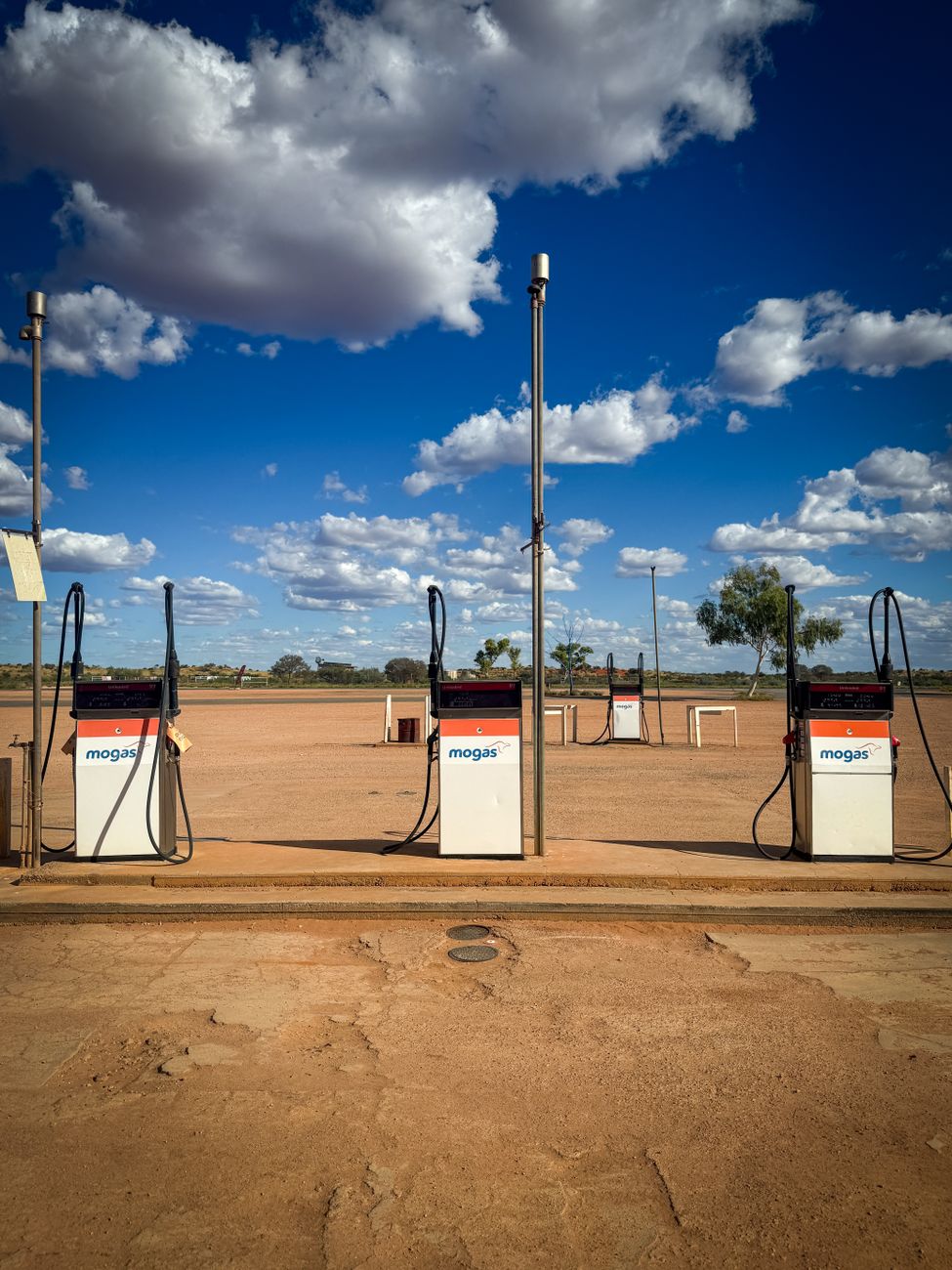
Gibson’s line lands because it strips the case back to something every road-tripper understands. The outback does not need to be supernatural to be unforgiving. Darkness, distance and a small run of bad luck will do it. A tyre issue. A cooling problem. A wrong turn. A stop that feels harmless until it is not.
Australians did not stop driving the centre. Plenty still do, and good. The change is that we read the road with less swagger now. We leave earlier. Fuel range gets more thought. Overnight stops get planned before everyone is cooked. Call it caution, age, or the ute-and-kids stage of life. The case helped write that script.
That is why the story stayed sticky in camping and road-trip culture long after the court case settled. Blokes towing campers, couples doing the lap and backpackers stringing together NT kilometres are all asking a version of the same question: what happens if an ordinary roadside moment turns sideways and nobody is close enough to fix it? Respect the logistics and the country is still there to be travelled. Ignore them and it can get serious fast.
The case never got an ending, so the country never filed it away
Unresolved cases hang around because they never give the brain a neat place to put them. In this one, Murdoch’s final police interview footage and SBS’s reporting on his last exchanges with investigators sharpened the point. Bradley John Murdoch died in 2025 without revealing where Falconio’s remains are. Policy can do some work around that absence, including no-body-no-parole rules, but it cannot produce the one thing the case still lacks: an ending people can live with.

“If I could say one thing to this man who did this, I would ask him to let police know where Pete is.”
Joanne Lees, ABC News
Anniversary coverage turns to a criminology frame here for a reason. The point, attributed in that reporting to Xanthe Weston, is not that Australians became irrational. It is that unresolved stories lodge themselves in place-memory. People forget legal milestones. They do not forget the orange Kombi, the dark stretch near Barrow Creek or the fact that a couple doing a lap of the country could be pulled into something this bleak.
Because the body was never found, the case never settled into the archive. It kept leaking into culture instead. Falconio slid into the same mental drawer as the backpacker murders that still shadow discussions of Ivan Milat, and later into the pop-culture fear line that stories like Wolf Creek could tap without much explanation. One case did not invent outback anxiety. It did reset the national myth of the road.
Law and culture meet awkwardly here. No-body-no-parole laws are built on a blunt moral idea: if you know where a victim is, silence should cost you. In the Falconio case, the principle still matters. Murdoch’s death means the law cannot do the symbolic heavy lifting people sometimes imagine. It can punish secrecy. It cannot repair an absence that has already seeped into national memory.
What the anniversary actually tells us
The police perspective is the least cinematic and probably the most useful. NT Police are still releasing new material and asking the public for help, and a $500,000 reward remains on offer. Not just institutional stubbornness. Memory on big roads is messy. A photo, a sighting, a roadhouse conversation, some half-forgotten detail from winter 2001 - any of it might still matter.
“No piece of information is too small; what may seem insignificant could prove critical in helping investigators finally resolve this case.”
Martin Dole, NT Police appeal carried by the Guardian
The outback is not uniquely murderous, and every late-night run north of Alice is not courting disaster. That is the lazy version, and it does no one any favours. The smaller truth is more useful: remote travel punishes casual decisions harder than city driving does. Falconio became the national shorthand for that, especially for people who were young enough to absorb it the first time and old enough now to be planning the trip.
A useful anniversary also tells us how not to talk about the story. We do not need another forensic scrapbook. We definitely do not need the old tabloid habit of treating Joanne Lees as a character to be judged rather than a survivor to be heard. Better to ask why this case still changes behaviour, and why one stretch of highway still feels different in the Australian imagination.
So 25 years on, the case still rides shotgun. Not in a lurid, campfire-story way. In a practical Australian way. It lives in the extra fuel stop, the decision to roll into the next town before dark, the instinct to treat a waved-down problem with more caution than we once might have. The Stuart Highway is still a road, not a myth. For a lot of us, it has never again been only a road.
The DudeWorld brief
BBQ, tools, camping and footy — the good stuff, weekly in your inbox.
Subscribe