Why blokes still haul boats to the Daly River every winter
Daly River Barra Classic season still pulls Aussie anglers north, even after floods, sharks and croc-heavy water changed how the river has to be fished.
Numbers get too much credit in barra comps. Biggest fish, best bag, who found the clean pocket on the tide. Then a week like the Daly River Barra Classic rolls around and reminds you that half the point is the haul north, the boat-ramp gossip and the stubborn call to go anyway, even after the river has spent the year shifting the furniture.
Underneath this year’s event sits a rougher story. The comp has run on the Daly since 1982, and blokes still tow boats up there every winter because the place gets under the skin. Flood damage, fresh snags, crocs and sharks that appear to know the sound of an outboard make the old “she’ll be right” version harder to sell.
Put simply: the Classic is still one of Australia’s great fishing pilgrimages. It is also a different job now. Same destination, different brief.
The trip still matters as much as the fish
For most of us, a week on the Daly was never just a scoreboard play. Winter sun helps. So does a boat full of gear, mates who have been talking rubbish in the group chat since Easter, and the odd comfort that the best trips usually take a bit of effort.

Fair enough, the ABC’s report from this year’s Classic leans into that ritual. Former cricketer Merv Hughes is good colour, but his useful point is simpler than the moustache. He has been heading back for about 20 years. Not novelty travel, then. More like a standing booking in the calendar for an Australian fishing tragic.
“The first time you do it, you just fall in love with the place.”
Merv Hughes, ABC News
Merv’s presence says the trip travels well beyond hard-core Top End locals. A former Test quick does not keep fronting up to croc country out of politeness. Something sticky happens during that week: sunrise launches, tackle talk, a boat full of half-organised gear, and the nightly certainty that somebody will add a few centimetres to the one that got off.
We get it. Plenty of bucket-list trips are mostly marketing with a fuel bill attached. On the Daly, the order feels reversed. Fish matter, obviously. Bragging rights too. Still, the real hook is that the place feels remote enough to count. You have to commit. Tow the boat, sort the gear, live with patchy comforts and accept that a barra week in the Top End should involve at least one conversation about whatever just moved near the bank.
DudeWorld does not need the tournament-PR version. Dead boring. This is a winter-trip story, and the comp gives shape to the same instinct that sends blokes chasing a campfire weekend or a high-country run. We like trips that feel earned.
The river kept the postcode and changed the rules
Romance leaves out the messy bit. The March flooding around Nauiyu, which pushed the Daly River to a record 16.26 metres, was not just dramatic drone footage. Anyone who watches a Bureau of Meteorology wet season knows a river can come back wearing a different face. Practical fishing changes with it. Old lines get less reliable. Logs and snags move. Lower water exposes more traps. A clean run can be more hassle than memory suggests.

Those details matter more than the colour around the event. When the Barra Nationals were delayed by six weeks after the flooding, the message was plain enough: same famous stretch of water, not the same easy read. Anglers were already talking about more crocs, new hazards and a river that demanded attention instead of autopilot.
Veteran angler Alastair Shields, again in ABC’s July coverage, put it better than any tackle-catalogue cliche could:
“There’s lots and lots of fish … and they’re fat, healthy, silver fish but it’s a bit treacherous with all the new snags and logs.”
Alastair Shields, ABC News
Inside the boat, that is not scenery. It is a bent prop, a donated lure, a missed turn into a side creek or a hot bite wrecked by five seconds of bad judgement. Buoy markers and hazard-reporting tools matter because of that. They are not tech garnish. They are a polite way of saying the river needs fresh notes.
Still, the reward is there. So is the faff. Blokes keep coming because Australia has no shortage of places that are easy, comfortable and forgettable. The Daly remains none of those things. Bring more patience, more prop awareness and a willingness to admit the river no longer owes you the line it gave you five years ago.
Remote trips age. Tracks wash out. Boat ramps change. The bakery you used to count on closes. A flood or fire rewrites the local map, and suddenly the trip only works if you stop treating last year’s yarn as current intel. The Daly seems to be in that phase now. Still magic, just not on autopilot.
Now the sharks are part of the brief
Wildlife was never absent from the Daly brief. Crocs were already part of the deal. Nobody towing a boat up there thought they were heading to a suburban duck pond. Sharks pinching fish on the way back to the boat are a different kind of pest, because they change how you fight and land a catch.
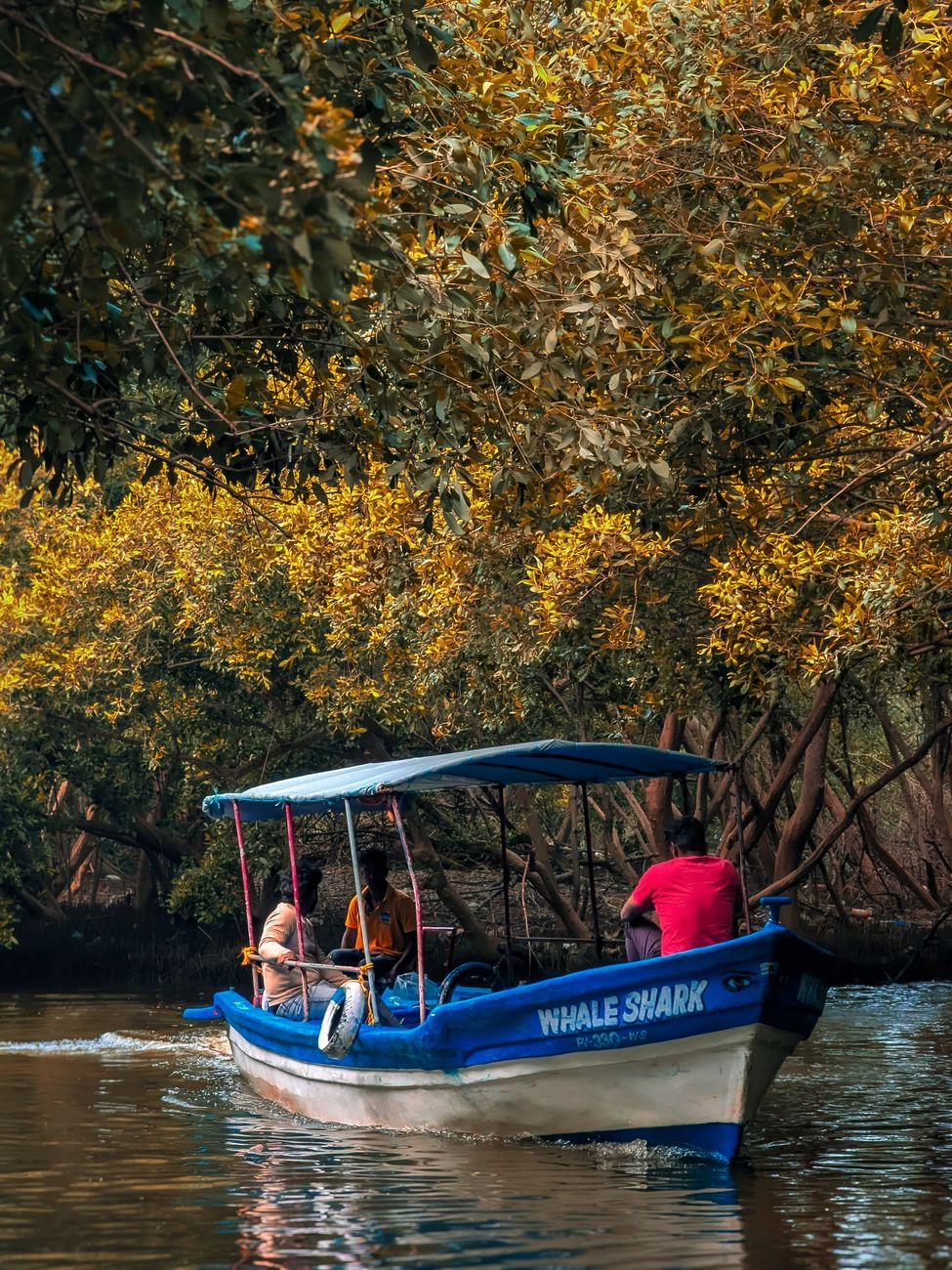
According to Charles Darwin University marine ecologist Joni Pini-Fitzsimmons, who spoke to ABC News, the March floods likely played a role, with runoff and seasonal breeding helping explain why sharks are showing up differently. Her more unnerving point was simpler: they learn fast.
“Sharks are smart. They can very quickly learn associations between boat noise, struggling fish, and an easy meal.”
Joni Pini-Fitzsimmons, ABC News
No, that does not make the Daly unfishable. It makes the job more tactical than the nostalgia version suggests. If sharks are reading the dinner bell, anglers have to think harder about where they hook up, how long they muck around beside the boat and whether a hot bite window is still worth it once too many fish start getting taxed on the way in.
We reckon that is part of the weird appeal. Not despite the hassle, because of it. Plenty of fishing stories flatten into romance. This one stays alive because the place keeps arguing back. You do not head to the Daly to feel in charge. You head there because a wild river still has the right to make you look underprepared.
It is also a recovery story, whether the comp likes it or not
Beyond the weigh-in, the Daly River fishing season is happening beside a community still recovering from serious flood damage. The same stretch of country that sells the pilgrimage also carried the pain of evacuation, damaged homes and hard questions about rebuilding.
Sport coverage can leave that context in the background. We should not. Reports on Nauiyu residents returning to flood-ravaged streets and locals coming back to a town with no services make it hard to treat the river as a postcard. This is not untouched wilderness theatre for travelling anglers. It is a living place with people, infrastructure and consequences.
Fishers do not need to stay home. Quite the opposite. But the emotional centre shifts a bit. The Classic still matters because the river can hold reality and ritual at the same time. Boats still launch. Mates still head north. Fish still eat. Nobody honest gets to pretend the season is untouched by what happened upstream and in town.
Maybe that is why blokes keep hauling boats to the Daly River in winter even when the river bites back. The trip did not stay simple. That is the point. The place still offers the old Australian bargain: beauty, difficulty, a little risk, and a story you have to earn in real time.
That is worth more than tournament colour.
The DudeWorld brief
BBQ, tools, camping and footy — the good stuff, weekly in your inbox.
Subscribe