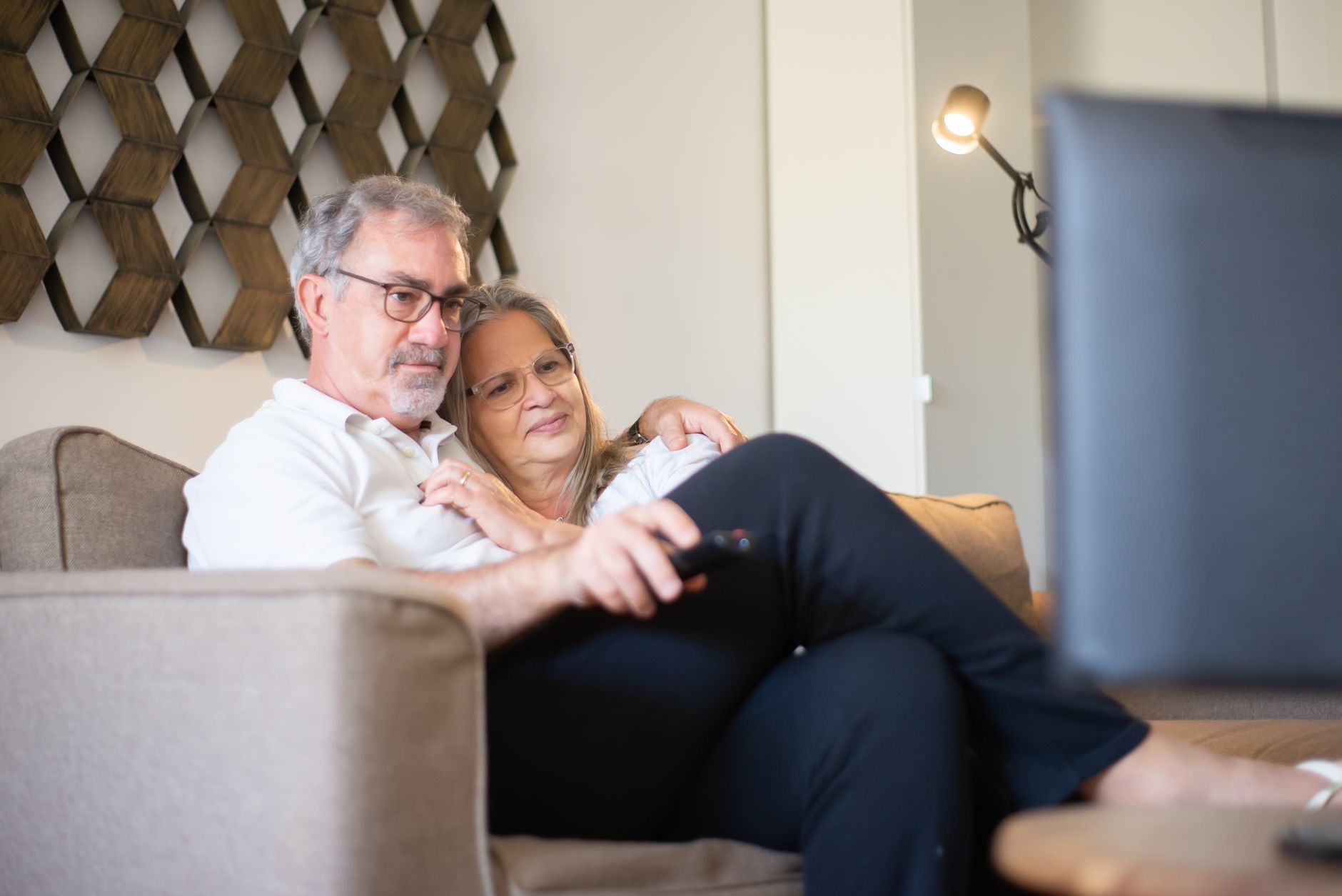
The tech stack keeping ageing parents at home a bit longer
Tech for ageing parents at home can ease the panic and the bills, but smart TVs, cameras and voice assistants only work if privacy and setup stay simple.
A fair few of us are not buying gadgets for ourselves anymore. We are standing in a Harvey Norman aisle, or scrolling a product page after dinner, trying to decide whether a smarter telly, one camera and a voice assistant can keep Mum or Dad steady at home for another stretch without turning the lounge room into a cheap control room.
Ageing-at-home tech lives in that narrow lane. In Business Insider’s reported feature, families were using JubileeTV to make the telly less of a fight, Samsung SmartThings to join a few devices up, Blink cameras for quick visual check-ins and Amazon Alexa for voice-controlled basics. Not because anyone needed another shiny app. Because the alternative can get ugly fast. Even in the American examples, the number that keeps looming is about US$10,000 a month for assisted living. Beside that, a US$789 box plus a subscription starts to look almost sensible.
From the other end of the couch, though, the same setup can feel very different. Marion Murray, 93 and using JubileeTV in the Insider story, is not a neat little device-adoption case study. She is an older person trying to keep her routine, her privacy and a bit of dignity. Families can lose sight of that when they are doing the maths under stress. As The Atlantic argued in its essay on kin care, most older people who need help still lean heavily on family, so every “helpful” device lands inside a relationship that may already be stretched, guilty and knackered.
A useful question, then: can a bundle of boring, low-friction tech buy a family time? Not solve aged care. It cannot. But maybe it buys calmer afternoons, fewer panic calls and a few more months before the brutal decisions arrive. That is a less shiny pitch than robot companionship or AI care. It also sounds much closer to real life.
In that same report, JubileeTV cofounder Mark Benson framed it plainly:
“The goal is to support, not replace, human relationships at the center of caregiving, and use technology to provide reassurance and help reduce stress that many caregivers can experience.”
Mark Benson, JubileeTV
The bit tech actually helps with
Where this stuff earns its keep is not glamour. It is friction. Families do not need a miracle machine. They need the telly to turn on, the right person to answer a video call, a lamp to switch on without a hunt for the tiny button, and a quick way to see whether Mum has got out of bed or is just ignoring the phone again.
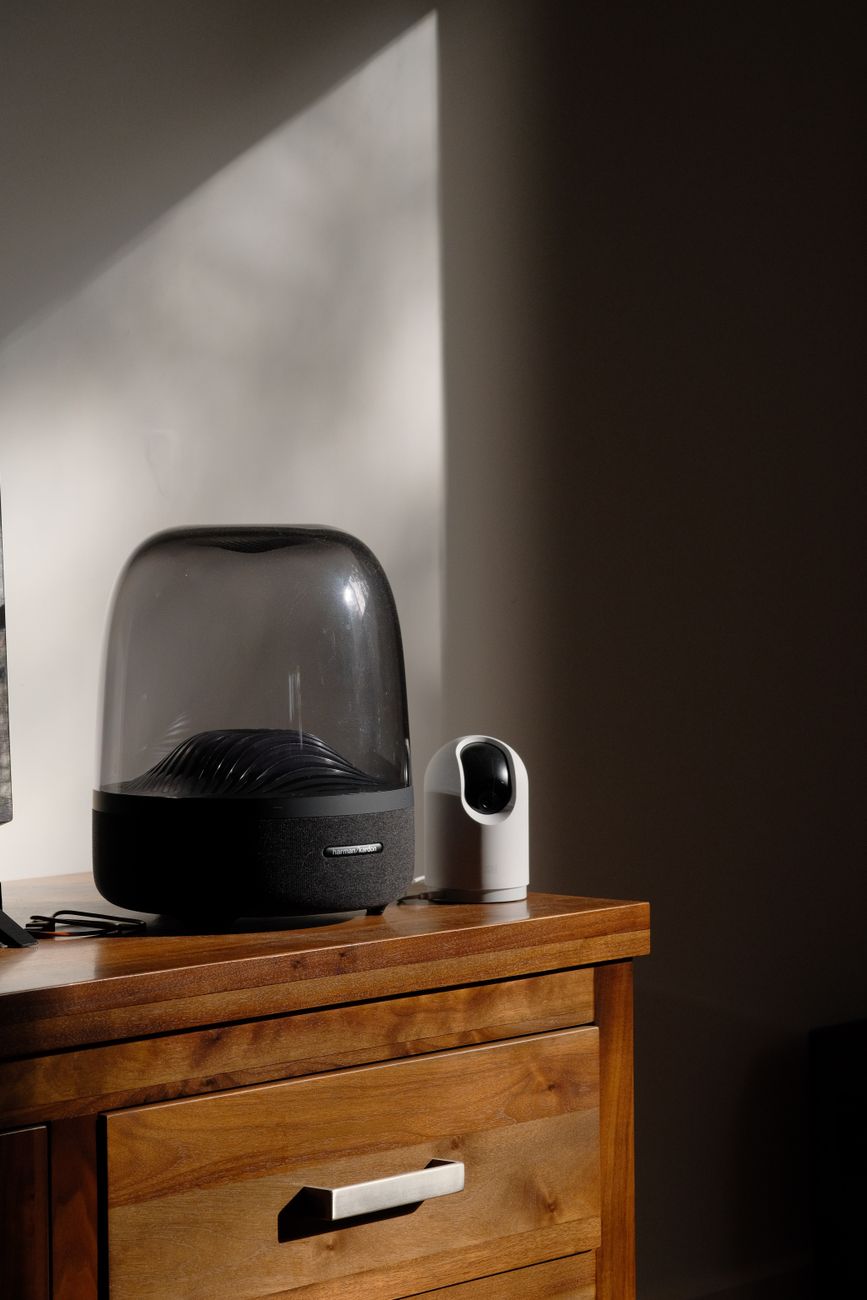
The strongest angle in the research feels true for that reason: the middle ground is a bundle of low-friction tools, not one magic device. Wirecutter’s coverage of remote-control and TV-simplification gear lands in the same spot. Helpful products usually remove steps rather than add features. A simplified interface beats another app. One voice command beats three menus. A camera a family can check in ten seconds beats a dashboard nobody opens after week two.
Money makes the compromise tempting. The figures in this reporting are American, and the product pricing is in US dollars, but the logic is familiar enough to any household staring down future care costs. A New York Times Well piece on long-term care makes the basic point: even modest help is expensive, and formal systems rarely cover everything families hope they will. People improvise. In an earlier Business Insider story about a daughter moving her mother into a tiny house next door, the kit was not futuristic at all. JubileeTV, Blink cameras and Alexa plugs, stitched into a family routine. Crude? A bit. Enough to buy time? Also yes.
Caregiver relief is the actual product here, even when the marketing copy pretends otherwise. The best outcome is not that a device becomes the carer. It is that a son can leave the house for two hours without feeling like he is spinning a roulette wheel, or a daughter can stop talking a parent through the same remote-control sequence every single night. A lot of the value is invisible: lower stress, better sleep, fewer “just checking” calls that start kind and end with both parties snapping.
One stubborn household truth matters more than any spec sheet. The house already has habits, and the tech only works if it bends to them. Install the smartest stack in the world if you like; if Dad refuses to wear the pendant, Mum cannot hear the speaker prompt, or the Wi-Fi spits the dummy every second afternoon, the whole thing becomes an expensive ornament. This is not a space for gadget lust. It is a space for fewer failure points.
Where support starts to feel like surveillance
The catch shows up the minute a camera, microphone or always-on sensor enters the picture. Relief for the caregiver can feel like intrusion for the person being cared for. The same drop-in feature that calms a daughter may make her mother feel like the house now has invisible management.
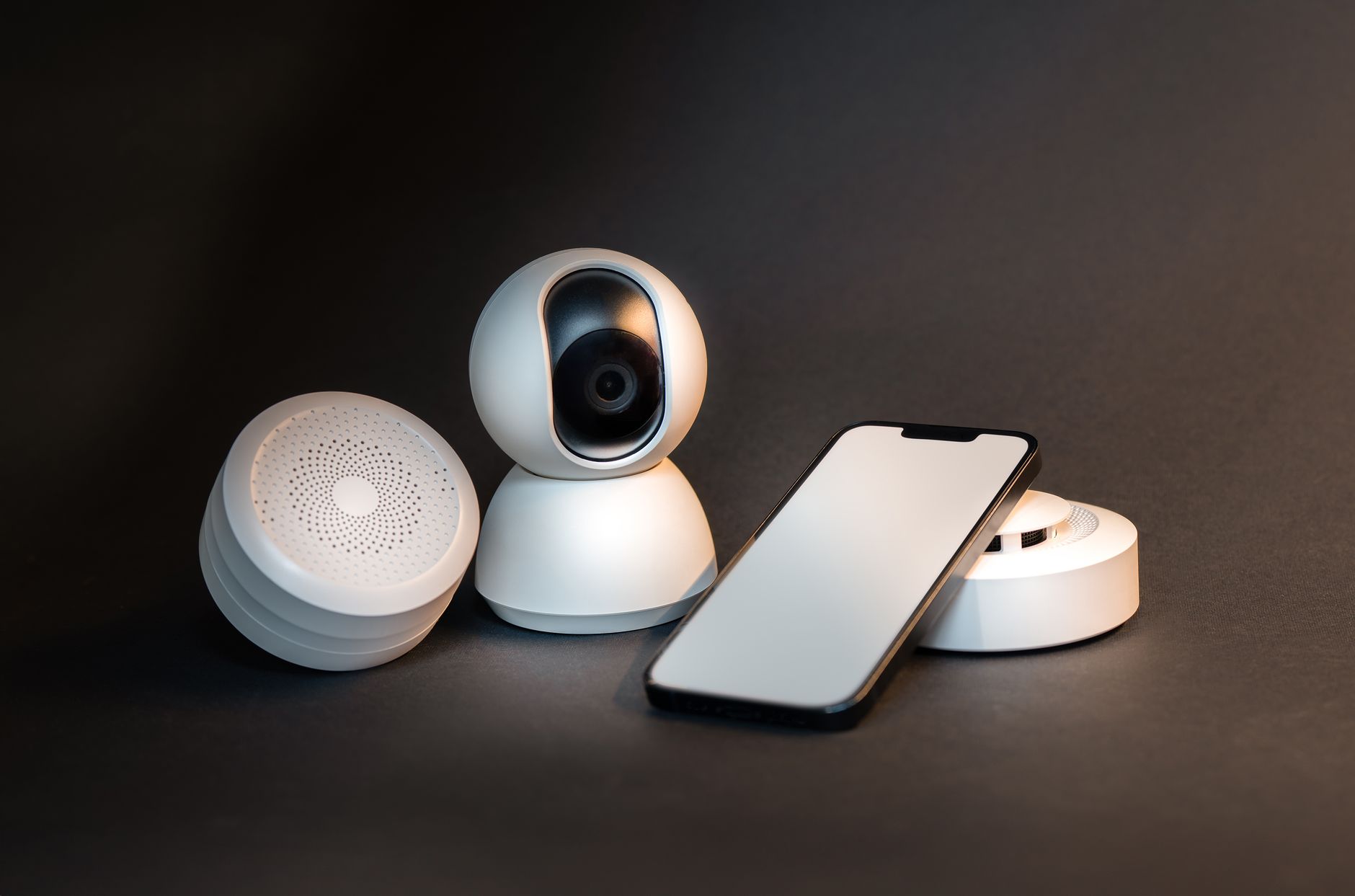
Good reporting in this category gets to that tension early. Wired’s analysis of Sensi.AI and in-home monitoring is valuable because it does not treat the privacy trade-off as fine print below the buy button. It is the story. The system might reassure relatives, but it also changes the feel of the home. Suddenly the living room is partly a care environment and partly a data source. That is a big psychological shift, especially for older adults who never signed up to live inside someone else’s dashboard.
Keep the older person’s perspective in the middle, not bolted on as a courtesy paragraph. Marion Murray’s side of the equation is simple enough: does the setup preserve independence, or mainly preserve everybody else’s nerves? Those are not always the same thing. A smart TV that makes calling family easier may feel supportive. A surprise camera angle in the kitchen is a different conversation.
Business Insider’s feature also carries the cleanest warning from researcher Yu Sun:
“If it’s difficult to use, they will not use it.”
Yu Sun, University of South Florida
Obvious, yes. Also the rule this market keeps trying to dodge. Usability is not a nice extra. It is the whole game. Privacy and reliability are tangled up in that. Older adults do not usually abandon a device because they hate innovation as an idea. They abandon it because the camera drops out, the screen nags them, the button layout makes no sense, or the device feels like it is there for somebody else rather than for them.
Before the gear comes out of the box, the house needs rules spoken out loud. Who can drop in on video? At what times? Where are cameras never going? What happens when Wi-Fi dies? Who owns the updates, passwords and monthly billing? None of that is glamorous. That is why it matters. Homes get weird when the admin is fuzzy.
Another trap sits just behind the first win. Once the tech saves the family’s bacon, the temptation is to add more. Another sensor. Another feed. Another assistant. Another dashboard promising peace of mind. That creep is how support turns into a surveillance hobby. The Atlantic’s argument about the limits of family care is useful here. Kin can do a lot. Kin also burn out, overreach and start mistaking more visibility for better care. Not every problem wants a camera pointed at it.
The boring gear is still winning
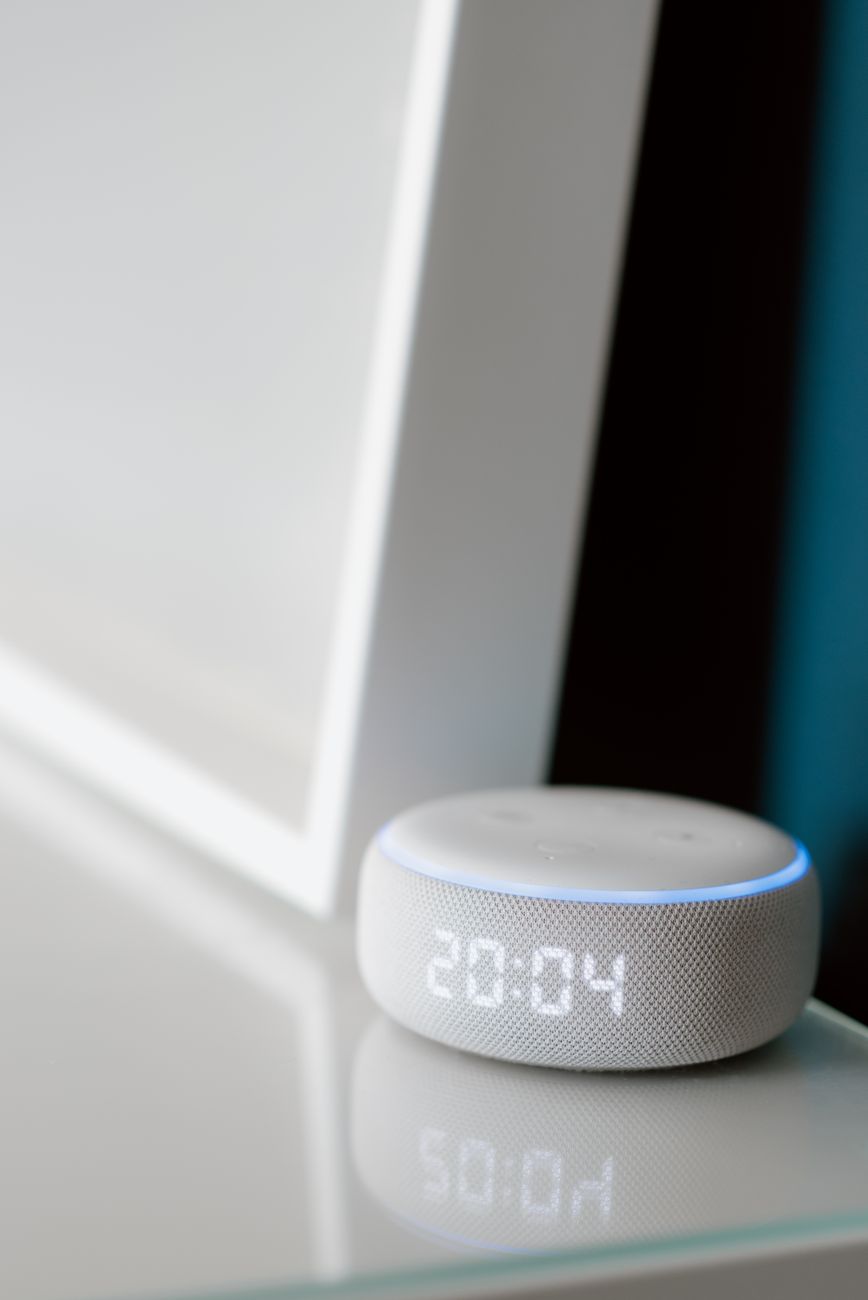
The most interesting thing in this category may be how uninteresting the best solutions are. For all the chatter about companion robots, AI microphones and machine-learning care, the gear people seem to trust most is still dull: simplified TV controls, familiar screens, smart plugs, lights, routine reminders and one or two remote check-in tools that do not ask an older person to learn a new operating system at 93.
Bigger bets are not imaginary. Fast Company and AP’s reporting on elder-care robots shows why investors and operators keep circling the sector. The labour shortage is real. Loneliness is real too. Products like ElliQ or the social robot in GeekWire’s report on Codey are chasing the same fear-and-comfort budget as smart TVs and cameras. They sell companionship, monitoring and the sense that someone, or something, is always there.
Maybe some of that will stick. For now, the stronger case is still for tools that feel ordinary enough to disappear into the day. Recent coverage points the same way: older adults are more online than a lot of us assume, but that does not mean they want an ambient AI presence in the house. Business Insider’s reporting on retirees spending more of life online and a separate story about chatbot loneliness fixes both hint at it. Digital companionship can soothe one gap while opening another.
Researcher Sara Czaja, again in Business Insider’s feature, describes the current moment better than most:
“Some of it is done with a seat-of-your-pants, opportunist approach.”
Sara Czaja, aging and technology researcher
That is not a knock on families. It is a fair description of the job. Most households build these setups under pressure, while juggling work, distance, siblings, guilt and a parent who may be half-on-board at best. Of course it is opportunist. Of course it is messy. There is no neat starter kit for the emotional admin of deciding how much watching counts as caring.
The practical verdict is smaller than “buy the future”. Start with the boring question that actually hurts right now. Missed calls? Confusing remotes? Lights at night? Reassurance that someone is up and moving? Pick the lowest-friction tool that answers that question, make sure the older person agrees to it, and stop there until it genuinely works. Only then add the next layer.
That is the middle ground. Not leaving Mum entirely on her own. Not sprinting straight to a brutal care bill either. Just a modest, awkward, sometimes helpful tech stack that buys families more time without pretending an app can do the human bit. If we are honest, that is probably enough. The clever part is knowing when enough is enough.
The DudeWorld brief
BBQ, tools, camping and footy — the good stuff, weekly in your inbox.
Subscribe