Australia house prices still not affordable after 10% dip
Australia house prices can fall 10% and still leave buyers grinding for deposits, long commutes and mortgage stress.
According to ABC’s latest housing affordability analysis, Free Sobolewski did the bit everyone tells young buyers to do. She saved nearly $285,000, kept at it, and still wound up buying about 35 kilometres out from Brisbane’s CBD. The payoff for doing everything “right” was a longer commute and a mortgage that eats about half her take-home pay. That’s not a bargain. It’s a different flavour of strain.
“I bought it because I wanted somewhere to live, somewhere permanent where I could build a life.”
Free Sobolewski, ABC News
That is where the happy talk about falling prices falls apart. For blokes and families trying to buy without moving to the edge of the map, a 5 to 10 per cent dip is not some magic reset. It’s a light trim on a market that has spent years outrunning wages, deposits and patience.
But AMP economist My Bui reads the same numbers far more coldly. If the benchmark is an average-income buyer reaching the median home price, she says prices would need to fall by about 45 per cent. That answers the obvious question straight away: how big would the correction have to be before normal pay packets catch up? Much bigger than the headlines suggest.
“House prices would need to fall by significant amounts, about 45 per cent, for someone on an average income to match the median home price.”
My Bui, ABC News
That is the useful way to look at this story. ABC’s earlier modelling on a national house-price fall found a 10 per cent slide would only take values back to late 2024. Guardian Australia’s recent big-chart analysis put the median dwelling at more than 17 years of a typical household’s disposable income. Prices can be falling and still be absurd. Both things can be true.
A 10% dip is not a reset
The sticker shock eases a bit, sure, but the longer arc still matters. ABC’s earlier reporting says national home values are about four times what they were in 2000. The Conversation’s cooling-market analysis makes the same point in plainer language: a modest correction after years of outsized growth does not do the heavy lifting on affordability by itself.
A small fall looks dramatic when it lands in a headline because we tend to read percentages like discounts at Bunnings. Housing does not work like clearance stock. If you run a 10 per cent cut over a base that has ballooned for two decades, you mostly get yesterday’s silly price instead of today’s silly price. It helps at the margins. It does not reopen the front door for the average household.
There is also a timing trick in a falling market. Buyers do not just need a cheaper listing. They need cheaper credit, a deposit that has not been mauled by rent, and enough confidence to take on a debt that will sit with them for decades. If one of those legs is missing, the small price cut does not go very far.
That is also why the old regional escape plan is looking crook. Tim Lawless told ABC the gap between metro and regional affordability has “definitely diminished” once incomes are taken into account. In other words, the trick where you move further out, or go fully regional, no longer produces the clean win it once did.
“The gap has definitely diminished. There is hardly any difference when you adjust for incomes.”
Tim Lawless, ABC News
The pain just moves further out
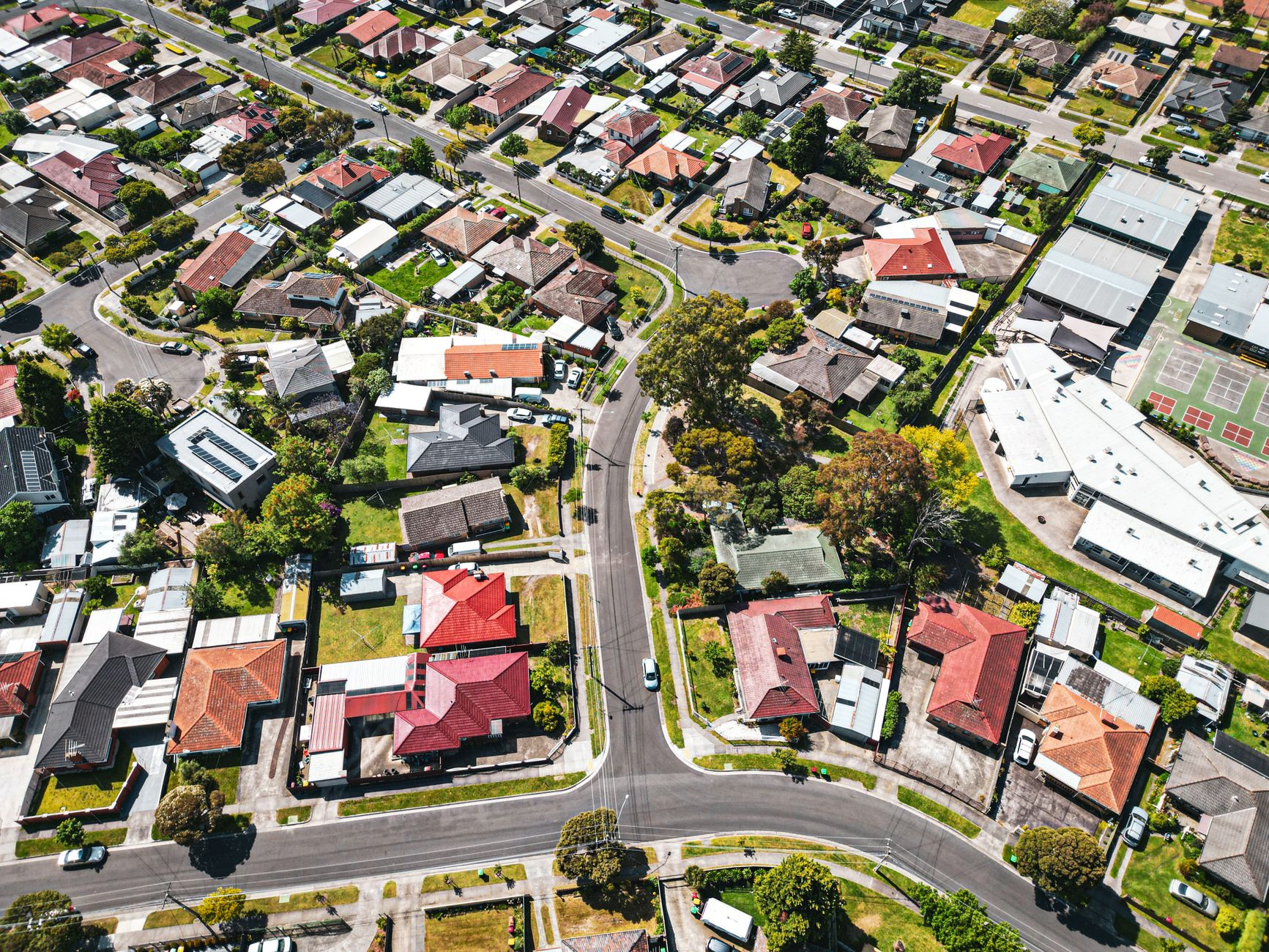
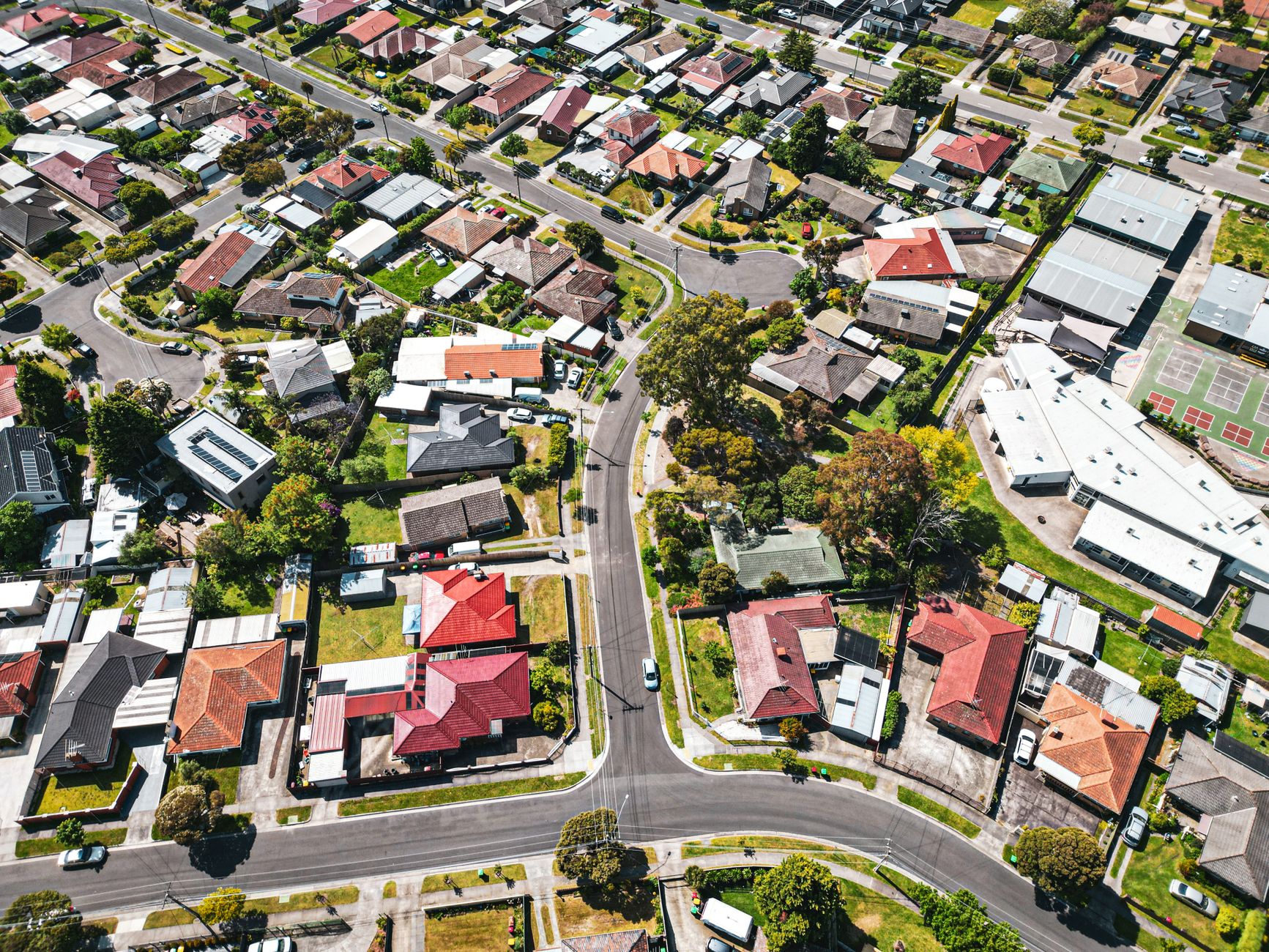
For the people actually trying to buy, modest price falls do not remove the pressure. They relocate it. The cheaper house is often further from work, family and the school run, or it needs more compromise than the listing photos let on. The ABC case study matters because it shows the trade in real life: a huge deposit, a place still 35 kilometres out, and a budget that remains tight after the keys are handed over.

That is the question the user-affected perspective answers better than any macro chart: what does the compromise actually buy you? Not freedom, necessarily. Sometimes it buys a train timetable, a longer fuel bill and a mortgage that still dominates the month. If half your take-home is already booked before groceries, sport fees and rego, the place may be cheaper on paper but it is not exactly easy mode.
The borrowing side is no cleaner. SBS’s reporting on the same trend argues that borrowing power has been shrinking faster than house prices, which means some of the benefit gets wiped out before buyers even make an offer. ABC Business also reported that the national mortgage burden is now heavier than it was when rates hit 17 per cent in 1989, mostly because today’s buyers are carrying far larger loans. Lower sticker prices do not help much if the loan you can service is falling at the same time.
Cheaper on paper, not easier in practice
This is where the analyst and policy views meet. One says the correction is too small. The other says the shape of the city is the real problem. In ABC’s report, Grattan Institute chief executive Aruna Sathanapally makes the broader point that affordability only improves in a lasting way when incomes stop losing the race and more homes get built in places people can actually live and commute from. That same logic sits underneath The Conversation’s call to cool expectations and the Guardian’s reporting on the 5 per cent deposit scheme attracting higher earners: the market can soften a touch and still remain tilted toward buyers with bigger deposits, better incomes or more family help.
So what does a 5 to 10 per cent pullback really buy the average DudeWorld reader? A bit of breathing room, maybe. Slightly less insanity at auction. A few more properties appearing in the saved search. What it does not buy is the old promise that if you work hard, save hard and wait for the market to blink, a normal place near work will suddenly become sensible.
That is the housing reality check. Until the deposit grind eases, wages catch up and more homes show up where people actually need them, falling prices are mostly cosmetic. Nice to see. Better than another boom. Still not affordable.
Tommo splits his weekends between the high country and the footy. He writes about camping, 4WDing, fishing and the general business of being a husband and dad who still gets a leave pass. Drives a diesel he refuses to shut up about.
The DudeWorld brief
BBQ, tools, camping and footy — the good stuff, weekly in your inbox.
Subscribe