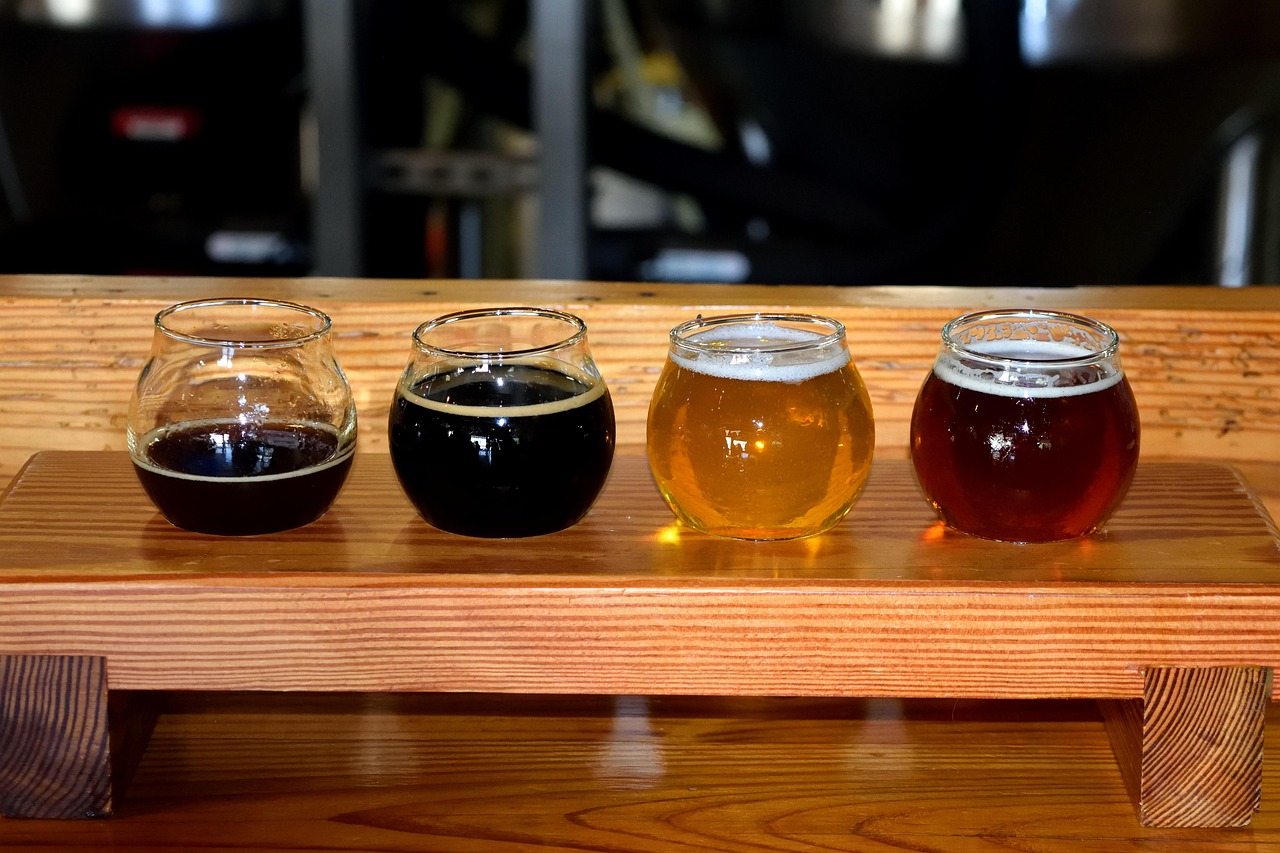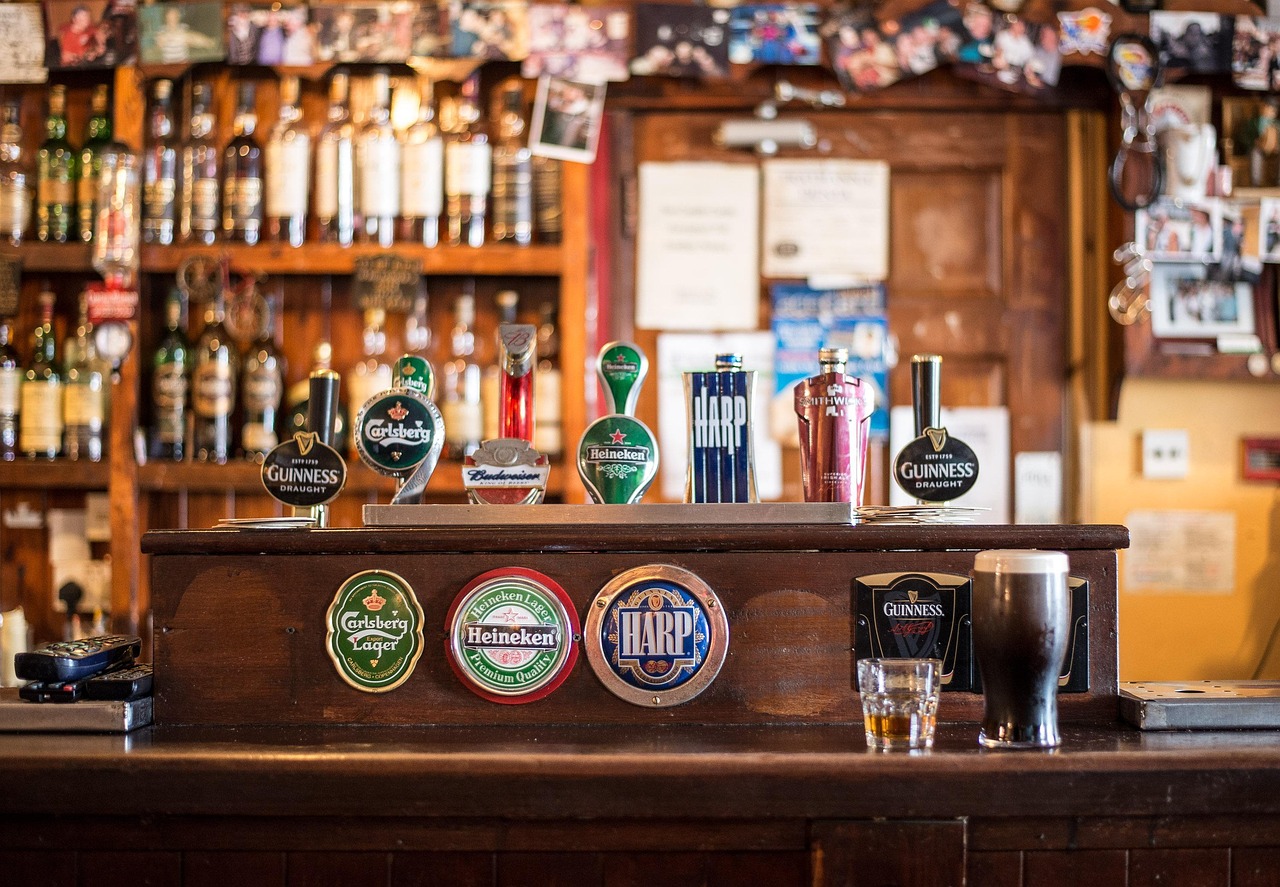
The pub is packed. The bar tab isn't.
Hobart pub prices are pushing punters to pre-drinks, discount apps and one-night weekends, even while the dancefloor still looks full.
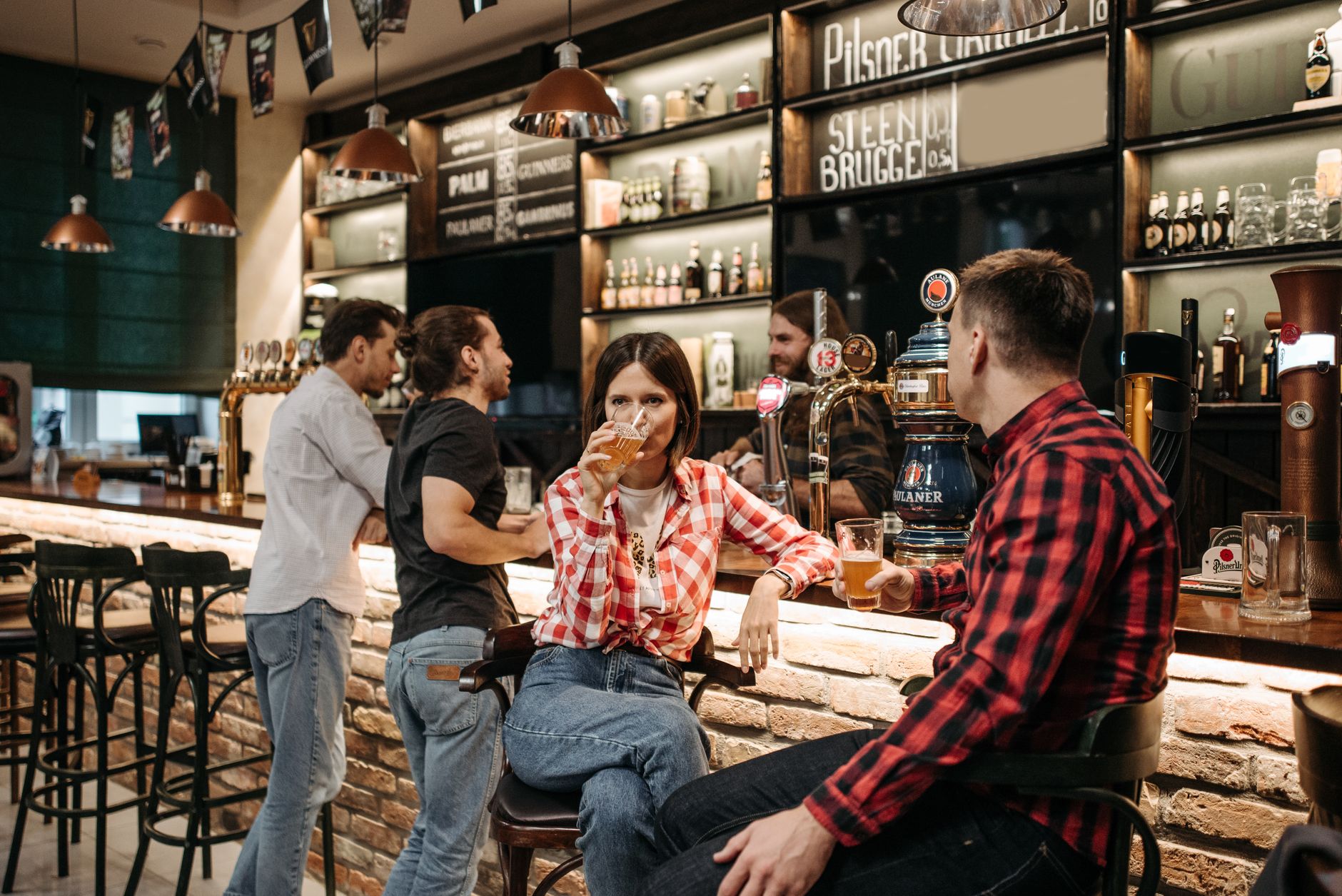
A full room used to be enough. Dancefloor shoulder to shoulder, two blokes deep at the bar, someone spilling lager on his own shoes. You could glance around and assume the pub was flying.
Hobart is making that old read look a bit lazy. A room can still be heaving while the till feels thin, which is why the ABC’s reporting on Hobart nightlife hit a nerve. Salamanca bar manager Dinesh Khadka described the split well: people are still turning up, but later, lighter and often with a few cheaper drinks already banked at home.
The noisy backdrop is the seven-venue Pub Banc collapse in Hobart. The human bit was ugly too, with more than 80 workers stood down when the venues shut. Still, the useful lesson for anyone who likes a pub sits under the administration paperwork. Once a beer lives in the $12 to $15 zone, four of them becomes a $60 call before food, a ride home or the midnight snack nobody needed. A casual night starts behaving like a planned expense.
The room still feels alive
Start there, because the lazy version of this yarn gets it wrong. Pubs are not dead, and everyone has not traded Saturday night for flannelette pyjamas and a kettle. In Hobart, as in plenty of Australian towns, people still want the room: the noise, the music, the half-chance that staying another hour might turn the night into a proper story.
In the main ABC feature from Hobart, Khadka put it plainly:
“There have been nights where you have absolutely no space on your floor, the dance floor is packed, and everyone’s having fun”
Dinesh Khadka, ABC News
A few years back, that would have passed as a good-night report. Packed floor. Strong trade. Lock it in. Now it can mean something narrower. Some groups arrive after a couple at home. Others nurse one drink through a set, chase happy hour, or check whatever discount app softens the hit. The social part of the pub night still matters. The wet margin behind it has gone wobbly.
You can see it in the small habits. Fewer impulse shots. More water on the table, and not only because everyone is suddenly sensible. More groups picking one venue instead of crawling across town and paying for a fresh round at every stop. The night still happens; it just gets managed harder. There is still appetite for a good time. There is less patience for one that blows up the weekly shop.
Hobart did not invent this. In ABC’s broader reporting on changing pub culture around Australia, risky drinking had fallen to about 32 per cent of adults in 2022-23, down from more than 40 per cent in 2004. Flinders University research on generational drinking points the same way, finding Gen Z far more likely to abstain than baby boomers. Fine, every bloke in Tassie is not suddenly ordering soda water and lecturing the table about sleep hygiene. The old formula, busy room equals huge booze night, is starting to look old.
The $60 round is where the maths changes
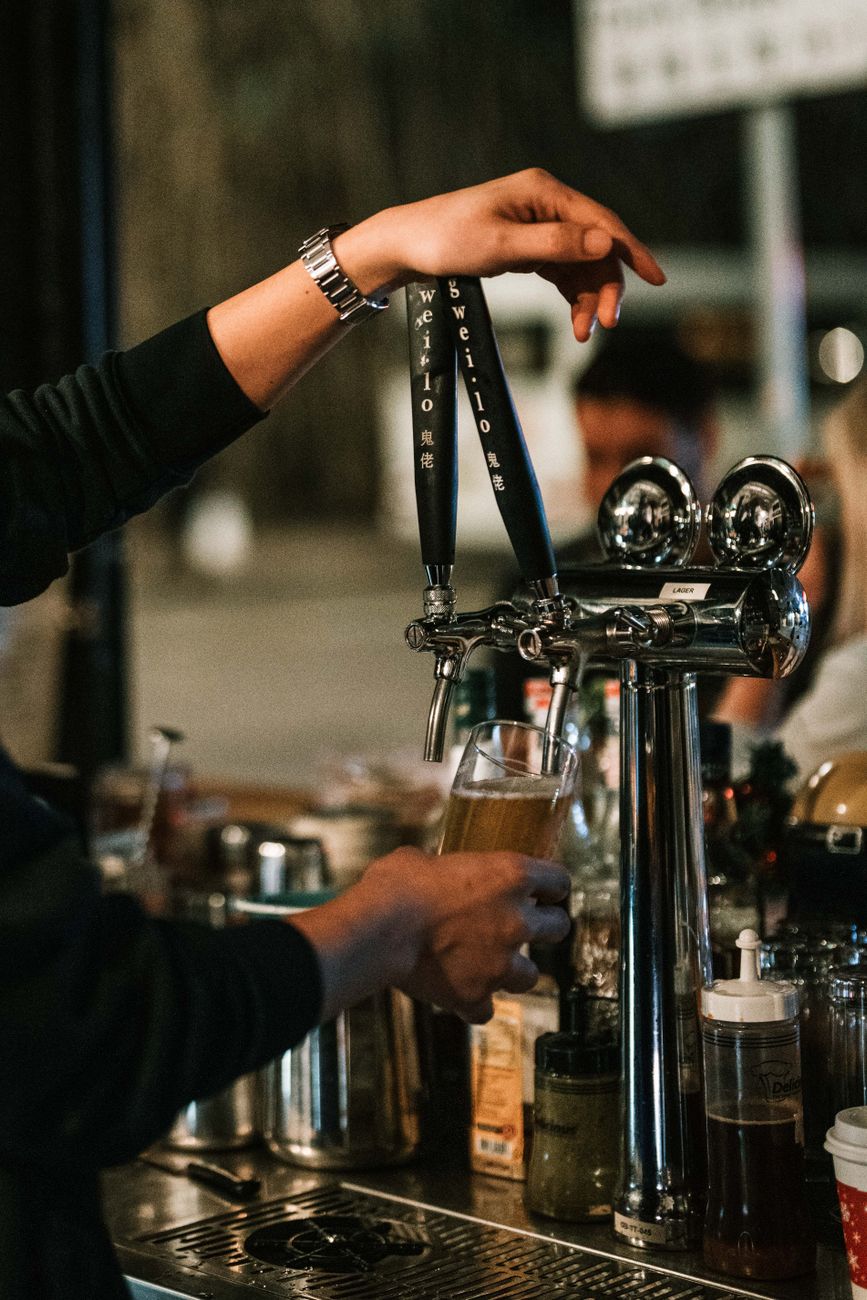
The price point matters because pub maths is never abstract. Once the first beer nudges $15, the tap list starts looking less like a menu and more like a dare. We have all stood there pretending to weigh up hops while actually calculating whether shouting the next one will wreck tomorrow.
As the ABC’s Hobart report noted, punters have not been subtle about it:
“You’ve got to have at least a few beers at home before you go out, otherwise it’s an absolute bloody piss take”
Keegan Richardson, ABC News
Crude? Sure. Accurate? Also yes. Four beers at $15 is $60. Add a couple of shared snacks, a ride home, then the dangerous sentence “I’ll get this one” and the cheap Friday reset has become an event. So people adjust. Pre-drinks stop being a uni habit and become mortgage-age budgeting. The second venue gets dropped. The second night out is the first thing to go.
Smaller cuts happen as well. A pint becomes a schooner. The first drink arrives quickly; the second sits there longer. People meet after dinner so the food bill does not stack on top of the beer bill in the same room. Nobody calls it austerity at the table, because that would kill the mood stone dead, but it is close enough: nightlife trimmed until it fits inside ordinary life.
That is why the Hobart story travels. Nights out are still wanted; they are being rationed. People are optimising instead of disappearing. They want the birthday dinner, the footy watch, the pub band, the catch-up that feels a bit less bleak than plastic chairs in a mate’s garage. They do not want every casual beer to feel like it needs a line in the household budget.
The ABC look at Australian drinking habits caught the cultural side too. Younger Australians seem less wedded to turning every weekend into a dawn finish, and older punters are hardly immune. Plenty of us have drifted into the one-good-night model, partly because the next morning bites harder, partly because the receipt does. Cost of living is doing plenty of the heavy lifting. Habit has climbed aboard.
Pubs now have to sell the whole night
For venues, fewer drinks per head changes the job. A pub has to make the night worth leaving the house for before anyone has ordered the second pint. Cold taps are table stakes now.

In that national ABC report on changing pub culture, hospitality operator Matthew Oates gave the operator’s version of the same squeeze:
“The cost of business is growing every day”
Matthew Oates, ABC News
Punters feel clipped at the bar. Venues feel clipped by wages, stock, power, rent and everything that lands before the first keg gets cracked. The old model, sell enough beer and let the room handle the rest, is shakier than it looks from the footpath. Hobart operators are already talking like that. Khadka wants more reasons for people to come in. Acting Premier Bridget Archer has floated a 50 per cent rebate on live music performer costs for Tasmanian venues. That is the shape of the fix: atmosphere, food, events and repeat visits carrying more of the load once the third and fourth pint stop doing it.
The better local probably looks a bit different from here. More live music that starts at a civilised hour. Specials that do not require a PhD in app coupons. A decent alcohol-free list, so the designated driver is not punished with warm lemon squash. Tighter menus. Fewer dead corners. Much less faith that people will keep drinking just because they are already in the building.
Survival will favour venues that read the room quickly. Sticky-carpet nostalgia only carries you so far. The footy needs to be on, the kitchen needs to be competent, the band needs to be worth hearing and the first drink cannot make people feel like they have made a financial error by walking in. Cheap beer would help, obviously. Charm matters more when nobody can afford a lazy six-hour session.
There is a dry little lesson here for the rest of us. A packed pub used to suggest everyone inside had opened their wallet the same way. Now it mostly proves people still want to be around each other. The spending is choosier, the drinking is more strategic and the loyalty is thinner than operators would like. The pub is not disappearing. The lazy economics around it are.
Most blokes did not need a trend piece to tell them that. You feel it when one mate says one beer turns into sixty bucks, or when the second round gets vetoed before the bartender even looks over. Hobart has handed the shift a tidy, slightly grim image: dancefloor packed, bar half quiet, everybody still out, everybody spending like they already did the sensible bit at home.
The DudeWorld brief
BBQ, tools, camping and footy — the good stuff, weekly in your inbox.
Subscribe