Winter lawn care for couch grass: what to do before spring
Winter lawn care for couch grass is mostly about restraint: mow higher, water lightly, skip feeding dormant turf and get on top of weeds before spring.
If your couch has gone bronze, flat or a bit thin in July, don’t try to bully it into looking like October. Keep it alive. Stop the weeds moving in. Save the money you were about to spend on miracle bottles, and leave enough energy in the runners for spring.
Backyard instinct can trip us up here. Pale grass makes us want to mow it short, soak it, feed it and feel useful. Turf growers read winter differently. Couch is a warm-season lawn in standby mode, so restraint is usually the smarter play.
ABC Gardening Australia comes at it from the homeowner side and lands in much the same spot. Winter work is mostly frost, weeds, soggy soil and traffic. Alive but ugly is not an emergency.
One green strip can lie to you. The patch near the patio might still get sun and dry out quickly, while the fence line sits cold and damp for weeks. Winter couch care gets easier once we stop pretending every square metre is living the same winter.
TL;DR
- Mow less, not more. Couch still moving in a mild patch? Keep it higher, around 25 to 30 mm. No growth, no mow.
- Water lightly and only when it needs it. Winter rain and lower evaporation do most of the work. Wet feet are worse than a dry few days.
- Do not force a dormant lawn. If frost has properly shut it down, skip fertiliser until spring. Feed only the areas still growing.
- Use winter for control work. Get on top of broadleaf weeds, leaf litter, drainage and shade now, before spring growth has to fight through it.
- Do not panic about colour. Bronze or purple tones are normal for couch in cold weather. Dead and dormant are different things.
What winter actually does to couch grass
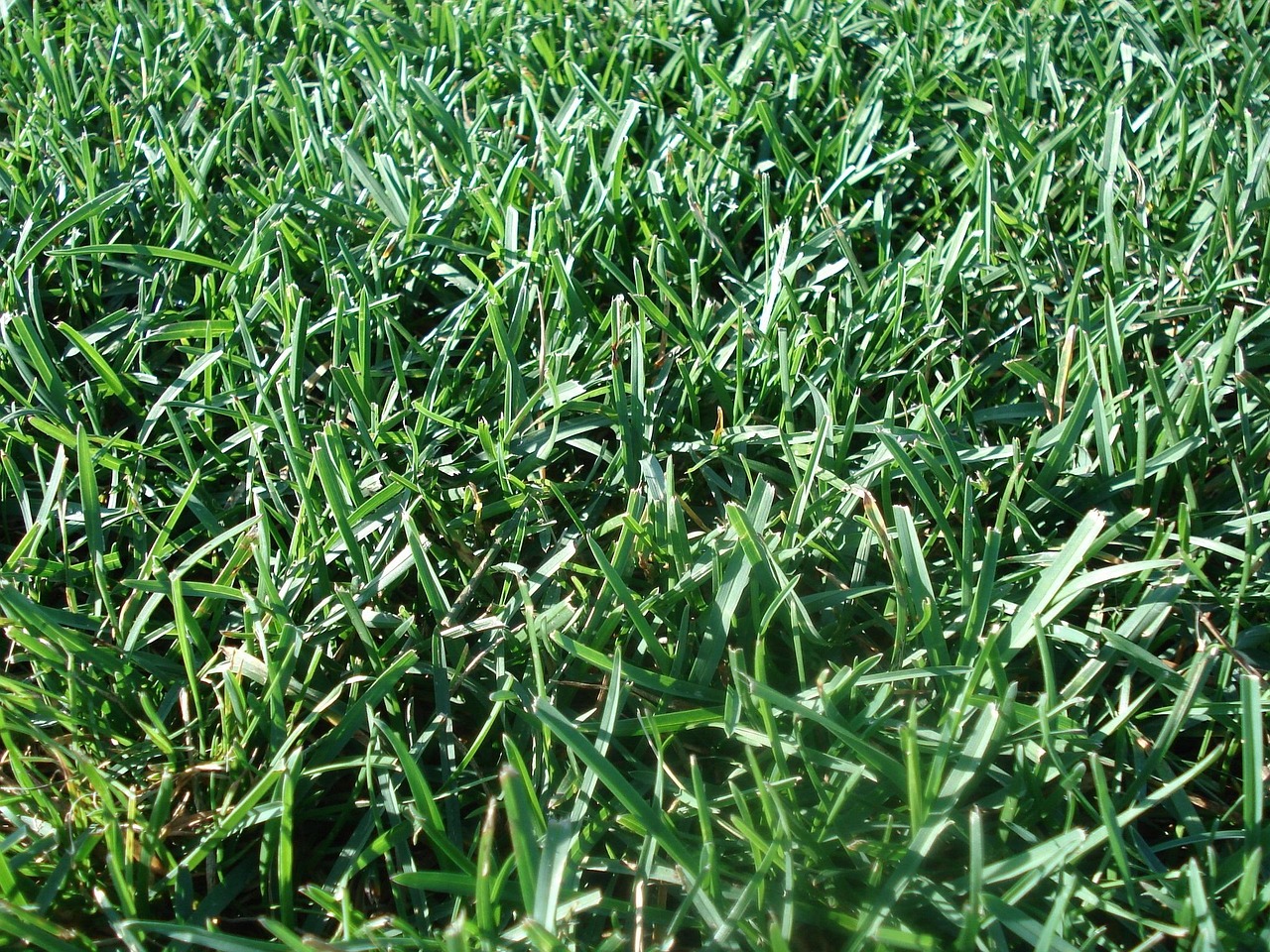
Couch grass is a warm-season lawn. When soil temperatures fall, growth slows, colour drops and the plant protects itself instead of pushing fresh top growth. A lawn that looked mint in late March can look tired by July without being in real strife.
This is the bit we have to get our heads around. Homeowners chase colour because green feels healthy. Turf people are more interested in crowns and runners surviving winter intact. Lawn Solutions Australia and Roberts Turf both frame couch as a grass that wants a lighter hand once the cold settles in.
ABC Gardening Australia’s Judy Horton says it plainly:
Don’t worry if the leaves of buffalo and couch lawns turn bronze or purple in winter – they’ll green up again in spring.
Judy Horton, ABC Gardening Australia
So, has bronzing killed the lawn? Usually no. If the runners are still there, the ground is not staying boggy for days, and the surface is not being hammered every weekend, ugly winter colour is probably just dormancy doing its job.
Mow less, cut higher, and stop chasing stripes
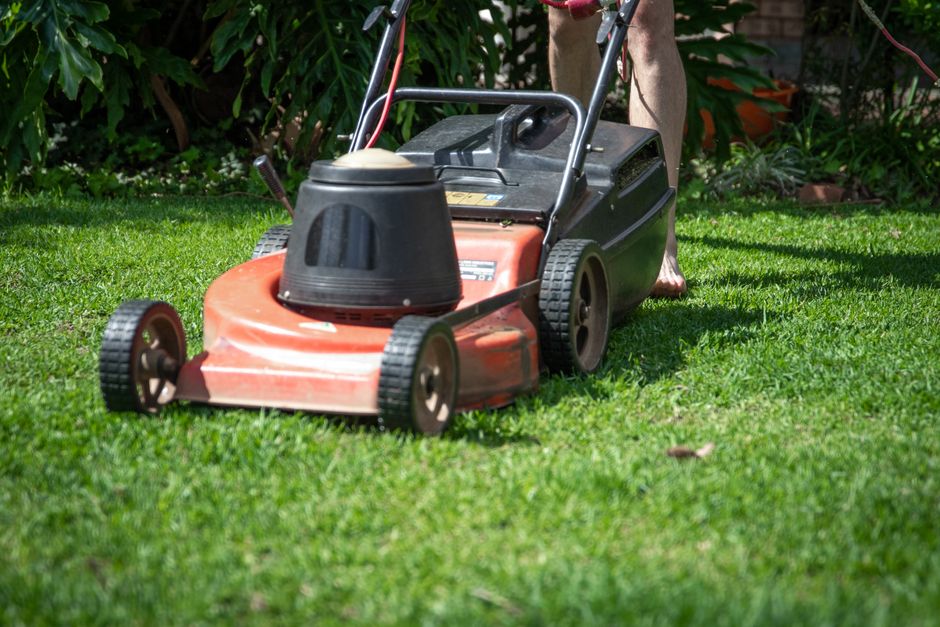
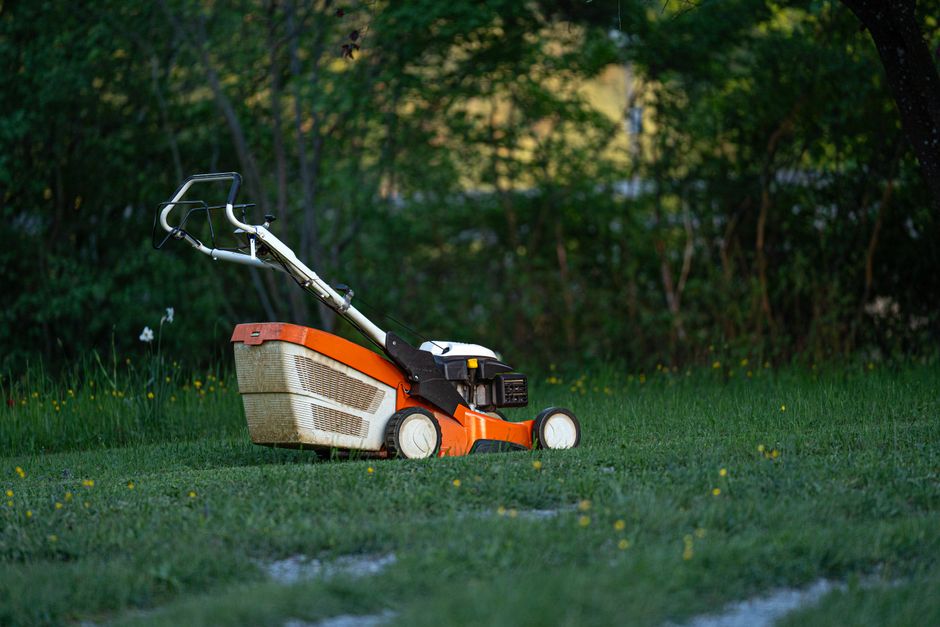
The best winter mowing plan is boring, which is why it works. Roberts Turf suggests about 25 to 30 mm when couch is still semi-active, with mowing stretched to roughly every two to three weeks in mild conditions. Once growth stops, stretch it further or park the mower.
Yates Australia puts it even more bluntly:
Unless absolutely necessary, avoid mowing your lawn during winter.
Yates Australia
That is not permission to let the yard turn into a hay paddock. Mow only when there is actually growth to cut, and do not take off too much in one go. The one-third rule still applies. Scalp a thin winter lawn for a tidy Saturday look and you expose soil, lose leaf area that is still photosynthesising, and give weeds a cleaner runway.
In winter, mowing is not about presentation. It is damage control. A slightly shaggy lawn with leaf cover usually beats a neat scalp once August wind, frost and foot traffic start working on it.
A few small habits help. Keep blades sharp so they cut rather than tear. Skip mowing when the lawn is wet because clippings clump and tyres mark thin turf. One strip getting less winter sun than the rest? Raise the deck another notch there. The whole yard does not need the same haircut.
Water lightly, and only when the soil says yes
Most couch lawns need far less water in winter than we give them. Cooler days, lower evaporation and regular dew keep the profile damp for longer. Yates Australia recommends easing back watering in winter, which fits how couch behaves once growth slows.

A decent backyard rule: water only when the soil has started to dry, not because Saturday morning has rolled around. If the top few centimetres are still holding moisture, leave it. If water beads on the surface instead of soaking in, Yates Waterwise Soil Wetter can help with hydrophobic patches without turning the whole yard into soup.
Sunlight matters here. Roberts Turf says Wintergreen Couch wants at least six hours of direct sun to stay healthy. More water will not change that. A section near the fence or pergola getting weak winter light should be watered less first. Shade plus damp soil grows problems faster than grass.
Nobody wants a fussy winter lawn routine. Good. You do not need one. Check moisture, water early if the lawn genuinely needs it, then go do something better with the morning.
Feeding, weeds and disease: pick the right fight
Winter fertiliser advice gets messy because Australia is not one climate. ABC Gardening Australia says warm, frost-free lawns can handle a slow-release organic feed mid-winter. Roberts Turf says dormant couch should not be fertilised through winter. Both can be right. Active lawn, light feed. Properly dormant lawn, save your money.
For active patches in warmer spots, Yates Dynamic Lifter Lawn Food fits the brief better than a big hit of fast nitrogen. For broadleaf weeds showing up as couch slows, Yates Weed’n’Feed is one option the Yates guide mentions for couch lawns. The bigger rule is simpler: treat the problem in front of you. Do not feed a dormant lawn just because it looks sad.
Winter is not prime growing season for couch, but it is a handy maintenance window. Pull weeds before they seed. Rake leaf litter so the surface can dry. Fix the soggy corner after rain rather than blaming the grass all winter.
Disease risk rises when thin turf stays wet, shaded and smothered. No lab coat required. More airflow, less clutter, fewer needless watering sessions. That will usually do more for a suburban lawn than a trolley full of garden-aisle fixes.
Protect the bits that kill couch faster than cold
Cold alone usually is not the killer. Repeated wear on a slow-growing lawn is. Shade can do it too. So can parking the wheelie bin on the same soft patch every week until the grass gives up.
Kids belting footies across the same goal square? Move the goals. Dog wearing one sprint line from the back door to the fence? Give it another route for a month. Outdoor table sitting on the shadiest bit of lawn from June to August? Shift it if you can. Winter couch does not repair itself quickly, so every bit of traffic hangs around.
Frost asks for patience. Try not to stomp across white, brittle turf first thing in the morning. Wait for the sun to lift it. Fussy? A little. But it is the sort of small adjustment that stops a thin lawn looking flogged by the end of August.
If shrubs or a low branch are stealing the little winter light your lawn gets, prune for access before reaching for more water or feed. Six hours of sun beats most quick fixes.
What we’d actually do this weekend
If the lawn is ours and we only want to spend half an hour on it, this is the winter plan:
- Walk the lawn and work out which parts are dormant, which parts are still slowly growing, and which parts are just shaded.
- Mow only the areas that need it, with the deck high.
- Check moisture before watering. If the soil is still damp, do nothing.
- Clear leaves, kids’ gear and anything else trapping moisture on the surface.
- Pull or treat weeds while they are easy to spot.
- Make one traffic change, even if it is only moving the dog path or the wheelie bin route.
- Leave fertiliser in the shed unless the lawn is still active and frost is not the main story at your place.
Not glamorous. Still, that is the version most likely to give you a lawn that wakes up evenly when the weather turns.
The winter mistakes that usually cost us spring recovery
Most winter lawn dramas come from ordinary habits. Mowing because the calendar says it is mowing week, not because the lawn has grown. Watering by routine instead of checking soil. Feeding dormant turf in the hope that colour equals health. Ignoring shade and traffic because products feel easier than moving furniture or changing how the yard gets used.
None of those mistakes look dramatic on the day. A scalp looks tidy for a weekend. Extra watering feels responsible. A feed feels like action. Then September rolls around and the best patches are the ones we barely touched, while the flogged bits need weeks to catch up.
Choosing between doing something and doing less? Winter couch usually rewards doing less. The exception is control work. Weeds, drainage, leaf litter, compacted paths and heavy shade rarely improve on their own. Put your effort there and save the heroics for spring.
Winter lawn care FAQ for couch grass
Should couch grass go brown in winter?
Yes, often. Bronze or purple colour through winter is normal for couch, especially in colder suburbs and shaded yards. Colour loss on its own does not mean the lawn is dead.
How often should I water couch grass in winter?
Less often than in summer, sometimes much less. Check soil moisture first and water only when the profile is genuinely drying out. Winter couch usually suffers more from staying wet than from missing one watering.
Should I fertilise couch grass in winter?
Only if it is still actively growing and your spot is relatively warm and frost-free. If the lawn is dormant, skip the feed and wait for spring.
What mowing height is best for couch in winter?
About 25 to 30 mm is a sensible guide for semi-active couch. If growth stops, stretch the mowing interval right out or stop altogether until there is enough growth to justify a cut.
Is winter the right time to deal with weeds?
Usually, yes. Weeds stand out more when couch growth slows, and getting on top of them before spring stops them pinching light, moisture and space when the lawn wants to wake up.
The bottom line
Winter couch care is mostly restraint. Protect the plant, handle weeds and moisture, and keep the lawn from becoming another weekend job. Mow less. Water less. Feed only if the grass is still active. Fix shade, traffic and soggy spots now. Give the runners a quiet few weeks to hold together, then let spring do the showing off when the weather lifts.
The DudeWorld brief
BBQ, tools, camping and footy — the good stuff, weekly in your inbox.
Subscribe