Low and Slow in an Aussie Winter: Smoking a Brisket on a Kettle
Smoking brisket on a kettle in winter is mostly a game of heat control, patience and realistic gear, not buying a shiny new smoker.
Wet grass, cold air, black kettle. On a proper Aussie winter morning, the backyard asks the blunt question before anything is even lit: are we cooking, or are we mucking around? The beer can stay in the fridge a bit longer. A brisket cook that looked romantic on YouTube suddenly looks like a long day beside a steel dome in a hoodie. That is why the humble kettle matters. Brisket that only works in kind weather on a cooker that costs a packet is not really backyard barbecue. It is a hobby with better marketing than judgement.
Weekend logic matters more than gear-shed fantasy here. Most of us are not building a Texas shrine out the back. We want one barbecue that can do Tuesday snags, Saturday chooks and, every now and then, something ambitious enough to make the neighbours look over the fence. Michelle Suriano’s FOGO kettle brisket method lands because it treats brisket on a kettle as a job a normal bloke can attempt, not a stunt.
Scepticism still deserves a seat at the table. Matthew Korfhage at WIRED comes at long cooks as a control problem, which is a useful check on all the folklore. Run the day on “she’ll be right” plus the lid thermometer and winter will sort us out fast. The kettle is enough, but only if we stop pretending guesswork is a technique.
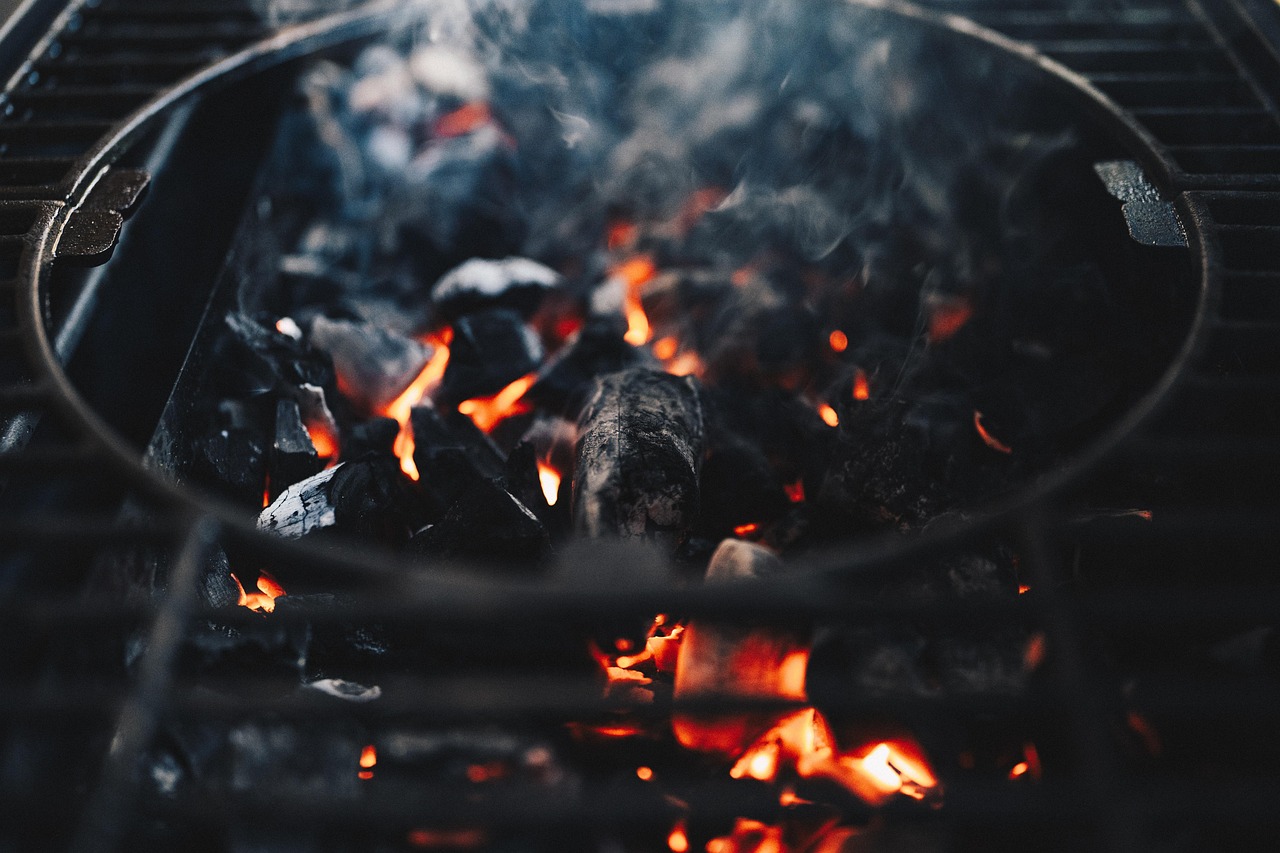
The kettle works when the fire is built for the job
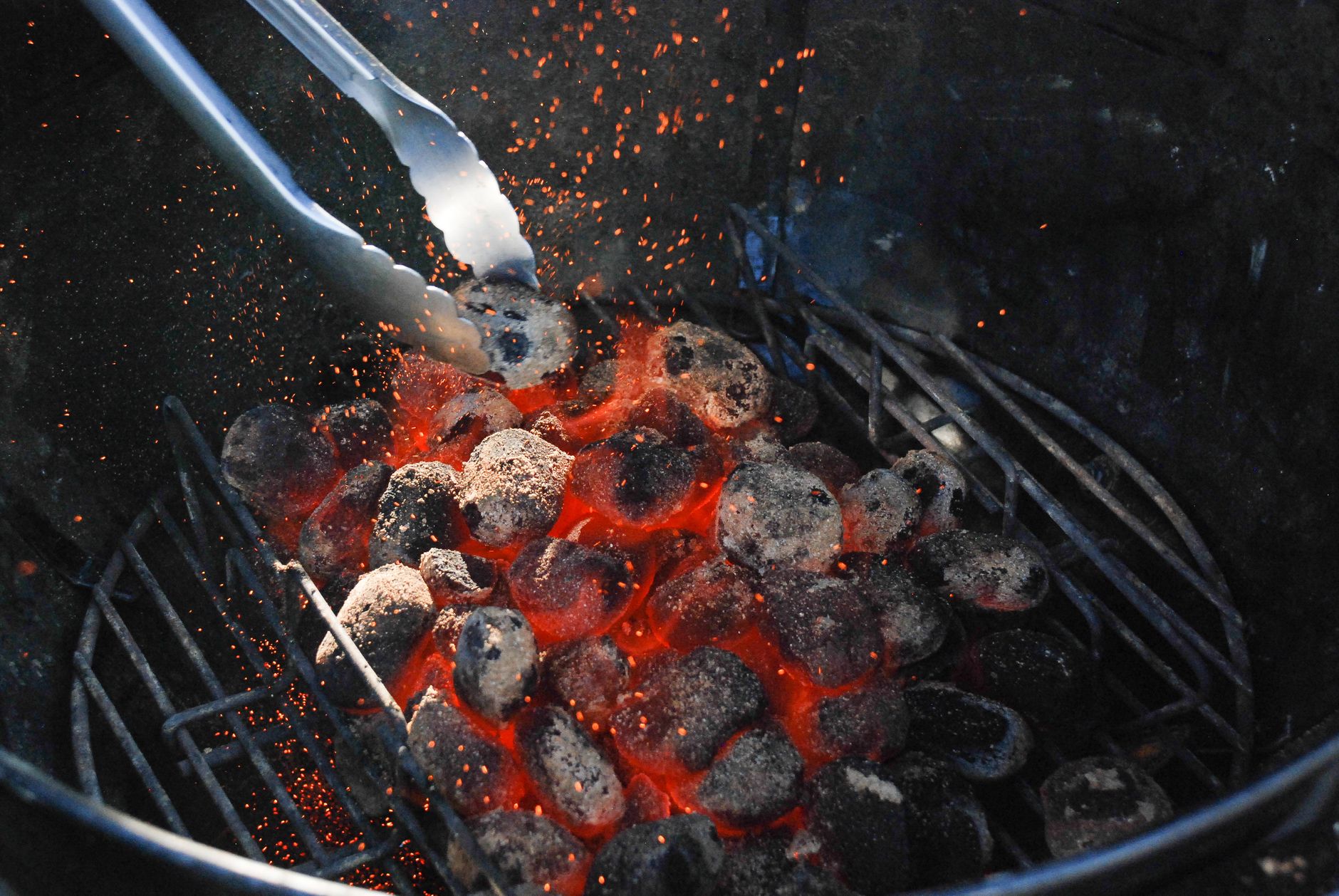
From Weber AU’s snake-method guide, the insider view is reassuringly plain: low and slow on a kettle works because the fire is staged, not dumped in one blazing heap. Weber puts the useful range at 110°C to 135°C and says the snake method can keep a cook rolling for 8 to 12 hours. That matters. Brisket is not a two-hour, chuck-a-few-briquettes-at-it job. Weber’s note that 10 to 12 lit briquettes suits cooks of two hours or less is the quiet admission that serious barbecue needs another setup.
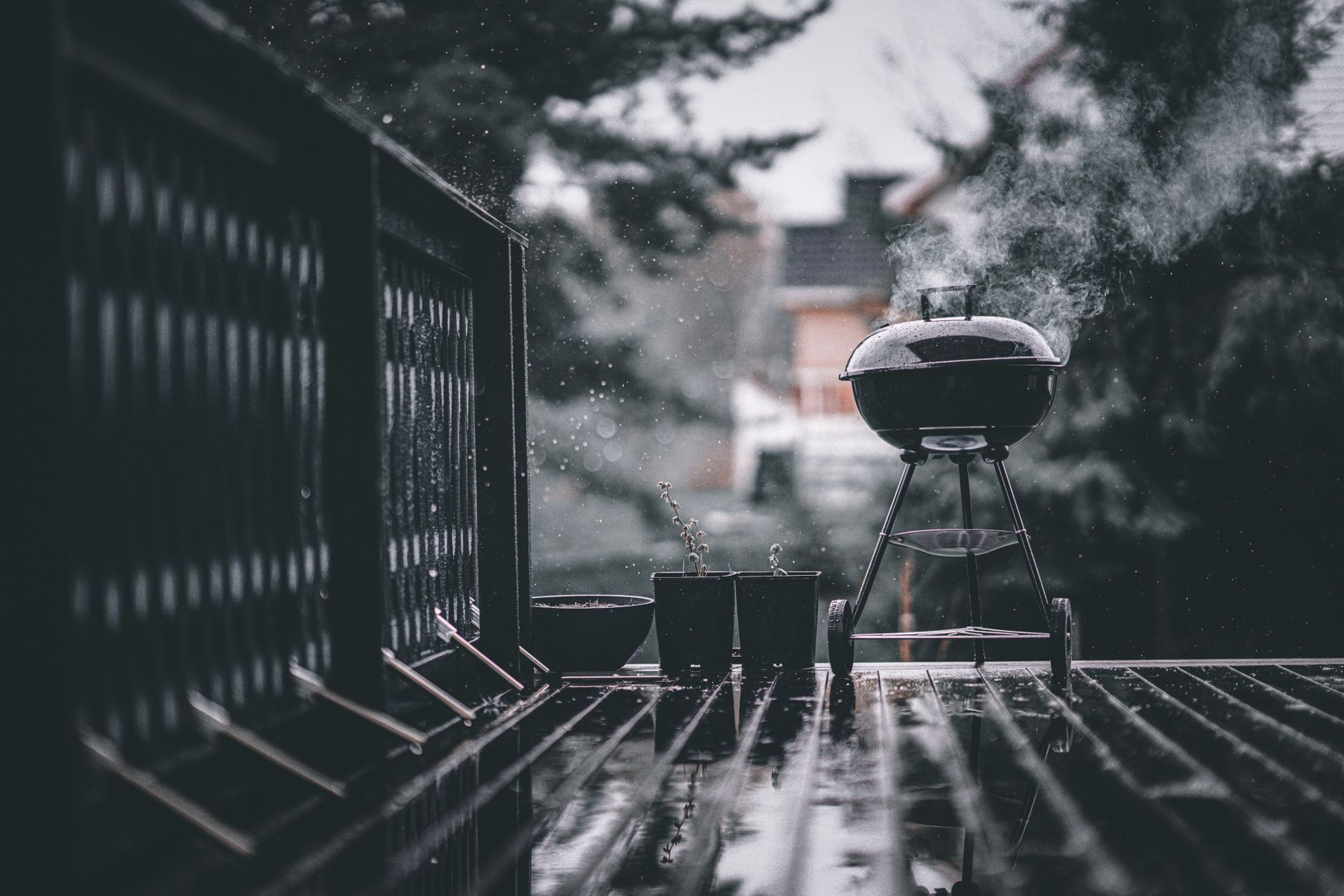
Weber says it plainly:
“Low and slow cooking is another fantastic way to use your Weber® Kettle.”
Weber AU
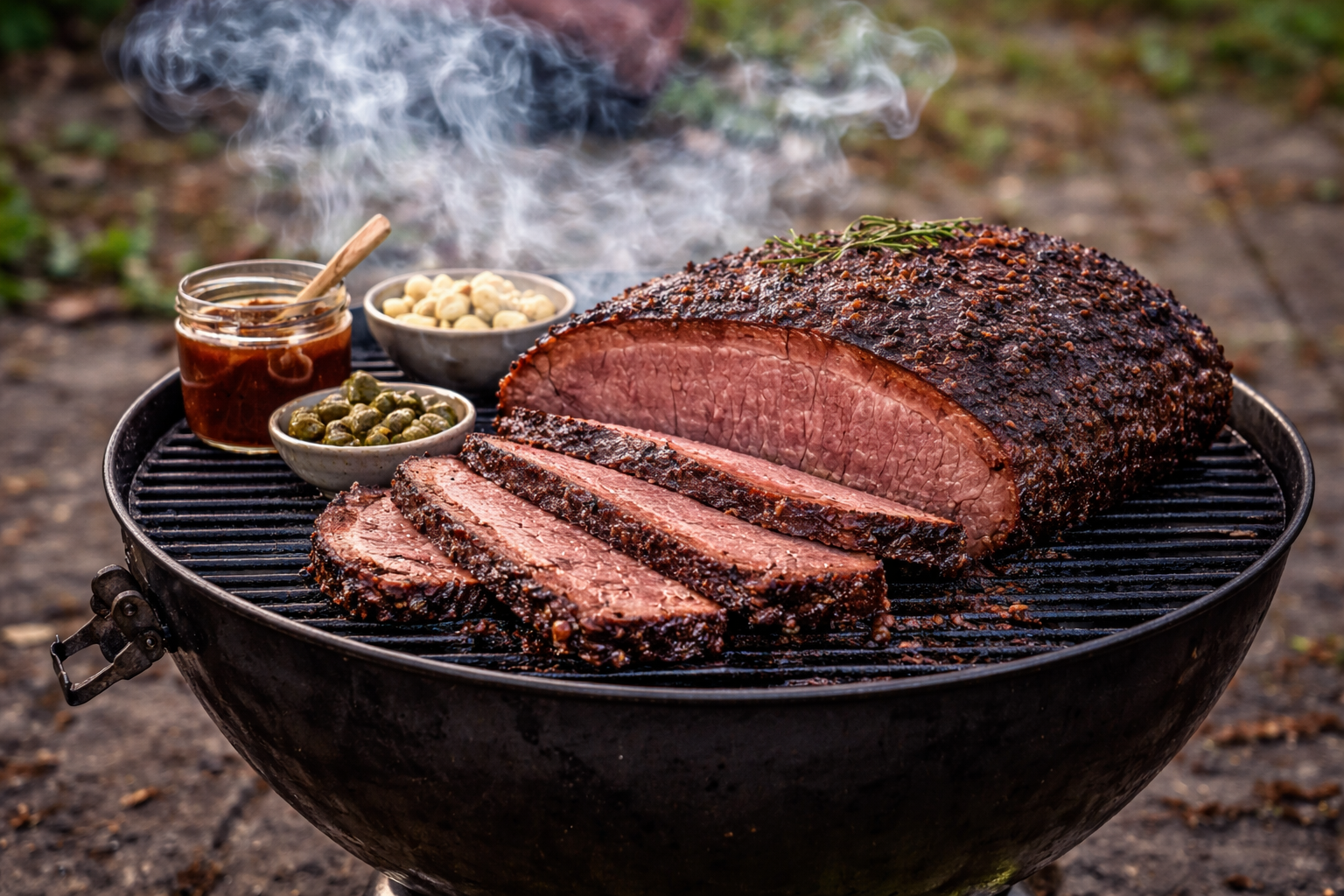
Can a kettle hold the lane long enough for brisket, or are we forcing a burger cooker into a job it hates? Weber AU says yes, as long as we lay the charcoal in a chain and let the fire walk rather than sprint. FOGO says yes from the other end of the cook. Suriano’s brisket method runs a 12 to 15lb cut, roughly 5.5 to 6.8kg, on a kettle at 250 to 350F, or about 121°C to 177°C. Wider than Weber’s teaching range, sure, but useful for that reason. There is room to cook by feel, weather and meat, not by treating the barbecue like a lab bench.
Here is where the kettle earns its keep in winter. A tidy charcoal ring and a bit of patience turn it from the cheap round thing we bought years ago into a proper low-and-slow platform. Still hands-on. Still a little annoying. Real, though. The snake method changes the mood of the whole cook. Rather than feeding charcoal into the fire like a bloke losing to a poker machine, we build the day upfront and let the kettle do its slow, boring work.
Dry beauty, if we can call it that. The kettle does not flatter us with app notifications or coloured touchscreens. It asks for fuel laid carefully, vents watched calmly and restraint when the lid has been shut for twenty minutes and we suddenly decide we are documentary filmmakers who need another peek. For backyard cooks, that restraint is half the battle.
Winter punishes guesswork faster than it punishes cheap gear
Buying a new smoker is not the only answer, because gadgets are not the enemy. False confidence is. Weber warns that the lid thermometer can misread if it is sitting over the briquettes, which means the number we are squinting at from three metres away may tell us more about hot metal than the brisket’s actual world. A digital probe matters more than flash hardware for exactly that reason. One honest temperature read beats a very confident bad one.
Korfhage’s WIRED piece on upgrading Weber and Kamado Joe cookers helps because it treats long barbecue as a control exercise rather than a masculinity ritual. Clever add-ons can help, especially when they stop us making dumb adjustments every ten minutes. Magic, they are not. They give clearer information and, sometimes, steadier airflow. Sloppy charcoal snake, vents chasing every gust, lid opening because we are bored: in all those cases the probe reports the problem rather than solving it.
Suriano’s line on brisket gets closer to the actual mood of a winter cook than most gear talk does:
“Brisket takes a long time to cook but with some tender love and care it can be done on a Weber Kettle.”
Michelle Suriano, FOGO
“Tender love and care” is corny enough to work. It reframes the kettle brisket question. Less “Can this cooker do it?” More “Can we stay disciplined long enough to let a basic cooker do it?” Usually, yes, with a couple of caveats. Winter is less forgiving of lazy vent habits because cold air and wind make us over-correct. Also, the simplest gear list is not the absolute cheapest one. A kettle, solid charcoal arrangement and a digital probe are the minimum grown-up kit. After that, the returns get smaller.
Smart probes can improve a long kettle cook because better information reduces panic. The value is clarity, not automation for its own sake. We would rather have one reliable probe and calm hands than a pile of gadgetry attached to a fire we never properly set up.
The real test is whether a winter brisket still fits a normal weekend
Backyard barbecue is not a forum argument. It has to fit around kids’ sport, a Bunnings run, somebody needing the car, and a cold afternoon that makes a long cook feel twice as long. The kettle still wins hearts because the same cooker can earn its spot all year, then stretch into brisket duty when we feel ambitious. In Guardian Life’s recent BBQ testing, the Weber Bar-B-Kettle still comes off as the best overall charcoal option because it is durable, straightforward and broadly useful. Practicality over theatre.

A quieter point sits inside Weber UK’s beginner brisket recipe. Beginner brisket on a kettle is framed as achievable, but not casual. That sounds right. A kettle brisket is realistic for a winter weekend, just not in the fantasy version where we decide at 11am and eat perfect slices at six without checking the weather, the charcoal or our own patience. Better frame: prep the meat the day before, light early, cook steady, let it rest properly and treat the meal as a late lunch or a dinner that slides when it needs to.
Timing matters because it stops brisket becoming one of those blokesy promises that quietly wrecks the day. Need certainty for a six o’clock family feed? Pick a chook, lamb shoulder or beef ribs. They are more forgiving. If the goal is a winter Saturday spent doing one thing properly, with the payoff arriving when it is ready, the kettle makes more sense than a lot of people admit.
Pricier smokers promise easier wins, and fair enough. Convenience cookers solve the labour problem. The kettle solves the value problem. It is cheaper to own, easier to justify and better at being an all-rounder once the brisket experiment is over. We know the trade: more attention for less cash, more fiddling for more flexibility, a bit less certainty for less guilt when the thing sits unused for a fortnight.
What we would do in an Aussie winter backyard
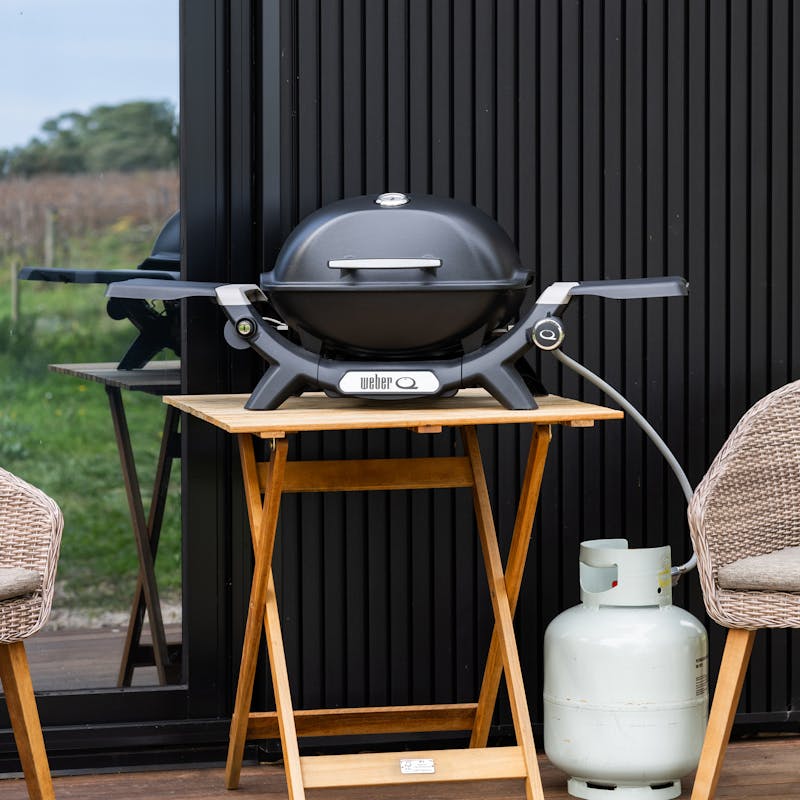
Starting from scratch, we would buy the Weber Original Kettle Premium 57cm Black, build a tidy charcoal snake, and use sensible fuel rather than whatever half-damp leftovers are living in the shed. Following the FOGO route closely means a bag of FOGO Premium Lump Charcoal 35lbs Black Bag and some FOGO Starters All Natural Premium Firestarters. Add one good digital probe, keep the lid shut more than our ego wants to, and plan the day around patience rather than speed.
Nobody should promise themselves the kettle is as easy as a dedicated smoker. It isn’t. Winter makes the cook harder too. Brisket is probably not the smartest way for a first-timer to learn fire management, either. Still, smoking one on a kettle in an Aussie winter is worth doing because it turns ordinary backyard kit into something more interesting without demanding we buy a whole new identity.
That is the appeal. The kettle sits between thrift and obsession. Familiar enough to use without ceremony, capable enough to reward effort, unforgiving enough to keep us honest. When the brisket lands, it feels earned. When it does not, the lesson is usually clear and not ruinously expensive. Next time can be better without an apology to the bank account.
Winter brisket on a kettle is not a silly macho project. It is one of the better arguments for owning a kettle in the first place. Go in with the right expectations: fire control over fantasy, patience over peacocking, and a day built around the cook rather than against it. Do that, and the old round barbie in the corner starts looking less like the budget option and more like the smart one.
The DudeWorld brief
BBQ, tools, camping and footy — the good stuff, weekly in your inbox.
Subscribe