The winter jumper fight every dad knows
Kids refusing jumpers in winter is usually about comfort, control and sensory overload, not cheek. Here's what actually helps on cold school mornings.
At the front door in July, every dad ends up in the same little hostage situation. Shoes on. Lunch boxes packed. Car fogging up out the front. Then the whole morning stops because one school jumper is sitting on the bench like a loaded trap. We say it is freezing. The kid says they are fine. We say put it on. They plant their feet.
According to ABC’s recent reporting on the jumper battle, that argument usually is not about a child being magically immune to winter. They are reading their body right now. We are reading the forecast, the wind, the late bell and the fact nobody wants a 7.45am negotiation to become a full domestic. Different argument.
After the third lap of the house, it can look like pure stubbornness. Joshua Pate’s piece in The Conversation and ABC’s reporting with paediatric and psychology voices land somewhere calmer. Kids do feel the cold. They also run warmer than we do, move more than we do, and can react harder to a scratchy, bulky or restrictive layer than we remember. The school-run stoush is often about comfort, control and sensory load as much as temperature.
Once you see it that way, the fix changes. If the problem is safety, we overrule. If the problem is a thick jumper with a rough collar and a kid who wants one scrap of control over their own body, shouting louder is about the least useful tool in the shed.
Kids are not lying when they say they’re fine
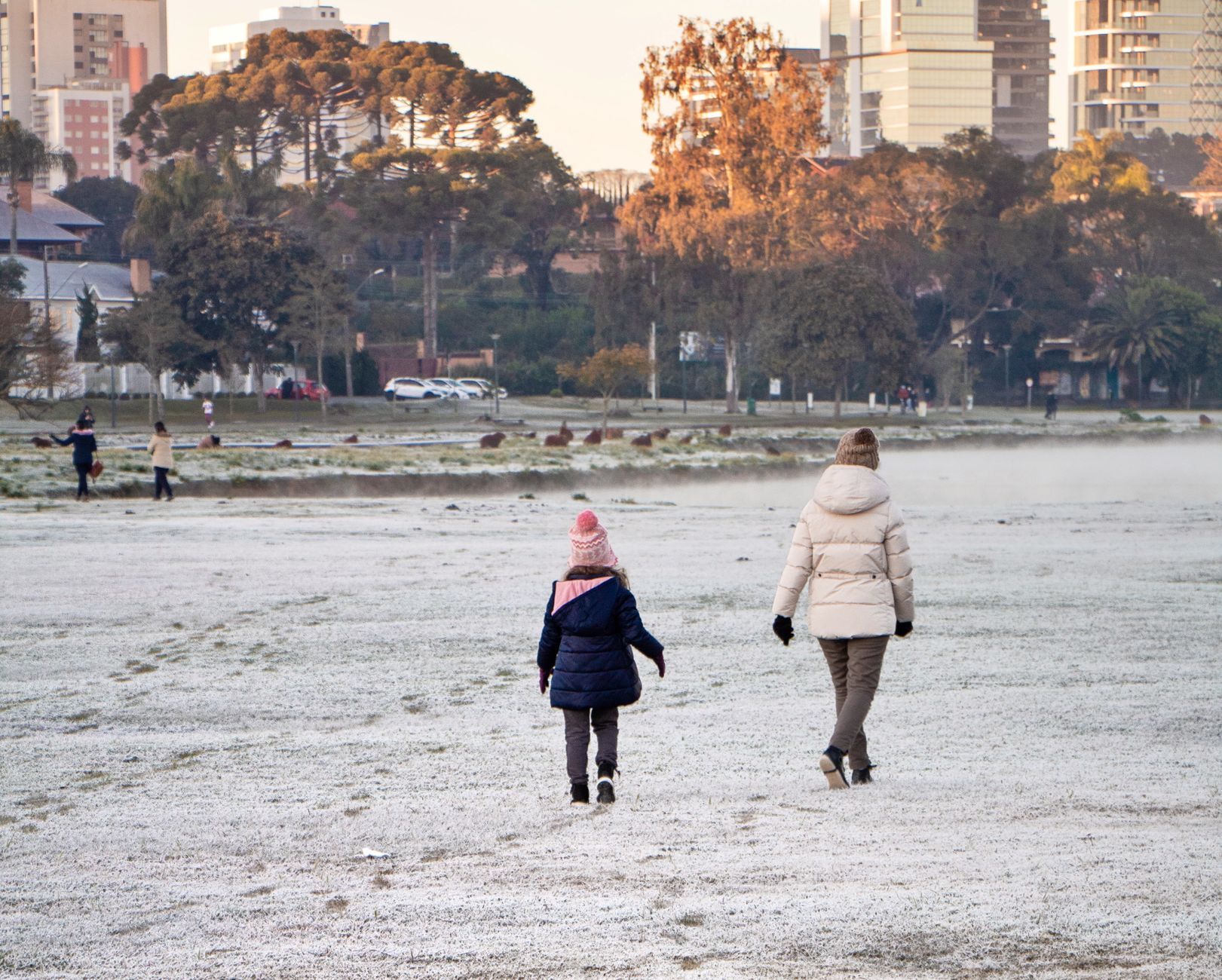
Most adults judge cold while standing still: making lunches, scraping the windscreen, waiting for the kettle. Kids judge it while wriggling, running and ricocheting off furniture. That gap is not imagined. A 2024 indoor physiology study found children aged 6 to 9 had a 39% higher metabolic rate than adults under the same sedentary indoor conditions. Even sitting still, they were making more heat than the grown-ups in the room.
None of that makes them tiny furnaces who never need a layer. It does mean the kid saying, “I’m not cold,” may not be bluffing. They might be telling the truth about the next ten minutes, while we are thinking about the commute, the wet oval at little lunch and the wait outside the classroom before the bell.
In The Conversation, Pate puts that distinction neatly:
“So ‘I’m not cold’ can mean ‘I can feel it and I’m comfortable’.”
(Joshua Pate, The Conversation)
For dads, that is a handy reset. It moves the conversation away from “you’re wrong” and toward “what conditions are coming next?” We do not need to win the philosophy debate at the front door. We need to make a decent call for the next hour.
Clear lines still exist. Harriet Hiscock told ABC News there is no automatic health penalty for a child briefly feeling cool, and being cold does not cause a cold. A long wait at sport is different. So is a wet morning, a biting wind, a crook kid, or a child who will be outside and still for a while. An older cold-exposure study covering children aged 15 months to 3 years and their mothers is a reminder that age, body size and what the child is doing all matter. Standing around is not the same as sprinting to the car.
Maybe the first useful question is not, “Who’s right?” It is, “What kind of cold are we dealing with?” If it is a five-minute dash from house to car to classroom, we can usually afford a bit of flexibility. Wet, windy or prolonged is different. Then we stop pretending this is debate club and pack or insist on the layer.
Sometimes the jumper is the problem

Here is the humbling shift: sometimes the jumper is actually awful.
Adults see “one extra layer”. Kids feel the tag at the neck, the cuff bunching under a coat, the zip rubbing their chin, the wool that feels fine to us and scratchy as all get-out to them. That does not make the child precious. It makes them the poor bugger wearing the thing.
Pate again:
“A jumper creates its own sensations. It may feel scratchy, bulky or restrictive.”
(Joshua Pate, The Conversation)
Accept that and the morning changes shape. We stop delivering weather lectures and start looking at the gear. Is the school knit itchy? Is the puffer so stiff the kid cannot move properly? Is the base layer too warm indoors, so they are already cranky before breakfast is over? ABC’s reporting on winter-clothing battles and Harvard’s take on coat wars and child independence both point to a pretty plain truth: when kids feel cornered about clothing, resistance hardens fast.
The sensory lens earns its keep here. A tired parent thinks, “Mate, it’s just a jumper.” Better question, more annoying: what exactly is bothering them? The thickness? The seam? The collar? The way it kills their arm movement? Annoying at 7am, yes. More likely to help tomorrow, also yes.
Fixes are rarely cinematic. Usually they are small. A softer layer. A lighter mid-layer instead of the chunky school knit. A vest instead of sleeves. Let the kid try two options the night before, when nobody is late. Carry the jacket rather than forcing it on. None of that looks like old-school tough parenting. All of it beats a ten-minute fight while the toast goes cold.
Better still, it stops us turning winter into a false moral test. Plenty of dads grew up hearing that a “good kid” puts the coat on first time. Fine. A school morning is not the place to rerun our own childhood. The job is getting everyone out the door warm enough, on time, and without torching the family mood before 8am.
The real battle is control, not character

Every parent recognises this part, even if we would rather not say it out loud. The jumper fight often has very little to do with the jumper. It is a child trying to hold one small patch of control in a morning where adults set the clock, the breakfast, the shoes, the car seat and the destination.
No wonder the ugliest version tends to land around the ages where independence spikes. ABC’s reporting notes that ages 2 to 5 are often peak clothing-control years, but any school-age kid can turn a layer into a line in the sand if they feel pushed hard enough. Harvard’s education piece on the classic “put your coat on” battle makes a similar point from another angle: clothing can be self-expression, competence and autonomy, all bundled into one annoying morning argument.
Useful wording is pretty plain. Calm, limited choices do better than speeches. “Wear the jumper now or carry it in your bag.” “Puffer or vest?” “You can be cold for the walk to the car, but you’re taking the layer.” The aim is not to sound like a parenting podcast. It is to lower the stakes enough that the kid gets a small bit of ownership without you giving away the safety call.
Dad pride often wants the clean win: kid in jumper, zip up, case closed. Real winter mornings are messier. Often the better result is the layer goes in the backpack, the house stays calm, and the child has the option when the weather changes or the playground run ends.
Hiscock’s line to ABC is worth keeping in your back pocket:
“There’s no known health risk. Being cold doesn’t mean you get a cold.”
(Harriet Hiscock, ABC News)
Please do not read that as a licence to send kids out underdressed. It is permission to stop treating every blast of cold air like a medical emergency. If the child is dry, moving, and carrying a layer, we can afford to be a touch less dramatic than our own parents were.
The practical dad verdict
Our read is simple. If the weather risk is real, wet, windy, long exposure, a crook kid, a freezing sideline, you insist on the layer and live with the grumbling. If the risk is low and the fight is really about texture, timing or control, save your energy. Pack the jumper. Offer the lighter option. Move on.
Underneath it all are three ordinary truths. Kids may honestly feel warmer than we do. The fabric and bulk can be the whole problem. Turning a minor clothing call into the emotional centrepiece of the morning can do more damage than the cold.
Forget the clean obedience win. The useful win is reading the situation properly: know when cold is just cold, know when clothing is the issue, and know when the fastest path to a decent morning is letting the jumper come for the ride instead of forcing it onto the body.
Every dad wants a smoother school run in winter. Most mornings, that starts by admitting the jumper fight is not really about the weather at all.
The DudeWorld brief
BBQ, tools, camping and footy — the good stuff, weekly in your inbox.
Subscribe