AI wildlife warning signs hit NSW roads for dawn drives
AI wildlife warning signs are being trialled on the Monaro Highway as NSW tests whether camera-linked alerts can cut dawn and dusk animal strikes.
If you’ve ever rolled down a country road before sunrise and eased off because the scrub beside the bitumen looked busy, NSW’s AI wildlife warning trial on the Monaro Highway is easy enough to understand. The tech matters less than the problem. A kangaroo through the front of a ute can turn a work run, a camping weekend or a tow home into a very expensive mess.
The state government says PAWS uses cameras and smart signs to detect movement and warn drivers in real time on a Monaro Highway trial site near Michelago. NSW has put $500,000 into wildlife protection technology trials, and the ABC reports animal strikes kill about 10 million animals on Australian roads each year. The appeal is plain: warn drivers when something is actually near the road, rather than hoping they keep noticing the same yellow sign every trip.
That’s the bit we care about. A camera-linked sign only has to buy a few extra seconds on a dawn or dusk run to matter, especially with a van or trailer behind the ute. NSW Roads Minister Jenny Aitchison put it this way: “It gives them time to slow down and be ready for the animal, so that the animal can hopefully get off the road in time.”
There is still reason to keep both boots on the ground. About Regional reported that 70 locations were assessed before the Monaro corridor was chosen, which tells you the risk is well known and not easy to fix. Wildlife rescuers are part of the conversation too, and that matters because local crews usually know the repeat strike zones better than any launch-day map.
The real test is whether drivers trust it
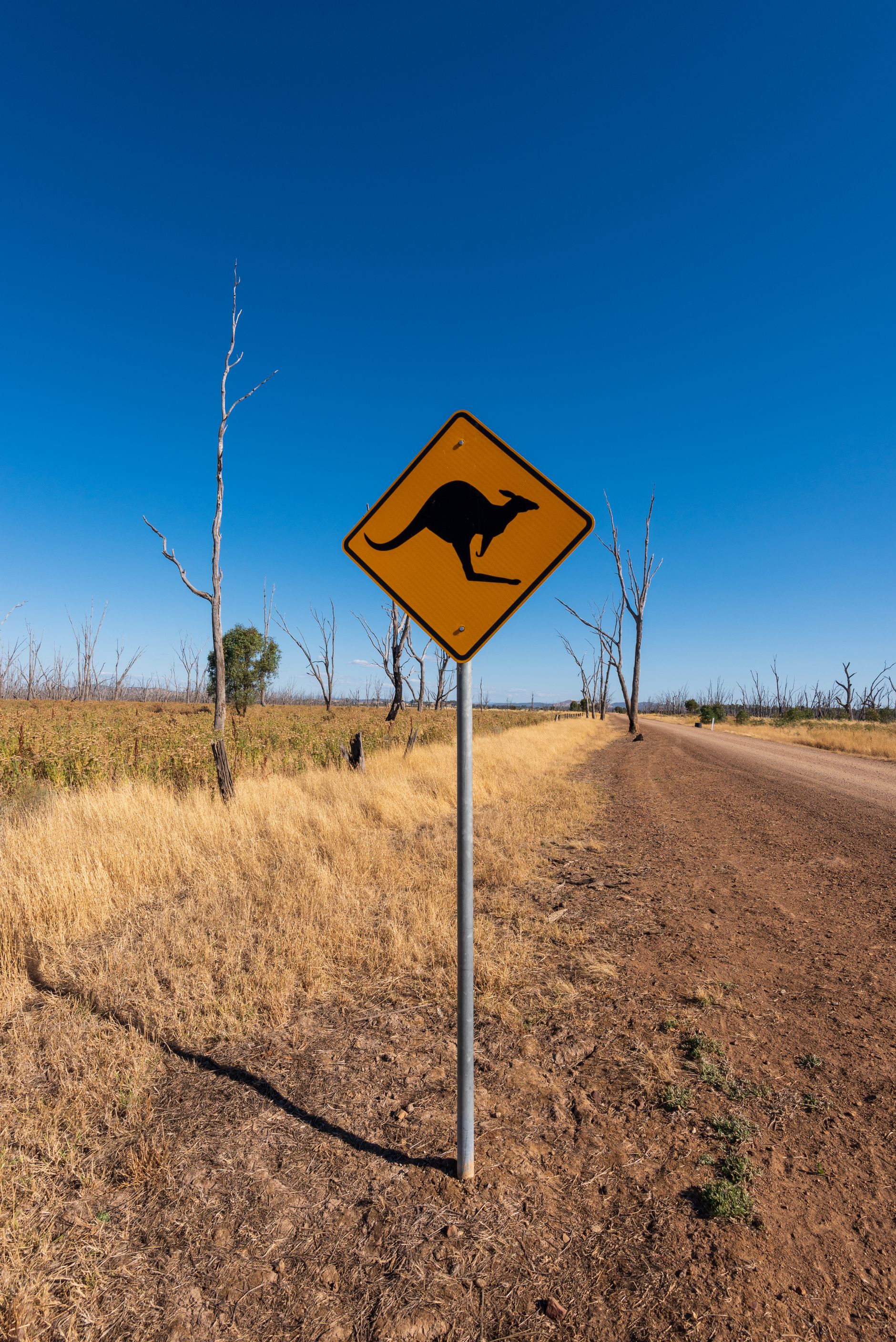
The weak spot in most wildlife warning setups is not the sign. It is what happens after motorists have passed it for the hundredth time. Wildcare Queanbeyan president Elena Guarracino told the ABC that static warnings lose their punch once drivers stop really seeing them: “They might initially warn the motorists that there is wildlife in that area, but drivers get habituated to those signs.”
PAWS is betting that a sign which only lights up when an animal is moving nearby will cut through more often. Fair enough. But early reporting still describes the footprint differently, with the ABC referring to a 300 metre section near Michelago and About Regional describing a longer Monaro stretch between Bredbo and Williamsdale.
That is not a reason to bin the idea. It does show the launch phase is still light on the data that matters: how often the system triggers, how many false alarms it throws and whether drivers actually slow down when the sign lights up. If the live alerts prove more believable than painted warning boards, they could be genuinely useful on high-risk dawn and dusk runs. If drivers tune them out, the system becomes another clever roadside idea that looked better in the announcement than it did from behind the wheel.
We will know more when the trial produces behaviour data rather than launch-day optimism. Until then, this sits in the promising category because it is trying to solve a very old Australian driving problem at the exact moment the driver can still do something about it.
Tommo splits his weekends between the high country and the footy. He writes about camping, 4WDing, fishing and the general business of being a husband and dad who still gets a leave pass. Drives a diesel he refuses to shut up about.
The DudeWorld brief
BBQ, tools, camping and footy — the good stuff, weekly in your inbox.
Subscribe