Coffee bean prices 2026: why the home setup finally adds up
Coffee bean prices are pushing more drinkers toward whole beans and home espresso, making a grinder and machine look less indulgent.
When the morning flat white starts feeling like a sneaky direct debit, even blokes who swore they’d never fuss over grinders start doing the sums. The coffee habit is not going away. It is just shifting postcode, from the café counter to the kitchen bench, because the dearer the daily cup gets, the easier it is to justify better beans at home.
Here is the real story inside the latest coffee-price chatter. Reuters reported that 85% of US coffee drinkers had coffee at home yesterday, the highest share in 14 years, while the National Coffee Association said 58% of adults had specialty coffee in the past week. Different market, sure, but the behaviour makes sense on this side of the world too: when the café run bites harder, people do not quit coffee first. They look for a cheaper place to drink the good stuff.
But the home-setup argument only works if the home cup is actually good. That is the sceptic read on this whole thing. A machine that costs real money, chews through beans and then sits there crusted in old scale is not a saving. It is a chrome monument to a phase. The question is whether rising bean prices are making better home gear practical, not whether coffee blokes can invent a new excuse to buy kit.
People are not drinking less. They are buying differently.
The insider view is plainer. Lavazza chair Giuseppe Lavazza told the FT that consumers may prefer “less but better”, and that fits the sales mix now showing up in retail. FT’s numbers point to 20.3% growth in whole-bean coffee sales by volume and 33.5% growth in bean-to-cup machine sales, which tells us the spend is moving up the quality ladder even while households stay price-sensitive.
“Maybe they prefer to consume a little less but better.”
— Giuseppe Lavazza, FT
If we read coffee through the analyst lens, this is not a collapse story. It is a channel-switch story. In Bloomberg’s analysis, carried by Yahoo Finance, commodities researcher Kona Haque said shoppers have been trading down, and a Citi survey found 37% of consumers were making more coffee at home. That is the subtle but important shift. People may buy fewer café cups, smaller treats and cheaper formats in one part of the week, then spend what is left on fresher beans for the cups they make themselves.
“They have been trading down.”
— Kona Haque, quoted in Yahoo Finance / Bloomberg
So why do whole beans matter? Pre-ground coffee can save a few dollars or a few minutes, but the taste falls off quicker and the result feels like a compromise. Whole beans let people cut the café visit while keeping one piece of the ritual worth having. In a cost squeeze, that middle ground is powerful.
Whole beans and a decent machine are now the middle ground
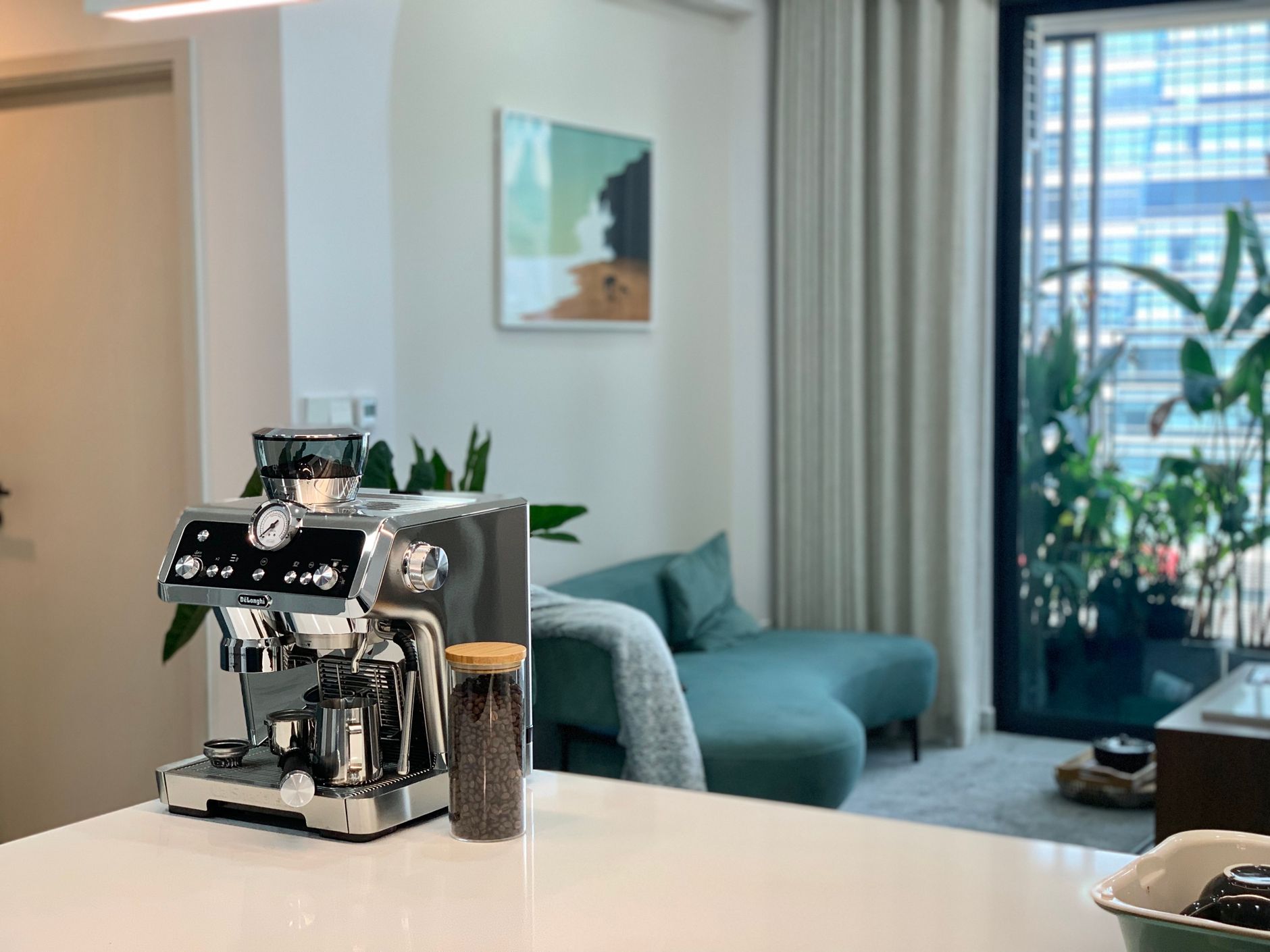
Whole beans used to read as hobbyist territory, the domain of blokes who talk water temperature before 7 am. Now the mainstream gear market is catching up. Australian deal roundups are treating Breville and De’Longhi coffee machines as ordinary kitchen purchases, not rarefied café cosplay, and Bon Appétit makes a similar case for buyers who want proper espresso without turning every cup into a science project. That matters because the new home coffee buyer is not chasing perfection. He is chasing a cup good enough to replace a $5 or $6 habit.
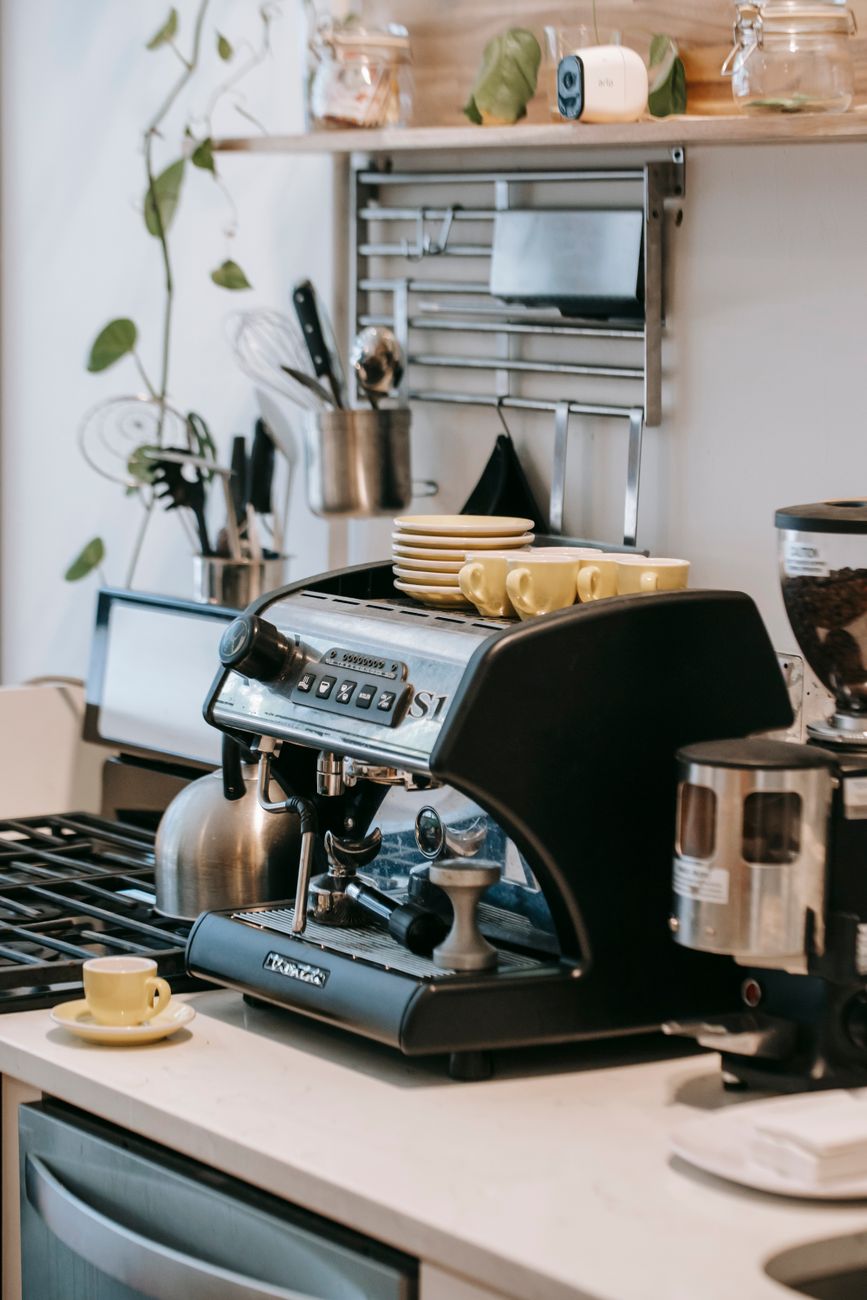
The builder-optimist case is straightforward: fresher beans, a half-decent grinder or bean-to-cup machine, and a bit of repetition can close most of the gap between home coffee and the café. Not all of it. We are not pretending your first Monday morning pull is suddenly better than the local barista’s. But it does not need to be. It only has to be good enough often enough that you stop buying the fallback cup out of habit.
Dearer coffee can lift gear sales for a simple reason. When the café cup felt cheap enough, home espresso was a luxury hobby. When the café cup keeps nudging up and bean prices stay jumpy, a machine starts to look like a cost-control tool with side benefits. Once Amazon AU starts throwing Prime Day-style discounts around, the sticker shock softens again. Better taste is nice. A habit you can bring in-house is better.
The payback still depends on maintenance, not just maths
This is where the sceptic gets his say, and fairly so. The home setup does not pay back on the sticker alone. It pays back when you use it most days, buy beans you actually enjoy, and keep the thing clean enough that it does not turn expensive beans into burnt mud. Wirecutter’s guide to cleaning a coffee maker is a handy reminder that ownership has a maintenance cost, even if it is mostly vinegar, descaler and remembering to do the boring bit.
In a volatile market, the maintenance point matters even more. If bean costs keep swinging, chasing the absolute cheapest bag can be false economy. Better to buy beans you will finish fresh, keep the machine running properly, and know what sort of cup you can get from your own setup on a rushed Wednesday. Coffee is moving into the same category as a decent barbecue thermometer or a sharp kitchen knife: not cheap, not essential, but very easy to justify once the daily alternative gets silly.
For an Australian kitchen, that means the home coffee setup is looking less like a flex and more like a hedge. Not a perfect one, and not a free one. But if prices keep pushing drinkers to choose fewer cups and better beans, the bloke with a clean machine, a grinder he actually uses and a bag of fresh whole beans in the cupboard may end up feeling like the sensible one after all. Strange times. The coffee nerd might have been doing value maths all along.
Former chippie who did a decade on Sydney building sites before the tool reviews took over. Mick covers power tools, DIY, the shed and everyday-carry gear. If Bunnings sells it, he has an opinion on it.
The DudeWorld brief
BBQ, tools, camping and footy — the good stuff, weekly in your inbox.
Subscribe