The dads teaching boys a better way to be blokes
Healthy masculinity starts at home. When dads show boys how to talk, care and stay connected, the old shut-up script loses its grip.
Most Aussie blokes can fix a trailer light, coax a wet fire into life and get through work half-buggered. Let the conversation turn emotional, though, and suddenly everyone is very interested in the kettle. The old boys-don’t-cry script rarely arrives as a lecture. More often it is a shrug, a joke, a quick “you right?” from the kitchen doorway, then a change of subject before anything real gets a boot in the door.
Raise boys for long enough and that silence stops looking like a private quirk. Around the house, it becomes part of the furniture. ABC’s recent reporting on “expansive masculinity” used the story of Sydney dad Alex McMillan to show fathers trying to break that hand-me-down habit before their sons inherit it whole. Nobody needs every family chat to become group therapy. Boys just watch what we do when feelings get awkward, then copy the move.
That makes The Man Cave, the charity Ben Vasiliou helps run, worth a look. Its staff have found boys will talk when the room feels like theirs, not another adult sermon with nicer posters. The argument is not whether masculinity is good or bad. Better question: do boys get a version of being a bloke that leaves room for care, honesty, mateship and a bit of emotional range before the hard stuff turns into anger, withdrawal or silence?
Teenage boys need a safe space for messy, sometimes politically incorrect conversations.
Ben Vasiliou, ABC News
Boys copy the bloke in front of them more than the bloke on the screen
Influencers make the noise. The first draft of masculinity is still usually local: dad, stepdad, pop, the uncle who does footy pickup, the neighbour who can change a tyre and talk without sounding like he is under cross-examination. For ordinary households, that is why the father-son angle in the ABC piece lands. It drags the whole thing out of internet panic and back to the breakfast table.
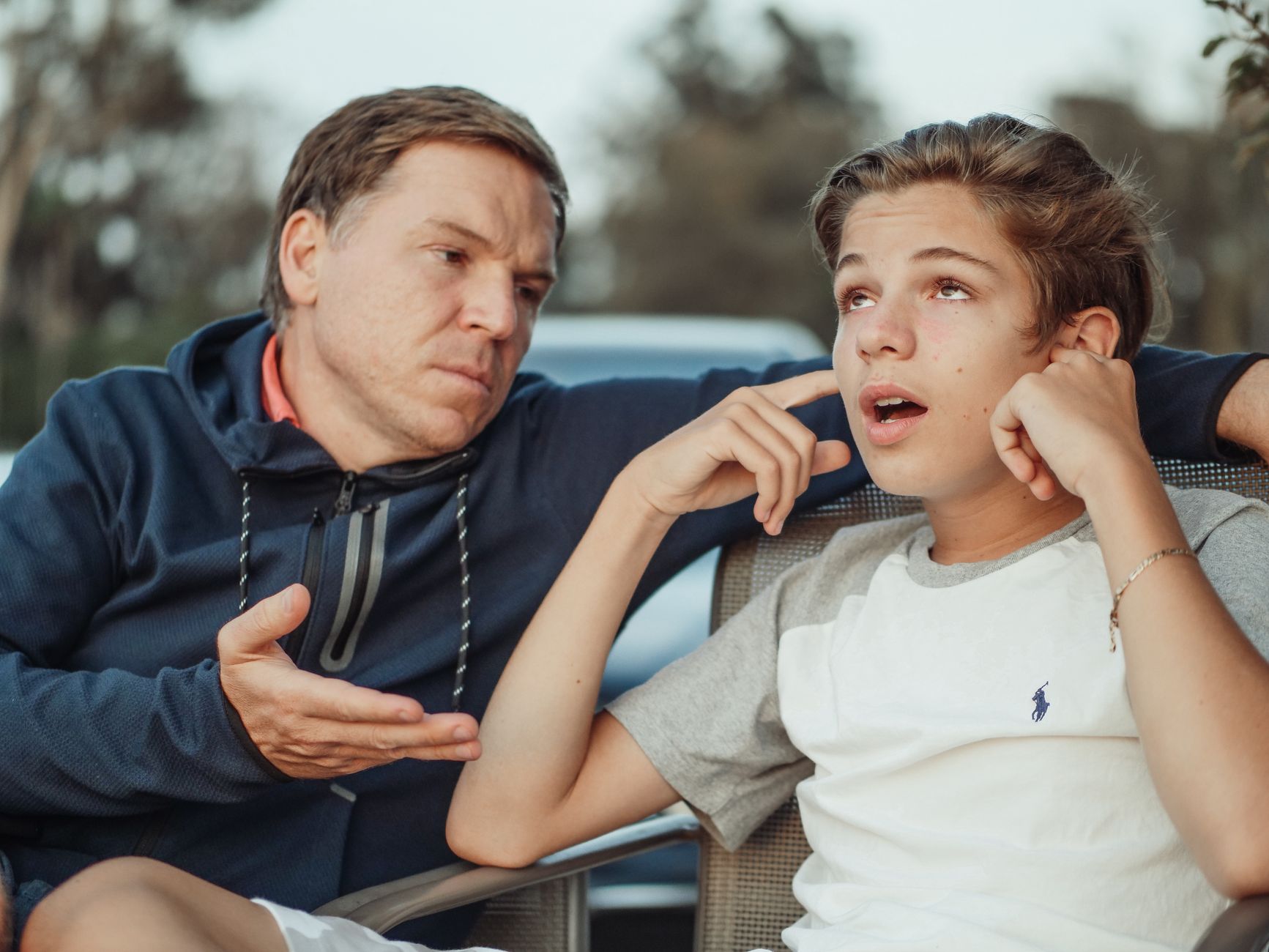
Research backs the hunch. A Springer study on intergenerational masculinity ideology found clear father-son continuity in how boys absorb ideas about what a man should be. Put plainly, if the old man only models shut up, soldier on and never look rattled, boys do not need a lecture to learn it. They learn from the gap between what dad says and what dad does.
Mothers still matter. So do grandparents, teachers and every other adult who keeps a household upright. This bit is about the bloke in the house not outsourcing the job, then acting shocked when a teenager treats feelings like contraband. We have all met the man who will do a dawn Bunnings run, tow a mate’s broken trailer home and spend six hours on a retaining wall, yet still cannot say “I was flat last week” without making it sound like a tax audit. Boys notice the split.
McMillan’s example in the ABC story works because it is ordinary. No perfect template, no TED Talk polish. Caregiving, school pickup, the soft stuff and the daily grind are not side quests that make a dad look less solid. They are the work. Writers overseas have been taking modern fatherhood more seriously too, as a New Yorker essay on modern fatherhood argued earlier this winter. The shift is not blokes becoming saintly. It is blokes being less absent inside their own homes.
Better scripts beat bigger lectures
Stories like this always tempt people to hunt for the perfect slogan, as if one good poster in a school gym will sort the lot. Boys do not talk that way. Habits do not change that way either. The better pitch in Orygen’s healthy masculinity work is that boys respond to strengths-based language more readily than to being told masculinity itself is the disease. Fair enough. A teenager who hears “everything about blokes is suspect” is not going to open up. He will switch off, smirk or double down.
Zac Seidler’s lens matters here because he keeps the problem close to the ground. Not just macho performance. Disconnection. In Suicide Prevention Australia’s figures, men are still around three times more likely to die by suicide than women. The ABC piece also notes that about one in three young men aged 16 to 24 is living with a mental health condition. Ugly numbers, yes. Still, numbers alone do not tell a boy what to do on a Tuesday night when he feels crook and has no language for it.
People mostly flourish when they feel connected.
Zac Seidler, ABC News
Seidler’s line is almost annoyingly simple, which is probably why it works. Connection is not a slogan. It is a repeated habit: the dad who answers a half-serious joke with a real question, the older brother who says “you don’t seem right, mate” and stays there, the family where apologies are possible and care is not treated as mum’s department.
Plenty of blokes get twitchy at this point. Mention healthier masculinity and some picture a lecture from someone who has never been on a building site, copped stick in a change room or tried to talk to a teenage boy who answers every question with “nah”. Sometimes that scepticism is not bad faith. Just fatigue with bad packaging. The useful answer is to give fathers and boys a more usable script: be steady, competitive, funny and tough when it counts, while being less hopeless at naming fear, grief, embarrassment or affection.
One hard question is whether school or workshop lessons stick once the adults leave the room. Home has to keep rehearsing the same message. A once-off talk is wallpaper. Repetition is carpentry. If a boy hears one thing at a The Man Cave session and sees the opposite every night at home, he knows which lesson is real.
The school gate matters, but the work cannot end there
Schools and youth programs matter because plenty of boys do not get a decent template at home, and even the lucky ones need more than one model of adulthood. A Frontiers in Psychology paper on school-based masculinities and mental health argued for practice spaces, relatable role models and repeated conversations rather than one-off warnings. That lines up with what The Man Cave says it does on the ground. The organisation reports reaching more than 100,000 young men, which suggests demand for this kind of room well before the politics gets loud.
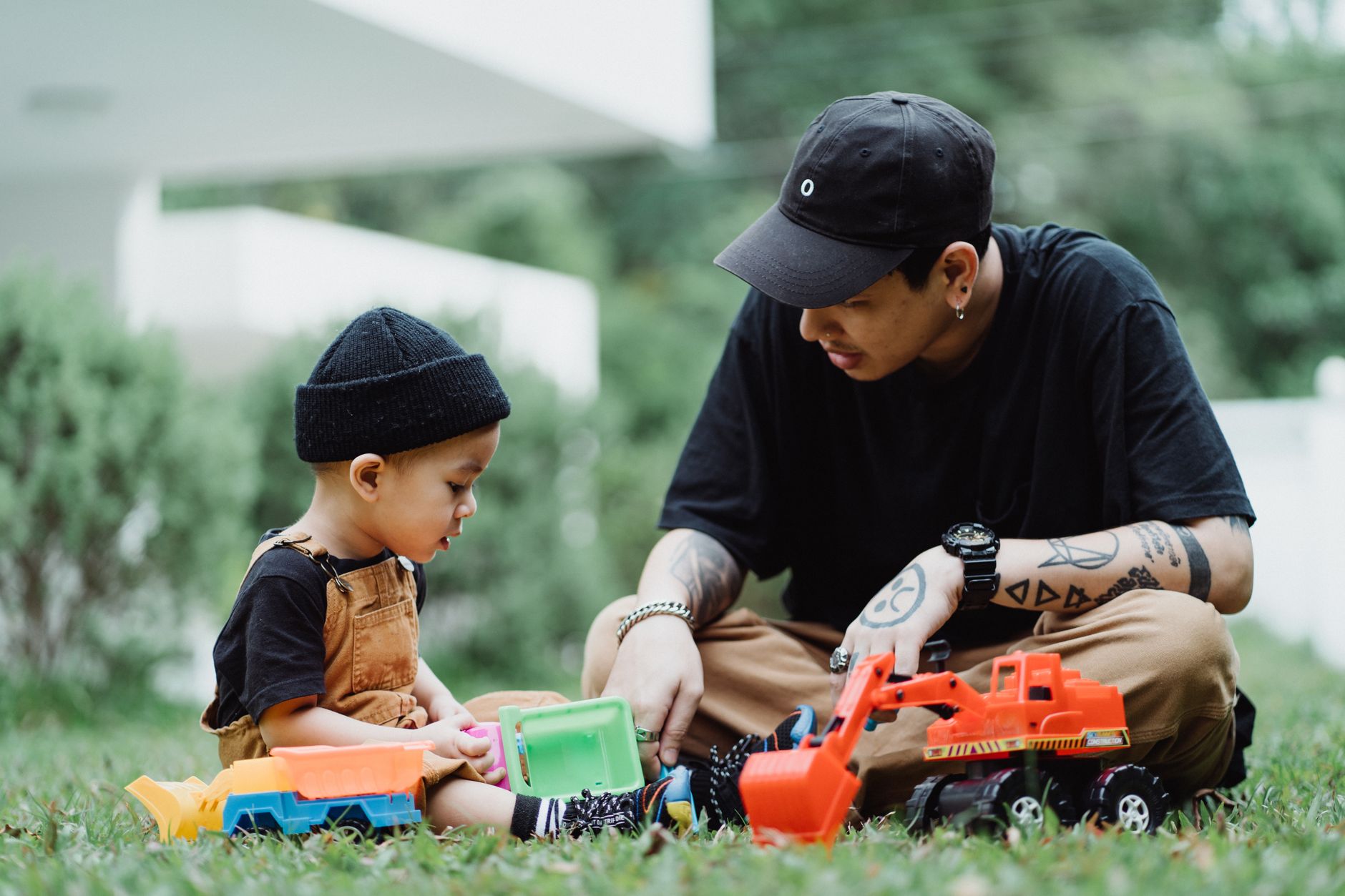
Boys scan the whole environment, not just the father figure at home. Coaches. Teachers. Older cousins. Tradies on site. Men at church. Men at the club. Men on TikTok. That is why the shortage of male primary teachers keeps resurfacing as a live question. In a Conversation analysis of Australia’s classroom gap, the point was not that boys need men only. Good male role models are simply thin on the ground in some everyday settings. When boys mostly see adult men performing competence, discipline or status, with not much warmth or reflection, the emotional menu stays narrow.
Online villains are part of it, but obsessing over them is a trap. The manosphere is real, and a Conversation report on 142 men’s TikTok histories shows how quickly those ideas circulate. Still, if every response is built around denouncing Andrew Tate types, parents and teachers end up fighting on the wrong field. Most boys are not sitting around waiting to be radicalised by a catchphrase. They are looking for belonging, status, humour, certainty and older men who know how to be solid without shutting down. If decent adults do not offer that version up close, someone else will offer a worse one at scale.
I choose to have hope, because if we start from the point that men are bad and destructive, that’s what they’ll grow into.
Al Green, ABC News
Hope is not the soft option here. It is the only approach that gives boys room to practise something better without feeling the deck is stacked against them from the start. Many men in their 30s and 40s grew up with affection that was implied rather than spoken, pain that was joked away, and male friendship built around doing things side by side while never quite naming what mattered. Plenty turned out functional enough. Plenty also carry the cost into marriages, fatherhood and their own heads.
So what does a better model look like in an ordinary Australian week? Not perfection. Not endless feelings chat. More like a house where dads say sorry without choking on it. Boys see men ring a mate back. A father at school pickup is not treated like a tourist. Talking about a rough patch is not volunteer work in enemy territory. Dependability includes emotional availability, not just lifting heavy things and paying the rego on time.
“Expansive masculinity” gets pretty practical once you scrape off the jargon. No need for blokes to stop being blokes. The job description just gets wider. Keep the steadiness, the competence, the dry humour and the love of doing practical things together. Add a bigger emotional vocabulary, more visible care and the ability to stay in uncomfortable conversations five minutes longer than we used to. For dads raising boys, that is not theory. It is the workbench.
If that sounds embarrassingly basic, good. Most useful family rules are. We do not need a new breed of perfect man wandering around inner-city bookshops explaining himself. We need ordinary fathers and father figures who can show a boy that being strong and being emotionally literate are not enemies. Same job, done properly.
The DudeWorld brief
BBQ, tools, camping and footy — the good stuff, weekly in your inbox.
Subscribe