WA facial recognition trial: what live scanning means
WA facial recognition trial puts live face scanning into ordinary public spaces, raising real questions about false matches, privacy and mission creep.
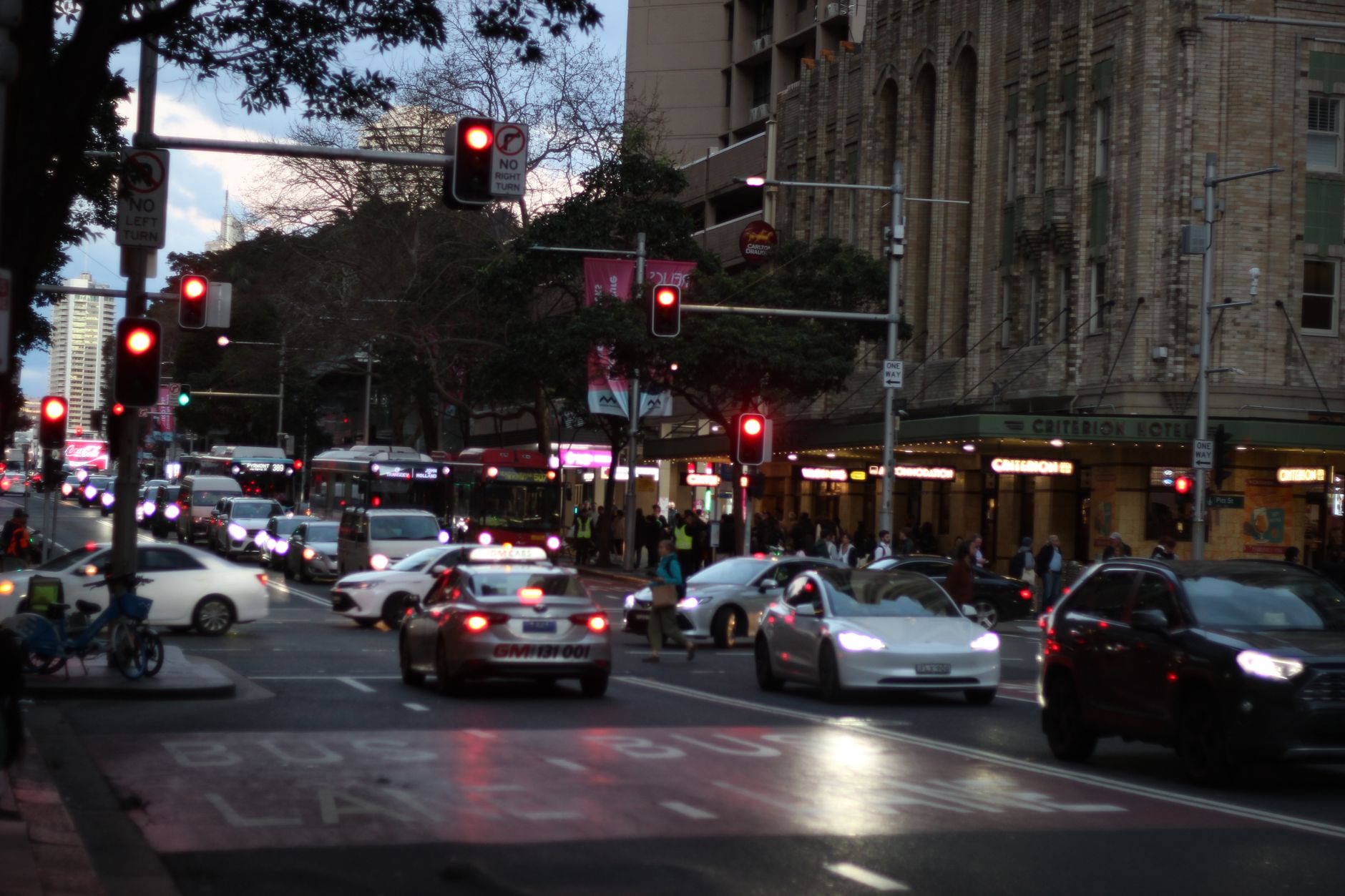
Most of us only notice a police camera once it has already become part of the street furniture. So Western Australia Police’s five-month live facial recognition trial was always going to land awkwardly. The system was demonstrated at Perth’s Mirrabooka bus station, not at a locked-down crime scene. People were catching buses, meeting kids and cutting through to the shops. Once that sort of place can check faces against a police database in real time, the argument stops being sci-fi and starts being about the ordinary parts of public life we are prepared to have scanned.
The first-week numbers explain the heat. WA Police say the cameras scanned about 131,478 faces and checked them against a watchlist of roughly 4,000 wanted people. The West Australian reported that police also conceded two false alerts in that opening stretch. Against that many scans, two mistakes sounds small. For the person stopped, questioned or made to look dodgy in front of a crowd, it is not small at all.
Commissioner Col Blanch has defended the trade-off, saying the trial is aimed at people already wanted by police rather than random bystanders.
“People are being arrested because they are wanted.”
Col Blanch, via The Guardian
Some readers will shrug at that. If a camera helps police pick up a violent offender faster than an officer on foot, the pitch is easy enough. The catch is who gets scanned along the way: the tradie heading to work, the parent wrangling kids through the station, the shopper doing the most boring milk run imaginable.
Australia has already had one local version of this fight. In its Bunnings facial recognition ruling, the Office of the Australian Information Commissioner found the retailer breached privacy law across 63 stores after collecting the faces of hundreds of thousands of people. That case was about retail loss prevention rather than policing. Still, it showed how elastic the word “security” can get once face-matching gear is installed. Australian privacy commissioner Carly Kind put the difference plainly:
“We can’t change our face.”
Carly Kind, OAIC
For regular punters, that is the rub. A wrong number plate scan is a hassle. A wrong face match is harder to brush off, because you cannot leave your biometric ID at home like a loyalty card or switch it off like an app. If live facial recognition moves from a bus station trial to train platforms, shopping strips or event precincts, the cost of a miss is no longer theoretical. It is the awkward stop, the extra police attention and the kid beside you asking why Dad has been pulled aside.
Where the pushback really lands
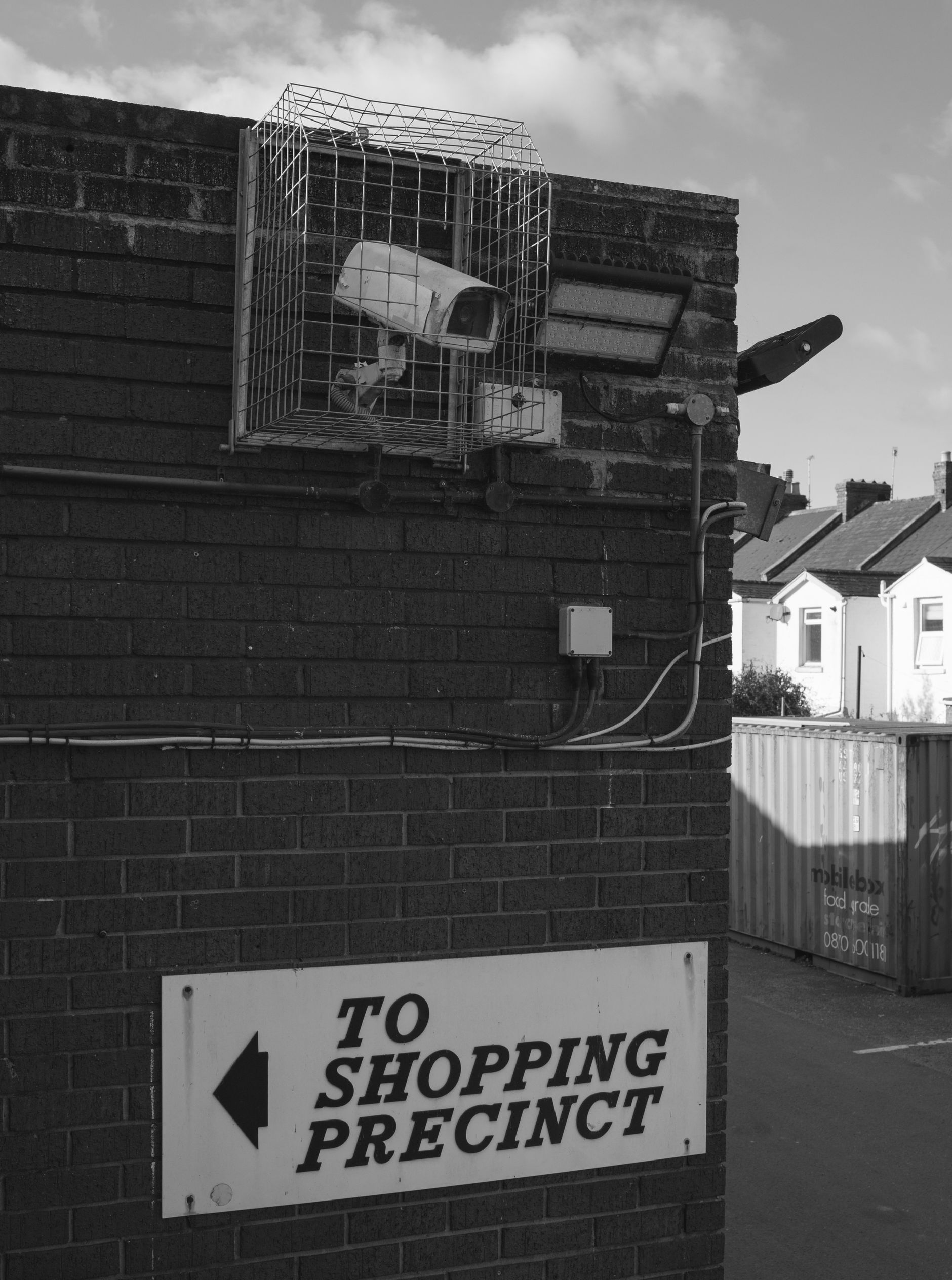
WA Police says the trial is limited. The worry sits in what happens after a limited system proves useful and the hardware is already paid for. A tool justified for serious offenders can later be sold as handy for shoplifting hotspots, crowd control or routine patrol work. Critics keep coming back to function creep as much as accuracy. Once cameras are already scanning, the hard argument is not whether the system can do more. It is who gets to say no before it does.
Notice matters too. Most Australians understand CCTV. Live biometric matching is a bigger step because it turns a passive recording tool into an active identity check. If police want the public to accept that jump, they need clearer answers on signage, data retention, challenge rights and who audits the system when a match goes wrong.
Police and the state can fairly argue that faster identification helps public safety. Plenty of people will back that in principle. The missing answers are practical ones: why tens of thousands of law-abiding faces should be processed to get there, what independent oversight applies after a false match, and how people will know when they are entering a live-scanning zone. Those are not robot-cop objections. They are the questions people ask when a new system can mess with an ordinary day.
For DudeWorld readers, the point is not to shout about robot cops. It is to pay attention before the cameras become background furniture. The first week of the WA trial shows how fast a public-space surveillance tool can move from policy talk to a bus station scanning 131,478 faces. If the rollout grows, the real test will not be whether the tech can find someone on a watchlist. It will be whether ordinary Australians are happy being scanned on a milk run through town, and what recourse they have when the machine gets it wrong.
Tommo splits his weekends between the high country and the footy. He writes about camping, 4WDing, fishing and the general business of being a husband and dad who still gets a leave pass. Drives a diesel he refuses to shut up about.
The DudeWorld brief
BBQ, tools, camping and footy — the good stuff, weekly in your inbox.
Subscribe