Australia digital arrival cards: paper forms on the way out
Australia digital arrival cards are set to replace paper forms over 12 to 18 months, ending one of the most annoying parts of landing home.
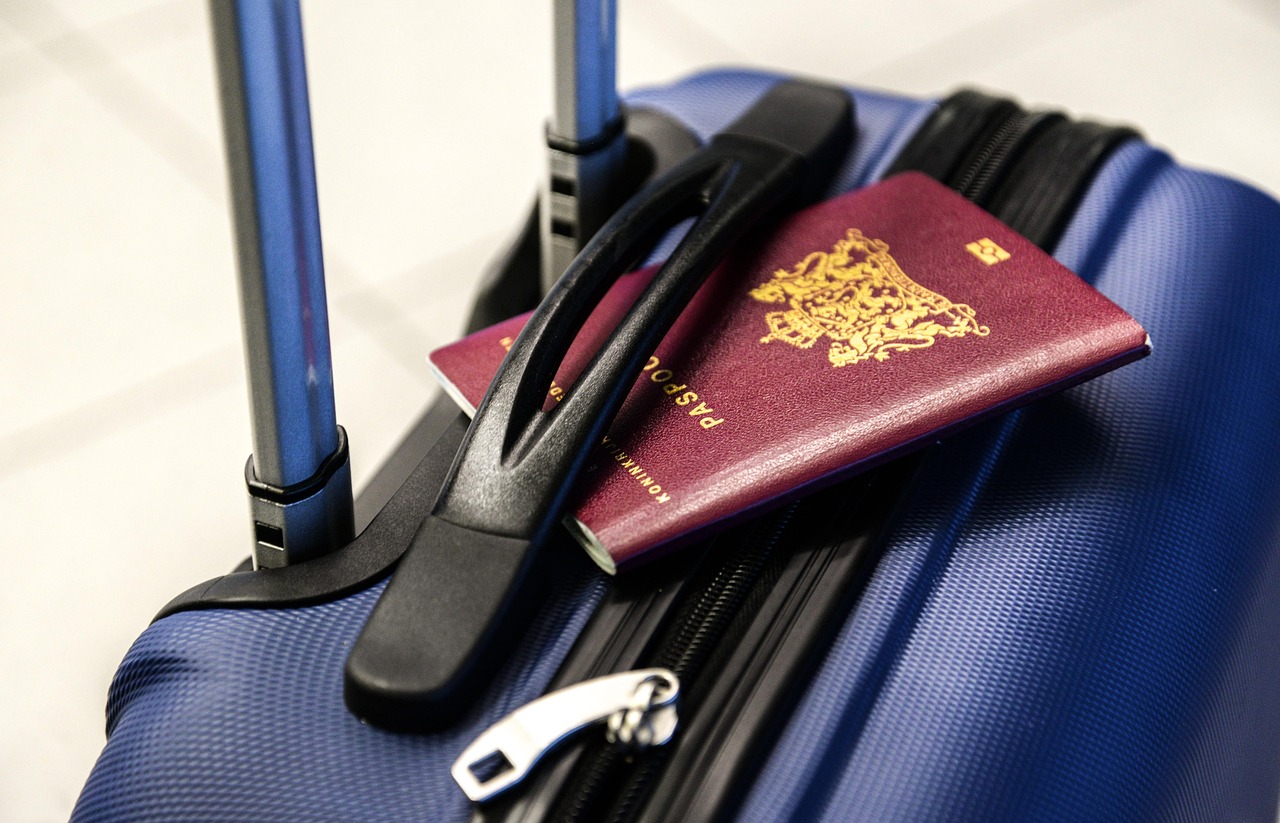
If you’ve landed after a red-eye, you know the little panic: trays up, belt sign on, and half the cabin patting pockets for a pen. Australia’s paper incoming passenger card is finally headed for the bin. The federal government will replace it with a digital Australian Travel Declaration, using national rollout funding of $56.1 million and a 12 to 18 month timetable to push the system through airports and seaports.
For travellers, the win is plain. Less scribbling when you’re cooked, fewer mistakes in the arrivals queue, and less chance of reaching the counter before noticing the card is still wedged in seat pocket 34A. Border officials should get cleaner data before passengers front up. Boring back-end plumbing, but the useful kind when the line starts moving again.
Australia has had a go at digital arrival paperwork before, so the word “finally” earns its keep here. InnovationAus reported earlier attempts stalled. This time, officials have a Sydney Airport pilot running since October 2024, not just a promise in a budget paper. A separate report on the Sydney pilot said about 70,000 passengers have used the system at an airport that handled 16.3 million international travellers last year.
Home Affairs minister Tony Burke has framed it as a practical travel fix rather than a shiny border-tech announceable. In remarks published during the Sydney pilot, Burke said the goal was speed:
“When people arrive in Sydney, I want them out of the airport and experiencing the city as fast as possible.”
Tony Burke, InnovationAus
Fair enough. Nobody steps off a long-haul flight hoping for extra paperwork. The old card sits in the same mental drawer as customs hall carpet and gate-area instant coffee: familiar, necessary and a bit grim. If the digital form behaves, one small airport chore goes missing.
What changes at the border
Digital declarations are meant to make border processing more accurate as well as faster. SmartCompany’s report says the program is part of a wider push to modernise passenger handling. The Sydney trial also gives officials passenger details before people reach the desk, rather than asking staff to read half-awake handwriting under fluorescent lights. For families coming home wrecked after an overnight flight, or business travellers who have filled out the same boxes too many times, that’s a real quality-of-life gain.
Australian Border Force commissioner Gav Reynolds said the Sydney test needed airlines, airports and government working from the same page. In the pilot coverage, Reynolds pointed to the coordination already involved:
“A significant amount of collaborative work between industry and government has gone into this pilot program.”
Gav Reynolds, InnovationAus
That is the hard part over the next 12 to 18 months. Sydney alone processed 16.3 million international passengers last year, and the plan covers seaports as well as the big east coast airports. Scale it cleanly and this becomes a rare government tech change that feels like less admin, not more.
Usefulness is the pitch, not novelty. A digital arrival card will not shrink security queues or make baggage belts hurry up. But fewer passengers fossicking for pens, fewer half-legible cards and a cleaner walk from aircraft door to outside air? We will take that after any red-eye.
Tommo splits his weekends between the high country and the footy. He writes about camping, 4WDing, fishing and the general business of being a husband and dad who still gets a leave pass. Drives a diesel he refuses to shut up about.
The DudeWorld brief
BBQ, tools, camping and footy — the good stuff, weekly in your inbox.
Subscribe