Ningaloo beach closures: 5 whale entanglements in 5 days
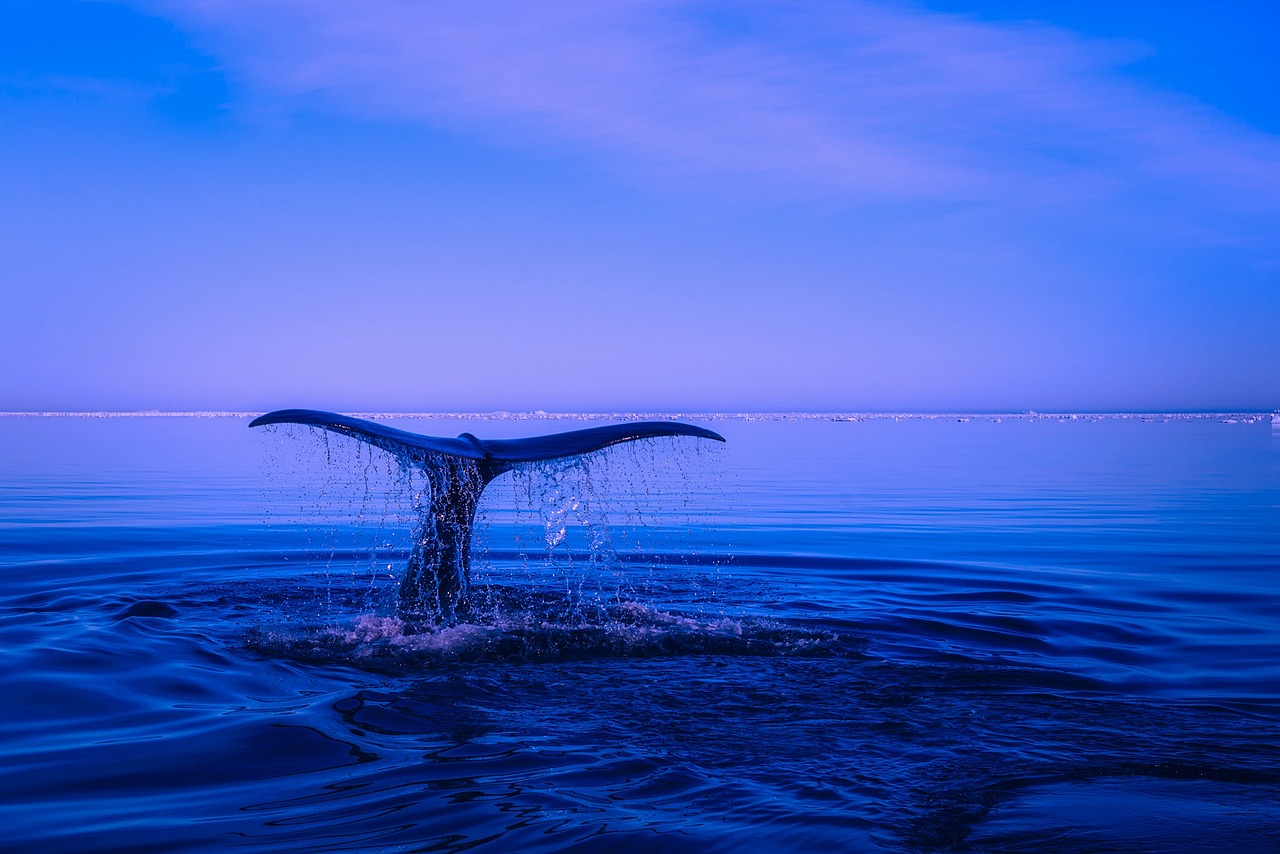
Ningaloo beach closures followed five whale entanglements in five days, with one dead humpback drawing sharks into popular winter snorkel spots.
Oyster Stacks and North Mandu are off the snorkel list for now if they were pencilled into a Ningaloo run this week. Authorities closed the beaches after a dead humpback drifted close enough to shore to bring sharks in, shutting two of the reef’s better-known entry points during winter travel season, according to ABC News’s report on the closures.
That bites first for families and road-trippers. The bigger concern is the run of whale entanglements behind it: five reports in five days, one humpback dead, one freed, and three others still missing after searches by air and sea. For WA travellers, the questions are blunt. Can you get in the water? Is the beach open? Does the next stop need a Plan B?
Sam Miles, the Department of Biodiversity, Conservation and Attractions’ Exmouth marine program coordinator, told the ABC the burst of incidents was unusual for such a short stretch.
“Five entanglement reports in five days is quite a lot.”
Sam Miles, ABC News
Miles said responders freed one whale. The harder cases are the animals that keep moving with rope or gear still attached, because they can cover serious distance before anyone gets eyes on them again. By the time a carcass appears near a reef entry, the job has become a public-safety call as well as an animal-welfare one.
Brinkley Davies from the Baloo Blue Foundation said the rope seen on the animals looked consistent with commercial fishing gear such as crab and cray pots in ABC’s Ningaloo coverage. That moves the concern beyond bad luck at one beach. Marine mammal ecologist Kate Sprogis said whales can drag line for hundreds of kilometres, so the place where a carcass washes up may say little about where the trouble started.
About 40,000 humpbacks pass Ningaloo each winter. A small lift in entanglement numbers can become visible quickly along the coast. CSIRO’s work on Ningaloo Reef shows how closely the system is watched. In July, though, Ningaloo is also reef tours, camp kitchens, morning swims, boat ramps and school-holiday families making the most of a long haul north. A dead whale in shallow water puts the problem right where people are pulling on fins.
The shark angle needs a cool head. The visible risk is sharks feeding on a carcass; the root issue is the entanglement spike that put the carcass there. If fishing gear is involved, the beach closures are a reminder that a wildlife rescue can turn into a logistics problem for everyone using the same patch of coast.
What it means if you’re heading north this winter
Check local alerts before leaving camp, keep a second snorkel spot in mind, and do not treat a good forecast as proof that a beach is open. During winter whale season in Australia, conditions can change fast around busy migration corridors. In ABC’s earlier reporting on a 60 per cent drop in migrating whale sightings off WA’s south-west coast, scientists were already describing an odd season for humpback movement. The Ningaloo entanglements do not explain that wider pattern, but they do show how whale season can spill into ordinary travel plans.
For campers, fishos and families doing the winter run north, Ningaloo still belongs on the list. It just pays to treat closures and wildlife alerts as live conditions, not background noise. Five entanglements in five days, one dead humpback and sharks around popular snorkel spots is more than a grim marine headline. Leave some slack in the plan. Very WA advice, sadly.
Tommo splits his weekends between the high country and the footy. He writes about camping, 4WDing, fishing and the general business of being a husband and dad who still gets a leave pass. Drives a diesel he refuses to shut up about.
The DudeWorld brief
BBQ, tools, camping and footy — the good stuff, weekly in your inbox.
Subscribe