What a New Set of Guernseys Says About Remote Footy
Remote footy club guernseys sound like small stuff, but for the Fregon Bulldogs they mean pride, turnout and one more reason the town still gathers.
At a suburban club, new guernseys usually disappear into the pre-season chore pile. Someone checks sizes, someone chases the invoice, and by round one the side looks a bit sharper. Outside the rooms, nobody cares much.
At Fregon, on the APY Lands in South Australia, the box lands with more weight. This club has spent seasons scraping together drink bottles, storage space and enough matching kit to look like one team. A fresh strip is not decoration out there. It is a quiet sign that the place still has a side worth pulling on boots for.
That is the useful bit in ABC News’s report on the Fregon Bulldogs. Coach and organiser Bryce Ingham is not talking like a bloke worried about merchandise. He sounds like someone who knows the dull, brutal lesson of local sport: clubs rarely fall over in one dramatic collapse. They fray when the boring jobs keep slipping. No storage. Not enough water bottles. Jumpers in odd sizes, odd colours, odd cupboards. Pride gets threadbare before the scoreboard does.
The players feel the same jumper in another way. For them it is less about inventory and more about belonging. When a club finally looks like itself, past players have a reason to wander back. Young blokes get a picture of what they are joining. Same colours, same oval, same mob. In a remote town, that can change the whole feel of a Saturday.
So, no, this is not a neat little uplift yarn about brave bush battlers. The Bulldogs have been pushing for finals for three seasons after finishing last the year before. New guernseys did not teach anyone to kick straight. They seem to have put some order, pride and belief back into the place. For a remote club, that is the job.
A proper club starts with proper kit
The bluntest line in the ABC report is the one every small-club volunteer will understand before the kettle boils. The Bulldogs were sometimes trying to play with half the side in everyday clothes. You do not need a Level 3 coaching badge to know what that says to a group. Standards are optional. The club is making do again. Maybe the whole thing is one broken cupboard away from sliding back into chaos.
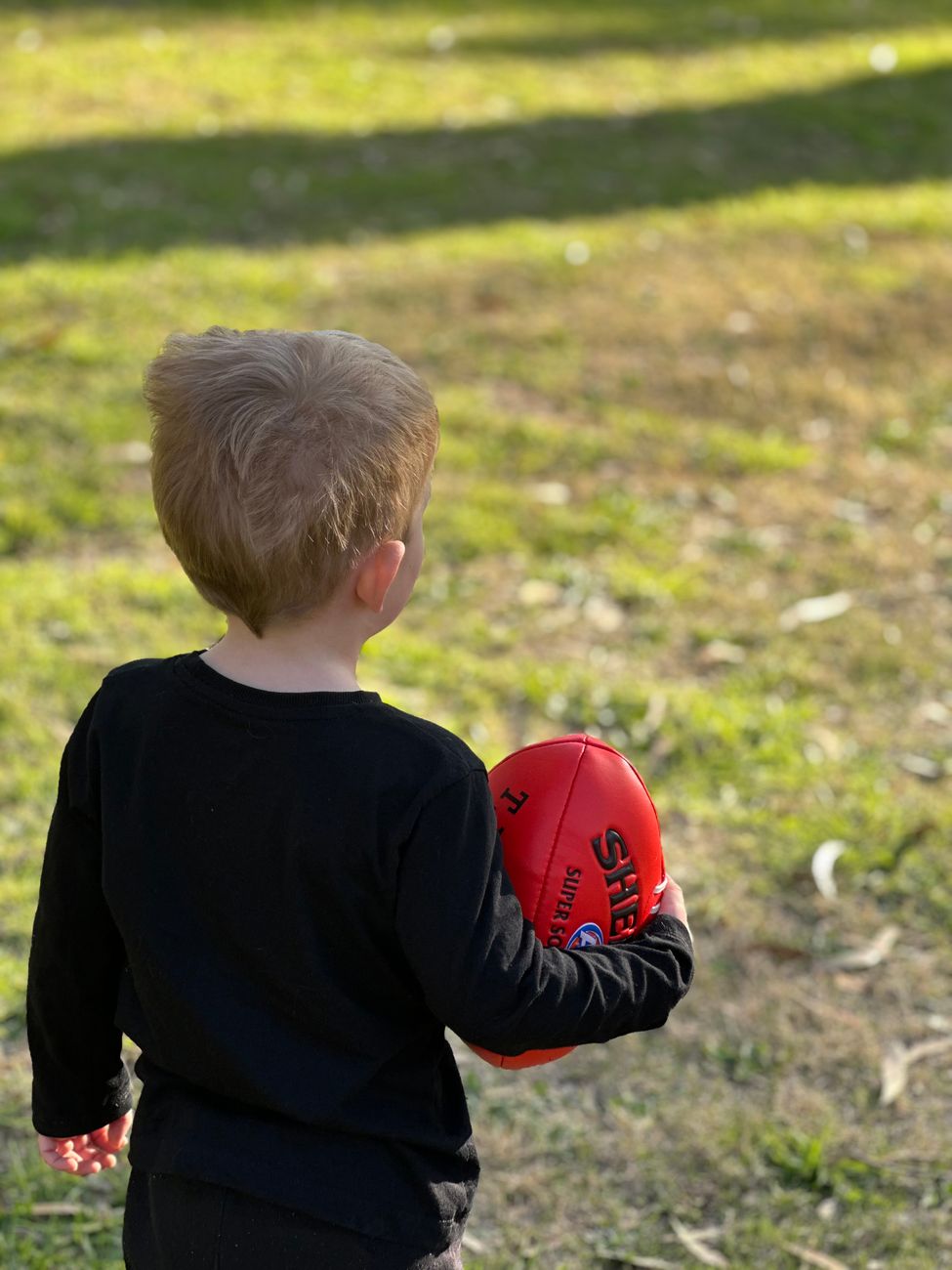
“We’d have games where we’d have half the team wearing standard everyday clothes out there to play in.”
Bryce Ingham, ABC News
Metro clubs can absorb that sort of mess. If a jumper set disappears in town, somebody knows the sponsor, the committee has a spare strip in a tub, or a parent does a mercy run before the twos start. Remote clubs do not get that cushion. Every missing bit of gear takes longer to replace, costs more to move and asks more from the same small crew of volunteers.
Fregon getting a proper strip is more than a better photo for Facebook. It is a small act of stability. A jumper is one of the few pieces of community kit that still carries a bit of ceremony. You pull it on and, for a couple of hours, the messy rest of life lines up behind the same badge. Warm-up. Toss of the coin. Water bottles. The same colours as last week. Take enough of those rituals away and a club starts to feel temporary. Put one back and the room feels steadier.
Remote footy runs on favours, not surplus
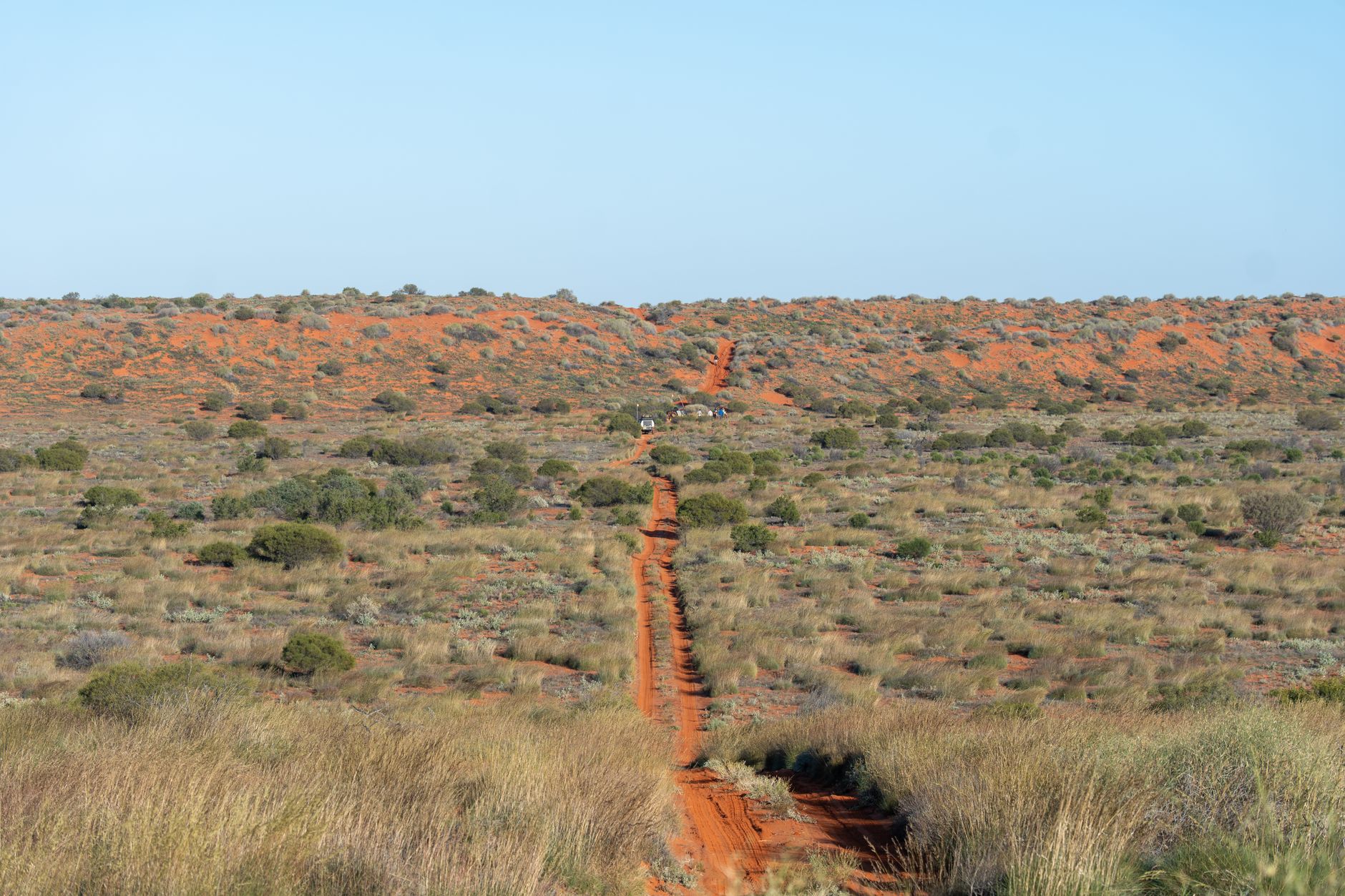
Distance is the next thing city readers can underestimate. The link between Fregon and the Rosewater Bulldogs in Adelaide stretches about 1,300 kilometres. On a map, that looks ridiculous. In remote sport, it sounds normal. Clubs stay alive because someone passes on spare strip, a bit of time, a contact or enough attention to get a job finished.

There is a lesson in that, but it is not especially romantic. Remote clubs survive because people keep doing grubby, useful jobs. Someone chases funding. Someone clears a spot for storage. Someone keeps the drink bottles together. Someone in another town says, righto, we can help with old kit and a bit of credibility. The ABC’s reporting on Cairns and regional talent pathways comes at a similar problem from another code: distance turns ordinary sport costs into a test of who keeps showing up.
Bradley Roberts put the Rosewater relationship in clubrooms language, which is probably why it lands.
“It’s a ngapartji-ngapartji (reciprocal) relationship.”
Bradley Roberts, ABC News
Reciprocal is the word that matters. A hand-out might fix one Saturday. A relationship gives the next season a chance as well. That difference counts in places where the same few people are already doing the roster, the driving, the washing and the awkward calls for help.
What the jumper changes for players
Coaches and presidents talk about standards because they have to. Players tend to talk about whether the place still feels like theirs. Roberts described the guernsey as something that could unite the side on the field and off it. Simple line. Big point. In a small community, the badge is not just a sporting logo. It is a place to meet.
“The one jersey will unite us on the field but also unite off the field.”
Bradley Roberts, ABC News
What changes when everyone finally wears the same colours? Maybe not the game plan. Probably not the wind in the last quarter. But turnout can change. Past players can drift back around the fence. Kids can see a team that looks whole rather than improvised. That matters when every season depends on people deciding, again, that the whole effort is still worth their Saturday.
There are versions of that well beyond Aussie rules. SBS News’ reporting on NAIDOC Week events makes the same quiet point through tournaments and community gatherings. Sport is one of the few public rituals that still gets people into the same place at the same time. Not everyone turns up for a meeting. Plenty turn up for footy. Once they are there, the club carries more than the game: gossip, responsibility, kinship, pride and the sideways chat that keeps a place feeling like itself.
The Bulldogs’ finals push matters too, even if this story is not really about ladder position. Winning gives people a reason to stay attached. But the attachment comes first. Nobody drives, organises, washes and chases kit in a remote town only to finish ninth with matching socks. They do it because the club is one of the few things that still asks everyone to face the same way for an afternoon.
The town is hanging on, and footy helps it hang together
Remote sport can look charming from a city desk if you squint hard enough. That is the lazy reading. The harder truth is that towns like Fregon do not have an endless menu of public institutions. School matters. Store matters. Health service matters. The footy club matters too, partly because it is ordinary. Nobody needs a policy paper to know what a Saturday match is for.
You can see the broader case in The Conversation’s analysis of regional talent pathways, which notes that Australian rules has often been better than other codes at identifying and developing regional and remote athletes. That points to elite pathways, sure. It also points to habit. Places that keep local sport alive keep giving kids a visible route into belonging, discipline and being accountable to one another. Most junior players will never become elite prospects. That is fine. The oval still needs to be a place where people gather.
Even ABC’s reporting from north-east Arnhem Land on a community-made rom-com catches the same truth in passing. Football sits in the communal backdrop. Local games are woven into how people watch, meet, argue and celebrate. In remote Australia, footy is often less an entertainment product than one of the ways a town recognises itself.
A new set of guernseys sounds small because, technically, it is. That is why it works. It gives the club a cleaner shape. It tells current players they belong to something organised. It tells former players there is something worth rejoining. It tells kids there is still a team to grow into. And it tells everyone else that the town has not stopped turning up for itself.
Big clubs sell identity with merch drops, sponsor videos and launch nights where someone has to say “activation” with a straight face. For the Fregon Bulldogs, identity looks more like enough matching jumpers, a bit of storage, a favour returned from 1,300 kilometres away and a group of people deciding local footy is still worth the lift. Practical, unglamorous and probably more meaningful for it.
The DudeWorld brief
BBQ, tools, camping and footy — the good stuff, weekly in your inbox.
Subscribe