Dark Beer Season: 5 Aussie Stouts and Porters Worth Hunting
Aussie dark beers are more than winter novelty. These five local stouts, porters and black ales run from easy 4.5% sippers to 11.4% bruisers.
Stout gets its Friday-night leave pass at our place. The weather helps, sure, but the real trigger is dinner. Roast chook. Chilli. A tray of beef cheeks coming off the smoker. Suddenly the cold pale lager in the fridge looks like it has turned up underdressed.
That is the useful read on dark beer season in Australia. It is a shopping shortcut, not a rule from the beer gods. Once the weather drops, we start looking for roast, coffee, chocolate and a bit of chew in the glass. Plenty of local brewers have beers built for that exact gap between the first bounce and the late news. Colour alone will not get you there. “Dark beer” can mean an easy midweek can, a hoppy black ale, an old pub dark ale or a bottle you split after dinner because one full glass would be silly.
The obvious pushback: is this a real habit, or just a seasonal yarn blokes like us tell ourselves once the footy and the fire pit come back? Esquire’s Jake Atkinson had the right line:
“Hell, I even find Guinness to be a good summer beer.”
He is right. Dark beer does not stop working in warm weather. Winter just gives us more excuses to notice it. If you are hunting Australian dark beers now, the useful question is pretty simple: Tuesday-night fridge beer, pub-meal beer or Saturday-after-dinner beer?
Dark beer is not one flavour, which is the point
The most practical line in Be Inspired’s round-up is not about a specific brewery. It is the reminder that darker beers do not need to be served brutally cold. That matters. A little warmth lets the roast, bitterness and body show up properly.

“They don’t need to be served as cold as lighter beers either.”
Start with 4 Pines Stout if you want the on-ramp. At 5.1%, it sits in the friendly end of the category. This is the beer for the bloke who likes Guinness because it is smooth and easy, but wants something local with a little more roasted edge. Approachable, yes. Probably not the bottle that makes the room go quiet after the first sip.
Karma Citra India Black Ale from Feral is the style-bender. At 5.8%, it has the roast and dark malt you expect, while the India Black Ale idea keeps the hop side alive. If you have a mate who says he “doesn’t do stout” but drinks punchy pale ales all summer, this is the one we would hand him first. It has shape and bite. It will also annoy stout purists and IPA purists in equal measure, which is often a decent sign.
Old Admiral Dark Ale from The Lord Nelson Brewery sits at 6.1% and carries the old-pub gravity the category badly needs. This is not dessert. It is the beer we want with a steak pie, a roast or anything else that belongs near a wooden table and poor lighting. Great when the mood is right. Less convincing when you are mowing the lawn between school pick-up and Bunnings.
The quiet midweek option is The Hotchkiss Six Domestic Stout from Little Creatures at 4.5%. There is value in that restraint. Plenty of drinkers bounce off the category because their first stout was too boozy, too syrupy or too pleased with itself. This is the correction. If you are chasing drama, it may feel a bit tidy. Some nights tidy is exactly the brief.
Then there is Ramjet Imperial Stout from Boatrocker, the big unit. At 11.4%, it is not a casual fridge filler. This is the share bottle, the after-dinner bottle, the “one each is plenty” bottle. Barrel ageing gives it the big aroma and that nightcap feeling. You buy Ramjet because you want a moment, not because you need a six-pack.
That spread, from 4.5% to 11.4%, is why dark beer season is more useful than the lazy line that stout is “heavy.” Some are. Others are dry, hoppy or just flavourful. One or two are practically a meal. Colour tells you less than people think.
The season matters less than the setting
The buying logic improves once you stop treating the category like a winter-only novelty. Match these beers to a meal, a night and a mood rather than the thermostat. A charcoal chook, a slow-cooked brisket, lamb shoulder or even a square of dark chocolate tells you more about the right bottle than the month ever will.
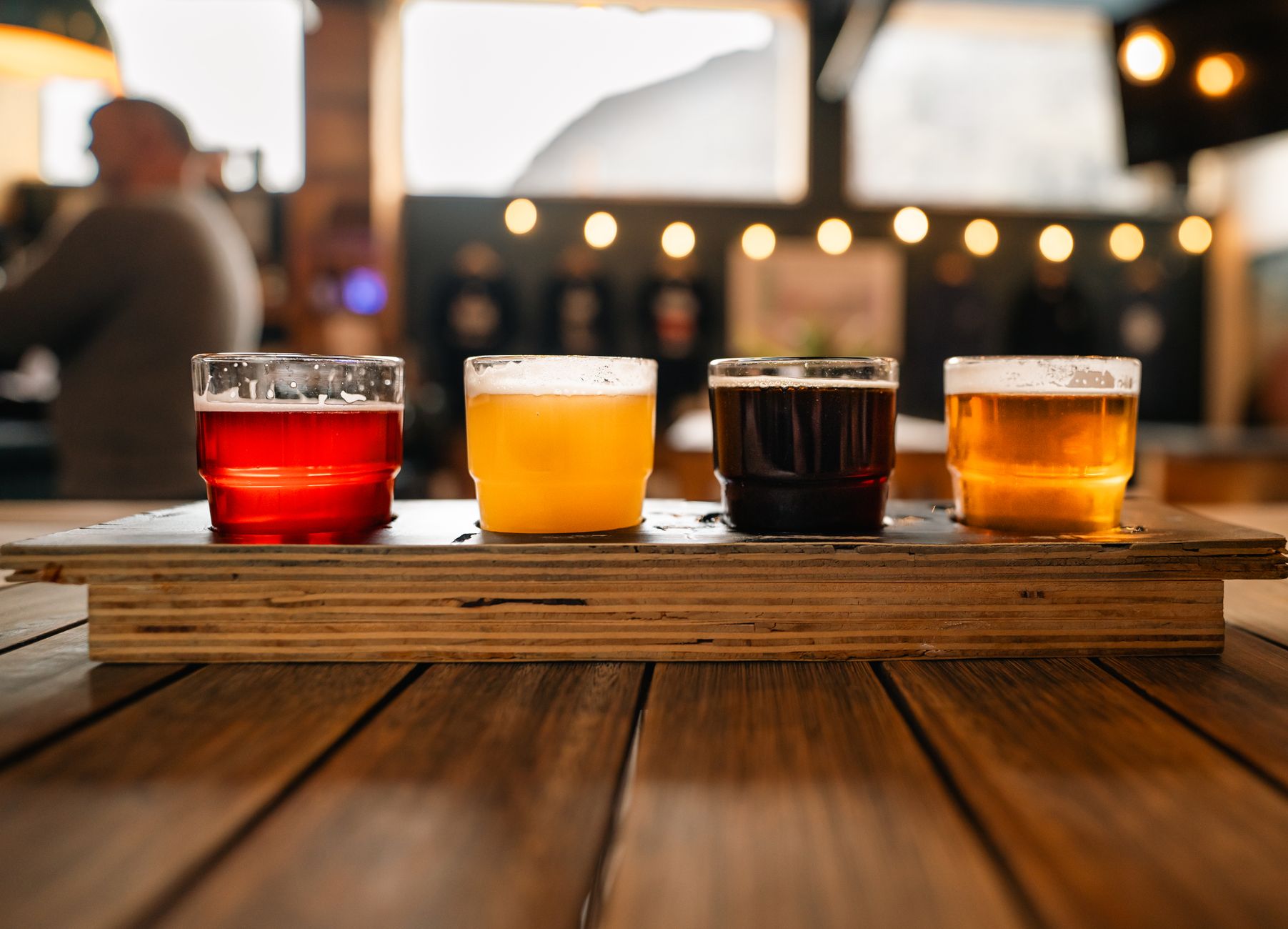
Texture and balance decide whether a dark beer feels satisfying or tiring. Serve it too cold and you flatten the thing. Pair it badly and you blame the beer for your own planning. The local examples worth chasing have clear lanes. 4 Pines is easy stout. Feral is the hoppy crossover. Lord Nelson brings the heritage pub mood. Boatrocker is the special-occasion bottle. The category only feels muddled when breweries forget to pick a lane.
Keep the skeptic in the room, because it stops this becoming an annual sermon. In a recent piece for Slate, Chuck Skypeck made a point that lands well beyond filtration:
“People drink with their eyes.”
That helps explain why stout still gets boxed in. A black beer looks dense before it has touched your mouth. Plenty of drinkers never get past that first visual assumption. It also explains why “dark beer season” survives as a retail story. The colour reads winter. The glass reads pub. The froth reads comfort. Fair enough, but it can make the beer sound narrower than it is.
Winter gives dark beer a stronger social setting, not a monopoly. We are more likely to cook slower, sit longer and drink one good thing instead of three forgettable ones. That suits stout and porter beautifully. No need to pack them away in September like a flanno.
Why the brewery matters more now than it used to
This is where the analyst’s concern starts to matter. In 2026, you cannot treat “craft beer” as a self-explanatory label. As the Guardian recently reported, drinkers are being asked to work harder to tell genuinely independent breweries from beers that borrow the look and language of craft. SmartCompany has reported on brewery closures and shutdown pressure as part of the broader local backdrop too.

That is why this group works as a feature, not just a shopping list. They do not feel interchangeable. 4 Pines still carries the Northern Beaches version of polished but accessible. The Lord Nelson Brewery gives you Sydney pub history in liquid form. Feral brings that West Australian habit of pushing styles sideways to see if they snap back. Little Creatures has long lived in the Fremantle lane where flavour does not need to shout. Boatrocker does the Melbourne thing of turning stout into an event.
Place matters because dark beer is one of the categories where a brewery can still put personality on the table without looking like it is straining. Lager is brutally exposed. Hazy pale ale is crowded. Dark beer leaves room for accent and house style. You can taste when a brewer wants drinkability, when it wants roast bite and when it wants to send you home talking about the barrel programme.
That is the best argument for hunting local dark beers instead of defaulting to the usual imported benchmark. It is not patriotism. It is usefulness. The Australian versions give you more lanes to choose from. One can feels built for a weeknight. Another wants a pub meal. The big one is for splitting after dinner while pretending you are only having a sip.
The five we would actually hunt, in plain English
Stout-curious and playing it safe? Buy 4 Pines Stout. Easiest yes in the group.
Bored by neat style boundaries? Hunt Karma Citra India Black Ale. It is the one most likely to win over the “I only drink hoppy stuff” crowd.
For proper pub lighting, a big plate of food and no urgency, Old Admiral Dark Ale is our pick. It feels rooted, which counts for plenty.
Need a midweek dark beer that will not flatten you? The Hotchkiss Six Domestic Stout is the practical buy. Least showy, and stronger for it.
Want one bottle that turns dark beer night into an occasion? Ramjet Imperial Stout is the flex. Do not pretend it is a casual second can.
Our rule of thumb is dead simple: buy one easy drinker, one weirder style-bender and, if the weather or the dinner justifies it, one big finisher. That beats blindly loading the trolley with whatever black-labelled can is nearest at Dan Murphy’s. Winter may be the excuse. The good local stuff earns its spot well beyond it.
The DudeWorld brief
BBQ, tools, camping and footy — the good stuff, weekly in your inbox.
Subscribe