The craft badge still sells, even when the brewer isn't small
Craft beer ownership matters when premium pints come from global brewers, not indies. Here's why taps and branding blur the difference.
If we’re paying craft-beer money at the pub or bottle-o, we’d assume some decent chunk of that premium is going to a smaller brewery doing its own thing. The trouble is that the latest CAMRA beer-market report says that assumption is getting shakier by the year. In Britain, seven of the ten top-selling beers sold with craft credentials are made by just four global brewing groups.
That matters because the whole point of the craft signal was meant to be simple. Small brewer, different beer, a bit more character, maybe a few rough edges, but at least you knew what you were backing. Once ownership disappears behind tap badges, cartoon cans and warehouse-cool fonts, the premium starts looking less like a reward for independence and more like a marketing tax.
The British reporting is the trigger here, but the useful lesson is broader. As The Guardian reported, campaigners argue that drinkers are being sold the feeling of craft long after the ownership changed. But the insider view, and the analyst’s view, are a touch harsher than that. This is not just about labels fooling punters. It is about who gets the taps, who gets the fridge space and who can afford to stay on the shelf long enough to be noticed.
The craft badge stopped being a clean ownership clue
CAMRA’s report is blunt: the term still carries indie credibility with ordinary drinkers, even when the brewery behind the brand is anything but small. Named examples in the reporting include Beavertown, Camden Town, Goose Island, Meantime and Blue Moon. That’s the trick. The branding still speaks the old language of local rebellion, even after the cap table stopped doing so.

Ash Corbett-Collins, CAMRA’s chair, put the consumer case clearly in The Guardian’s coverage:
“Ordinary drinkers are being short changed when it comes to choice and quality at the bar.”
— Ash Corbett-Collins, The Guardian
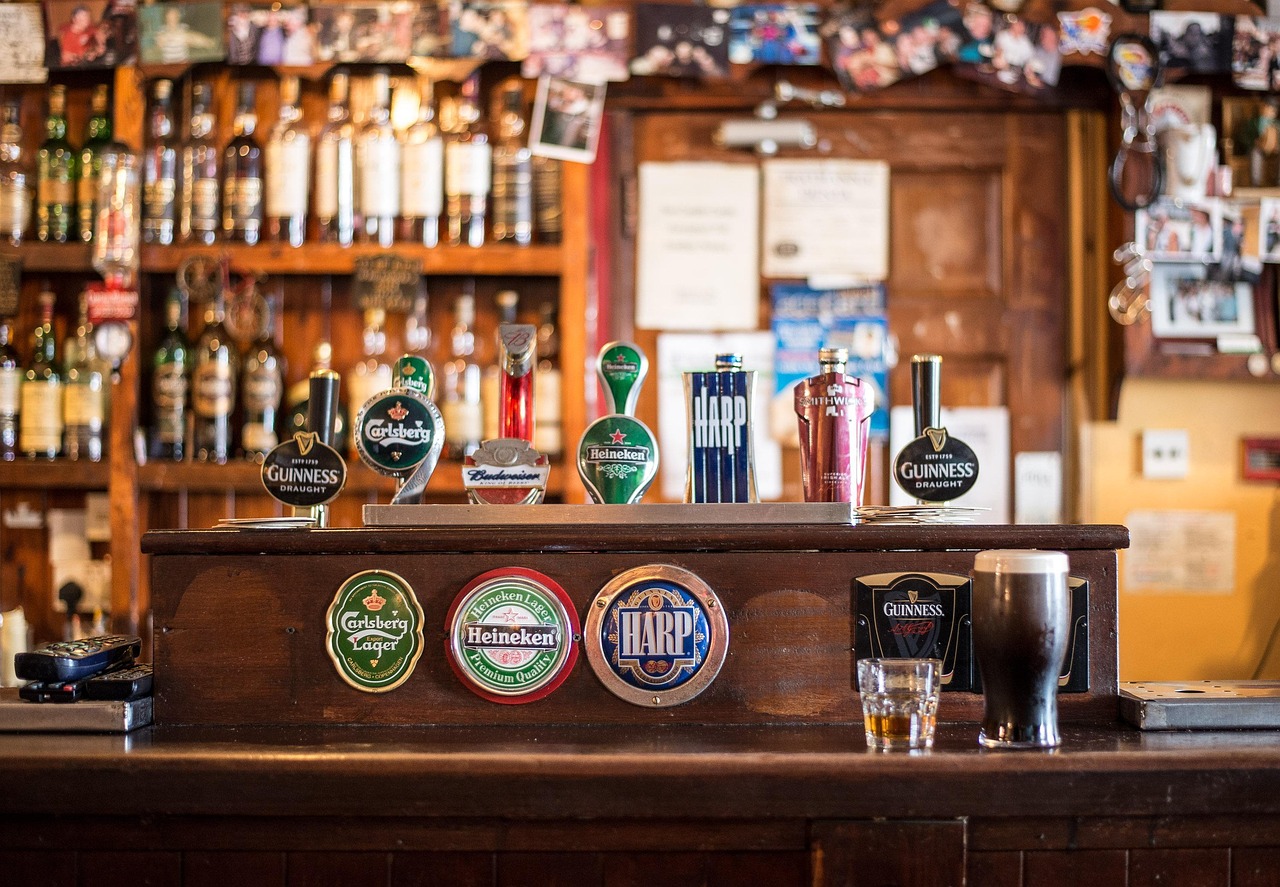
That line lands because it names the actual pain point. Most of us are not doing ownership forensics while we’re standing three deep at the bar. We’re reading cues: tap handle, can art, price, where it’s positioned, whether the venue talks it up as local or independent. If those cues point one way and the ownership points the other, the market is no longer just competitive. It’s muddy.
There is also a second layer here. Guardian reporting from last year said some independents were already walking away from the craft beer tag altogether because the label had become too slippery to be useful. When the smaller players stop trusting the word that once separated them, you can safely say the word has stopped doing its original job.
The real fight is not the logo. It’s who controls the taps
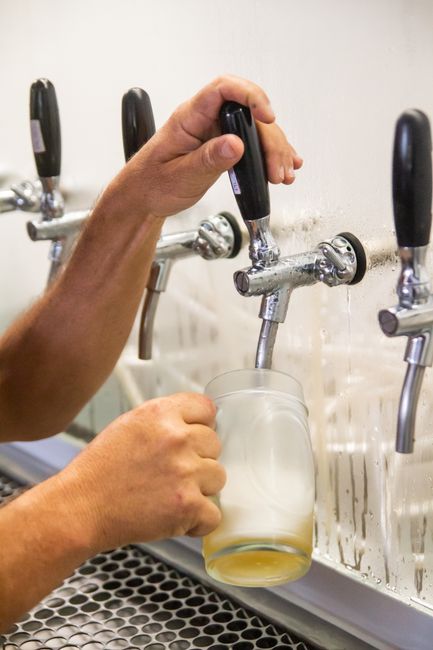
The regulator-policy angle is the easy headline, but the insider angle is more important. Small brewers do not usually die because drinkers suddenly hate pale ale. They die because they cannot get consistent access to pubs, packaged retail and distribution.
That is the point BBC reporting on brewery closures and market access keeps coming back to. More breweries shut than opened last year, and Tim Webb’s summary is cleaner than any consultant deck:
“The big problem that breweries have got, and it is getting worse, is access to market.”
— Tim Webb, BBC News
Once you read the story through that lens, the craft argument stops being culture-war froth and starts looking like a distribution story. Big brewers do not just own brands. They own routes to market, sales teams, supply leverage and longstanding venue relationships. They can put a craft-looking product in front of a drinker far more easily than an actual independent can get a first tap.
That helps explain the weird split in CAMRA’s numbers: roughly 1,600 small independent breweries account for only 7% of the market, even though the report argues demand for indie beer is much higher than that share suggests. If punters say they want the small-brewery stuff and the sales mix still skews hard to conglomerate-owned brands, taste is not the whole story. Availability is doing a lot of the talking.
Even if the reporting is British, the buying habit is familiar enough here. Most of us are choosing from whatever the venue, chain bottle-o or fridge endcap has put in front of us, not roaming a magical free market of tap handles. The lesson travels because the decision-making shortcut travels.
The premium pint only makes sense if the signal is honest
This is where the analyst view bites. Premium pricing only feels fair when the buyer understands what is being priced. If the pitch is independent ethos, small-batch scarcity or local credibility, then ownership is not a side detail. It is part of the product.
You can see why the big groups resist the idea that anything shady is happening. In the same Guardian piece, Asahi’s response was straightforward:
“We believe in a diverse and thriving beer market … Ownership is stated clearly on the packaging of all our brands sold in the UK.”
— Asahi, The Guardian
Fair enough as far as it goes. If the ownership disclosure is there, the legal case may be one thing and the practical one another. But anyone who has bought beer in the real world knows how these decisions are made. Very few shoppers stand there squinting at the fine print on the back of a can or decoding the corporate tree behind a fridge-door sticker. They use front-of-pack cues, brand reputation and price as shortcuts. That is exactly why the craft badge remains valuable.
There is history here too. Guardian reporting in May on Damm buying the Old Speckled Hen brand, and on the curious positioning of Madrí Excepcional, showed how comfortable big brewers have become selling heritage or place-based identity as a premium proposition. None of that means the beer in the glass is automatically bad. It does mean the story wrapped around the beer can be doing more work than the liquid.
So what should a drinker do with this?
First, stop treating craft as a guarantee. It is a style cue now, sometimes an ownership cue, sometimes just a pricing cue. Second, if independence matters to you, check the brewery behind the badge before paying boutique money. That can mean reading the can properly, asking the venue, or buying direct from breweries whose ownership is obvious rather than implied.
Third, separate two questions that often get jammed together. One: is the beer good? Two: is the brand trading on indie credibility it no longer owns? A beer can clear the first test and still fail the second. That is the uncomfortable bit for drinkers who mostly just want a decent pint and an honest steer.
The broader warning from Britain is not that every takeover ruins a beer. It is that once branding, distribution and ownership drift too far apart, ordinary drinkers lose the easiest tool they had for navigating the shelf. And when that happens, the premium stops buying clarity. It just buys a better disguise.
Baz spent fifteen years in commercial kitchens before trading the pass for a backyard full of barbecues. He covers low-and-slow cooking, grilling gear and what to drink with it. Owns four barbecues and insists every one of them earns its spot.
The DudeWorld brief
BBQ, tools, camping and footy — the good stuff, weekly in your inbox.
Subscribe