Charcoal vs gas BBQs: the right buy for your backyard
Charcoal vs gas BBQs comes down to space, flavour, cleanup and running cost. Here's the simple Aussie buying call, plus models worth knowing.
If you live in a unit with a balcony, the charcoal-versus-gas argument can be over before you even leave the couch. Plenty of strata setups hate open flame, neighbours hate smoke even more, and a hulking four-burner cart makes no sense if your outdoor area is basically a large welcome mat.
That is the first useful way to frame this. The second comes from the team behind CHOICE’s barbecue buying guide: for most Australian households, gas is simply easier to live with. It starts fast, the heat is adjustable, and cleanup is far less of a faff.
But the same evidence looks different once flavour enters the chat. T3’s Australian BBQ round-up treats gas, charcoal and pellet cookers as different jobs, not one universal winner. We think that is the sane way to buy one too.
So here is the short answer up front. Buy gas if you cook often, feed a family, or want dinner moving in 15 minutes. Buy charcoal if the ritual is part of the fun, smoke flavour matters to you, or you want a smaller cooker for occasional sessions. The wrong buy is the one that fights your space, your schedule or your patience.
TL;DR
- Buy gas if you want fast starts, proper temperature control and the least hassle on a Tuesday night.
- Buy charcoal if flavour matters most, you do not mind a learning curve, and you are happy trading convenience for better smoke and crust.
- Buy a portable charcoal BBQ if you mostly cook for two or take it camping. The Everdure CUBE at $249 is a clear example of that lane.
- Step up to a larger gas unit if you host often. The Beefeater BS19242 Signature sits at $2,099 in CHOICE’s review and shows what the bigger end looks like.
- If you live on a balcony or under strict strata rules, check the building rules first. Your answer may be made for you.
Start with where the BBQ will live
A lot of blokes start with fuel, then brand, then size. We would flip that. Start with the spot where the thing will sit, because the user-affected view here is brutally practical: a balcony cook, a townhouse owner and a bloke with a proper backyard are not shopping for the same machine.
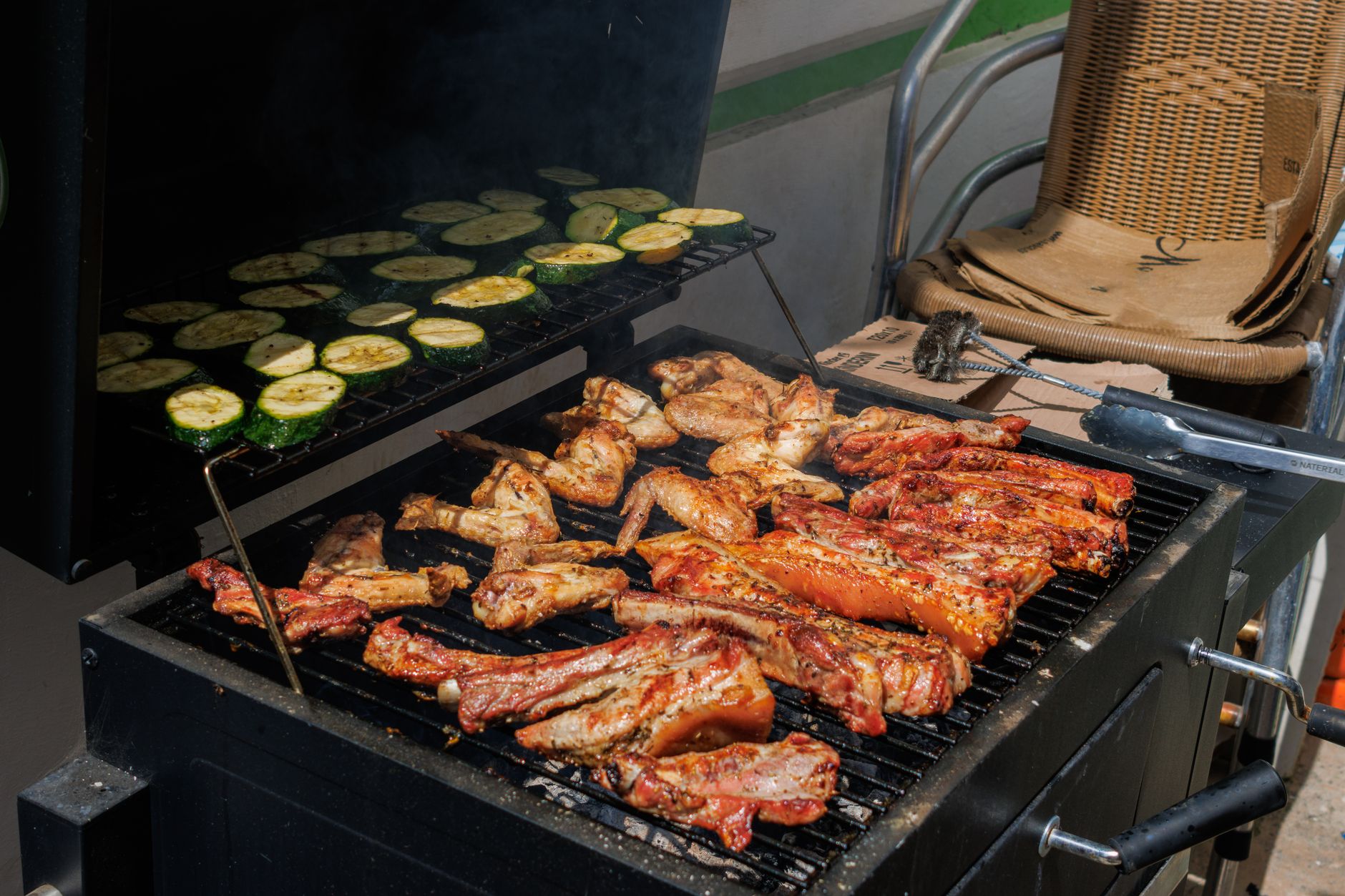
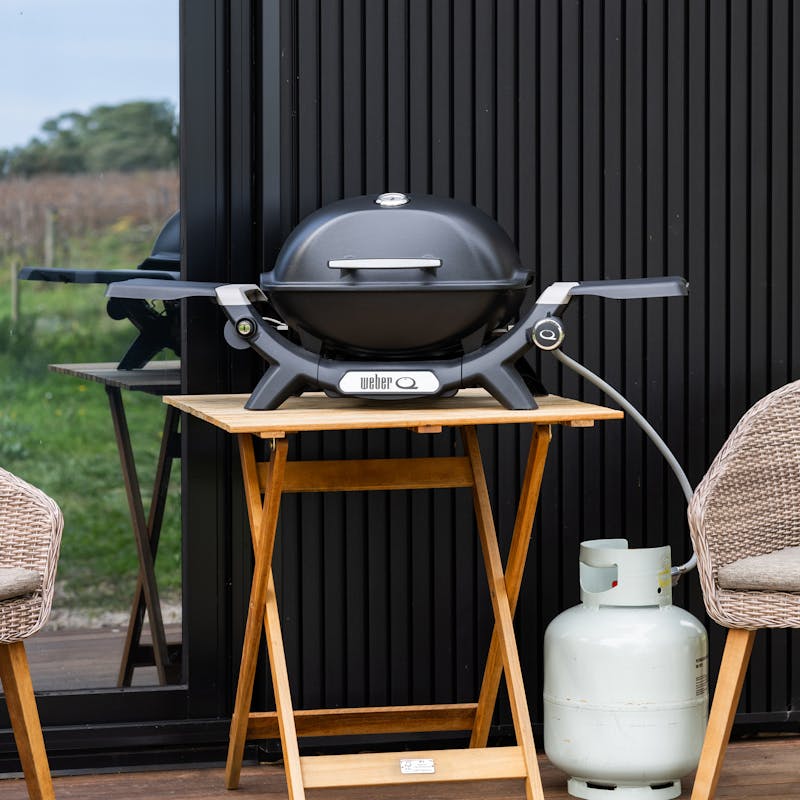
If you have a full backyard, room for a gas bottle and enough distance from walls or railings, gas becomes a very easy argument. A hooded two-, three- or four-burner unit gives you capacity, flexibility and a lot less smoke drama. You can knock over sausages for the kids, shut the hood for thicker cuts, then be cleaned up before anyone starts pretending they will do the dishes.
If you are working with a small courtyard or balcony, the decision gets tighter. Open flame, charcoal smoke and gas bottle storage can all be restricted by building rules, landlord conditions or common-sense safety limits. That means the fuel debate is sometimes decided by the site, not by taste. Before you compare burners or brag about smoke rings, check what your building actually allows.
That answer is not sexy, but it is the one that saves money. We have all seen the bloke who buys the dream BBQ first and works out later that he has nowhere sensible to run it. If your outdoor area is narrow, exposed or shared, a compact unit you will genuinely use beats a statement piece that turns into expensive patio furniture.
Space also changes what “enough” cooking area looks like. Couples can live happily with a compact charcoal cooker or a smaller gas model. Families, frequent hosts and anyone who does meat plus veg at the same time will appreciate separate heat zones and more grill space. Buying too small is nearly as annoying as buying the wrong fuel.
Why gas wins most Aussie backyards
The insider view from CHOICE is not hard to understand. Gas is the most common BBQ fuel in Australia because it is the easiest to get right, especially if you cook regularly and do not want every meal to become a weekend project.

“The most common fuel in Australia, its instant heat source and adjustable temperatures make barbecuing simple.”
— CHOICE barbecue buying guide
That one line sums up why gas keeps winning the suburban numbers game. Turn it on, preheat it, set the burners where you want them and get moving. You do not have to light a chimney, wait for coals to ash over, or fiddle with vents while your snags drift from pale to cremated.
Gas also suits the way most households actually cook. We like the romance of a slow afternoon around the barbie, but weeknight reality is different. You get home late, the kids are circling, the weather looks shifty and you want decent control. Gas is better at short notice, better for mixed foods, and better when you need one side hot and the other side gentle.
That is the best answer we can give to the analyst question in this story: yes, gas still dominates because convenience beats flavour for most households most of the time. Smoke flavour is lovely. So is getting dinner on the table without turning the whole thing into a production.
Running cost is not as scary as some buyers assume. CHOICE says an 8.5kg gas bottle refill or swap is about $25, which makes day-to-day cooking pretty manageable if you are using the BBQ often. The bigger financial trap is not gas itself. It is buying a cheap, flimsy unit that rusts, leaks heat and burns hot in one corner while leaving the other side sulking.
Where gas buyers go wrong is chasing burner count instead of overall usability. Four burners sounds better than three until you realise the cart is wobbly, the hood is thin and the grease management is ordinary. We would rather own a solid three-burner with a proper hood and decent parts support than a bargain four-burner that feels tired after one wet winter.
For most backyard cooks, gas is the sensible buy. That is not the same as saying it is the most exciting buy. It is the one that gets used.
Why charcoal still wins flavour chasers
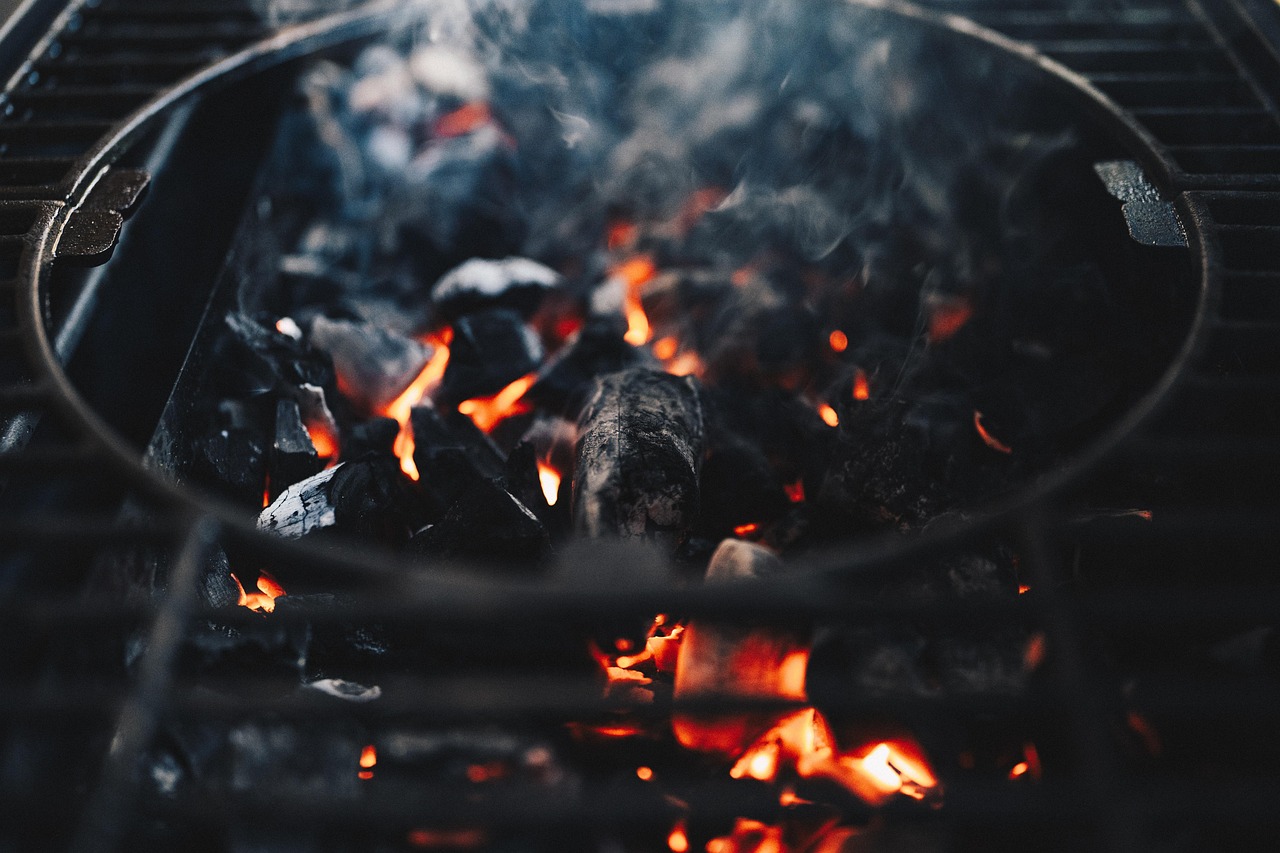
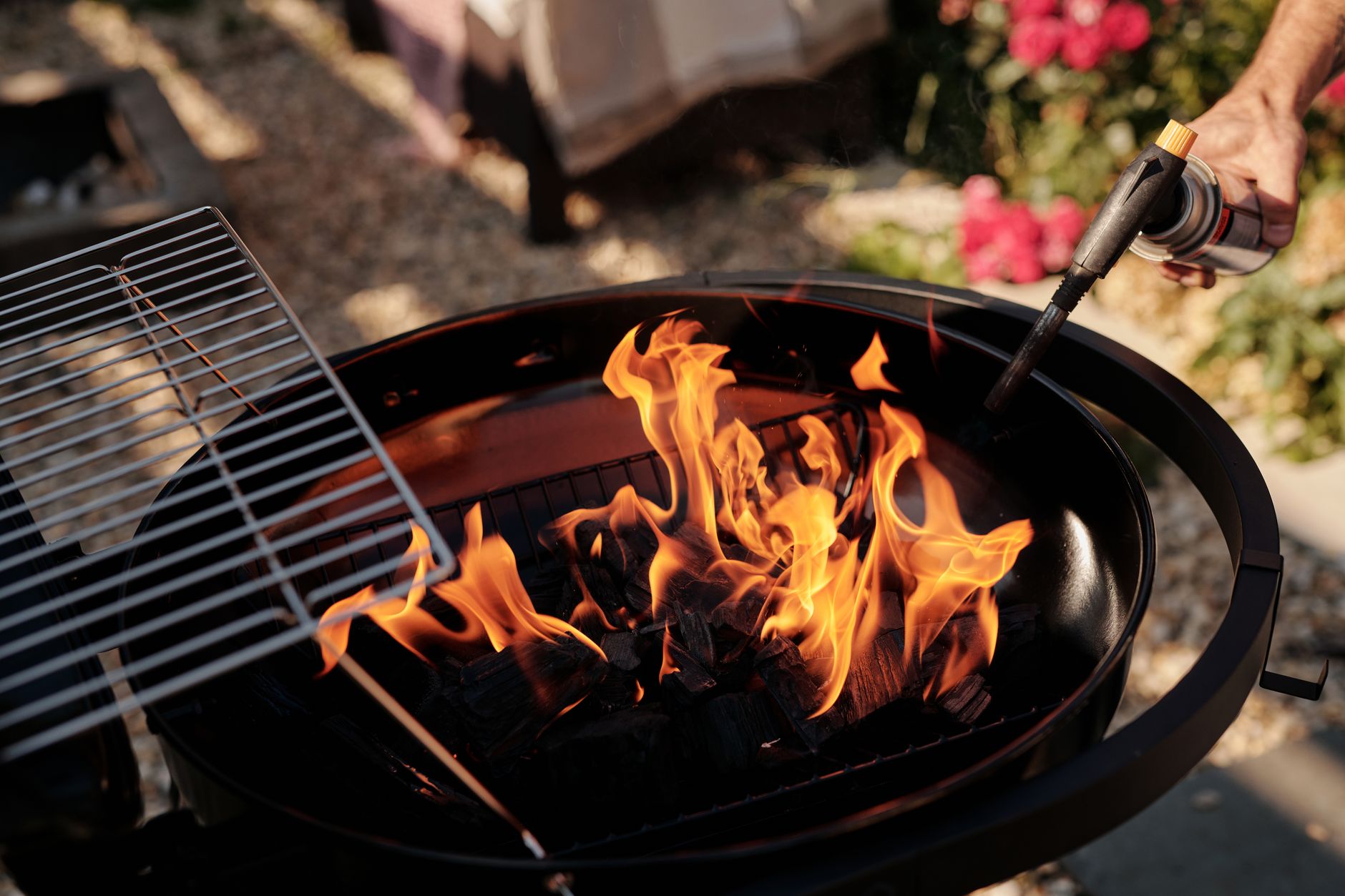
The other side of the argument is not nostalgia. Charcoal really does cook differently, and for some buyers that difference is the whole point. If your best BBQ memories involve a bit of smoke in the air, a crustier sear and more time standing around with a beer, charcoal deserves a proper look.
“Requires patience and practice to get right, but end results are more flavourful.”
— CHOICE barbecue buying guide
That is the trade-off in plain English. Charcoal asks more from you. It wants setup time, airflow management and a little attention. In return, it gives you the flavour and heat character that gas still struggles to copy, especially on steaks, burgers and anything you want kissed by smoke rather than merely browned.
This is also where buying small can make more sense than buying big. If you are not catering for a football side every weekend, a portable charcoal unit can scratch the itch without swallowing the whole patio. The Everdure CUBE is a good example. It is priced at $249, sized for smaller cooks, and pitched as a portable option rather than a family workhorse.
“Convenient and portable charcoal barbequing.”
— Everdure, describing the CUBE
That sounds like marketing copy because it is, but the idea is fair enough. A compact charcoal BBQ suits park days, campsites and small households better than a giant steel beast you only fire twice a year. It also makes the charcoal learning curve less painful. If you are learning vent control and coal placement on a smaller cooker, mistakes cost less food.
Where charcoal buyers kid themselves is frequency. If you know you are an occasional weekend cook who enjoys the ritual, charcoal is brilliant. If you imagine you will lovingly light coals every Wednesday after work, we would politely suggest you are overselling your own enthusiasm.
Charcoal is also less forgiving when conditions are average. Wind matters more. Setup matters more. Heat recovery takes longer. Cleanup is ash, not a quick scrape and wipe. None of that is fatal. It just means charcoal should be a conscious choice, not a vibes-based one.
If flavour is the top line on your scorecard, charcoal still wins. If flavour is fourth, behind speed, capacity and convenience, gas is probably telling you the truth already.
The features that matter after six months outdoors
This is the part buyers skip because it is less fun than arguing about fuel. It is also the bit that decides whether you still like the BBQ after one summer, one wet winter and a couple of greasy family cook-ups.
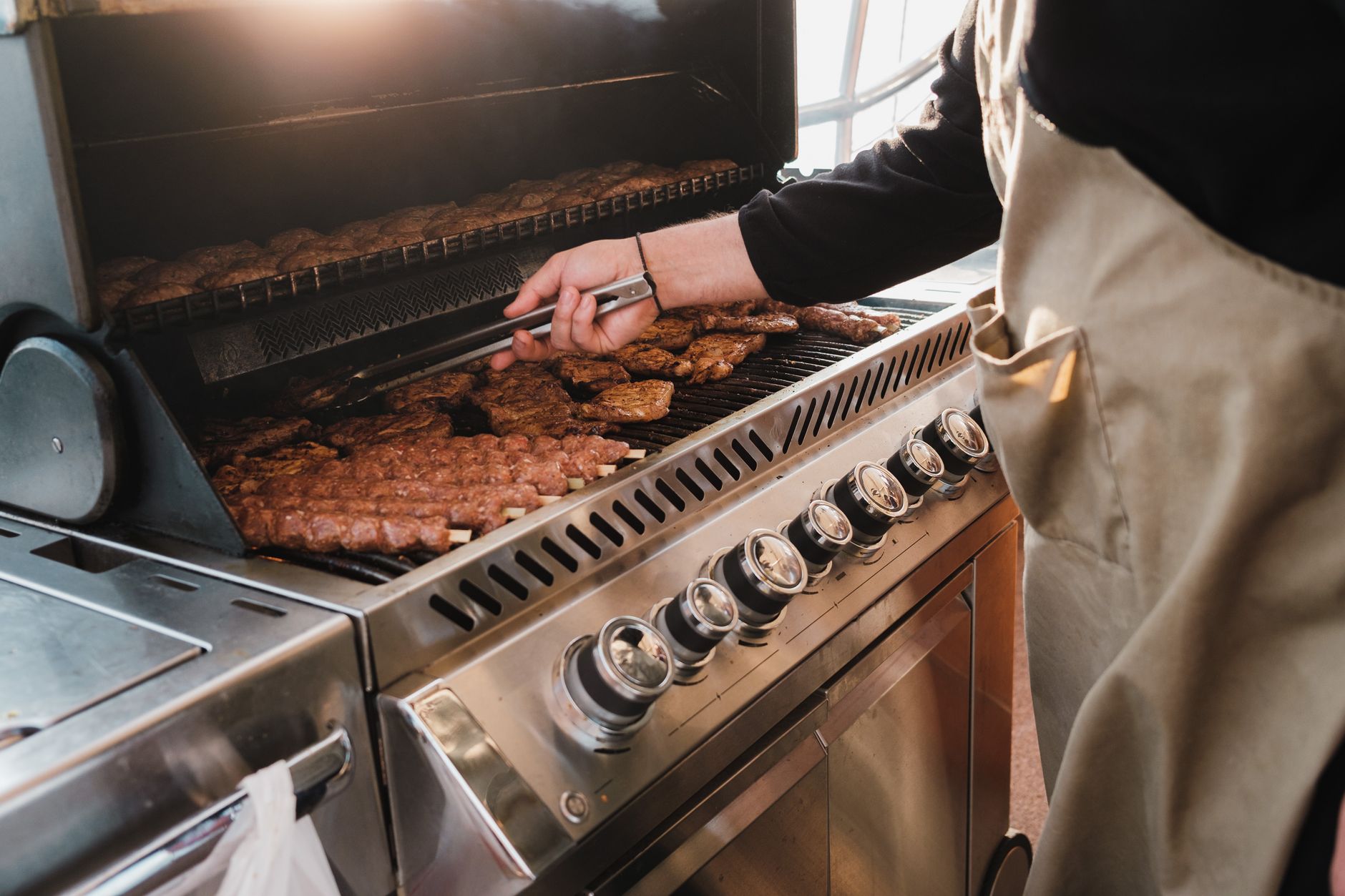
The insider question from Fiona Mair’s side of the story is simple: which features still matter once the BBQ lives outside all year? We would put the list in this order: build quality, usable cooking space, lid performance, grease handling, parts support and how easy it is to clean without swearing at it.
Build quality matters because the Australian backyard is rough on gear. Sun cooks plastics. Salt air attacks finishes. Cheap wheels hate pavers. Thin metal loses heat and ages fast. A unit that looks flashy on the shop floor can feel second-hand by Easter if the frame, lid and hardware are ordinary.
Usable cooking space matters more than raw quoted area. A well-laid-out grill with room to move food between hotter and cooler sections is more valuable than a big surface that runs at one angry temperature. On gas, that means burners you can control separately. On charcoal, that means enough room to bank coals and cook indirectly when you need to.
A proper hood is worth paying for if you cook anything thicker than sausages. It gives you more forgiving heat, more versatility and a better shot at roasts, chicken pieces or thicker steaks without scorching the outside. Cheap lids often look the part but leak heat and wobble like a shopping trolley.
Then there is the boring stuff that separates a good buy from a yard ornament: trays you can remove easily, drip management that does not turn into a greasy archaeology dig, side shelves that are actually useful, and replacement parts you can still get in two years. That is why CHOICE says it has tested more than 80 barbecues over the past nine years. Durability and consistency are not sexy at checkout, but they are everything once the novelty wears off.
Brand support matters too. CHOICE notes Weber was its Best BBQ brand for 2025 for the seventh year in a row, which is less about fan-club behaviour and more about a long record of solid gear, parts availability and buyer confidence. Even if you do not buy Weber, that is the standard worth comparing everyone else against.
If we were shopping at Bunnings or Appliances Online tomorrow, we would spend more time opening lids, checking wheel stability and looking at grease trays than counting badge logos. The badge sells the dream. The hardware decides whether the dream survives a wet July.
What to buy at common budgets
Budget shapes the answer almost as much as fuel. A bloke with $300, a balcony and a taste for char is shopping in a totally different lane from a family with a big deck and two grand to spend.
Under $500
This is where we would keep the brief very honest. If you want charcoal, a compact unit can make plenty of sense. The Everdure CUBE at $249 is portable, simple and suited to smaller cooks, beach houses or camping trips. It is not the answer for a big family barbecue, but it does not pretend to be.
If you want gas under $500, shop with your eyes open. This end of the market is full of compromised carts, thin lids and burners that sound more impressive on the sticker than they feel in use. If you only need a snag-and-burger machine for occasional use, fair enough. If you want longevity, indirect cooking and a bit of forgiveness, this is where cheap gas can disappoint.
$500 to $1,500
For most households, this is the sweet spot for gas. We would look for a hooded two- or three-burner if space is tight, or a proper three- or four-burner if you host often. At this money, the wishlist is pretty clear: solid cart, decent hood, separate heat zones, easy-clean trays and a brand with local support.
It is also where gas starts to make a stronger case against charcoal for general buyers. You are paying for convenience that you will actually use, not just for extra size. If you cook twice a week, the ability to preheat fast, run mixed temperatures and clean up quickly has real value.
$2,000 and up
This is premium backyard territory. It only makes sense if you cook often, host often, or simply know you will use the thing hard enough to justify the spend. The Beefeater BS19242 Signature gives you a concrete reference point here, with CHOICE’s review listing the model at $2,099.
At that price, we would expect proper heat retention, sturdy construction, useful prep space and enough cooking area to stop playing Tetris with dinner. We would also expect you to actually barbecue often enough to enjoy the upgrade. Buying a premium BBQ for three summer weekends a year is a bit like buying a lifted 4WD to hop kerbs at Westfield.
Our buying answer
If you want one simple answer, it is this: gas is the right buy for most Australian households, and charcoal is the right buy for the buyer who values flavour and ritual above convenience.
Gas wins the broad argument because it suits real life. It is fast, controllable and easier to use often. Charcoal wins the emotional and flavour argument, which is why keen cooks keep defending it, correctly, with a slightly smoky grin.
So we would make the call by asking four questions.
- Where will it live? If space is tight or rules are strict, that narrows the options fast.
- How often will you use it? Frequent cooks should lean gas. Occasional hobby cooks can lean charcoal.
- How many people are you feeding? Bigger groups push you toward hooded gas or a serious charcoal setup.
- Do you enjoy the process or just the result? That is the honest tiebreaker.
If you are still torn, we would steer most buyers toward gas and only break the other way when the buyer lights up at the idea of tending fire, waiting on coals and chasing better flavour. That is not fence-sitting. That is buying the thing you will use, not the thing that sounds coolest in the group chat.
FAQ
Is charcoal better tasting than gas?
Usually, yes. Charcoal gives you smoke, crust and a slightly rougher, more fire-driven flavour. That advantage is real. It only matters, though, if you are happy doing the extra setup and cleanup that comes with it.
Is gas cheaper to run than charcoal?
Not always on every cook, but it is usually easier to budget for if you barbecue often. CHOICE puts an 8.5kg gas bottle swap at about $25, and that predictability suits regular use.
Can you use a charcoal BBQ on a balcony?
Sometimes, but plenty of buildings, strata schemes and landlords will make that difficult or ban it outright. That is why small-space buyers should start with the rules before they start with flavour.
What size BBQ do most households need?
A couple can get by with a compact charcoal cooker or a smaller gas unit. Families and frequent hosts should look at hooded gas BBQs with at least two proper heat zones, and often three or four burners.
Should you buy premium straight away?
Only if you know you will use it. Premium gear is worth it when you cook often and want better build quality, heat retention and longevity. If you are still figuring out your habits, a simpler setup is usually the smarter first buy.
The DudeWorld brief
BBQ, tools, camping and footy — the good stuff, weekly in your inbox.
Subscribe