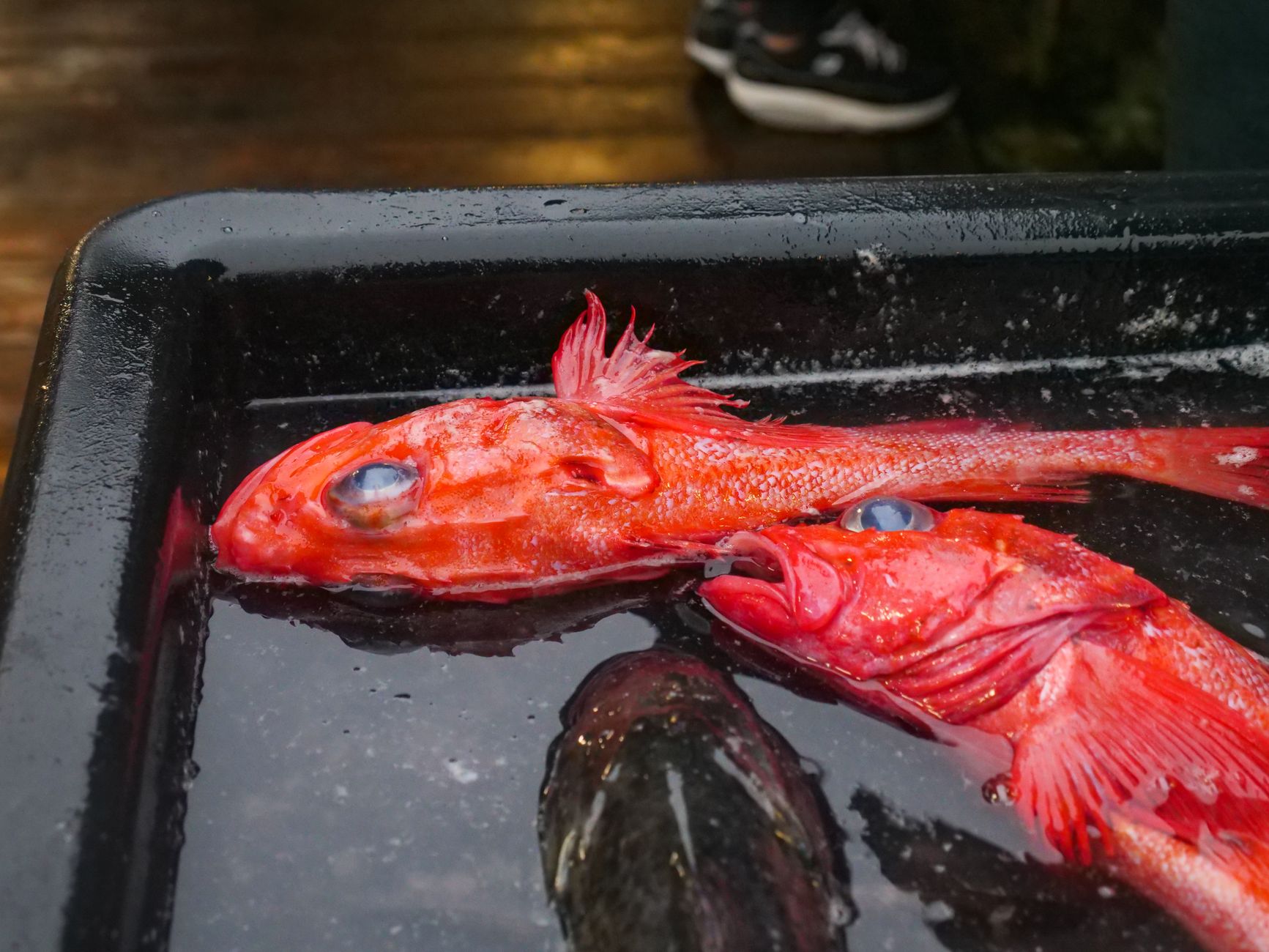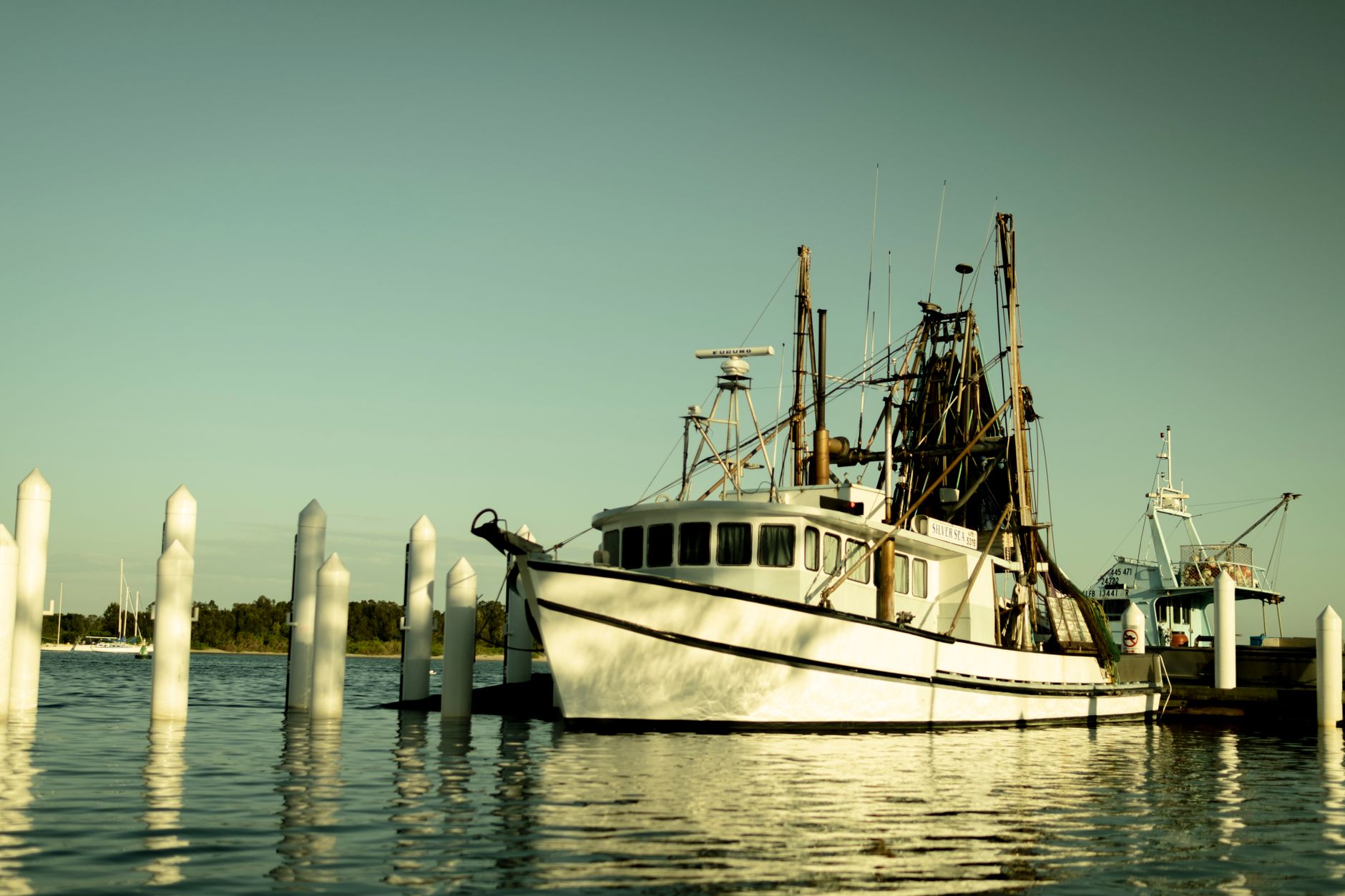
White spot disease fallout hits Maclean prawn trade hard
White spot disease fallout is still hitting Maclean, with the old co-op site up for auction as prawn trade losses squeeze jobs, seafood access and trade.
A Maclean seafood business that once made 40 per cent of its annual revenue from the green school prawn trade is selling its old river-town outlet. That is the tell in a yarn that could otherwise look like a simple property sale. The shop has traded since 1949, but ABC News’s reporting on the auction points to pressure well beyond the front door. White spot disease is still biting into the Clarence where locals feel it: seafood counters, working families and co-op balance sheets.
Outside the industry, the damage is easy enough to miss until a familiar sign comes down. The Clarence River Fishermen’s Co-Operative outlet in Maclean has long been one of those places where the catch turns into cash and local prawns end up on local plates. Sending that site to auction while the co-op consolidates at Iluka says the disease hit is still moving through jobs, seafood access and confidence. A fisheries-office spreadsheet does not show that part as neatly.
Chair Garry Anderson told ABC News the co-op has been losing about $2.5 million a year from white spot fallout, after a revenue line that once accounted for 40 per cent of annual takings was effectively gutted. School prawns are not a side hustle on the Clarence. They help keep a regional co-op moving, especially in a town where commercial fishing is part of the place as much as the weekly turnover.
This white spot has really hurt us big-time.
Garry Anderson, ABC News
Anderson said the co-op has also lost half its shareholders to a buyout. That detail gives the story a longer tail than one poor season or a bad river run. Fewer shareholders usually means fewer operators with skin in the game. It can also mean fewer younger fishers seeing a reason to stick around, and fewer local businesses with enough margin to keep older sites open.
Why the pain keeps dragging on
White spot is a proper biosecurity problem, not a nuisance bug. NSW DPI says white spot can cause up to 100 per cent mortality in prawns, and the current Biosecurity Control Order runs for five years. Authorities are treating it as a long job. On the river, that means a disease that can wipe out product outright, then leave rules and uncertainty hanging over the trade after the first outbreak headlines fade.
The NSW Government’s additional $4.5 million support package for affected prawn fishers shows the pressure has reached the point where more help was needed. Support money can keep some blokes afloat. It cannot instantly rebuild volume, confidence or a shareholder base. Nor can it fully replace a local co-op outlet: somewhere to move catch, buy seafood, talk shop and keep a working waterfront feeling like it still has work in it.
Fifth-generation Clarence River fisherman Steve Everson put the longer-term risk plainly when he spoke to ABC News. His worry went past the auction sign. It was whether the next generation looks at the rules, the disease risk and the shrinking economics, then decides the whole caper is more trouble than it is worth.
Fishermen will think it’s all too hard.
Steve Everson, ABC News
That is the bit to watch now. When an old seafood site goes under the hammer, the practical question is what disappears with it. In Maclean, that could mean fewer obvious places to buy local catch, a thinner commercial fishing base on the Clarence and another knock to the sort of coastal-town business that looks sturdy until a disease event sits on it for years. The auction matters because it shows white spot is still doing damage long after the panic has moved on.
Tommo splits his weekends between the high country and the footy. He writes about camping, 4WDing, fishing and the general business of being a husband and dad who still gets a leave pass. Drives a diesel he refuses to shut up about.
The DudeWorld brief
BBQ, tools, camping and footy — the good stuff, weekly in your inbox.
Subscribe