NAPLAN results are home. Don't let one score run the house.
NAPLAN results can start a useful chat, not a panic. Here’s what parents should look at, what to ignore and when to call the teacher.
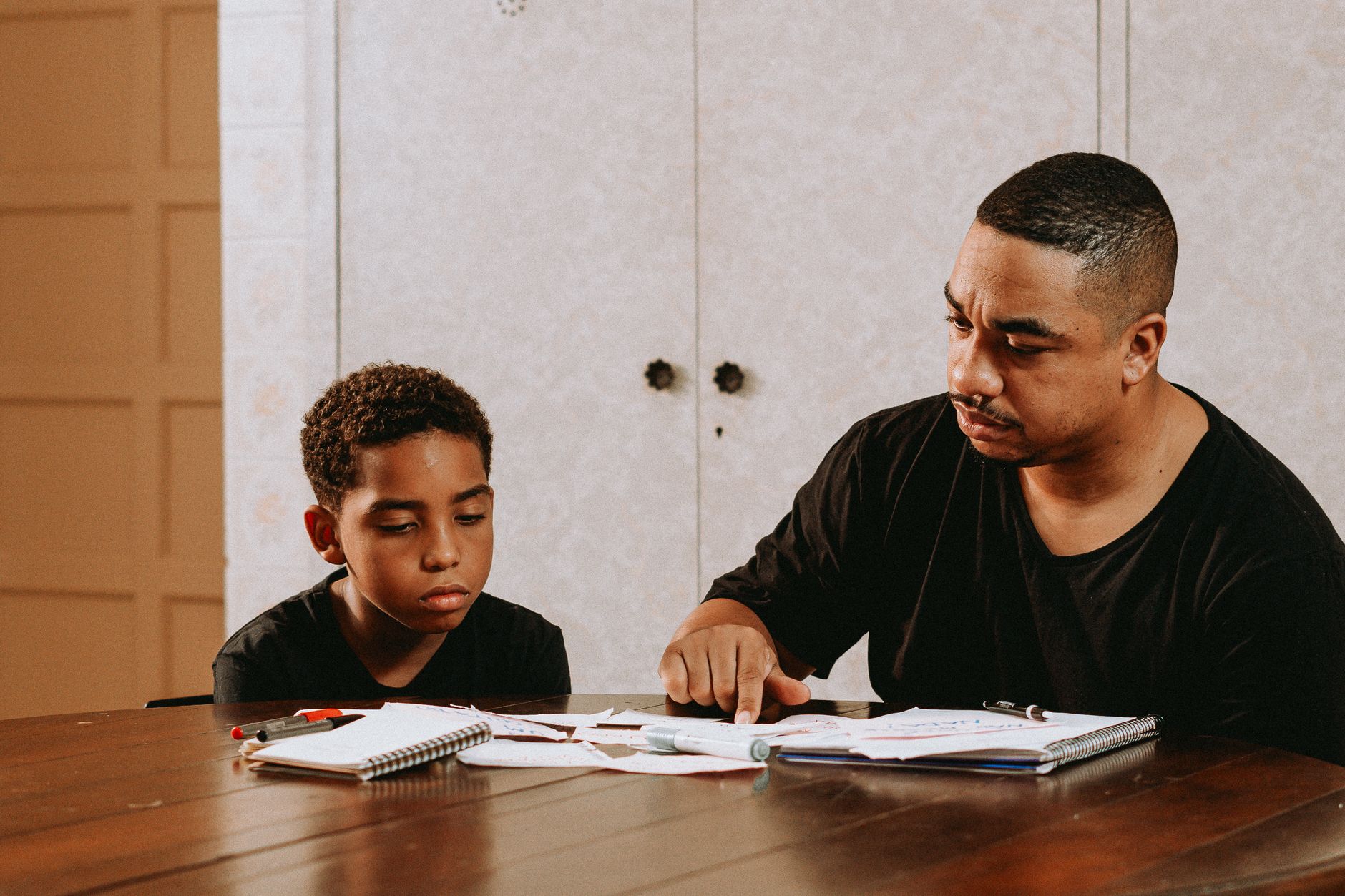
For a lot of parents, NAPLAN day has the same vibe as opening the winter power bill: you want to know, but you also brace. The report lands near dinner, one kid goes quiet, someone scans for the worst-looking line, and the kitchen table starts feeling like a tiny tribunal.
We’d put the kettle on before doing anything dramatic.
The NAPLAN results arriving for students in Years 3, 5, 7 and 9 are useful, provided we read them for what they are: a snapshot of how your child went on a particular test, on a particular day. Treat the page as evidence, not a verdict on whether they’re good at school, proof they’ve gone off the rails, or a reason to spend every Saturday morning parked outside tutoring.
Before the panic gets a start, borrow the educator view. ACARA’s own parent guidance says the test is not pass-or-fail and should sit beside classroom work and teacher judgement. Parents, understandably, read the page like a scoreboard. A better move is to treat it as the start of a conversation.
Jessica Holloway puts that neatly in The Conversation AU:
“NAPLAN provides a snapshot of how your child performed on a particular test, on a particular day.”
Jessica Holloway, The Conversation AU
That parent-versus-educator tension is pretty much the whole yarn. At home, we want to know whether our kid is okay. Inside the school gate, teachers are placing one standardised test beside months of classwork, writing samples, reading habits, confidence and plain old bad-day energy. One view is emotional. The other has context. You need both.
First, read the report for what it is
Begin with the boring bit: how the report is built. Once that is clear, a lot of the melodrama leaks out.

Under the current reporting system, NAPLAN uses four proficiency levels: exceeding, strong, developing and needs additional support. Those labels describe how a student performed against an expected standard at that stage of school. They are not personality types. Developing does not mean your child is coasting. Strong does not mean you can stop reading with them. A result can be reassuring without becoming destiny, and concerning without becoming a catastrophe.
Sounds obvious. Still worth saying, because plenty of us read the report like a ladder. If numeracy sits lower than you’d hoped, the natural reaction is to squash the whole child into that one line. Fair enough. Numbers have a way of doing that when they arrive by mail: school results, bank balances, rego renewals, the lot. Standardised tests are narrow by design. They capture a slice.
ACARA says that outright in its results FAQ:
“NAPLAN is not a pass or fail type of test.”
ACARA FAQ
Better first question: does this roughly match what we already know? If the answer is yes, the report is doing its job. If the answer is no, curiosity beats panic. Something may need attention. Just as often, something needs context.
Holloway’s Conversation analysis keeps dragging the reader back to the same unglamorous truth: one day, one test, one measure. That is not an argument for ignoring the envelope. It is an argument for stopping it from swallowing the whole week.
Then compare it with the kid you actually live with
This is where the insider perspective helps. Teachers do not teach a NAPLAN score. They teach the student who turns up on Tuesday, half-finished lunchbox and all, and they usually know whether a result matches the work happening in class.

Your Year 5 kid might read novels under the doona with a torch and still come in flat on reading. Your Year 7 child might argue a referee’s call like a silk in the High Court, then hand in a writing result that looks ordinary. Numeracy might come back stronger than expected because they were relaxed on the day and the format suited them. None of that makes the score meaningless. It means the score is incomplete until it meets the rest of the evidence.
Official parent material tells families to compare the report with classroom performance and school reports, not stare at it in isolation. The useful questions are specific. Was this consistent with what the teacher has been seeing? If not, where was the difference? Is there one skill that seems sticky, like spelling, reading comprehension or written organisation? What should we work on at home, and what does the school want to handle at school?
The same ACARA FAQ puts the teacher piece plainly:
“Your child’s teacher will have the best insight into your child’s educational progress.”
ACARA FAQ
Parents often ask what those four levels mean in the real world. They mean more when the teacher explains them against your child’s work. A developing result in writing can point to structure, punctuation, stamina, attention, or a student who froze in the formal setting. A classroom writing book often tells you more about which one than the label alone.
Used properly, NAPLAN sends you back toward the humans. The teacher. Your kid. The work already in the bag. It gets shaky when it replaces them.
If one result looks odd, slow down before you label it
Odd results have gravity. Parents treat the surprise as a warning we nearly missed. Schools need to explain outliers. Kids remember the lowest line because of course they do. The adult job is to slow the scene down.

In 2026, that caution has extra weight because the test window was not perfectly clean. The Conversation explainer points readers to the first-day platform disruption and says families should follow up if a writing result looks off. Earlier in the year, ABC News reported on a stolen delivery van carrying completed Year 3 tests in Melbourne. Different issue, same lesson: standardised testing systems are real systems. They can be messy, delayed and imperfect.
Call that a caveat, not an excuse. When more than a million students sit a national assessment, the machinery around the test can shape how the test feels and, at times, how it lands. If one result is wildly out of character, especially in writing, do not jump straight to my kid can’t do this or the school has missed something for years. Ask whether the result matched classroom work. Ask whether there were technical problems, absence issues or anxiety on the day. Ask what the teacher would expect to see in normal lessons.
The sceptic’s point is useful here, even if it sounds a bit annoying in the moment. NAPLAN can measure a narrow set of skills under a narrow kind of pressure. It cannot measure whether a kid sticks at a hard task, explains an idea out loud, stays kind under pressure, or slowly gets better in ways that do not fit inside one testing window. Those things are not sentimental extras. They are part of actual learning.
That wider argument sits behind AFR Technology’s recent analysis, which warned against letting a narrow testing debate crowd out the bigger business of teaching kids to read, write and think properly. Different register, same warning: if the test becomes the whole conversation, we end up talking about the instrument more than the child holding the pencil.
What NAPLAN cannot tell you, even on a good day
This is the part worth saying out loud in Australian kitchens, because a lot of families feel it but do not quite phrase it. A NAPLAN result may tell you something useful about literacy or numeracy at a given moment. It cannot tell you whether your kid is a good mate. It cannot tell you whether they keep going when something is hard. It cannot tell you whether they light up in music, art, woodwork, coding, drama, sport or all the everyday things school asks of them that never show up in a national report.
Accuracy matters here. Plenty of children who are average on one standardised measure end up excellent at school because they love learning, ask good questions, work steadily and recover well from setbacks. Plenty who score strongly still need help with confidence, organisation or writing stamina. The report matters. It just does not get sole custody of the story.
Used that way, the sceptic perspective keeps adults from becoming score interpreters and nothing else. It reminds us that a child can be having a real wobble in maths and still be thriving overall. Or sailing through literacy and feeling miserable at school. A national test is not built to hold those contradictions. Families are.
What to say tonight at the kitchen table
When the envelope lands, keep it ordinary. Sit down, open it, and resist the grand language. No “this is unacceptable”. No “we knew it”. No “you have to lift”. Definitely no comparison with cousins, siblings or the neighbour’s selective-school prodigy.
Try something closer to this: we got the report, we’ll read it together, and it is one piece of information. If a line looks strong, good. Say well done and move on. If a line looks flat, ask what school has felt like in that area lately. Was the test day weird? Did the format feel rushed? Does this match what they usually bring home? Then, if it still looks important, book the boring chat with the teacher and get concrete about next steps.
Tone does a lot of work here. Kids are excellent at reading it. If we approach the page like a verdict, they will hear it like a verdict. If we approach it like a clue, they are more likely to talk. That is the parent-side answer to the question underneath all of this: how do we stop one score becoming a judgement on the whole kid? By refusing to act as though it is one.
Keeping the temperature down has a practical upside too. You make better decisions. Instead of panic-buying tutoring, work through the basics. Is reading at home slipping? Does writing need more low-stakes practice? Would five calm minutes on times tables help more than an expensive Saturday program? Does the teacher see the same issue? Most families do not need an overhaul. They need a clearer picture.
If the report lands in needs additional support and the teacher agrees the same issue is showing up in class, calm does not mean shrugging. It means moving from label to plan. Which skill is the problem? What support is the school already offering? What can we practise at home without turning every night into school round two? When will we check progress again? That is a much better family conversation than, are you smart enough?
Confirmation is useful too. If the report mostly tells you what you already knew, take the win. Sometimes the school picture broadly matches the home picture. Good. Get on with life.
Which brings us back to the kitchen table. NAPLAN is a national test, not a family referendum. Read it. Take it seriously enough to ask a couple of smart questions. Not seriously enough to let it rename your child.
The DudeWorld brief
BBQ, tools, camping and footy — the good stuff, weekly in your inbox.
Subscribe