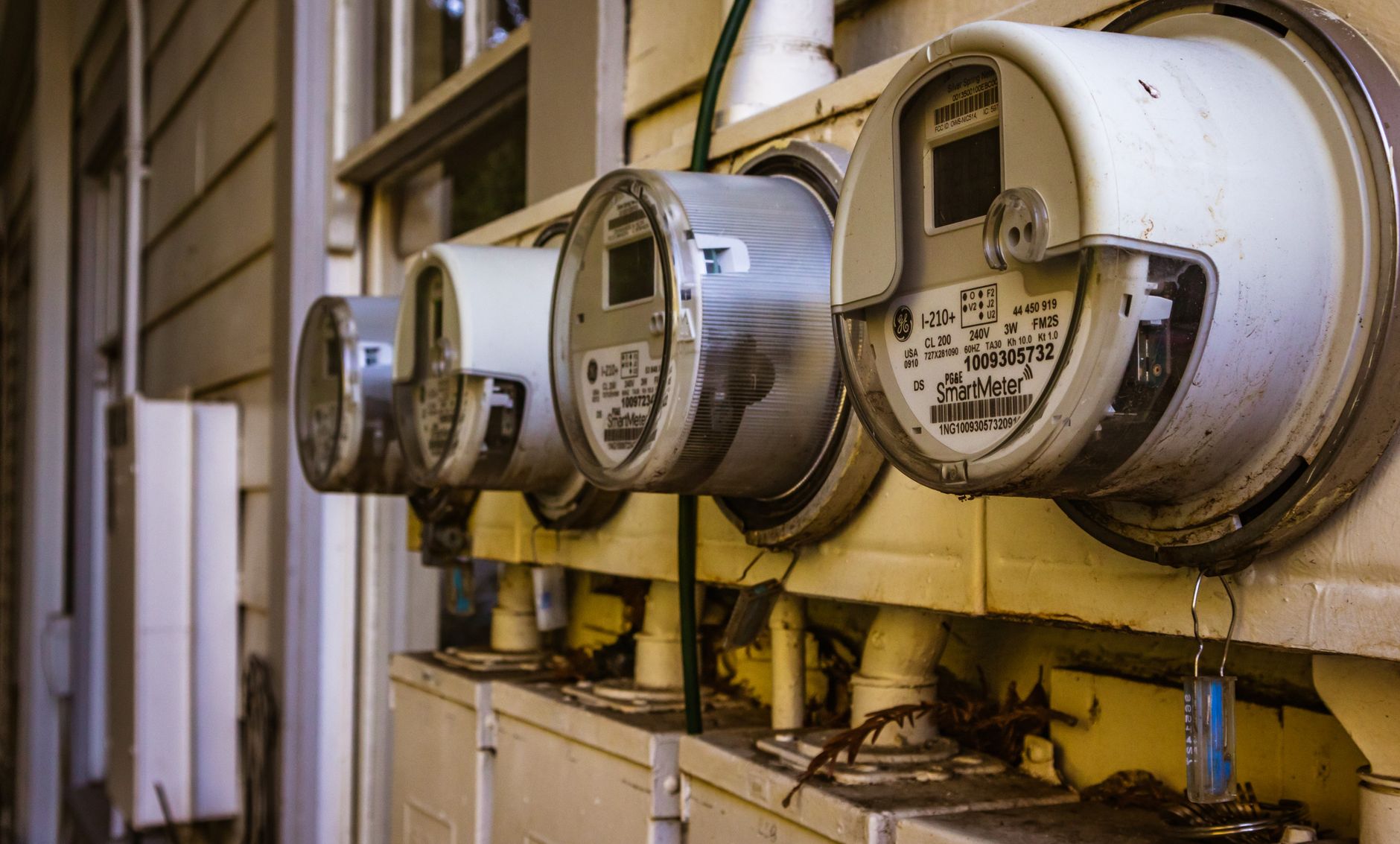
Origin Energy data breach: what customers should do now
Origin Energy data breach concerns have put account holders on alert. Here’s what may be exposed, what Origin says and what to check now.
Most of us deal with Origin Energy when the bill lands and then get on with the week. That is why a possible customer-data breach is worth clocking early, before the dodgy texts and phishing calls start borrowing Origin’s name. For customers, this is less a markets yarn than an admin headache waiting to happen.
Origin says it is investigating a potential security incident, has notified the Australian Cyber Security Centre and the Australian Federal Police, and does not believe credit card or bank details were exposed. Good. Still, ordinary account data can do damage on its own. Names, email addresses, phone numbers, street addresses, account numbers or bill history can give a scammer enough detail to make a fake message look fair dinkum.
In a statement carried by ABC News, the company said:
“Origin Energy Limited (Origin) is currently investigating a potential security incident which may involve unauthorised access to some customers’ data.”
Origin Energy, via ABC News
The careful wording matters. Origin has not said every customer is affected, and its current line is that bank and card details do not appear to be part of the exposed data. ABC’s reporting said the retailer has about 4.7 million customer accounts. The Sydney Morning Herald reported that a sample of 50 customer records was allegedly sent to media, while The Nightly separately reported that an alleged hacker claimed access to data tied to two million customers. A claim is not a confirmed impact. It is enough reason to pay attention.
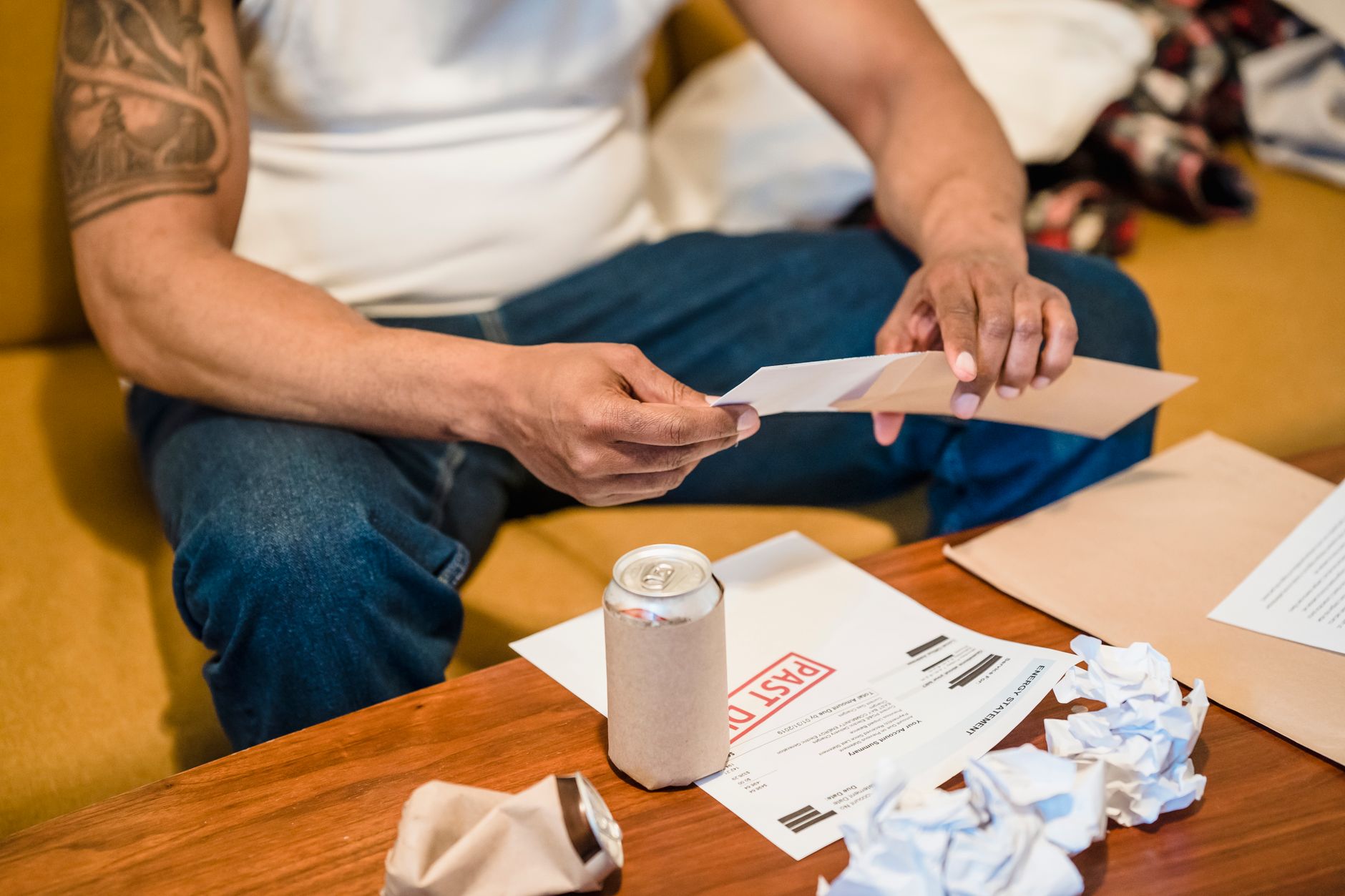
Energy-account breaches are annoying because utility accounts are dull by design. Most households trust them by habit. If someone has enough detail to send a convincing overdue-bill text, a fake direct-debit warning or a “verify your account” email that looks close to the real thing, they do not need your card number straight away. They need you rushed, distracted and keen to sort the bill before dinner.
What customers should do right now
If you have an Origin login, start with the boring checks that stop the expensive mess later. Change your password if you have reused it anywhere else. Log in through the official app or by typing the site address yourself, rather than tapping a link in a text or email. Check that the mobile number, email address and billing contacts on the account are still yours. Treat any prompt to update payment details as suspicious until you have checked it inside the real account.
We would treat the next week of messages from “Origin” with more suspicion than usual. A breach notice often gives crooks a ready-made hook, even when they were not part of the original incident. If a message says your bill failed, your direct debit needs to be re-entered or your account will be suspended unless you act now, slow it down. Open the real app, or ring the number already printed on your bill, and check there first.
That distinction matters because Origin’s current line is still reassuring on bank and card details. Even so, customer data can make a phishing attempt very believable. A name, address, phone number, account reference and recent bill context gives a scammer plenty to work with, especially when energy bills are one of those household costs many people pay on autopilot.
What Origin says happens next
Origin says its investigation is happening urgently and that it will provide further updates as appropriate. Any confirmed next steps, including account-security advice or direct contact from the retailer, should come through official channels rather than a random text thread. Until then, the sensible move is not panic. Give the admin side of the account a closer look than usual.
There is a trust issue here as well. Energy retailers sit close to the household routine: the bill arrives, the debit clears and life moves on. When that routine gets interrupted, even by a potential breach rather than a fully mapped one, the nuisance factor is high because it lands in the same inbox and phone stream as every normal payment reminder. Customers do not need a lecture on cyber hygiene. They need clear answers on what data may be involved, when they will be told directly, and whether the next payment message is safe to open.
For now, the useful reading is simple. Origin says it does not believe bank or card details were exposed, and that matters. The story could still shift as the investigation runs. But an energy-account breach is exactly the kind of dull, practical mess that can snowball once scammers smell an opening, so customers are right to check their login, watch their messages and keep their finger away from rushed payment links.
Tommo splits his weekends between the high country and the footy. He writes about camping, 4WDing, fishing and the general business of being a husband and dad who still gets a leave pass. Drives a diesel he refuses to shut up about.
The DudeWorld brief
BBQ, tools, camping and footy — the good stuff, weekly in your inbox.
Subscribe