El Niño 2026: hotter, drier spring raises camping fire risk
El Niño 2026 is shaping as a hotter, drier Australian spring, lifting bushfire risk and shrinking the safety margin on camping trips.
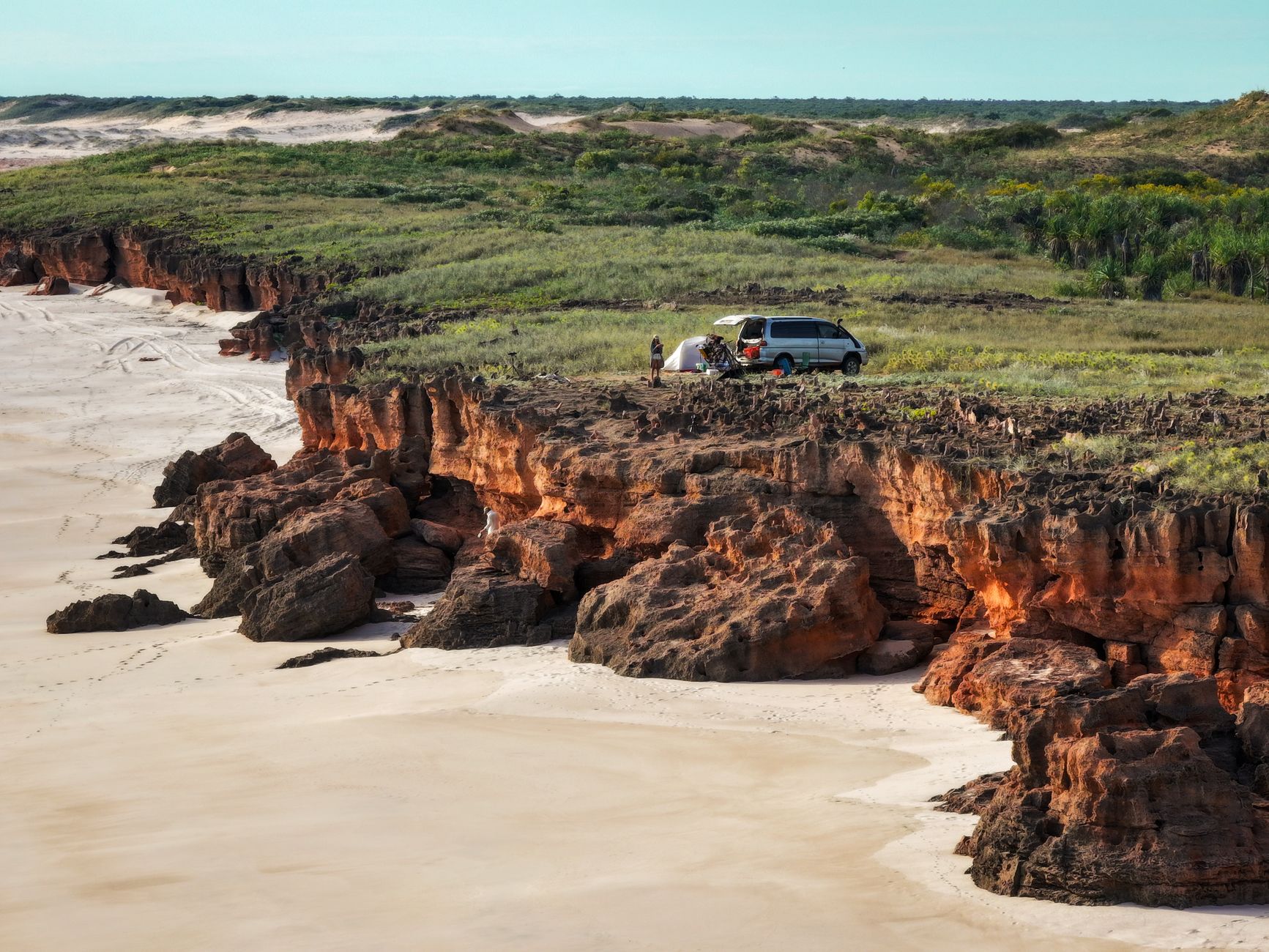
The Bureau of Meteorology says a strengthening El Niño could make spring 2026 hotter and drier across much of Australia. For anyone pencilling in camp weekends or a dry-country 4WD run, that warning lands before the first total fire ban sign goes up. Less rain and more heat leave thinner margins on the shoulder-season trips where plenty of us still rely on a quick weather check, a half-decent fire plan and a bit of luck.
BoM says El Niño often brings drier conditions to central and eastern Australia through winter and spring. A fresh Guardian report on the latest forecast says most capital cities have at least an 80 per cent chance of unusually warm maximum temperatures this spring, with BoM model guidance peaking around a +3.3°C Niño 3.4 anomaly. That does not guarantee every region cops the same hit. It does turn the forecast into a planning problem for campers, 4WDers and anyone eyeing inland parks: access roads dusting out earlier, grassy campgrounds curing faster, local fire restrictions shifting with less notice, and water or shade no longer feeling optional.
“For Australia, the strength is not super correlated to the impacts we feel.”
Dr Kim Reid, speaking to The Guardian
That is the useful caution. A strong El Niño signal does not make every state dry at the same pace, and BoM’s guidance says impacts vary by region and season. Still, the bureau also notes that August to October 2023 was Australia’s driest three-month period on record under the last El Niño. Spring can get away from people quickly when rainfall drops and warm days stack up.
CSIRO frames the bushfire risk the same way. Principal research scientist Dr Andrew Sullivan says fire danger is shaped by the cumulative interaction of climate influences, not one switch being flicked. Campers know the plain version. A bad run builds: dry fuel, warm afternoons, wind, a late pack-up, someone assuming the old rules still apply. If the pattern keeps strengthening, spring trip planning starts to look a lot more like summer planning.
What we’d rethink before a spring trip
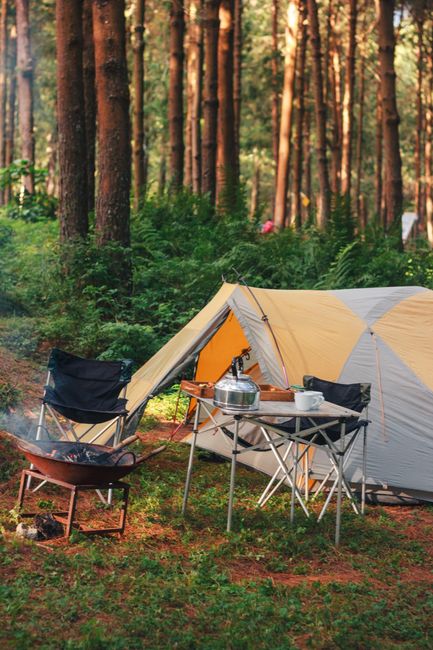
Start with campfires and cooking. September or October often feels like the easy window before full summer restrictions, but a drier season can shut that window early. Check local fire rules before leaving, pack a stove you trust, and have a no-flame backup instead of assuming the usual pit fire will be fine. It is also worth being pickier about lunch stops and overnight pull-ups if the grass is already crisp.
Then look at tracks and camp comfort. Weatherzone’s map-based outlook says El Niño is shaping Australia’s winter-spring weather setup now, not in some distant model run. For 4WD crews that can mean dustier convoy conditions, harder recovery work and more wear on people than the forecast app suggests. For families, it can be simpler and grubbier: hot tents by mid-morning, less shade, extra water use and kids who hit the wall earlier than they would on a mild spring run.
Nobody needs to park the camper and stay home off one forecast. But if the BoM’s El Niño guidance and the latest expert reporting keep pointing the same way, the shoulder season deserves less winging. Pick trips with a plan B, top up water earlier, watch local alerts, and do not assume last year’s gentle spring rules still apply. The weekend can still work. It just comes with less free margin.
Tommo splits his weekends between the high country and the footy. He writes about camping, 4WDing, fishing and the general business of being a husband and dad who still gets a leave pass. Drives a diesel he refuses to shut up about.
The DudeWorld brief
BBQ, tools, camping and footy — the good stuff, weekly in your inbox.
Subscribe