Sunshine Coast dog beach rules leave 50km access gap
Sunshine Coast dog beach rules have left a nearly 50km stretch without a wheelchair-friendly off-leash option, sparking local backlash.
Beach-access rule changes normally sound like council wallpaper until a regular dog run, board carry or after-work roll onto the sand becomes harder than it was last weekend. On the Sunshine Coast, that is where the dog-rule changes that took effect on 3 July have landed. Disability advocates say the new setup leaves a nearly 50-kilometre stretch between Peregian Beach and Golden Beach without a wheelchair-friendly off-leash dog beach, according to ABC News’ reporting on the fallout.
The council says the region still has 16km of off-leash beach. For families who plan around a particular access point, that total does not answer the awkward bit: can you get from the car park to the wet sand without steps, a long haul through soft stuff, or making the whole trip a two-person job?
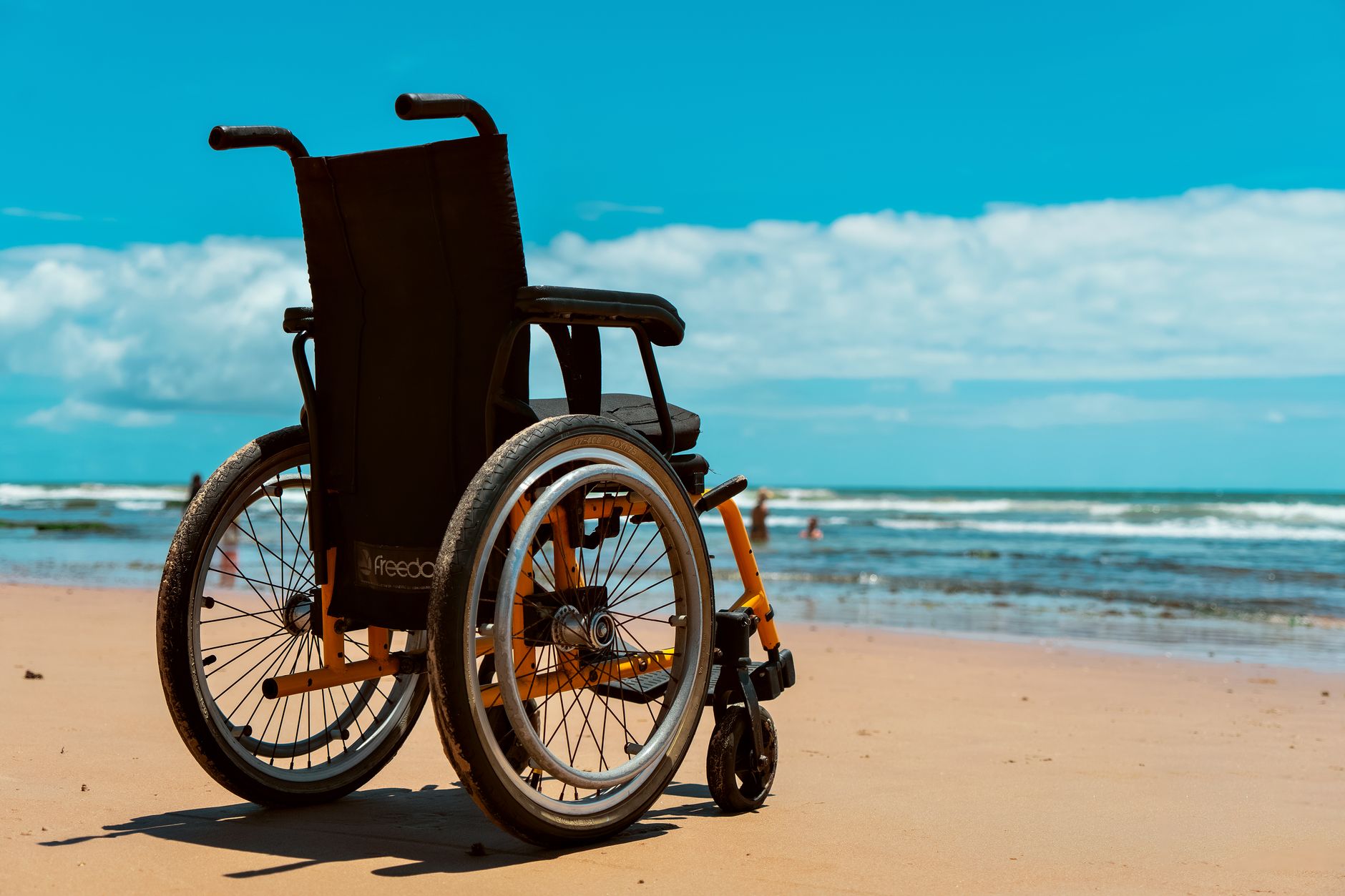
Sunshine Coast parent Elisa Wood has been dealing with that question at Point Cartwright. Wood told the ABC her daughter Sophie can no longer manage the access created by the new layout. A rule can look tidy on a map; the car-park-to-water route is where it earns its keep.
“Getting down the steps or walking across an extended soft sand is just not physically manageable for her or us.”
Elisa Wood, via ABC News
The numbers behind the complaint are not small. The ABC identified four beaches with accessible access in the affected corridor: Mooloolaba, Alexandra Headland, Caloundra and Dicky Beach. Bern Walker from Accessible Beaches Australia said the national baseline is already poor, with less than 2 per cent of Australia’s 12,000 beaches considered accessible for people with disability or mobility limits. When the starting point is that thin, losing one workable off-leash option hurts more than a routine rule tweak.
Queenslanders with Disability Network deputy chief executive Paige Armstrong said the row should not be framed as a choice between looking after the coast and letting people use it. That is probably the plainest reading here. Nobody is asking for beaches to become a free-for-all. The pressure is for habitat protection, dog control and basic access to be designed together before a familiar route disappears.
“Environmental protection and accessibility don’t have to be a trade-off.”
Paige Armstrong, via ABC News
The council’s own dog-rules update says beaches and parks remain central to recreation, connection and wellbeing. It also points to a broader Dog Exercise Area Regional Plan and Network Blueprint behind the July changes. Fair enough as planning language goes. Still, blueprints do not roll a wheelchair over dry sand, and a regional kilometre total does not help much if the usable access point has shifted away from the stretch a family actually uses.
That is why this will make sense to more than disability advocates. Coastal routines are built around repetition: same car park, same lead, same board under the arm, same skinny window before work or after school. When council changes the rules, the practical test is whether the new version still works for the people turning up with kids, dogs, wheels or all three.
What happens next matters more than another tidy statement. If the region can keep its environmental protections while restoring at least one properly accessible off-leash option along that long central stretch, this stays a fixable local planning dispute. If not, it becomes another case where “access preserved” on paper means “access lost” on the sand.
Tommo splits his weekends between the high country and the footy. He writes about camping, 4WDing, fishing and the general business of being a husband and dad who still gets a leave pass. Drives a diesel he refuses to shut up about.
The DudeWorld brief
BBQ, tools, camping and footy — the good stuff, weekly in your inbox.
Subscribe