Virtual fencing Australia: Halter collars hit 230 beef farms
Virtual fencing Australia is moving beyond agtech talk, with Halter saying 230 beef farms have signed up as five states open the door.
Put a GPS collar on a cow and it can sound like agtech theatre. Put that same collar beside a busted fence, a wet paddock and a farmer who is sick of starting the bike before sunrise, and the test gets a lot more useful. The question behind Halter’s latest Australian rollout is whether virtual fencing takes real work out of a cattle operator’s week.
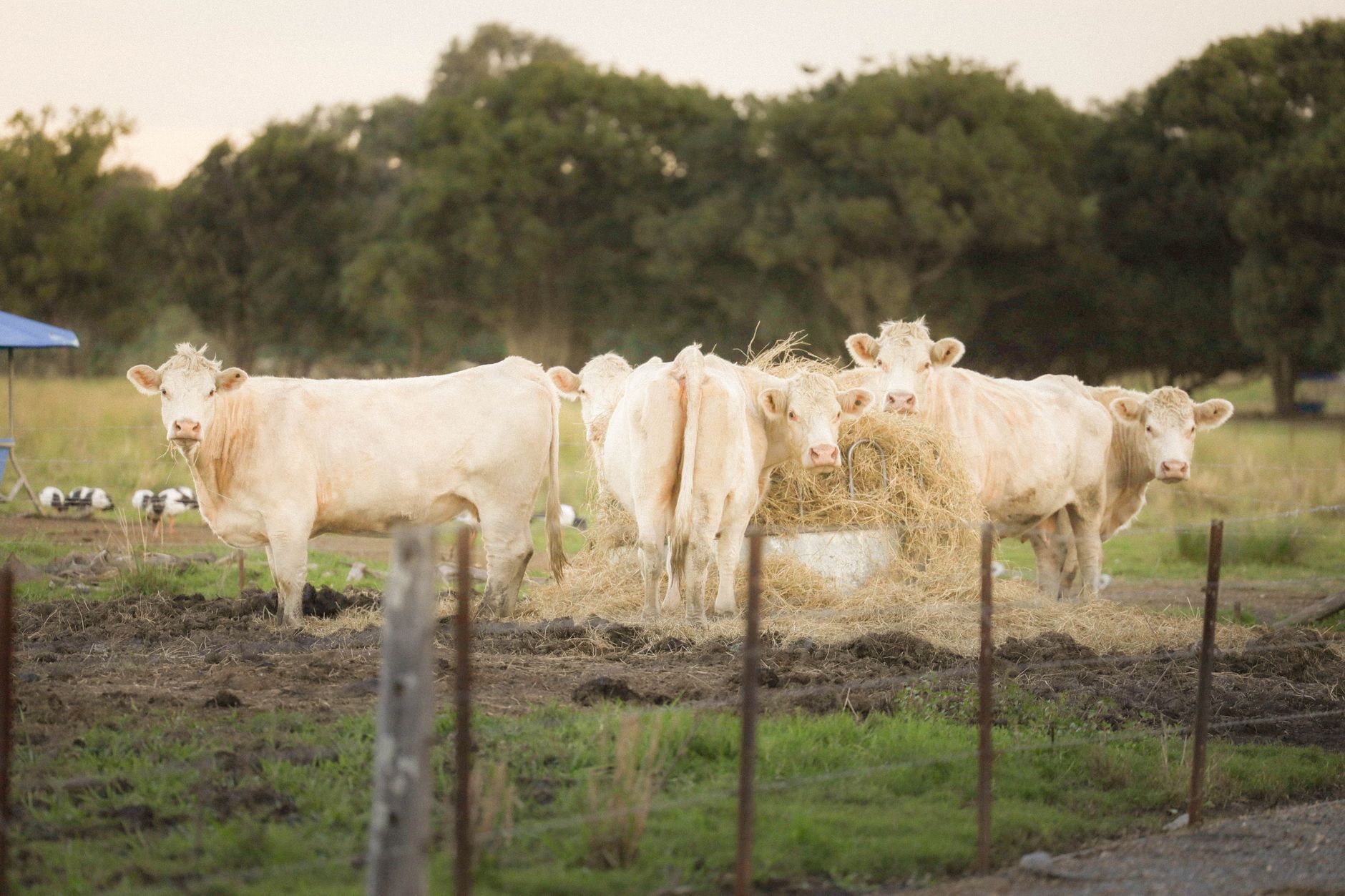
Halter says 230 Australian beef farms have signed up in 2026. The system is now operating across five states as local approvals come through, moving the idea from agtech sales deck to something producers can trial in the paddock.
The pitch is simple enough: fewer repairs, fewer laps across the property and tighter control over where the mob chews through feed. That matters because moving cattle is one of those jobs that looks small on paper and eats the morning anyway. In a SmartCompany interview about the rollout, farmer James Rodgers described setting up a shift before his first coffee was done.
“I set it to roll at 6am … have my coffee at 7 and I can see that they’ve all moved.”
James Rodgers, SmartCompany
That beats a spec sheet. If the system can move a mob at dawn, keep cattle off a fresh strip and save one person another run across the property, it is solving a farm problem rather than adding a shiny dashboard. Halter says it now serves 3,500 farmers and ranchers and has sold 1 million collars, so the platform is well past tiny. Australia will still judge it the usual way: labour saved, cattle handled cleanly, pasture used better.
South Australia turns a concept into a real trial
Regulation is the other half of the story. South Australia’s approval of Halter’s P5 system opened the door for virtual fencing on SA farms, with minimum ages set at eight months for beef cattle and 12 months for dairy cattle. Without that approval, producers are stuck watching the technology rather than putting it to work.
South Australian primary industries minister Clare Scriven framed the upside in paddock terms, saying the collars could cut infrastructure costs and help operators manage feed and sensitive ground more tightly.
“Virtual fencing offers the potential for improved pasture utilisation, reduced infrastructure costs and greater protection of environmentally sensitive areas.”
Clare Scriven, Stock Journal
Nobody should read that as a funeral notice for fencing pliers. The harder question is whether the time saving and grazing control hold up on local beef country, where a tool has to earn its spot and then keep earning it. Halter’s own messaging keeps circling labour, pasture use and less physical infrastructure. That is probably wise. The Australian buyer is not shopping for novelty.
This is why the rollout belongs in the Tools lane, not beside venture-capital backslaps. Plenty of farm gear arrives wrapped in software promises. The kit that lasts usually removes a job you hate doing or stops one from chewing up a weekend. Virtual fencing has a shot because the benefit is concrete: fewer fence repairs, fewer wasted laps, cleaner stock movement when feed has to be managed properly.
For now, Halter has on-farm anecdotes, a bigger Australian footprint and another state willing to let producers use the system. The collars become properly interesting only if cattle operators decide they save enough running about to justify the change. Until then, virtual fencing is not a miracle. It is a labour-saving tool on trial.
Former chippie who did a decade on Sydney building sites before the tool reviews took over. Mick covers power tools, DIY, the shed and everyday-carry gear. If Bunnings sells it, he has an opinion on it.
The DudeWorld brief
BBQ, tools, camping and footy — the good stuff, weekly in your inbox.
Subscribe