What tradies see in the Snowy Hydro safety case
Snowy Hydro safety case puts two alleged site failures under the microscope and shows the warning signs tradies reckon should stop a job cold.
Most blokes who have spent time on a site know the feeling: the job is moving, the gear is rolling, and one bad call can turn into a court brief months later. That is why the Snowy Hydro safety case now facing principal contractor Webuild lands a bit differently from a standard infrastructure yarn. It is not really about courtroom theatre. It is about the sort of small, ugly warning signs tradies tend to spot long before head office starts talking about “lessons learned”.
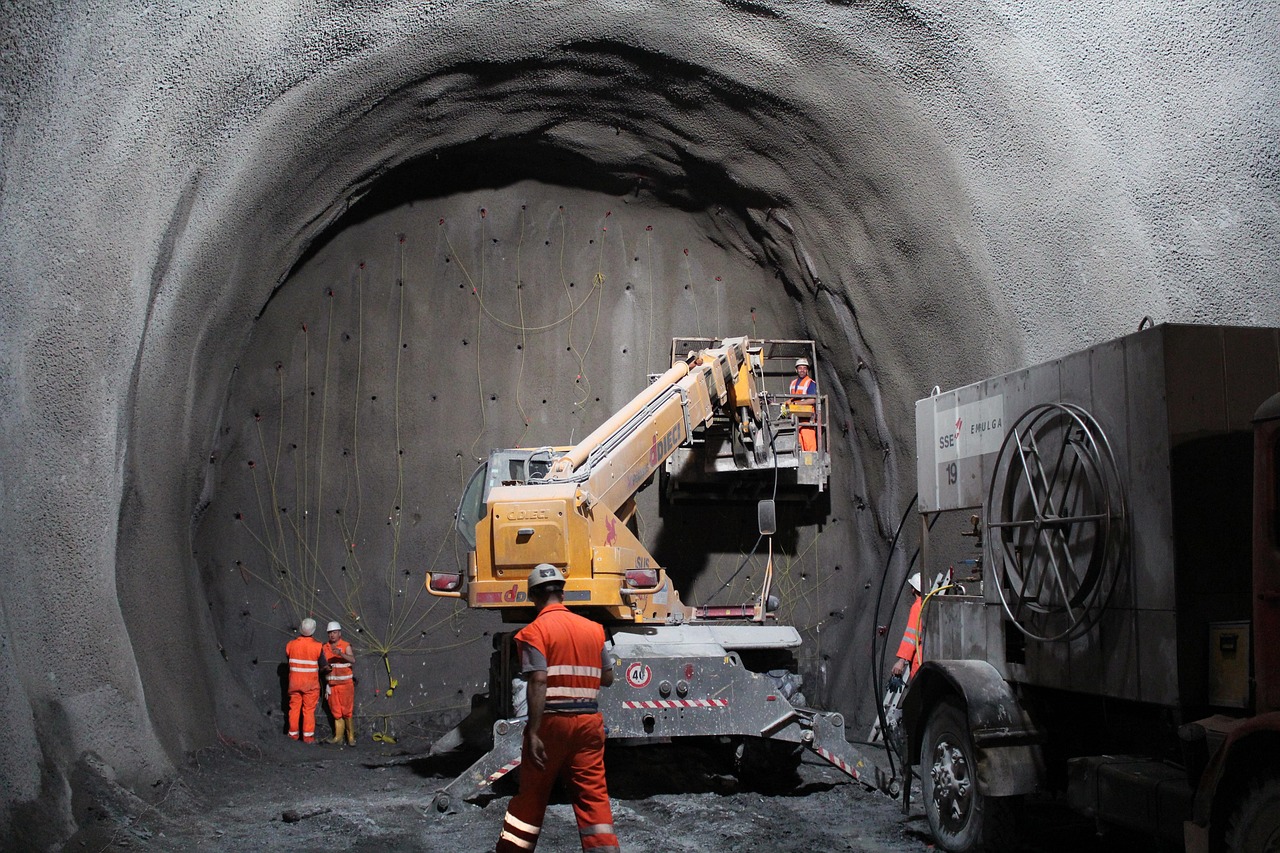
In the latest ABC reporting on the SafeWork NSW proceedings, prosecutors allege two separate incidents on Snowy 2.0 exposed workers to risks of death or serious injury. One involved a truck being worked on while lifted on four mobile column lifts. Another involved a jumbo drill and a raised working platform. Those details matter because they do not sound exotic to anyone who has done time around heavy gear. They sound like the moment where a site either stops, checks and resets, or talks itself into one more hour.
From the regulator’s chair, the read is harder than the usual site grumble. SafeWork NSW is not saying a bloke forgot a checklist. It is alleging the controls around the work were not strong enough in the first place. That is the point where perspective shifts from the insider’s “this feels crook” to the regulator’s “show us the system that allowed it”.
“As a result of the defendant’s failures, workers … were exposed to a risk of death or serious injury.”
Source: SafeWork NSW filings, ABC News
The stuff site hands clock early
Anyone who has worked under a half-decent foreman knows the first red flag is rarely the final incident. It is the chain before it: a bit of gear that should already be tagged out, a lift setup that feels too clever by half, or a job that keeps going after the first fault because the shutdown will annoy somebody up the ladder.

For site hands, that is the angle. The ABC’s original court report describes two incidents, but the same underlying pattern keeps showing through. The allegations are about plant, lifting, platforms, controls and decisions around them. In other words, the stuff that tells you whether a site culture is serious about stop-work authority or just serious about deadlines.
Blokes on site tend to notice this before bosses do for a reason. They are closer to the workaround. They know when “we’ll sort it later” has become normal. They know when a bit of crook gear keeps getting one more run because the replacement is late, the inspection is a nuisance, or the pour, lift or shift window is already tight. None of that proves guilt in this case. It does explain why the allegations ring familiar.
Webuild, for its part, is contesting the case.
“Webuild is defending the allegations — this is a matter for the courts and not for public commentary.”
Source: Webuild spokesperson, ABC News
Fair enough. Court matters belong in court. Even so, tradies do not need a verdict to recognise the anatomy of a near miss. The useful lesson sits earlier than that. If a job only finds out its controls were loose when lawyers arrive, the real failure happened well before the filing cabinet stage.
Where contractor accountability gets blurry
Next comes the oversight lens. A big project can survive hard ground, rotten weather and blown schedules. It struggles when responsibility gets foggy. Snowy 2.0 has already been criticised in earlier reporting on weak contractor accountability, particularly around an incentive framework that was supposed to reward milestones but was not doing much to sharpen performance.

Safety corners rarely get cut in isolation. They usually live inside a broader management story. If the contract rewards speed more clearly than caution, if oversight is more visible in slide decks than on the deck itself, or if every delay is treated like a moral failure, the pressure travels downhill. The analyst view in this story is not complicated. Incentives shape behaviour. If they are muddled, the mess shows up where steel, hydraulics and bodies meet.
We got a clean version of that argument in SBS’s analysis of Snowy 2.0 as a mega-project under strain. The piece is about the wider political fight, but the useful bit for tradies is simpler: giant jobs become dangerous when everybody can point at somebody else. Principal contractor. Subbie. Client. Consultant. Safety team. By the time five people own five bits of the answer, no one is properly owning the ugly decision right in front of them.
Then there is Snowy Hydro’s own response.
“We are committed to continually testing and improving our delivery oversight.”
Source: Snowy Hydro spokesperson, ABC News
On one level, that is standard corporate language. On another, it is the whole case in one sentence. Delivery oversight is exactly the issue. If it is working, busted setups get stopped early, dodgy patterns get documented, and the same sort of allegation does not pop up in different parts of the same job. If it is not working, paperwork becomes archaeology.
Why pressure jobs keep producing ugly surprises
The skeptic’s take is the harsh one. When a project is years late and sitting around a $12 billion budget, with more than $1.2 million in executive bonuses already drawing heat, it gets harder to believe safety issues are isolated blips. Not because every late job is unsafe. Plenty are not. But because big-pressure jobs have a habit of teaching the wrong lesson: keep it moving, smooth the optics, sort the rest later.
Snowy 2.0 is not a little warehouse fit-out. It is a massive build involving 27 kilometres of tunnels under Kosciuszko National Park. Complexity is real. So is the temptation to excuse too much with that same word. “Complex” can explain hard engineering. It cannot be allowed to blur basic site discipline.
Taken together, the four perspectives line up. The insider sees the workaround before the incident. The regulator asks whether the control system was good enough. The analyst asks what the incentives rewarded. The skeptic looks at the blowouts, delays and bonus optics and wonders whether the whole job has been normalising pressure for too long. Different angles, same smell.
For us, that is the main read on the case. It is not that tradies know the court outcome before the judge does. They do not. It is that tradies know a risky job rarely announces itself with one dramatic moment. It announces itself with gear that should have been pulled, questions that get waved through, and a culture where stopping the work feels harder than doing it.
So the lesson stretches beyond Snowy. If Australian mega-projects want to talk seriously about safety, contractor accountability has to mean more than a statement after the fact. It has to mean clear stop-work authority, working incentive structures, fast replacement of suspect plant, and supervisors who would rather cop a schedule spray than watch a bloke get cleaned up.
Short version? Near misses are never just paperwork. By the time a site story becomes a courtroom story, the blokes on the ground have usually been trying to tell you something for a while.
Former chippie who did a decade on Sydney building sites before the tool reviews took over. Mick covers power tools, DIY, the shed and everyday-carry gear. If Bunnings sells it, he has an opinion on it.
The DudeWorld brief
BBQ, tools, camping and footy — the good stuff, weekly in your inbox.
Subscribe