Australian whisky cooper shortage squeezes distillers
Australian whisky cooper shortage leaves distillers relying on about four master coopers, tightening pressure on barrel repairs, flavour work and growth.
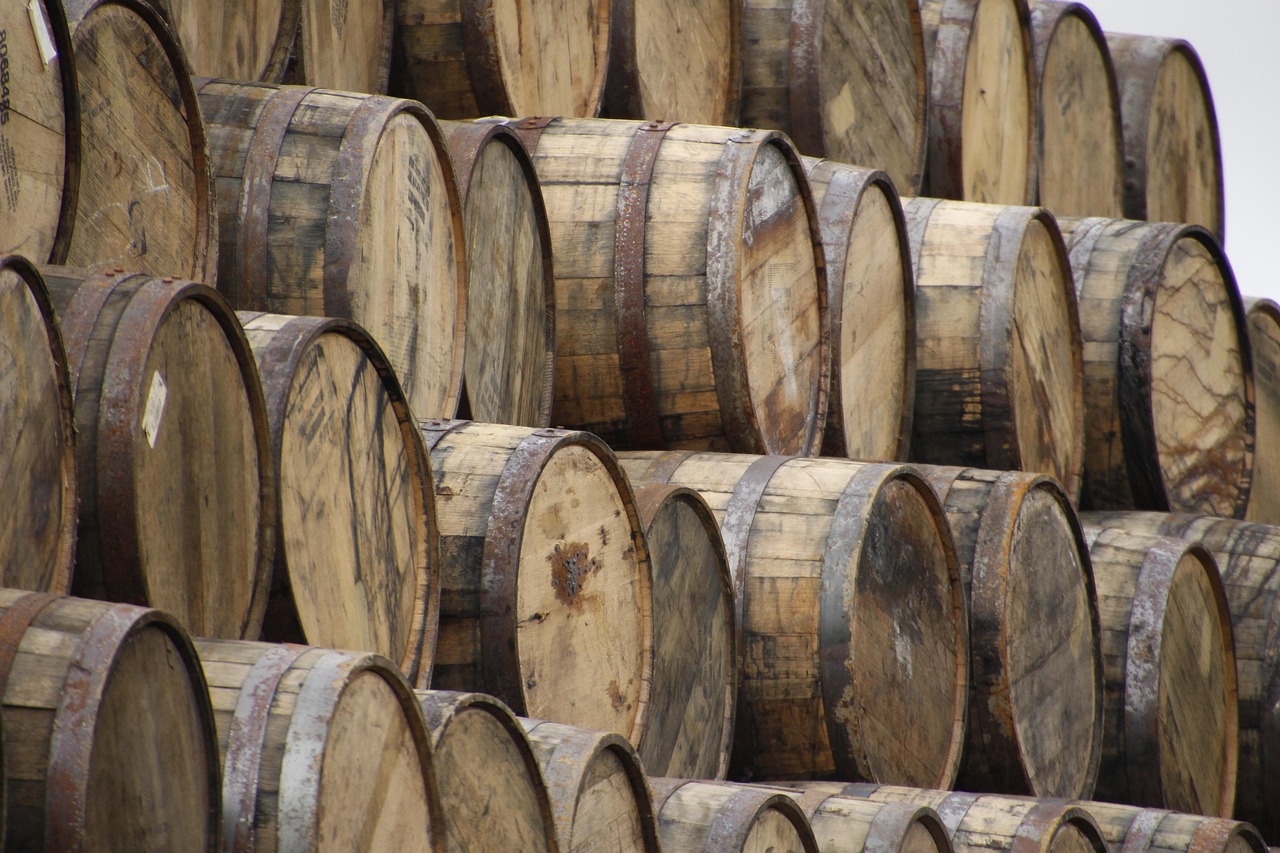
Australian whisky has a barrel problem, and it starts with the people who know how to keep those barrels alive. An ABC report on the shortage says Australia has just four formally accredited master coopers. That is a skinny bench for distillers relying on casks for repairs, re-charring, leak fixes and the flavour work that turns new-make spirit into something worth pouring.
The squeeze reaches past one cooperage. About 150 people sit in the broader occupational category, according to the same report, but distillers want coopering recognised more clearly as its own trade and want fewer hurdles when experienced hands need to come in from overseas. For whisky drinkers, the practical bit is easy to miss: barrels shape maturation, consistency and the final profile in the glass. When the barrel work backs up, the production plan can back up with it.
Master cooper John Carberry put the knowledge-transfer problem plainly in the ABC story:
“I’ve got all this knowledge up here that I need to pass on to the next generation.”
John Carberry, ABC News
A Corowa Free Press profile published earlier this week described Carberry as one of three known genuine master coopers in Australia, while the ABC used the slightly broader figure of four accredited master coopers nationally. The definitions are doing a bit of work there. Either way, the local talent pool is thin enough that one retirement, one visa snag or one missed apprenticeship intake can be felt.
At the distillery end, this is already being treated as a growth problem rather than a cute heritage yarn. Dean Druce, managing director of Corowa Distilling Co, told the ABC that getting skilled people into the country remains part of the logjam.
“We need coopers and we need to get them in from overseas, but yet [the government] makes it so hard to get them in from overseas.”
Dean Druce, ABC News
A tiny trade carrying a bigger drinks industry
The pressure lands in a sector bigger than most punters would guess. The Australian Distillers Association says the national spirits industry had about 700 manufacturers in 2024 and generated $15.5 billion in economic activity in 2022-23. If the barrel side stays this thin, distillers are left chasing the same scarce skills to maintain casks, manage warehouse stock and keep flavour programs steady as they scale.
The know-how is already concentrated. In June, ABC’s look at Tasmania’s Transwood Cooperage showed how much local whisky still depends on small specialist operators who can build, rebuild and tune barrels for distillers. Buying casks is only the first job. Keeping them serviceable, safe and flavour-ready over years is where a shortage of experienced coopers can bite hardest.
The pipeline behind the trade looks thin as well. Apprentice cooper Ciaran Quinn told the ABC report that most people barely know the job exists, which helps explain why distillers now want formal recognition and a clearer path into the craft.
“Most people don’t know what [coopering] is; very rarely, you speak to someone who knows what it is.”
Ciaran Quinn, ABC News
So this is a pressure story, not a panic story. Your next bottle of Australian single malt should still reach the shelf. For smaller makers, though, delays on repairs or re-coopering can knock barrel programs and release schedules out of shape before the bottle gets anywhere near Dan Murphy’s.
Baz spent fifteen years in commercial kitchens before trading the pass for a backyard full of barbecues. He covers low-and-slow cooking, grilling gear and what to drink with it. Owns four barbecues and insists every one of them earns its spot.
The DudeWorld brief
BBQ, tools, camping and footy — the good stuff, weekly in your inbox.
Subscribe