Winter Swell Outlook: Why the South Has the Edge This Winter
Winter swell outlook 2026 points south: stronger Southern Ocean pulses should favour Vic, SA and Tassie while the east coast waits on cleaner windows.
Southern-half surfers, this winter looks like the sort of season that keeps the step-up in the ute and the group chat a bit busier. Surfline’s winter outlook reads like a split decision: more dependable Southern Ocean energy for southern coasts, and a patchier, quieter run for the east coast as El Nino settles in.
Plenty of winter surf chat gets flattened into one big national forecast, and Australia just does not work like that. A good July for Victoria and South Australia can line up with a frustrating few weeks for Queensland and northern New South Wales. Our read is that this winter should reward surfers who live under the Southern Ocean conveyor belt, while east coasters will need to play the smaller windows, watch the tide harder and stop pretending every bump on the charts is the start of a classic run.
Surfline’s Australia and New Zealand winter outlook puts the broad setup neatly:
“Winter is a season of contrasts across Australia’s southern and eastern states and New Zealand.”
Hugh McDowell, Surfline
That line works because it is not just forecast poetry. It matches what the Bureau of Meteorology’s Southern Hemisphere monitoring is showing and what local reporting has been picking up for weeks: southern systems still have plenty of grunt, while the east is dealing with a warmer, drier and less straightforward winter pattern.
The Southern Ocean looks like the engine room
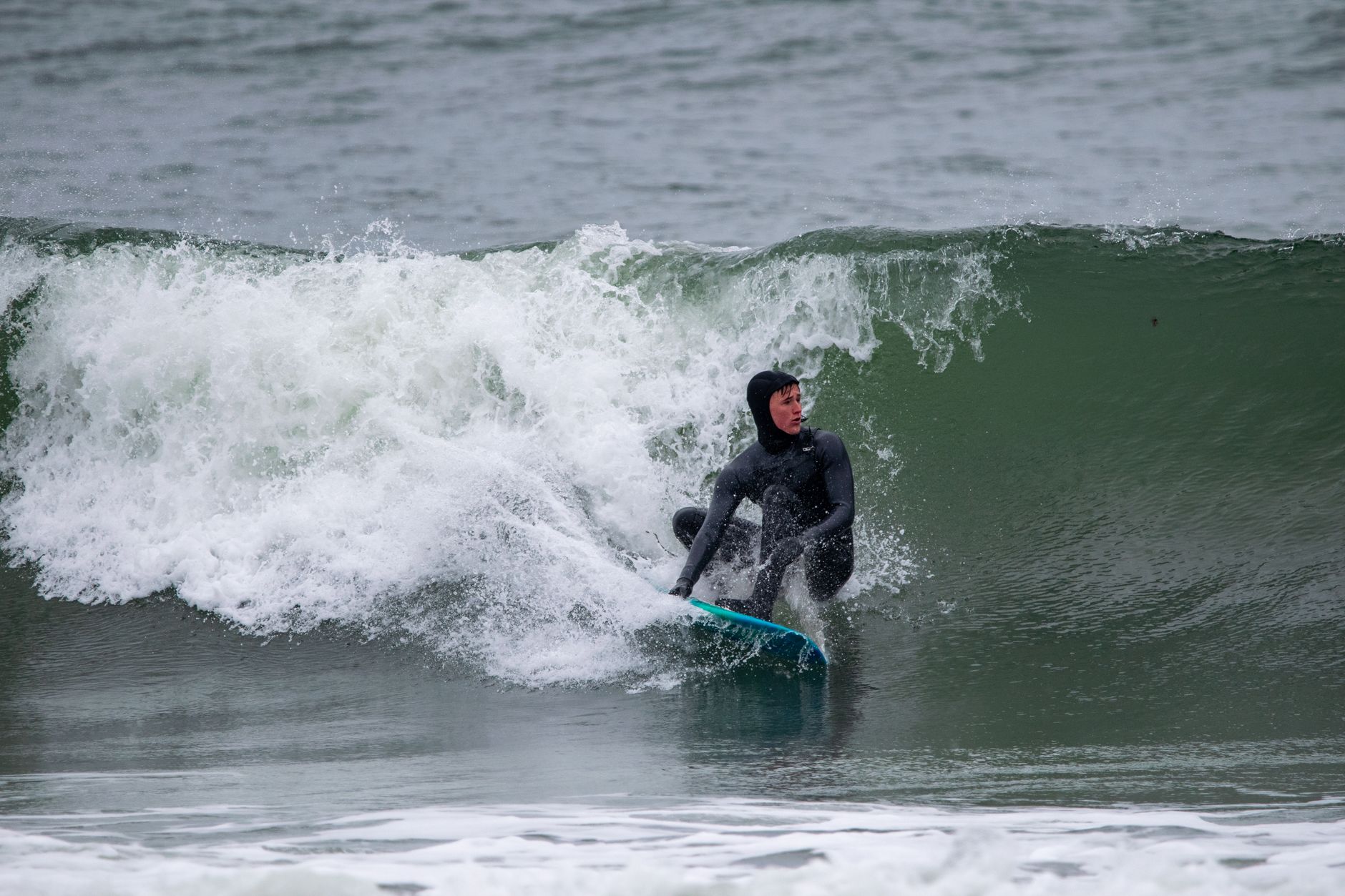
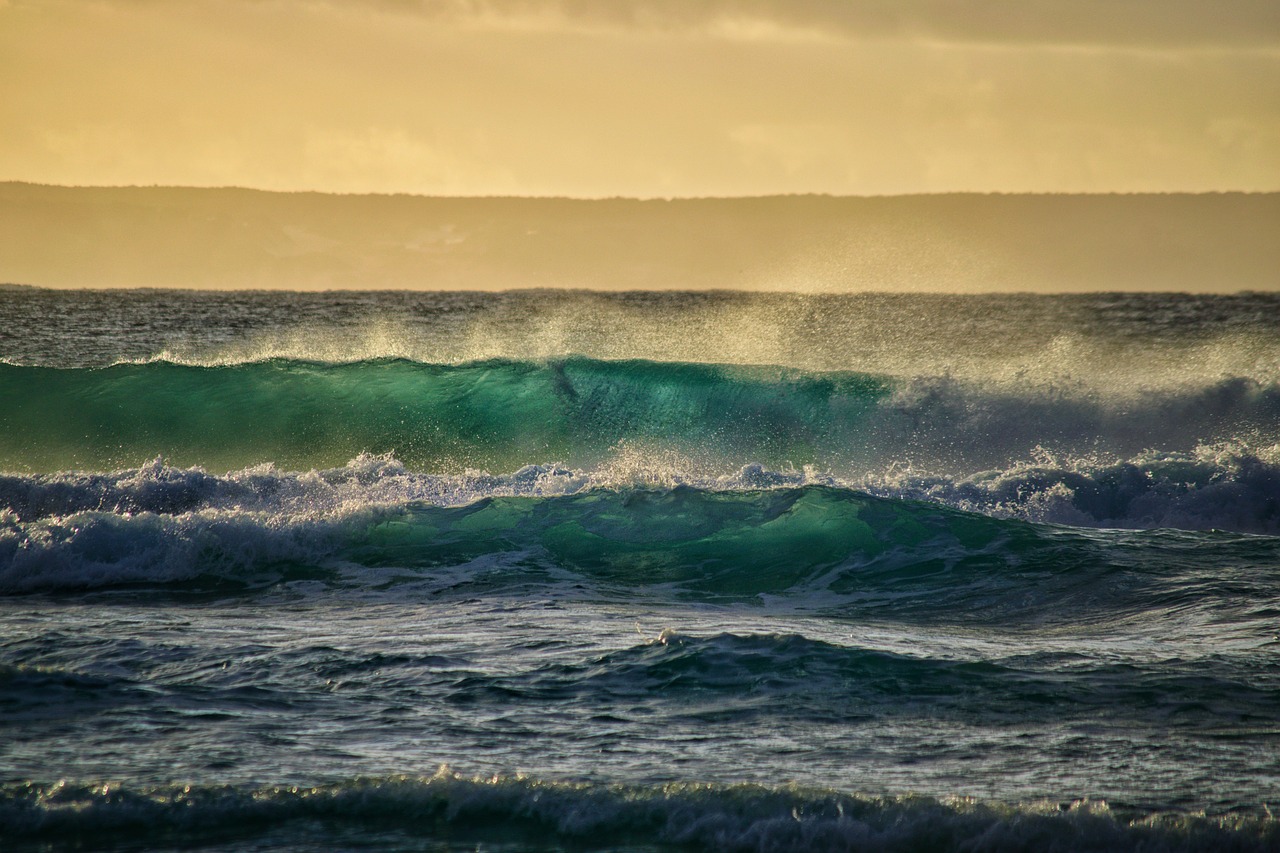
Most of the upside sits to the south. Surfline’s call is for a stronger Southern Ocean influence through winter, which usually means the southern states get more regular chances from front-driven south swell. That does not guarantee ruler-edged pointbreaks every weekend, but it does tilt the odds toward more consistent energy for coasts that like long-period lines from below the continent. The ABC’s report on the late snow turnaround in south-eastern Australia points to the same pattern change: colder fronts finally arriving with a more durable southern-state reset.

Another reason the southern call feels more solid than wishful: in The Conversation’s analysis of southern Australia’s offshore winds, researchers argue the broader wind resource stays strong and reliable even as the climate shifts, with average weakening across offshore wind zones projected at just 0.1% to 2.6% over 30 to 50 years. Western Australian zones near Bunbury were the ugly exception, with potential winter drops of about 20% under a high-emissions scenario. For surfers, the bigger point is simpler: the Southern Ocean is not suddenly running out of weather.
Careful, though. Stronger Southern Ocean influence is not the same thing as gentle surf. The late-May storm that ripped through Western Australia came with damaging gusts up to 125 km/h and hazardous surf warnings, a useful reminder that some of the same systems feeding winter swell also make the lineup a write-off. Southern surfers may well get more opportunities this season, but a fair few of them will still involve checking if the wind has backed off, if your local can hold it, and if today is a proper surf or just weather with aspirations.
The east coast might still score, just not on autopilot
Queensland and northern New South Wales do not look flat forever. The problem is that the easy, coast-wide rhythm looks weaker. The BoM’s ENSO update says El Nino has taken hold in the tropical Pacific, a setup that usually leans hotter and drier across the eastern half of the country. Surfline folds that into a quieter east-coast outlook, with less help from the tropical side and fewer obvious run-after-run scenarios.
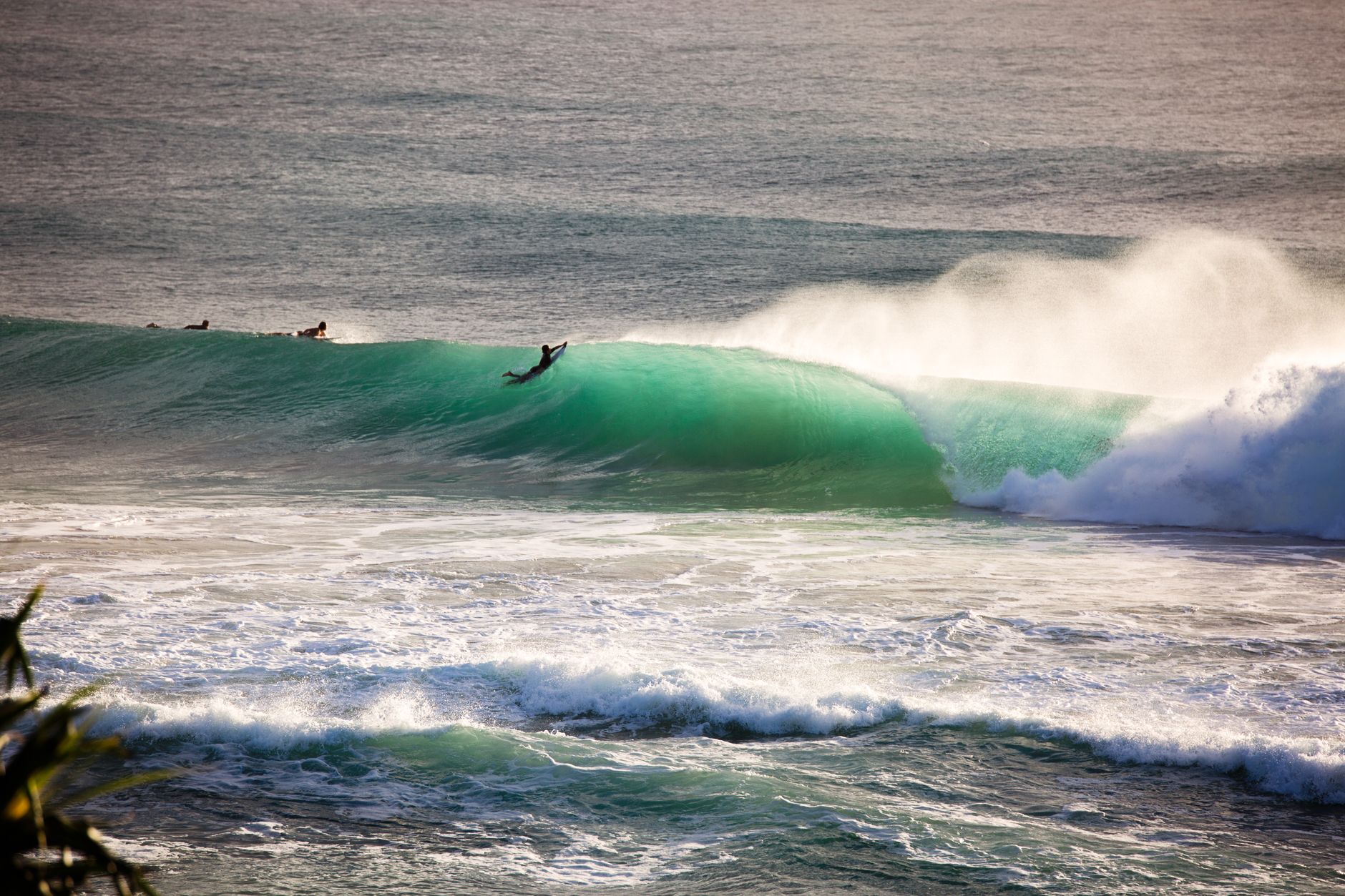
Some odd signals are riding into winter as well. The BoM notes sea-surface temperatures around New South Wales and eastern Tasmania have been running about 2 to 3C above average. Warmer water does not magically build swell, but it can make the season feel less settled than the old postcard version of winter. Add in the ABC’s Queensland forecast warning that higher tides and incoming swell can lift rip risk even on a modest pulse, and the lesson is fairly practical: east coast surfers should be watching timing, banks and local wind much more closely than raw size.
Plenty of winter forecasts get misread here. A smaller chart does not always mean a wasted weekend, and a small uptick with big tide can still turn a beach into a messy sweep-fest. On the Gold Coast, around Ballina or further north, the winter play may be less about waiting for one huge run and more about being ready to jump on the cleaner, shorter-lived windows when they turn up.
El Nino matters, but it does not get the last word
Blaming, or crediting, the whole season to El Nino is too tidy. The BoM’s seasonal monitoring page makes clear that El Nino is only one climate driver in play, and the current Indian Ocean Dipole reading of -0.06C is still neutral. Local lows, frontal timing, the Southern Annular Mode and plain old day-to-day wind still decide whether a promising map turns into a decent surf or an excuse to clean the garage instead.
The old labels are also getting less clean. In the ABC’s reporting on the collision between climate change and El Nino, Monash climate scientist Andrew Watkins warned that hotter background conditions can sharpen the impact.
“It’s a dangerous double act when they come together.”
Andrew Watkins, ABC News
That squares with The Conversation’s look at Australia’s rough snow season, which argues that El Nino years still trend warmer and drier in the east, but the lived effect is becoming less neat and more variable. For surfers, the label on the season is useful, but only up to a point. It can tell us where the odds lean. It cannot tell us if next Thursday’s front will arrive six hours earlier, if last week’s tide left the bank alone, or if your local point will be clean instead of side-on and miserable.
Our winter verdict
For our money, we would lean south this winter. If you live in Victoria, South Australia, Tasmania or on the parts of WA that thrive on proper Southern Ocean energy, the background setup looks more generous and more repeatable. Not perfect, not endless, and not always surfable, but generous enough that the season should feel alive.
East coasters should not bin winter altogether. Lower the drama and raise the discipline instead. The better sessions may come from being early on the tide, choosy about wind, realistic about banks and quick to move when a short window opens. There will still be days worth driving for. There may just be fewer of the easy, coast-wide runups that make everyone think they are a forecasting genius.
That is the takeaway from this winter swell outlook. The Southern Ocean looks set to do the heavy lifting. The east coast may still score, but it will probably have to work harder for its fun. Which is still better than spending Saturday at Bunnings pretending you only went in for one thing.
Tommo splits his weekends between the high country and the footy. He writes about camping, 4WDing, fishing and the general business of being a husband and dad who still gets a leave pass. Drives a diesel he refuses to shut up about.
The DudeWorld brief
BBQ, tools, camping and footy — the good stuff, weekly in your inbox.
Subscribe