Best camp shower in Australia: what actually works
Best camp shower in Australia depends on how you camp. We compare rinse bags, 12V pumps and hot-water rigs by price, bulk and setup pain.
Day three is when camp-shower theory meets the armpit test. The towels are damp, the kids have sunscreen dust stuck to their legs, and the ute smells faintly like wet dog even if nobody packed the dog. Luxury gear suddenly feels less silly when the alternative is a feral drive home.
Most of us are not packing for a six-week crossing. More likely it is a beach weekend, a river site with the family, a surf check that turned into a sleepover, or a few dusty nights in the high country. Clever gear loses fast if it stays buried in the boot. Small, cheap and low-fuss usually wins.
Longer touring changes the sums. Cart kids for a week, camp in July, or live out of the 4WD long enough and cold rinse-offs stop feeling character-building. Hot water, pressure and a proper tent can be the difference between a clean camp routine and another 7pm blue.
TL;DR
- For most weekend campers, start with a manual or basic rechargeable shower: the Beach Soul Portable Shower Jamigam 5L if you want power-free simplicity, or the Companion Rechargeable Portable Outdoor Camp Shower if a steadier spray matters.
- If we camp often, travel with the family or properly hate cold water, the Joolca HOTTAP Go can earn its space. Just be honest about the extra gear and setup time.
- Do not ignore the tent. The Joolca ENSUITE Double and the broader Anaconda camping shower and accessory range fix the privacy and dry-change problem, which is usually what makes a shower annoying.
- Our verdict: buy the simplest shower that suits the trip you do most, not the fanciest one you can talk yourself into after a long week.
Start with the job, not the brochure
“Camp shower” covers a few different jobs. Sometimes we just need salt, mud or smoke off before the drive home. Sometimes it is a family campsite wash, with kids, dishes and bedtime all happening at once. On bigger trips, the shower becomes part of the touring setup: hot water, privacy, a dry change space, the lot.

A surfer or swag camper does not need the same kit as a family towing a camper trailer. Field Mag’s 2026 roundup keeps coming back to fill, carry and spray: if the unit is easy to load and use, it gets used more. Camping Australia’s guide makes a similar point once privacy, drainage and warm water enter the picture.
“The pragmatic Aussie approach: boil 1L on the stove + mix with 4L cold from a jerry can.”
Camping Australia, Tent Showers + Ensuites
Not glamorous. Useful, though. We do not need a gas-fed hot-water rig just because one exists. Sometimes a kettle, a jerry can and a compact shower head are enough. Sometimes they are not. Be honest about the trips you actually take.
Manual, rechargeable or hot water?
No format wins every campsite. Manual showers are simple and limited. Rechargeable pumps are flexible but still depend on whatever water we give them. Hot-water systems are brilliant when justified and ridiculous when they are not. Pick the weakness you can live with.
Manual and pressurised setups suit short trips where the job is rinse-off, not spa day. They are hard to stuff up, easy to pack, and kind to anyone who only camps a few times a year. No learning curve. No missing regulator. No mystery hose in the bottom of a crate.
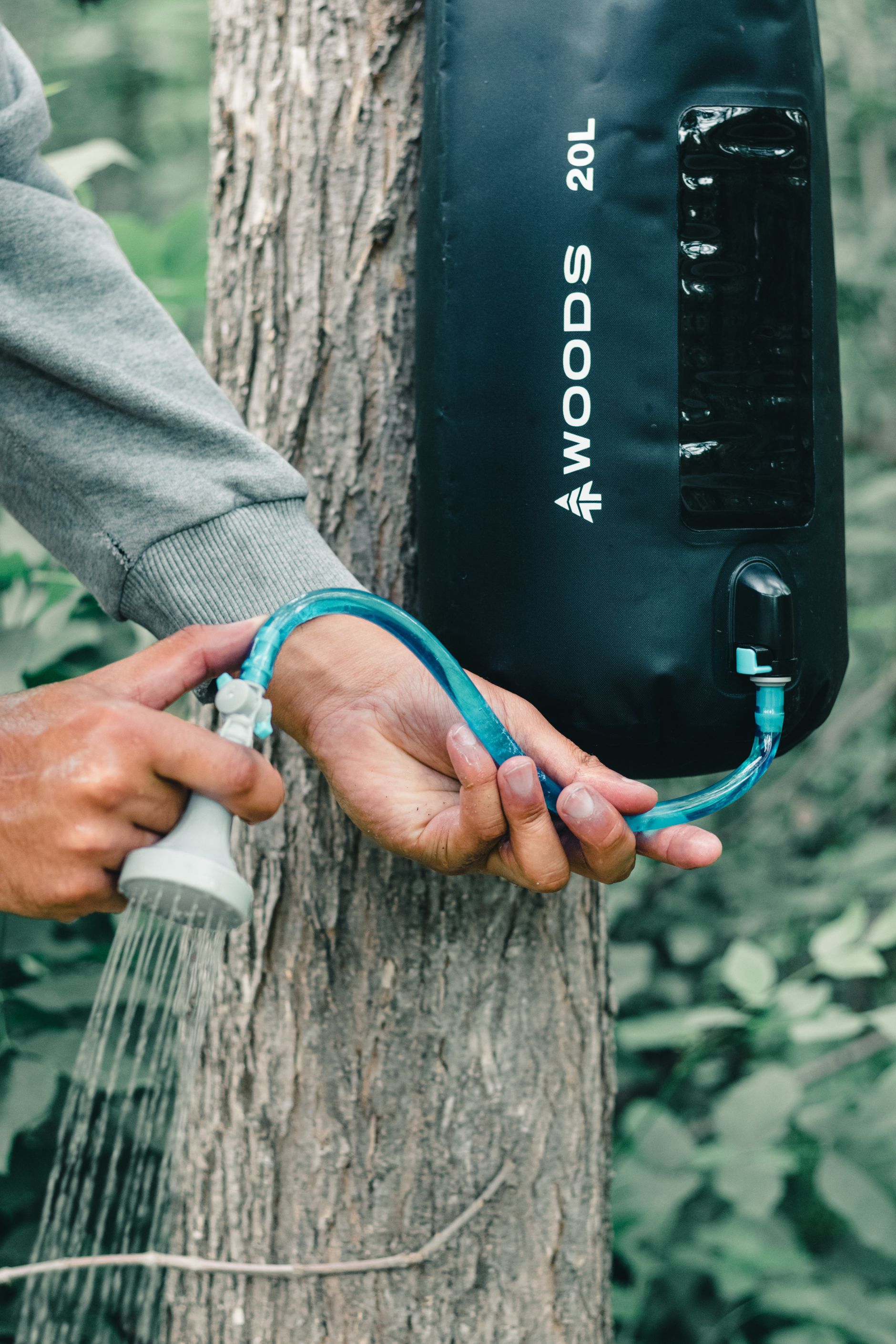
Rechargeable showers sit in the useful middle. They need a bucket, tub or jerry can, but the flow is usually steadier than cheap hanging-bag gear. For a lot of Australian campers, that is enough of an upgrade: less trickle, less faff, still no hot-water box.
Hot-water systems sit at the expensive end for a reason. Joolca’s portable-shower buyer guide sells the comfort and consistency angle. The Verge’s HOTTAP Go review is more useful on the catch: once gas, charge, hoses and pack volume are involved, the shower becomes part of your camping system, not just a rinse tool.
For most campers, simple wins
If the usual trip is one to three nights and the goal is to avoid smelling like bait, smoke or wet dog on the way home, we would keep it simple. Manual pressurised showers and basic rechargeable pumps beat a plumbing project.

The Beach Soul Portable Shower Jamigam 5L shows why. At $150 through Bunnings, it is not bargain-bin money for a small water tank and nozzle, but it is compact, power-free and obvious to use. Fill it. Pressurise it. Rinse. No battery, no gas bottle, no pump sulking under half a kilo of red dust.
The Companion Rechargeable Portable Outdoor Camp Shower is the cheap electric step-up. Davo’s Tackle had it listed at $58.99, which puts it in the “worth a punt” zone if you want steadier flow without paying for heat. Drop the pump into a bucket or jerry can, hang the head, get clean enough to share the car.
Neither setup heats water by itself. In July, or after a filthy footy weekend with kids, cold water gets old fast. Still, simple rigs keep showing up because people actually use them. They do not sit in the shed waiting for the mythical big trip.
Camp a handful of times a year? Start here. Spend the saved cash on a better mattress, a decent esky or the fuel to get somewhere worth being dirty in the first place.
When hot water earns the space
Regular camping changes the maths. Take a partner or kids, stay out for a week, or camp through cold shoulder-season weather and a proper hot-water setup stops looking indulgent.

The Joolca HOTTAP Go is the clean example. It is built for people who want an actual shower, not a bush workaround. In Joolca’s own buyer guide, the pitch is simple: weather should not decide whether we wash.
“You don’t want the weather to decide when you can enjoy a shower when camping.”
Joolca, An Essential Buyer’s Guide for Portable Showers
Sales copy, sure. Also true when the southerly comes through and everyone smells like campfire. The Verge’s review of the HOTTAP Go is handy because it treats the unit as a luxury that has to earn its room. Hot water is only the obvious benefit. Frequency is the real test.
“That’s a different dependency, not necessarily a lighter one.”
The Verge, Are you filthy enough for a $700 portable shower?
That line gets the trade-off right. A hot-water system swaps cold discomfort for bulk, hoses, gas, charging and another pack-up job. One night by the coast? Overkill. A week touring, kids needing a wash every evening, shoulder-season camps where cold water feels like punishment? Different story.
We would not call a Joolca-style rig poor value. It is conditional value. Use it often and it is the kit that keeps everyone civil. Use it twice a year and it becomes an expensive box you move around the garage.
Privacy beats pressure more often than people admit
Camp-shower buyers love litres, pumps and burners. Fair enough. The dull questions save more money: where are we standing, where does the water go, and where do we put clean clothes without dropping them in mud?
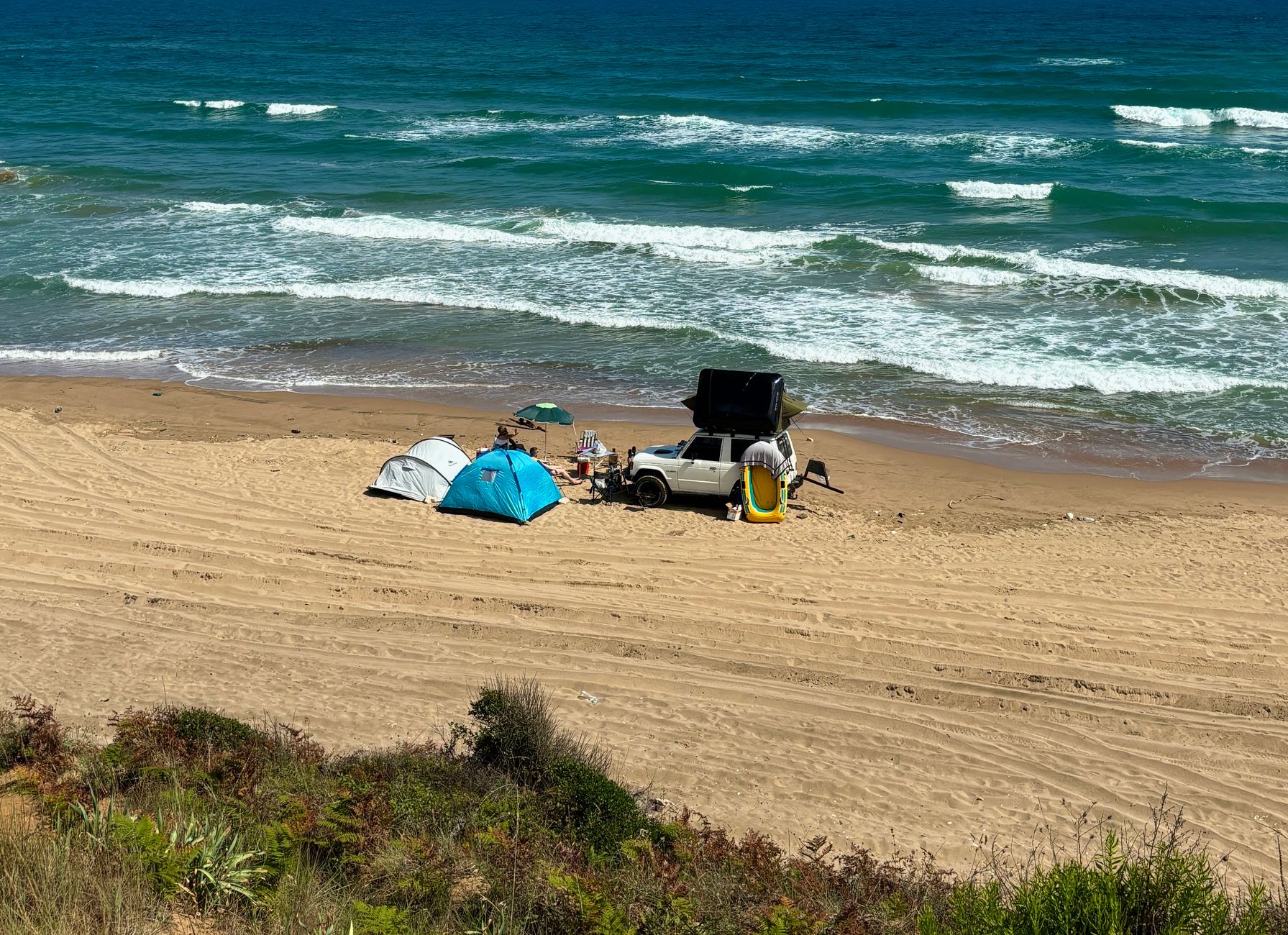
Without privacy, ventilation and a dry change spot, even a good shower turns into a half-solved problem. That is why Camping Australia’s shower-tent guidance is worth reading, and why gear like the Joolca ENSUITE Double or the KickAss Shower Awning + 12V Camping Shower Bundle Black & Orange appeals to people who are done holding a towel in their teeth behind a half-open car door.
A decent tent gives us a proper place to change and keeps water from spreading through camp. It also makes the whole routine quicker, because we are not inventing privacy every time someone wants a wash. Unromantic gear. Very useful.
Local retailers show the same split. Anaconda’s camping shower and accessory range separates shower hardware from privacy and camp-comfort gear because both halves matter. A shower with nowhere sensible to use it is still half useless.
Our blunt take: if you already own a basic shower and hate using it, buy privacy before chasing more pressure.
What we’d buy for common Aussie setups
Picture the trip before the catalogue page. The right answer usually falls out pretty quickly.
Hatch, wagon or surf car
Go simple. A manual pressurised unit or cheap rechargeable pump makes sense. The Beach Soul Portable Shower Jamigam 5L is tidy for beach rinse-offs and muddy feet. The Companion Rechargeable Portable Outdoor Camp Shower suits anyone who wants more flow from a bucket or jerry can. We would not burn boot space on gas gear here.
Family campground weekender
This is the crossover zone. Kids, bedtime and dishes make cold rinse-offs wear thin. A rechargeable shower plus a privacy tent can be enough, especially with the kettle-and-jerry-can trick. If we are away often, the Joolca HOTTAP Go starts earning its keep. The difference is fewer 7pm arguments, not luxury.
4WD touring rig
Bulk is less scary when the rig is built around staying out longer. A hot-water system makes sense here, as does a dedicated tent or awning. We would rather carry kit that gets used every second day than save space and stay grubby for a week.
Beach, boat ramp or muddy dog wash
Keep it dead simple. A manual or rechargeable shower wins because it is fast, cheap and easy to hose off before the drive home. Hot water is nice. The job is rinse, not romance.
Once setup time, storage bulk and frequency are in the equation, the fanciest shower rarely wins by default. The smallest setup that does not annoy us is usually the better buy.
How we judge a camp shower before handing over cash
We would run six quick checks before buying.
Start with heat. No heat is fine if we know that going in. Surprise cold water is what causes buyer’s remorse.
Water supply comes next. Bucket, built-in tank, creek-side pump, jerry can: each one changes setup time and how much water we burn through.
Do a parts check too. Batteries, gas bottles, hoses, regulators and hanging points are all manageable until one gets left at home.
Pack size is the quiet killer. A shower can be excellent and still not deserve permanent space in the ute.
Privacy and drainage matter before the first wash. If the shower needs a tent, awning or mat to be useful, price that in now.
Finally, look for local parts and support. Joolca scores well because it is built for this market. Generic bargain units can be fine too, provided we accept they may be throwaway gear.
Run those checks honestly and most decisions get simpler fast.
FAQ
What is the best camp shower in Australia for most people?
For most people, it is a simple manual or rechargeable unit, not a gas hot-water system. The best pick is the one we will pack for ordinary trips, which usually means compact and low-fuss.
Are portable hot-water camp showers worth it?
Yes, for regular campers, families and touring setups where warm water changes the trip. If we camp a few times a year, the extra bulk, gas and setup often outweigh the comfort.
Do we really need a shower tent?
Not always, but it is often the smarter upgrade. Privacy, a dry place to change and better water containment make basic showers much easier to live with.
Can we use a camp shower at the beach or in national parks?
Usually, but use your head. Keep soap out of waterways, manage runoff, and do not turn the campsite into a bog. Simple, contained setups help.
The bottom line
The best camp shower in Australia is the one that matches how we actually camp. For quick rinse-offs, buy simple and save space. For families and frequent campers, step up when hot water will genuinely get used. If the routine still feels awkward, fix privacy and setup flow before chasing more litres or more tech.
If we were buying with our own cash, we would start with a basic shower for weekend duties, add a proper tent when the sore point becomes privacy, and move to a hot-water rig only once camping volume justifies the bulk. Not glamorous. Useful though.
The DudeWorld brief
BBQ, tools, camping and footy — the good stuff, weekly in your inbox.
Subscribe