Swag vs Rooftop Tent: Which Camp Setup Suits You?
Swag vs rooftop tent comes down to weight, budget and trip style. We break down comfort, setup speed, roof load and the gear worth buying.
If the roof cannot legally carry the tent, rack and camping clutter, the debate is over before anyone gets excited. Buy a swag.
Boring? Yep. Correct? Also yep. Snowys’ rooftop tent guide starts with vehicle fit and roof load because those numbers do not care how good the campsite photo looks. Metal first, romance later.
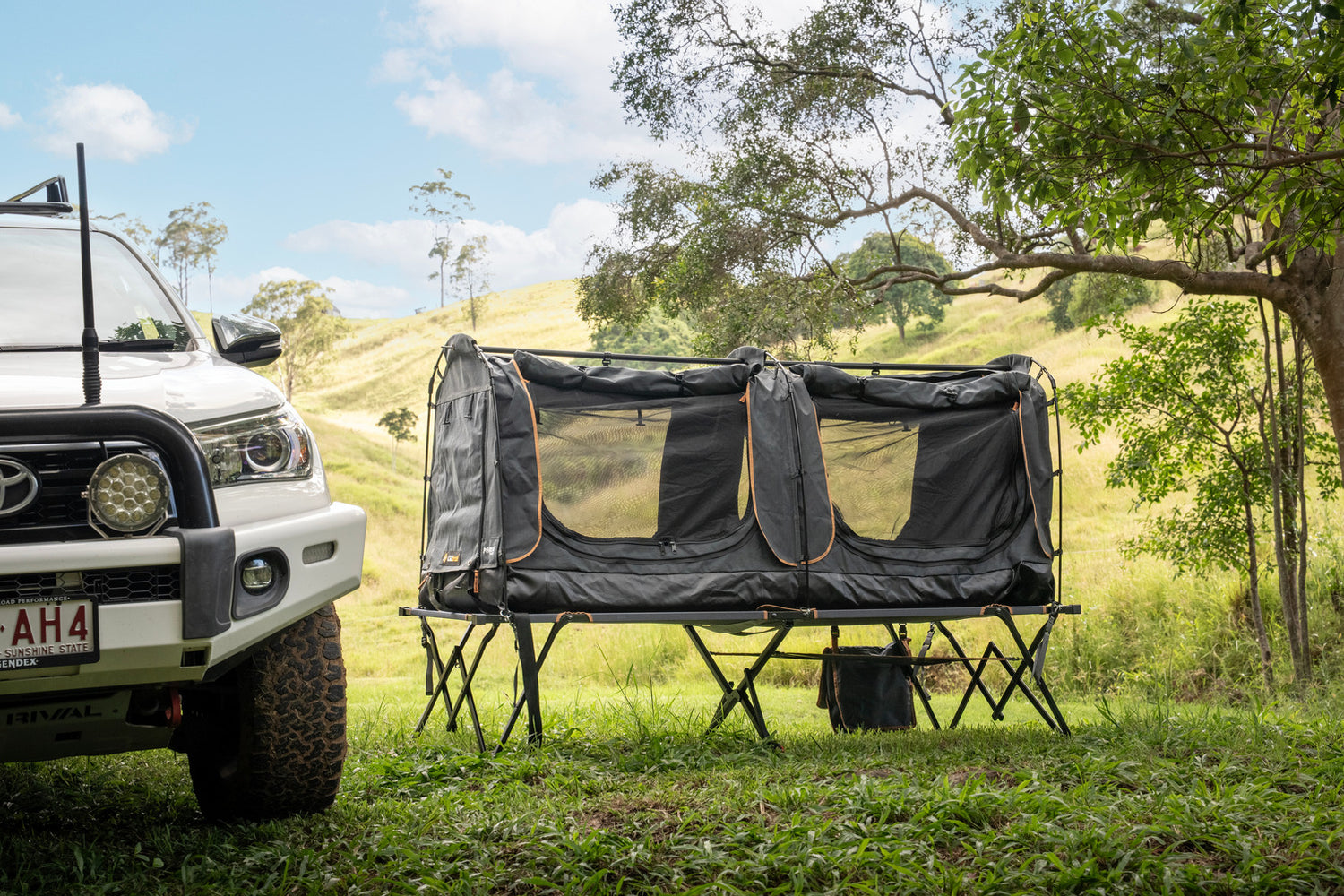
Past that test, the choice gets more personal. A decent hard-shell rooftop tent starts at about $3,500, and plenty of them weigh 60kg to 100kg before the rack, bedding and our own ordinary packing habits join the party. Meanwhile, a swag stays bluntly simple: chuck it in the tray, roll it out, sleep.
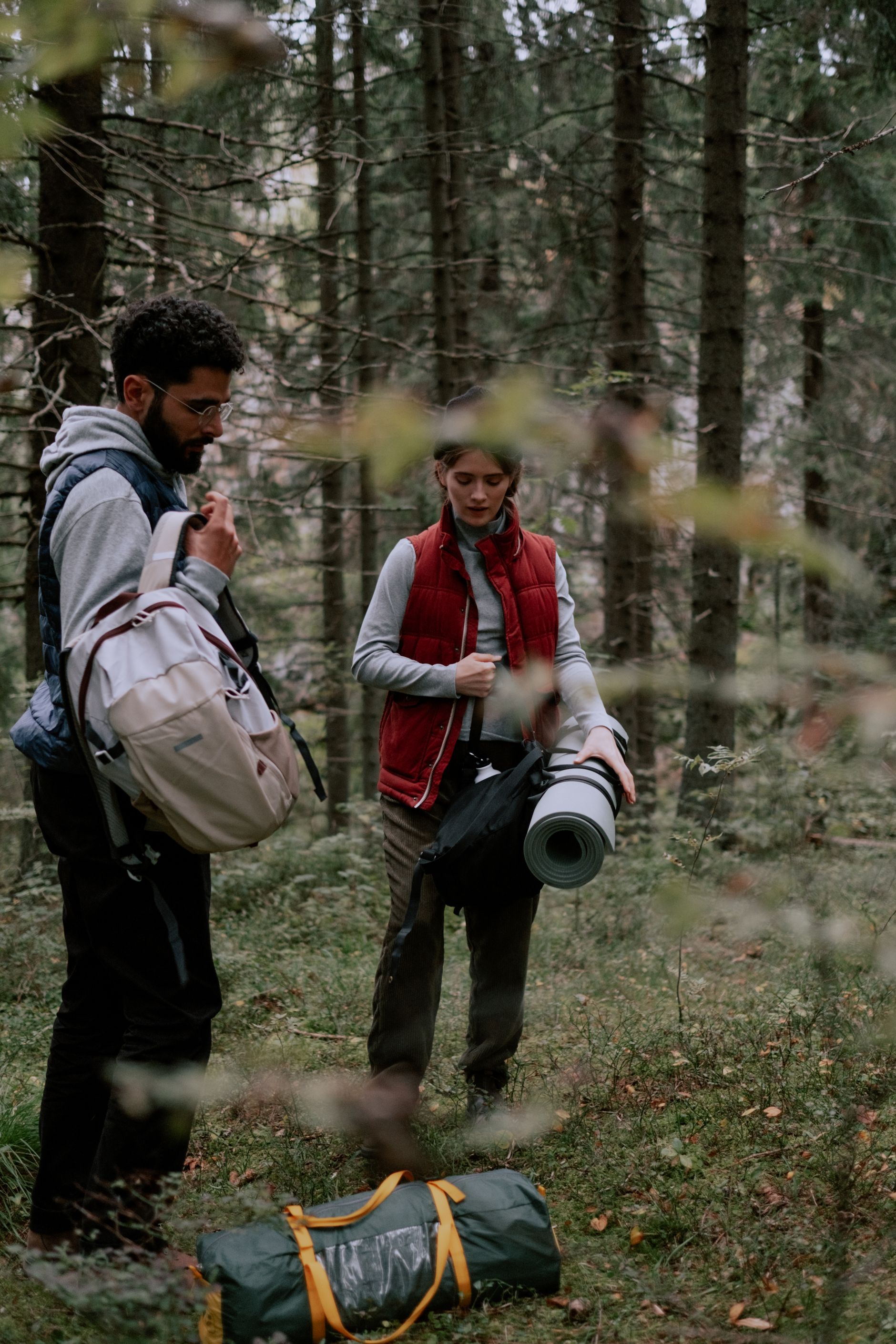
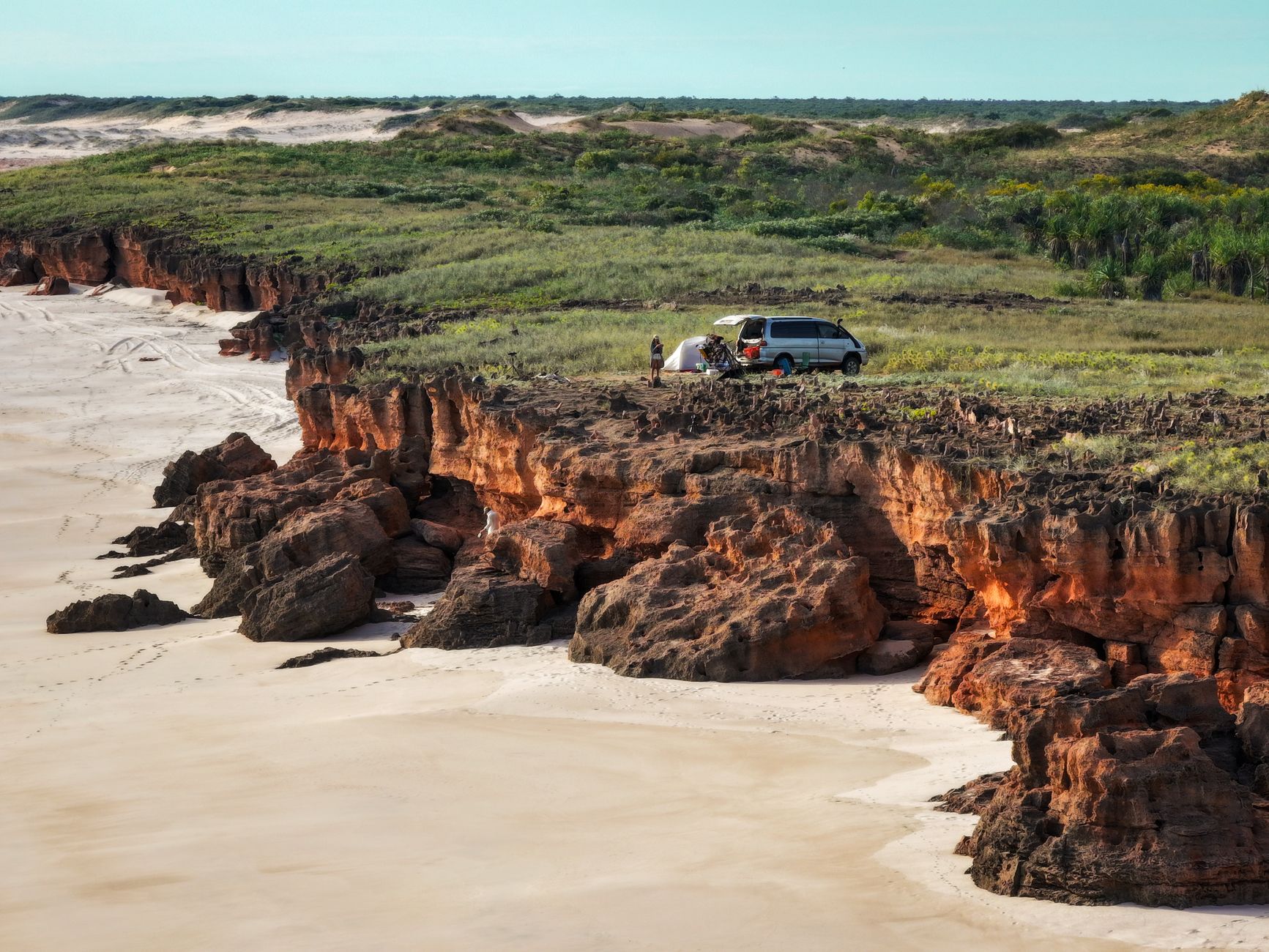
Most Aussie weekenders only get two nights away every few weeks. Their questions are not showroom questions. Can we set up in the dark? Will it fit in the shed? Does Monday’s commute feel worse because the roof is still carrying a bedroom? Really, this is quick overnighters against regular touring.
Forum chatter backs that up. In one OutdoorAus thread on rooftop tents versus swags and a similar 4x4Australia discussion, campers keep coming back to the same trade-off: comfort on the road versus the roof hassle that follows them home.
TL;DR
Most occasional campers should start with a good swag. Frequent tourers with the right vehicle should at least price a rooftop tent properly. Comfort matters. Cost matters. Faff matters more than the brochures admit.
Pick this
Best for
What you give up
Swag
Solo trips, weekenders, lower budgets, simple storage
You sleep on the ground and live with less dressing room
Rooftop tent
Frequent touring, repeat base camps, people who hate damp ground
Higher cost, roof load limits, vehicle height and more ownership hassle
Club 4x4’s comparison lands in much the same paddock: simplicity and affordability favour the swag, while comfort and sleeping off the ground favour the rooftop tent.
“A swag is better for simplicity, speed and affordability, while a rooftop tent offers more comfort and keeps you off the ground.”
— Club 4x4
Our version is a little blunter. Buy a swag if you are still working out whether car camping is your thing. Buy a rooftop tent only when you already know you will use it enough to justify the money, the weight and the roof drama.
Why a swag makes more sense for most weekenders
A good swag solves the boring problem. We need a dry, tough, reasonably comfy place to sleep without turning the car pack into a systems-engineering job. Simple. Cheap-ish. Hard to kill.
For value buyers, the case is pretty strong. Paying more only makes sense when it buys better sleep, better weather protection or less mucking around. Otherwise it is just a shinier bill. Money magazine’s camping-value piece makes the cheap-end warning cleanly: bargain shelter can get ugly when the weather does.
“A basic $13 Kmart tent, rated at just 450mm, is fine for backyard use, but risky in real rain.”
— Money magazine
Different product category, same lesson. Dirt-cheap shelter stays cheap right up until the first proper downpour.
Our call: most readers are better off stretching to a decent swag than stretching all the way to a rooftop tent. Man of Many’s swag round-up notes that useful swag mattresses tend to sit around 50mm to 80mm, with 70mm the sweet spot for longer use. Sounds boring until night two, when your hip starts filing complaints.
Ownership stays simple:
- No roof-load maths.
- No ladder.
- No garage-clearance surprise.
- No big penalty when the camping trip ends and the car goes back to school-run duty.
That dull ownership bit matters. A setup can be brilliant in the bush and still annoying for the other 350 days of the year. Camping marketing skips that bit because it ruins the brochure.
Money helps too. The Darche Dusk to Dawn sits around $430 in the Man of Many price ladder and has the sort of reputation that makes sense for repeat use. The Kings Deluxe Single Swag is cheaper at about $250, which makes a few rough edges easier to forgive. The XTM Single Swag is the BCF buy we would call sensible entry-level gear because it at least gives us proper material specs: 400gsm ripstop canvas and a 450gsm PVC floor.
Limits? Plenty. If you hate getting dressed crouched over, hate muddy boots near your bedding, or camp through sustained wet weather, a swag can feel small fast. Couples hit that ceiling sooner. Some problems do need more space or more comfort.
Ask the ugly 6am question. What annoys us most after a cold night? If it is packing away wet canvas and standing up from ground level, a swag still wins. If it is sore hips and damp ground every trip, the rooftop tent starts to look less silly.
When a rooftop tent actually earns its keep
Good rooftop tents sell comfort, but they really sell repeatability. Same sleep platform. Same setup motion. Same little routine every night. For people who tour often and move camp regularly, that is worth something.

Snowys puts it plainly in its guide:
“Rooftop tents win on setup speed and touring comfort. Swags are cheaper, simpler, and have no roof load requirement. Ground tents offer the most internal living space per dollar.”
— Snowys Blog
Late arrivals are where the appeal shows up. Setup speed counts. So does getting off wet ground. So does not playing Tetris with poles, pegs and bedding every time we stop.
Less glamorous, but more important: can the vehicle carry the whole thing without compromise? Not just whether a rack exists. Can the roof carry the tent while driving? Does the height work at home? Are we happy lifting gear overhead all the time? If those answers involve guessing, we are not ready to buy an RTT.
Weight brings the sales pitch back to the driveway. Snowys calls out an Inspired Overland Standard Lightweight Rooftop Tent at about 34.5kg, which is light enough to interest owners of smaller wagons and dual-cabs. More common figures are chunkier: about 50kg to 80kg for soft-shell folding tents, and 60kg to 100kg for conventional hard shells. Those numbers change what goes on the roof, how the car feels and how much spare margin is left.
In practice, a rooftop tent pays for itself in a few pretty clear cases.
Tour often? Faster setup and repeatable sleep can improve nearly every trip, so the cost becomes easier to defend.
Moving camp night after night helps the case too. A rooftop tent is not magic, but it does reduce the repeated ground-camp reset.
Hate sleeping on the ground? Fair enough. Knees and backs count.
Where we get sceptical is the once-a-month weekender with a mid-size SUV and no storage plan at home. That buyer often pays a premium to solve a problem a better swag would have handled well enough.
Shopping in this category, we would inspect the 23Zero Panther 2000 Hard Shell Rooftop Tent because Snowys points to quick setup and the ability to carry light gear on its roof rails. Even then, start with the boring checklist. Roof rating. Rack compatibility. Garage height. Actual trip frequency. Then wallet.
The hidden costs and annoyances the ads skip
Here the budget buyer and the tired weekender usually win the argument.

Sticker price is only the headline number. Real ownership cost includes the roof system, packing changes, fuel and drag, extra height at home, and the big box staying on the car when we are only doing a Bunnings run. A swag asks for boot or tray space. A rooftop tent asks the rest of your week to cooperate.
Back to the skeptic’s question: does spending more actually improve sleep, or just improve the invoice? Sometimes it improves sleep a lot. Sometimes it buys convenience. Sometimes it buys the camping version of a gym membership. Great in theory. Used three times.
Brand loyalty usually loses to these four bits of friction.
Packing on wet mornings
A swag can be messy, but it comes off the vehicle entirely. Roll it, strap it, chuck it in. A rooftop tent keeps the wet canvas problem higher up and more awkward if we need the car again that day.
Daily-driver compromise
A rooftop tent is easiest to love when the vehicle is already a tourer. If it is also the commuter, the school bus and the Woolies trolley, every extra kilo and every centimetre of height matters.
Trip length
One-night stops and fast pack-downs strengthen the RTT case. Quick solo stops also strengthen the swag case. Comfort expectation breaks the tie. If we can sleep anywhere, swag. If we want a more bed-like routine, RTT.
Upgrade path
Swags let us start small and learn. Rooftop tents assume we already know our camping habits well enough to buy once and buy dear.
Room is the awkward bit. Club 4x4’s analysis is clear that if what we really want is living space, neither a swag nor an RTT is the best-value answer. Ground tents still give the most room per dollar. That does not kill this comparison, but it does stop us pretending a rooftop tent is the universal upgrade path.
Still experimenting with trips, campsites and who actually comes with us? Keep the setup flexible. Swag first. Upgrade later if our habits prove it.
The models we would actually shortlist
A useful buying guide narrows the field. Not twenty options. Not fifty. Just enough to stop the doom scroll.
Start with the swags. Three models from the bundle make sense for different buyers.
Budget entry point: the XTM Single Swag. We’d send first-timers there because the spec sheet shows some substance. 400gsm ripstop canvas. 450gsm PVC floor. Not the last swag we would ever buy, but a fair way to learn whether this camping style suits us.
Cheaper still: the Kings Deluxe Single Swag, about $250 according to Man of Many. Buy if price is the hard ceiling and you are realistic about cheaper gear after repeated use. We would inspect the stitching, zips and mattress expectations with open eyes. No fairy tales.
Step-up pick: the Darche Dusk to Dawn. Around $430 is still real money, but it can make sense once we know the swag will get regular use. Better sleep usually beats clever camping gadgets.
For rooftop tents, separate light-weight curiosity from full-fat touring kit.
At 34.5kg, the Inspired Overland Standard Lightweight Rooftop Tent opens the conversation for smaller vehicles and lower roof limits. Buy if vehicle fit is tight and you want the rooftop-tent experience without starting at the heaviest end.
For a full hard-shell setup, the 23Zero Panther 2000 Hard Shell Rooftop Tent is the one we would inspect if touring comfort and quick setup are the priority. It sits in the serious-money bracket. Snowys’ guide frames quality hard-shell tents from about $3,500 and up, so this is not dabbling money. This is “we know we are going to use it” money.
Rule remains simple.
Buy a swag if you are new, cost-conscious, storage-conscious or mostly heading away for short weekend trips.
Buy a rooftop tent if you camp often, know your vehicle numbers, hate ground sleeping and can live with the day-to-day compromises that come with roof gear.
Buy neither, for now, if the decision is being driven by looks rather than usage. Camp one more season. Borrow a mate’s setup. Work out what actually annoys you. Then spend.
FAQ
Is a swag better than a rooftop tent for beginners?
Usually, yes. A swag is cheaper, simpler to pack, easier to store and less likely to trigger expensive knock-on buys like racks or crossbars. It teaches us what sort of camper we are before we spend rooftop-tent money.
Are rooftop tents actually faster to set up?
Often, yes. That is one of their best arguments. But fast setup only matters enough to justify the cost if we camp often. For occasional trips, a well-packed swag is still very quick.
How much roof weight is too much?
Too much is anything that pushes the vehicle beyond its legal moving roof-load limit once the tent, rack and any extra gear are included. The exact number depends on the vehicle. That is why Snowys’ guide keeps coming back to fit and ratings first.
What is the better value buy in Australia right now?
For most readers, a quality swag. The lower entry cost, easier storage and fewer compatibility headaches make it the safer first spend. A rooftop tent becomes better value only when we camp enough to use its comfort and setup advantages regularly.
What would we buy with our own money?
First proper setup? We would start with a decent swag such as the Darche Dusk to Dawn or the XTM Single Swag. Already touring often with the roof rating sorted? Then we would start looking seriously at a lighter RTT like the Inspired Overland Standard Lightweight Rooftop Tent.
The short version? Swags win for most people. Rooftop tents win for the right people. Knowing which camp you are in is worth more than any sales pitch.
The DudeWorld brief
BBQ, tools, camping and footy — the good stuff, weekly in your inbox.
Subscribe