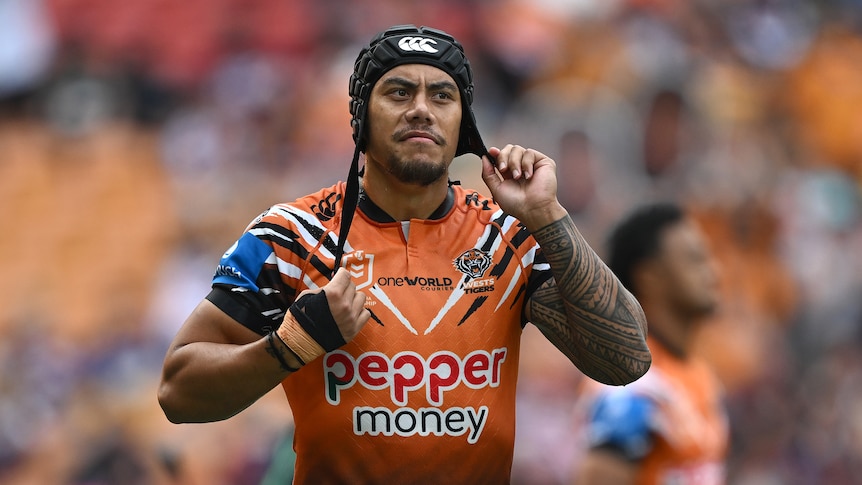
When Jai Arrow's birthday became a footy support night
Jai Arrow's birthday fundraiser shows how footy clubs and fans turn sympathy into real support when one of their own gets hit with MND.
A 31st birthday fundraiser wedged into an NRL weekend sounds odd until you picture the ground. Red and green everywhere, kids in Rabbitohs jerseys, that restless pre-game noise, and then a reminder that this night is for Jai Arrow as much as it is for the two points. When South Sydney turned Jai Arrow’s birthday into a matchday fundraiser, they gave fans something plain to do. Show up. Chip in. Back the bloke.
That is why the story has reached past the Souths faithful. Not long ago, Arrow was still being judged on carries, defensive sting and the edge he brought across 178 NRL games and 12 State of Origin appearances. Then the game stopped being the main thing. His diagnosis and retirement dragged the conversation into family, care, money, privacy and time. Real life. The stuff plenty of blokes understand even if we are ordinary at finding the right words.
Here is the awkward balance. Arrow and his family need support that feels normal enough to live with. The club has to make that support public enough to raise money and keep people engaged. Sitting above it all is the fact that motor neurone disease still has no cure. Awareness helps, sure. On its own, it does not get anyone to an appointment, pay a bill or make the disease disappear.
Why a birthday works better than a tribute post
What Souths have done well is make the birthday the mechanism. A birthday gives supporters a ritual instead of a mood. Most of us are better at joining in than sitting with abstract sympathy. Tell people the date, the colours, the cause and the person at the centre of it, and they know the job. No speech required.
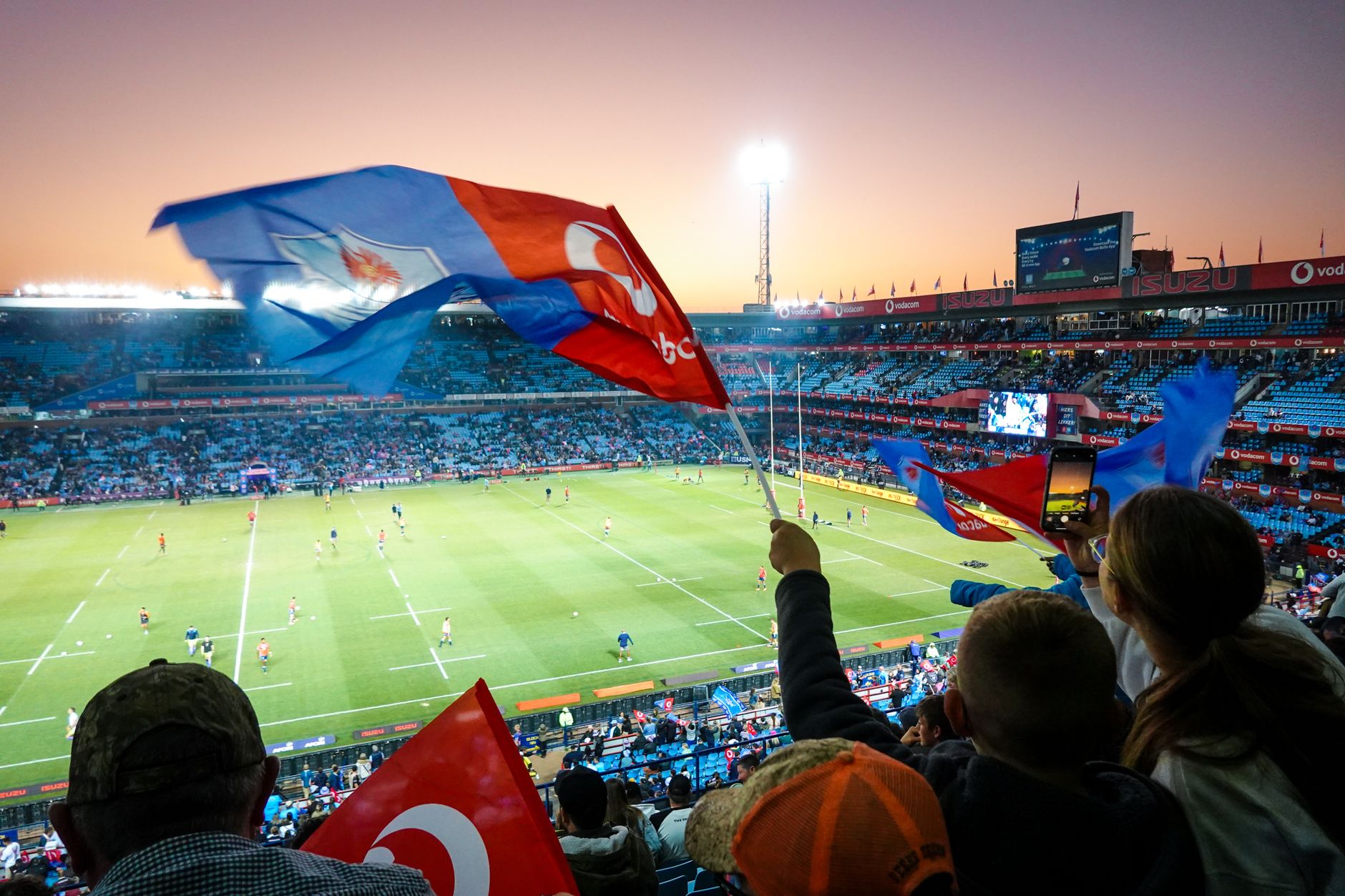
Souths have built that response in layers. There was the whiteout jersey night for Arrow, the bow-and-arrow gestures, then the birthday-night coverage in ABC’s live blog as the whole thing widened into a league moment. Fans do not always know what to do with generic grief language. Give them a tradition to carry and they will usually carry it hard.
Arrow has set that tone himself. In Nine’s yarn on the fundraiser, he did not reach for a big cinematic line about courage or legacy. He sounded like a bloke trying to keep his feet under him.
“I could say something like to live a long and healthy life, but for me, I think it is just to enjoy my life.”
Jai Arrow, Nine
That is the bit that lands. Birthday. Family. A night at the footy. Mates finding a way to get behind you without making you stand in the middle of a pity parade. Big sport can default to tidy statements when something serious happens. They are approved, polished and usually useless by lunchtime.
This fundraiser works because it turns feeling into behaviour. The club is not asking people to sit there being sad. It is saying: here is the night, here is the cause, here is the person, do something useful if you can. That is a stronger ask, and a more honest one.
What useful support actually looks like
The danger is obvious. A family crisis can be turned into content before anyone admits that is what is happening. Arrow’s own words are the guardrail here, because he has been clear about the kind of help he wants around him.

In the ABC report on his retirement, he drew the line as cleanly as anyone could.
“What I need right now isn’t sympathy or sadness. What I need is support, understanding, and privacy while my family and I navigate this difficult time.”
Jai Arrow, ABC News
That quote gives the club an operating manual. Money helps. Privacy helps. A fundraiser helps. So does the dull off-camera stuff that never makes the broadcast: lifts to appointments, meals, paperwork, fewer admin headaches, a bit less pressure on the family to perform gratitude in public.
The ABC report on Arrow marrying Berina Colakovic mattered for the same reason. The meaningful detail was life carrying on. They got married. They marked a family milestone. The diagnosis did not get to take up the whole frame. If you are a supporter looking in, there is the cue: less gawking, more backing.
There is a familiar Aussie footy-club instinct in all this. When one of your own is crook, somebody puts on a feed, somebody passes the bucket around and somebody checks whether the family needs a hand with the boring jobs. It can look awkward from the outside. Fine. Awkward often means real.
Club bosses matter here too, even if they are not the stars of the piece. The easy part is saying the club supports him. The harder bit is keeping the family protected while still mobilising the crowd. Souths have mostly held that line. The gestures have been big enough to bring people in, while the story still feels anchored to Arrow’s wishes rather than the league’s appetite for content.
Awareness is good. Cash, time and care are better
The sceptic’s view deserves space, because sport can talk itself into treating awareness as the whole job. It is not. Awareness might be the spark. It cannot be the finish.

The facts around MND keep this from becoming sentimental wallpaper. The Conversation’s explainer on diagnosis and treatment spells out the medical reality: diagnosis can take time, treatment is limited and much of the care is about preserving quality of life for as long as possible. Other reporting puts the numbers in even starker terms. About two Australians die from MND each day, and coverage after Neale Daniher’s death noted MND Australia’s estimate of roughly 2.5 years average survival after diagnosis. Grim figures. Necessary ones.
So what changes after the headlines fade? Usually, not enough. The attention has to turn into services, fundraising and pressure that lasts beyond one emotional night. A birthday fundraiser is useful because it gives the public a way to do something tangible now, then gives the club a shape it can return to later. Next event. Next round. Same cause.
Arrow has sounded clear-eyed about that balance. After the fundraiser, ABC reported his thanks to supporters and the wider league crowd, and the quote worked because it was grateful without dressing him up as a saint.
“I’m truly honoured to be here. I want to thank everyone from, me and my family, the bottom of our hearts. The amount of support that we’ve had is truly overwhelming.”
Jai Arrow, ABC News
You can hear the practical edge in that. He is not pretending the support fixes the diagnosis. He is saying it matters because people have shown up and his family has felt it.
The best side of footy is rarely about footy
No wonder this story has connected with people who could not tell you where Souths are sitting on the ladder. It is not a tactical football story. It is a story about what a club and a fan base can still be when the game has no answer.
For plenty of blokes, that will feel familiar. We can be rubbish at saying the big emotional thing out loud. Give us a task and we go better. Cook the feed. Buy the ticket. Wear the shirt. Chuck money in. Drive over. Help the family. The fundraiser works because it speaks that language.
The story falls apart if it gets reduced to inspiration porn. The better read is more practical: Arrow, his family, Souths and the wider league have found a way to turn sympathy into structure. A cause with a date on it. Support with somewhere to go.
Footy’s best side is rarely about the scoreboard. It is about whether the people around the game know how to carry one of their own when the game cannot do the job for him anymore. On Jai Arrow’s birthday, Souths gave supporters a chance to do exactly that. For once, the most meaningful thing at the ground had nothing to do with the result.
The DudeWorld brief
BBQ, tools, camping and footy — the good stuff, weekly in your inbox.
Subscribe