Winter wetsuits Australia: thickness, fit and warmth
Winter wetsuits in Australia are about fit, seam sealing and extras, not just thickness. Here’s how to choose for real cold-water sessions.
The first proper cold-water paddle usually teaches the lesson. We talk ourselves into “she’ll be right” in an autumn 4/3, paddle out, then spend the back half of the session with hands that feel like borrowed equipment. For Australian surfers, survivable is the wrong test. The better test is whether your suit stays warm enough that you still surf properly once the wind gets into it.
At the shop-floor end, Flatrock Surf’s Melbourne wetsuit guide is blunt about the Victorian Surf Coast’s 12-14°C winter water. A 5/4mm is the default call. A 4/3mm makes more sense in shoulder months, or for surfers who genuinely run warm. Local water beats catalogue copy every time.
Surf Escape adds the useful sceptic’s note. In Surf Escape’s winter-wetsuit analysis, modern linings, seam sealing and better chest-zip design can make a good 5/4 feel warmer than an older, clapped-out 6/5. More rubber helps. Better rubber helps too. The ocean is not interested in your optimism or your nostalgia.
TL;DR
- Surf Victorian winter regularly? Start at a 5/4mm full suit and treat boots as part of the setup, not an optional extra.
- Shoulder months, milder water or a body that runs hot: a 4/3mm can still work, but boots and sometimes a hood will do more than pretending thin rubber is character-building.
- For premium warmth, we’d shortlist the Patagonia R4 Yulex Regulator and the Billabong Furnace Natural 5/4.
- For value, the needessentials 4/3 Natural Rubber Zipperless is the interesting outlier at A$220. We would use it for milder water or disciplined short sessions, not as a blind Victorian dead-winter default.
- Fit beats bravado. A slightly boring suit that seals properly is better than an expensive one that flushes every duck-dive.
Why winter water feels colder than the number on your watch
Cold does not always pick on the beginner first. Plenty of weekend surfers paddle once or twice a week, sit around too long between sets, and think sunny air means the session will be fine. Australian winter surf gets you from three directions at once: water temperature, wind chill in the lineup, and flushing every time the suit gaps at the neck, lower back or ankles.
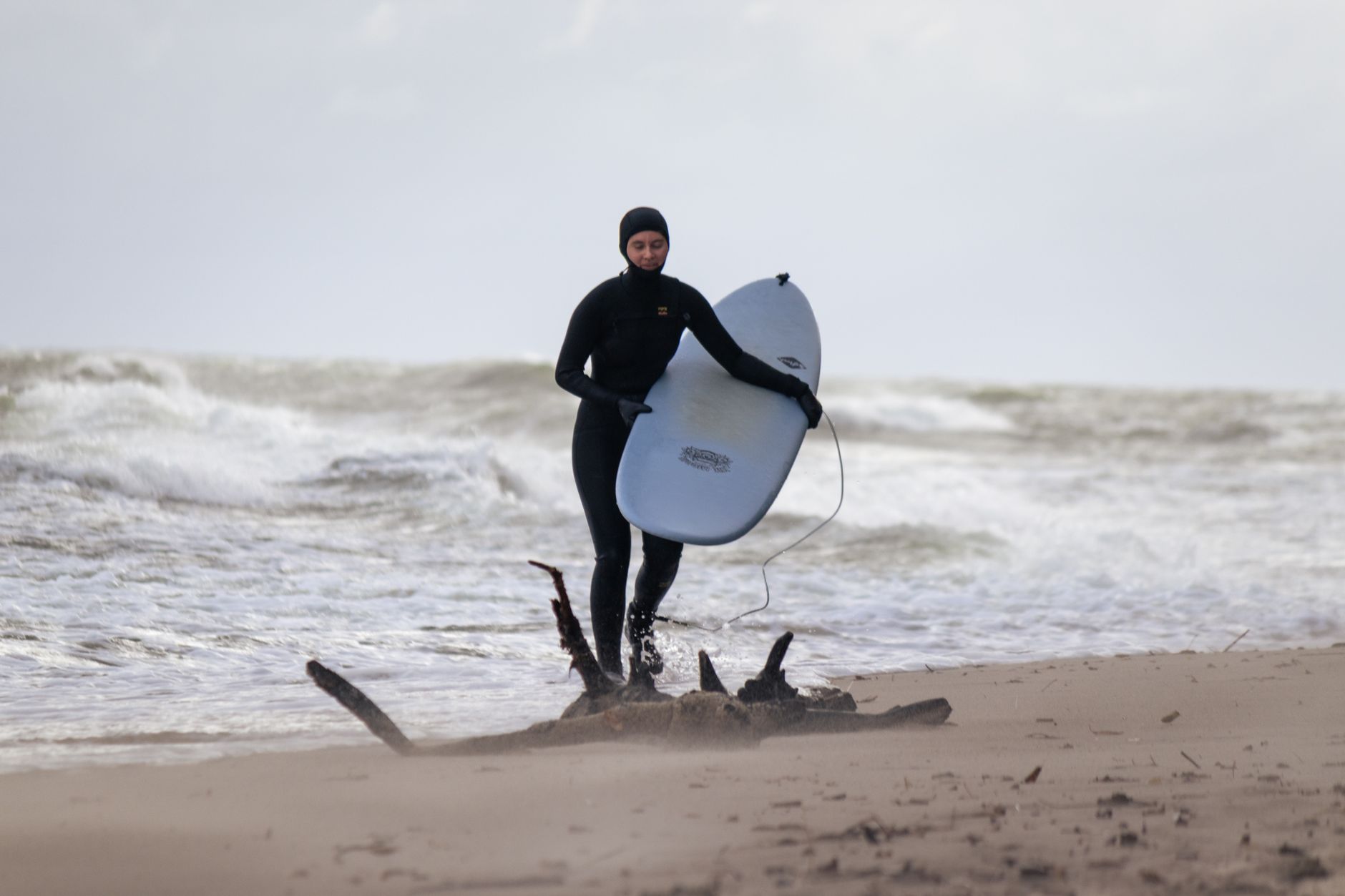
For that reason, the user-affected question, “Can we just get through winter in a 4/3?”, deserves a boring answer rather than a heroic one. If your benchmark is Victoria’s 12-14°C winter water from Flatrock Surf, most surfers should not use a 4/3 as the default. A hot-running bloke doing quick dawn sessions might scrape by with a 4/3 plus boots and maybe a hood. The rest of us will surf better, stay out longer and complain less in a proper 5/4.
Retailer advice and weekend-surfer reality line up here. You do not buy winter rubber to prove toughness. You buy it so the last twenty minutes of the session look something like the first twenty. Numb feet slow your pop-up. Tight shoulders mess with timing. Warmth is performance, not comfort-luxury.
Start with thickness, then adjust for fit and your local cold
A useful baseline is Billabong’s thickness guide.
In general, the thicker the foam core, the warmer the suit.
Billabong
Yes, it sounds obvious. It still clears up a lot of bad buying. The question is not whether 5/4 is warmer than 4/3. It is. The real question is whether your local water, session length and cold tolerance justify the extra rubber, and whether the suit is built well enough for the thickness to do its job.

For southern buyers, Victoria is the tidy benchmark. Flatrock Surf says 5/4mm is the normal June-to-August call, with 4/3mm better suited to shoulder seasons. That gives Australian buyers a useful ceiling and floor. Colder than that, you are firmly in hooded 5/4 or 5.5/4.5 country. Warmer than that, you may be able to step down one notch, especially if you hate thick shoulders and surf short, active sessions.
The common mistake is trying to buy one suit for everything from autumn to the worst day of July. That can work if you accept the compromise. It does not work if you expect a 4/3 to feel cosy in dead winter and still paddle like a spring suit. Decide what season you are buying for. Buy the winter suit for winter, not for the two nice weeks around it.
Fit, seams and entry matter as much as the millimetres
If we had to stick one line to the shed fridge, it would be this.
A well-fitted 5/4mm will always out-perform a loose one, because flushing is how you lose heat fastest.
Flatrock Surf
Every loose winter suit taxes every wipeout. Water gets in, your body has to warm it again, and the whole point of buying thicker rubber disappears. That is why a good chest zip often beats a badly fitted back zip, and why an older heavy suit can feel second-rate next to a newer, better-sealed 5/4.

Surf Escape’s take sharpens the same point from the sceptic side:
a well-designed 5/4mm chest-zip today can feel warmer, and surf better, than an older, poorly sealed 6/5mm.
Surf Escape
Replacing an ageing winter suit is where this bites. The instinct is to think, “I’ll just go thicker this time”. Sometimes that is right. Sometimes the better move is a better-built suit in the same thickness. Taped seams, cleaner panel layout and a zip system you can close properly when your hands are already cold count for more than brochure waffle about “ultimate warmth”.
Entry matters as well. Zipperless suits can feel brilliant once they are on, but we would only buy one for winter if you already know you get along with that style. Wrestling into a tight suit in a freezing car park loses its charm very quickly. Chest zip is the safer all-round call for most Aussie weekend surfers because it splits the difference between seal and sanity.
Boots, gloves and hoods do more work than people admit
Extremities are usually the giveaway. If another millimetre of torso rubber is not fixing the session, look at the feet, hands and head before blaming the whole suit. Often it is the boots.

On the Victorian benchmark, Flatrock’s guide says 3mm boots are enough for most winter sessions. That lines up with how winter setups usually work in the real world. If your core is mostly okay but your feet are wooden after forty minutes, thicker boots fix more than thicker chest panels. Same with gloves and hoods: add them when the session is getting cut short by your extremities, not because the catalogue made the full ninja setup look tough.
The working order is boring but reliable. Get the suit thickness right. Make sure the fit is properly snug. Add 3mm boots when the feet go first. Add a hood or gloves when wind and session length start making your head or hands the weak link.
Plenty of hot-running surfers can survive winter in a 4/3 if the water is milder than Victoria’s coldest benchmark, the sessions are short, and the rest of the setup is sorted. Once you are patching a marginal suit with boots, gloves and stoicism, though, you have basically admitted the base suit is on probation.
The winter wetsuits we’d actually shortlist
No one needs vibes from winter rubber. You are paying for warmth, seal, paddle feel and how much swearing happens in the car park. These five models from the research make sense for Australian buyers, with the caveat that not all of them suit every state or budget.
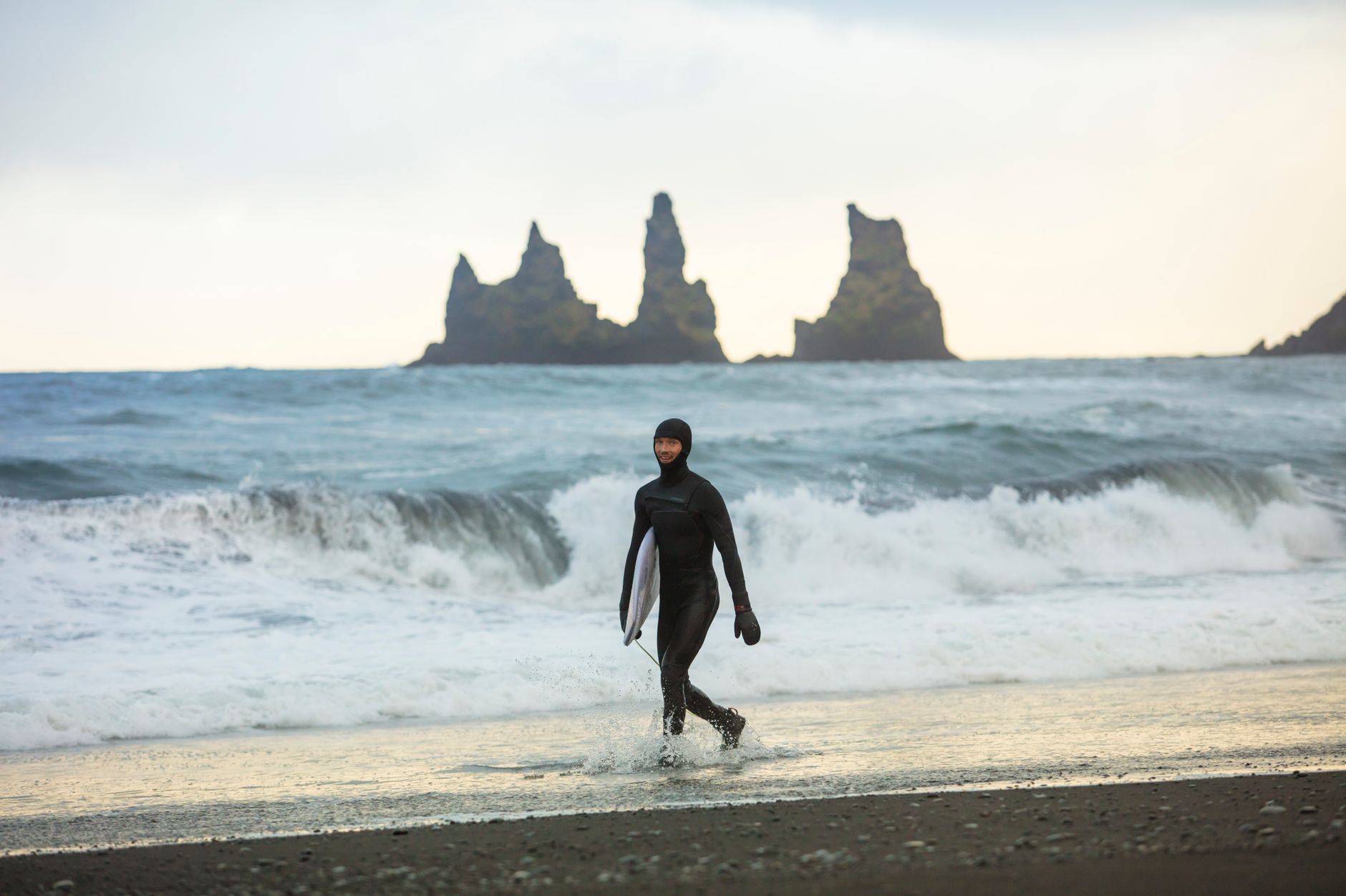
1) Premium warmth: Patagonia R4 Yulex Regulator front zip hooded full wetsuit
Go here if your winter is properly cold, you surf often enough to justify spending up, and you want maximum warmth without defaulting to the thickest anonymous rubber on the internet. The bundle positions the Patagonia R4 as the warmest premium pick, and that tracks with its built-in hood and heavy-duty cold-water brief. The trade-off is obvious: it is more suit than plenty of Australian surfers need. Paying premium money for extra hood and insulation makes more sense in southern water than it does farther north.
2) Best all-rounder for real winter use: 5/4mm Furnace Natural - Men Black Chest Zip Wetsuit
Call this the safe mainstream buy. The research keeps landing in the same place: warmth, flexibility and availability all sit in a sensible middle ground. The Guardian’s winter test liked it for flexibility, while Billabong’s own thickness guide makes clear where a 5/4 sits in the cold-water hierarchy. If you surf true winter and do not want to overthink it, this is the straightforward buy.
3) Best value for milder cold: (Last Chance) 4/3 Natural Rubber Zipperless Wetsuit
At A$220, this is the price anchor. It answers the weekend-surfer question directly: no, you do not always need to spend Patagonia money to stop freezing. But frame it carefully. A 4/3 at A$220 is a strong value option if your local water is not as cold as Victoria in mid-winter, or if you are buying for shoulder seasons and shorter winter windows. We would not tell a cold-running Victorian to buy this as his only winter suit and hope for character development.
4) Warmest eco-minded option: Men’s Nieuwland 5.5/4.5mm Yulex Chest Zip Hooded Wetsuit
Natural rubber is no longer just the greener-in-theory option. The Guardian rated this Finisterre as the warmest tested, which dents the old “eco gear equals compromise” story. Australian buyers still need to be practical. It is a UK-centric product, serious winter kit, and it makes most sense if your sessions justify that much warmth.
5) Best eco/value middle ground for shoulder seasons: Men’s Eco Wetsuit 4/3
SRFACE earns its place because it forces a more honest conversation about trade-offs. In the bundle it is pegged at about A$450 and a 30-day trial, with The Guardian noting decent value but some stiffness. That makes it interesting for surfers who want a neoprene-free 4/3 without blowing into true premium pricing. Still, it is a 4/3. Read it as a shoulder-season or warmer-winter call before you read it as a Victorian dead-winter default.
None of that makes brand prestige the point. Pick the model that matches your water and your tolerance honestly. The wrong thickness in the right brand is still the wrong suit.
When a 4/3 is enough, and when it plainly is not
Buying guides often hide here because “it depends” sounds safer than a verdict. We will be less polite.
Choose a 4/3 when the water is milder than Victoria’s 12-14°C winter benchmark, you paddle hard, you do not sit around forever, and you are willing to use boots or a hood when the morning turns ugly. Do not choose a 4/3 when you already know you get cold easily, surf exposed southern breaks, or want one suit that can handle your proper worst days.
Modern design is the useful sceptic’s point. A good 5/4 can absolutely surf better than an old 6/5. It does not magically turn a 4/3 into a winter tank. Better construction narrows gaps between suits. It does not repeal physics.
Between a better 4/3 and an average 5/4, we would still lean quality first if your water is only moderately cold. Between any 4/3 and a decent 5/4 for Victorian winter, take the 5/4 and move on with your life.
How to make a winter suit last longer
Sun, salt, bad drying and our habit of yanking wetsuits on like cement bags kill cold-water suits. The practical rules are boring because they work. Rinse the suit in fresh water. Dry it out of direct sun. Do not leave it crumpled in the boot all week. Do not hang it by the shoulders dripping off a sharp hook. Once the seams start leaking and the lining has gone sad, do not pretend one more season is free.
Once a suit loses its seal, it does not slowly become “still okay”. It becomes a session-shortener. Winter is when that shows up fastest.
FAQ: winter wetsuits in Australia
Is a 4/3 wetsuit enough for Australian winter?
Sometimes, but not as a blanket answer. If your reference point is Victoria’s 12-14°C winter water, a 5/4 is the safer default. A 4/3 works better in shoulder months, milder regions, or for surfers who run warm and keep sessions short.
Do boots matter more than thicker neoprene?
Often, yes. When your feet are the first thing to give up, 3mm boots change more than adding a bit more torso thickness. That is why boots are usually the first accessory worth paying for in real winter surf.
Are chest-zip suits warmer than back-zip suits?
Usually, yes, because a good chest zip tends to seal better and flush less. But fit matters more than brochure theory. A badly fitted chest zip is still a bad winter suit.
Are Yulex and other neoprene alternatives actually warm enough?
They can be. The bundle’s strongest evidence is that the Finisterre Nieuwland 5.5/4.5 tested as a very warm option, while the Patagonia R4 Yulex Regulator is treated as the premium warmth benchmark. The catch is still thickness and build. Eco materials do not rescue an under-specced suit.
What is the best value winter wetsuit in this research?
On price alone, the (Last Chance) 4/3 Natural Rubber Zipperless Wetsuit at A$220 is the obvious value play. Just be honest about where it sits: better as a value 4/3 than as a magic fix for the coldest Victorian sessions.
Our simple rule is to buy for your coldest regular session, not your nicest one. For most southern Australian surfers, that means a 5/4 plus boots. Everyone else can step down from there, but nobody wins by wishing a spring suit into a winter one.
The DudeWorld brief
BBQ, tools, camping and footy — the good stuff, weekly in your inbox.
Subscribe