Winter snapper fishing guide: where, when and what works
Winter snapper fishing gets easier when you fish dawn reef edges, slow the sink and keep bait ready when plastics go quiet.
Winter snapper do not need a heroic tackle-shop raid. They need timing, a slow fall and a plan B for when the lure bite sulks. On the better cold-month mornings, we start on the low-light edges of inshore reef, let the lure hang longer than instinct says it should, and keep bait ready in the esky.
That squares with Daiwa Australia’s Sydney winter snapper guide and Greg Finney’s Fishing World breakdown of inshore winter snapper. The fish are there in winter. They just make you earn the bite with clean drifts, not hopeful wandering.
Once the boat is in gear, anglers still split into camps. The lure crowd, including Chasebaits Australia’s snapper range, talks slow drop and vibe. A bait-first bloke looks at the same flat winter morning and keeps squid or pilchards close, because one dead drift can become three if you get stubborn.
TL;DR
- Fish first light or the last couple of hours before dark. The middle of the day is the harder shift.
- Start on inshore reef, gravel and bait-rich country in roughly 20 to 50 metres, then repeat the same decent drift.
- Go lighter than your ego wants: a 3000 to 5000 reel, a 7 foot to 7 foot 6 rod and sensible leader cover most winter reds.
- Begin with a slow-falling plastic or vibe. Sink rate beats lure brand and colour most mornings.
- Bring bait anyway. If the drift gets too quick or fish mark up without eating lures, bait and a small berley trail can rescue the trip.
- Our no-fuss starting point: dawn, reef edge, 5 to 7 inch plastic, light jig head, then bait if the fish only window-shop.
Where winter snapper actually hold
Set the ugly alarm. Winter is worth it because the pattern can tighten up, especially around Sydney and similar NSW reef country where snapper gather on inshore reefs before the water warms again. Not every lump is equal. Look for broken ground, bait, current seams and enough relief for a lure to waft through the zone instead of dropping past it like a socket extension.
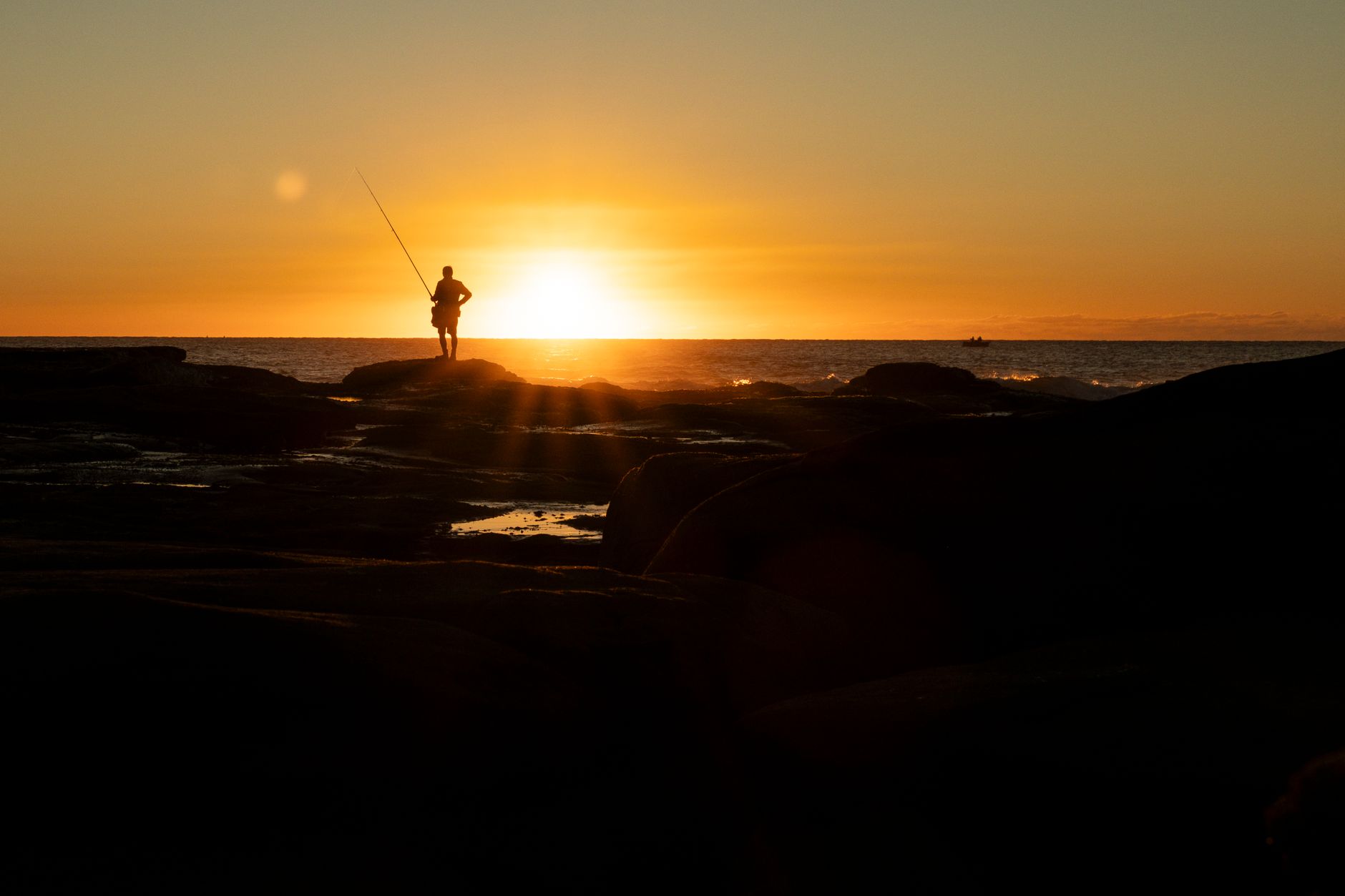
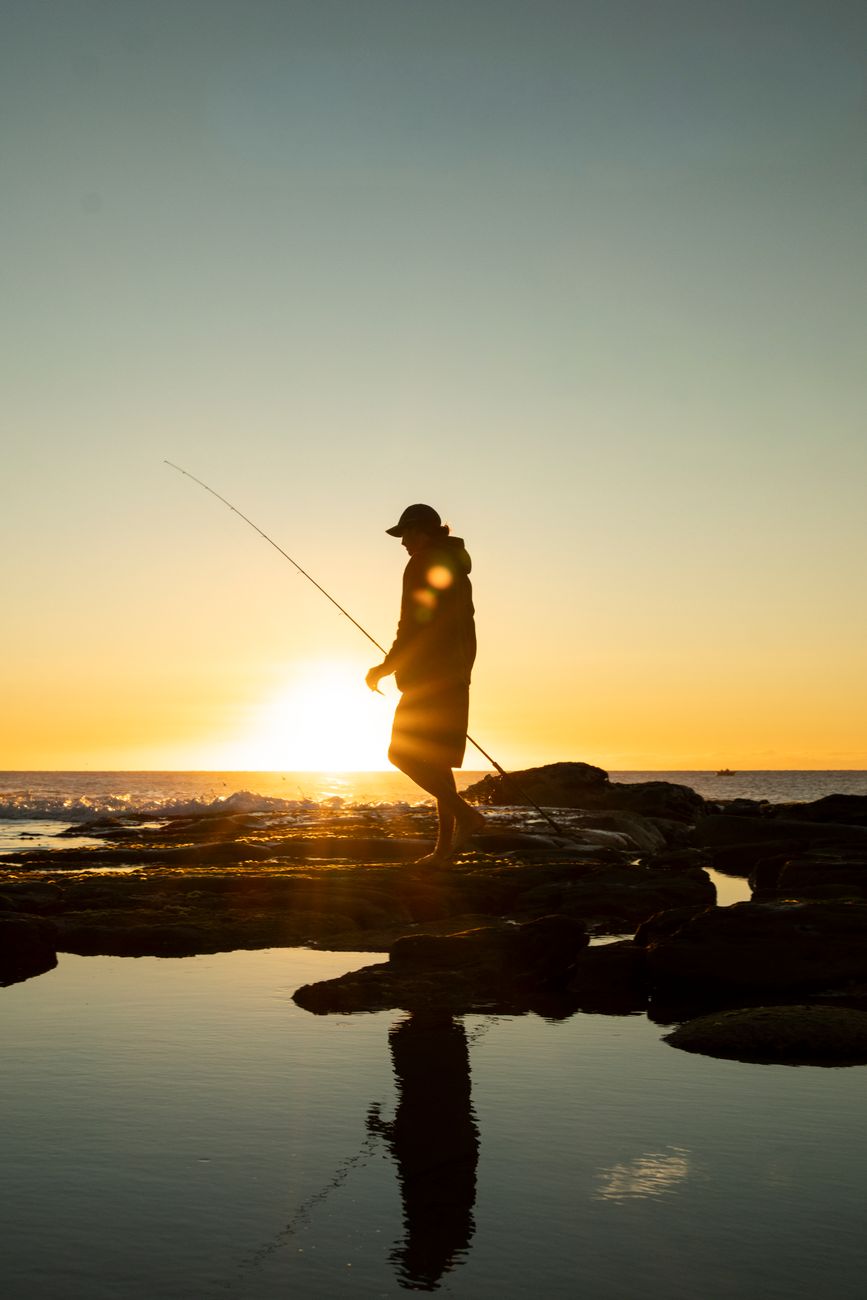
Image: fisherman silhouette at sunrise via Pexels.
In the Daiwa guide, Sami Omari puts the seasonal bit plainly:
“Winter time in Sydney is when the snapper aggregate on the inshore reefs to feed and congregate before preparing for the spawn run once the weather starts to warm.”
Source: Daiwa Australia, Sydney’s Winter Snapper
Those numbers matter. Daiwa is talking about winter fish in roughly 20 to 50 metres, while Fishing World’s big winter snapper piece and Finney’s inshore guide both steer us towards reef edges, isolated hard patches and bait-rich country rather than bare sand. Scattered life with no structure? Keep moving. Bait over reef with a clean drift line? Stay interested.
Finney’s read is useful because it keeps the session tied to fish behaviour, not what we bought. When do reds push onto the inshore edge? How much do light and current matter? More than most of us want to admit. Dawn and dusk shrink the puzzle: less traffic, softer light, fish already set up to feed. That is when you stop begging and start presenting properly.
Time, drift and boat control beat lure brand
The early question is blunt: does drift speed matter more than lure brand? We reckon yes, by plenty. A fancy lure falling too fast or skating under the boat is still wrong. A plain one wafting through the strike zone gets a look.
From there, winter snapper fishing becomes a boat-control job with rods attached. Hold a controlled drift over the good patch, use enough wind or current to cover ground, and keep enough touch to know when the lure has landed, when it is hanging and when it is already out of the game. Once the drift blows out, the lure stops looking alive and the morning gets expensive.
Set your line before the reef edge, watch the boat speed, then add only enough head weight to stay in contact. Finney nails the main point in his inshore winter snapper guide:
“The trick here is to prolong the drop time of the lure because that’s where you’ll get most of the eats.”
Source: Greg Finney, Fishing World Australia
That one sentence settles a heap of tackle-shop arguments. Sink rate matters more than branding, and usually more than colour. If your lure is belting to the bottom like a brick, fix that before you swap through five packets of plastics.
The tackle that makes life easier
Macho tackle does not help much here. Balance does. You want sensitivity to feel a soft eat on the drop, enough forgiveness near the boat, and enough backbone that a good fish near reef does not turn the deck into a language lesson for the kids.

The sensible window from the source material is modest: 3000 to 5000 reels, a 7 foot to 7 foot 6 graphite rod, and leaders usually around 10lb to 25lb depending on depth, reef and how grubby the country is. That sits between fishing light enough for presentation and not getting absolutely stitched up on rough ground.
For concrete reference points, Daiwa’s winter guide uses the TD Sol II 3000H on the casting side and the Blast 4020PE-SH on the jigging side. Treat those as examples, not commandments. The broader lesson: mid-size spin gear is enough for most winter reds if the drag is smooth and the rod lets you work the lure without feeling like you are jigging for kingies.
A simple starting setup:
- 7 foot 2 to 7 foot 6 spin rod with a crisp tip
- 3000 to 4000 reel for lighter plastics, or 4000 to 5000 if the reef is rougher or the current is pushing
- braid thin enough to cut the water cleanly
- 10lb to 16lb leader for cleaner ground, heavier if the country is nasty
- jig heads light enough to hang, not just to hit bottom quickly
Give us a nice sink and slightly under-gunned gear over a broomstick and a lure behaving like a sinker. Winter fish often tell you the truth on the drop. Heavy, clunky gear makes that conversation harder to hear.
Plastics, vibes and the slow-drop game
The tackle argument gets interesting once the drift is sorted. Presentation beats brand loyalty, but lure style still matters. A 5 to 7 inch plastic on the right head gives profile and hang time. A vibe helps you search, cover water and keep contact when the drift is up.
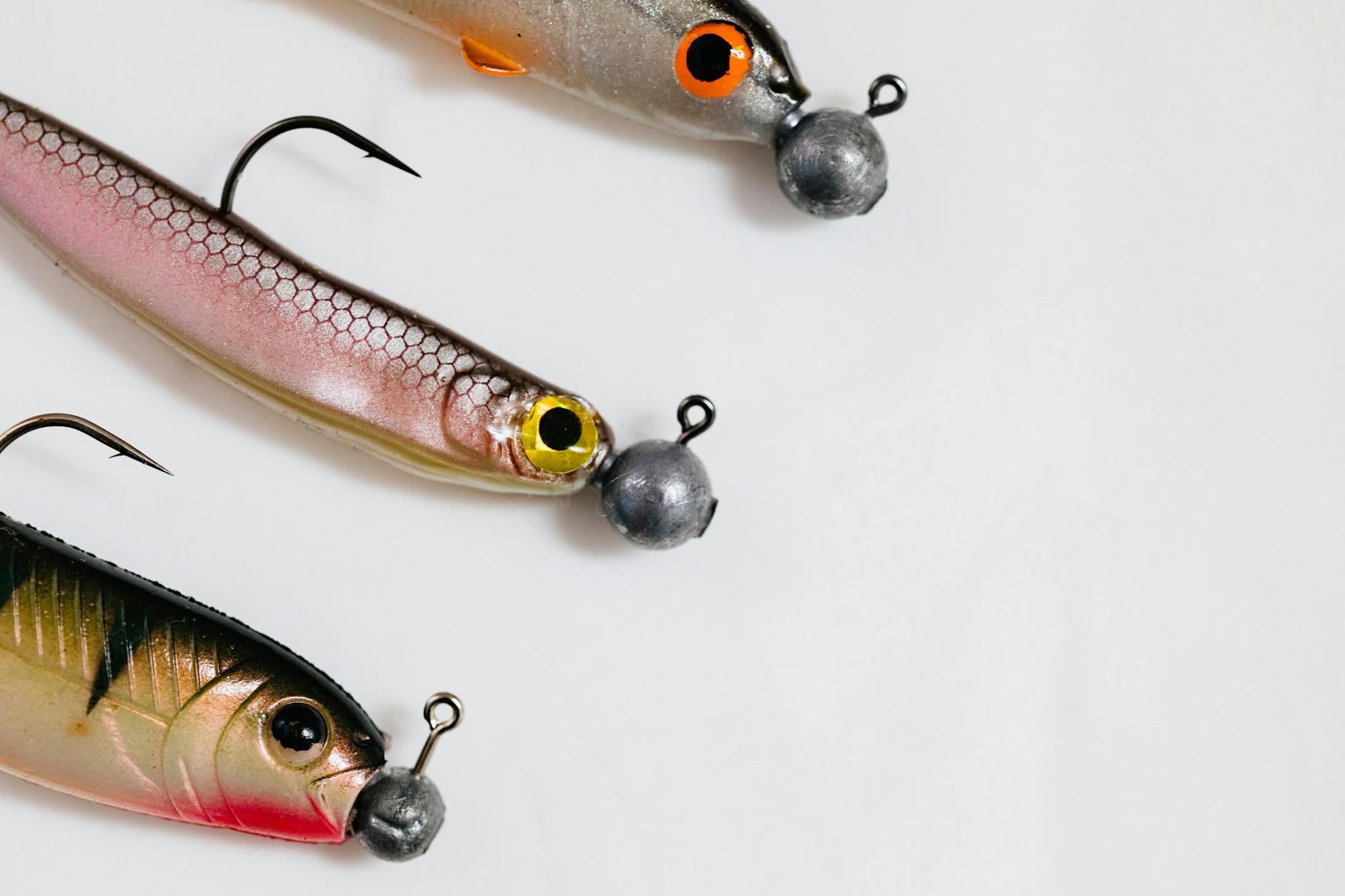
Chasebaits says it bluntly on its snapper lure page:
“Modern Snapper fishing is all about the "Slow Drop" and the "Vibe."”
Source: Chasebaits Australia, Lures for Snapper
Useful, yes. Complete, no. Winter snapper do eat on the fall, and a vibe or slow-fall plastic often gets the first proper response of the drift. Just do not hear it as “buy the magic lure and you’re sorted”. You still need line angle, drift control and the patience to let the lure work.
As a starting pair, Curly Vibe 2.0 makes sense as a search tool and The Ultimate Squid makes sense when you want more hang time and movement on the drop. That vibe-first, plastic-second rhythm is a fair way to fish it: use the vibe to find a mood, then let the plastic stay in the zone once the sounder and bites say the fish are there.
Daiwa’s 3/8oz example helps too, not because 3/8oz is magic, but because it shows intent. Weight the lure only as much as depth and current demand. If the lure stops gliding and starts dropping like hardware, back it off.
Colour can matter. It just sits behind the boring jobs. Profile, fall rate and boat control are the knobs we touch first. Colours can wait.
When bait beats plastics
A lure-only sermon skips a very winter thing: some days the fish mark up, sniff a lure, then eat a bait dropped through the same patch. Chris Cleaver’s sceptical angle is healthy because it stops us turning a snapper session into an ideology test. The goal is fish.

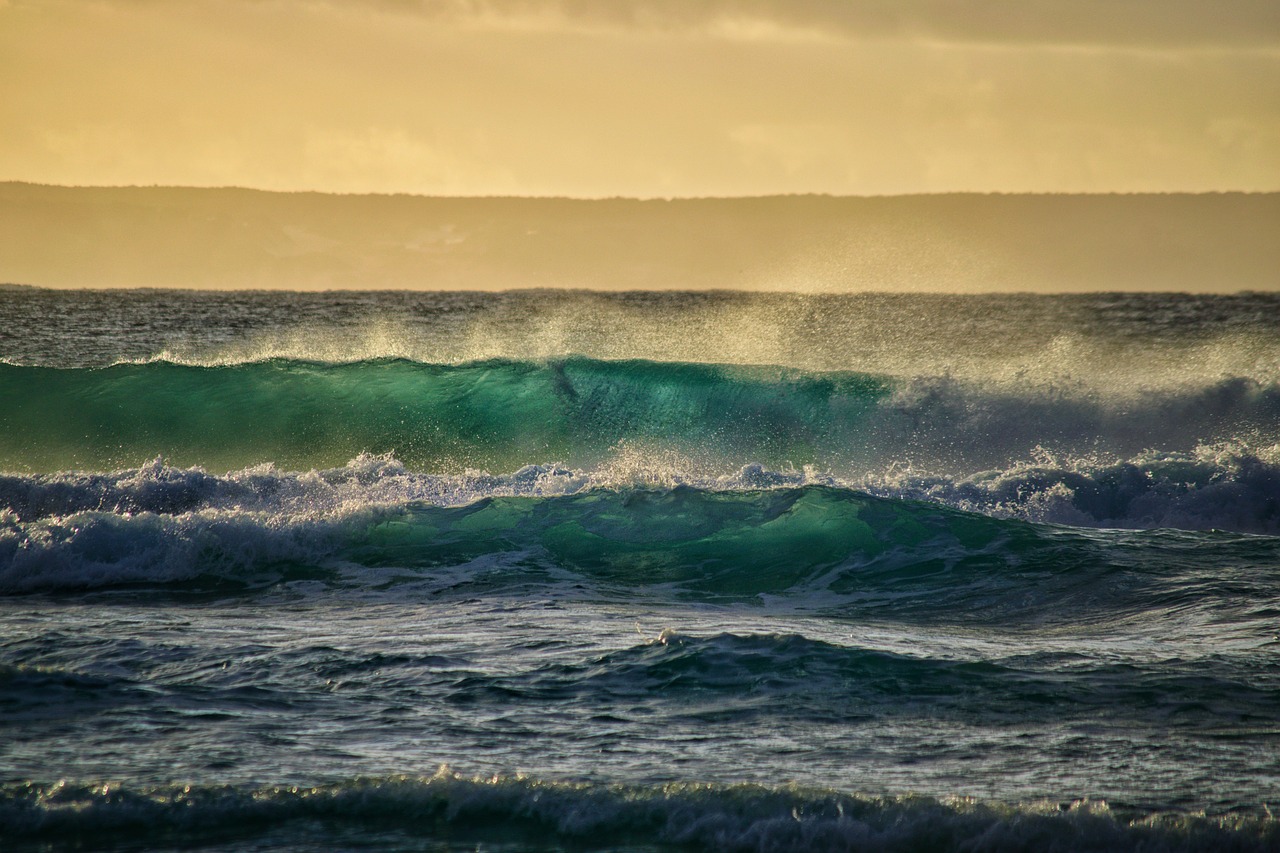
Image: open-water drift setup via Pixabay.
Reach for bait when the drift is a shade too quick for a clean slow fall, when the fish are glued to the bottom, or when you have proved fish are there but the lures only get looked at. A tidy bait and a restrained berley trail are not surrender. They are the adjustment.
Bait also gives you a second read on the drift. Plenty of fishos work a plastic well for 20 minutes, get no touch, then leave when the better move was changing tactics. If the bait gets cleaned up, the fish are there and your lure presentation is the problem. If bait and lure both get ignored, the reef may simply be dead. Move sooner.
A simple winter snapper plan for your next session
If we were sending a mate out for his first proper winter snapper morning, this is the plan we would hand him:
- Launch early enough to fish first light, not just arrive as it is ending.
- Start on proven inshore reef in the 20 to 50 metre bracket with bait on the sounder or nearby life.
- Set a repeatable drift across the best edge instead of wandering across three bits of ground.
- Start with a slow-fall plastic or vibe and pay attention on the drop, because that is where the best bites often come.
- If the drift is too quick, change weight only if you can still stay in touch. If not, change the line or change tactic.
- Once fish are marked but the lure bite stalls, send down bait rather than burning an hour on colours.
- When you get a bite, mark the line, drift direction and exact contour. Winter snapper often reward repetition more than exploration.
No, that plan is not sexy. That is half the point. Winter reds are one of those fisheries where a calm, slightly boring operator often out-fishes the bloke with the busier tackle wallet.
Do not turn a good patch into a science project either. Once a drift gives you the right line, repeat it. Once a weight gives you the right fall, leave it alone until the conditions change. The cold-month advantage is that the pattern can be tighter than summer if we stop over-thinking it.
The mistakes that waste most winter snapper mornings
Launching with a full-day mindset is the first waste. Winter snapper often give their best window in low light, then make us work harder once the sun is up. If the plan is “just fish all day until they switch on”, you are already behind.
Going too heavy is the second. Reef fish sound scary, fair enough, and heavier gear can help after hookup near rough ground. Too much weight still kills the fall that gets the bite. That trade-off matters more in winter than many lure anglers like to admit.
Treating bait as a confession of failure is the third. It is not. Winter snapper can be fussy, moody and oddly conservative even when they are obviously present. If bait answers the question faster, use bait.
Changing lures before changing the drift is the fourth. A new colour is easy. Repositioning the boat, watching the line angle and repeating a contour properly takes more work. Annoyingly, that is usually the job that matters.
Winter snapper FAQ
What depth should we start in for winter snapper?
Use the 20 to 50 metre zone as a practical starting point if that matches your local reef country, because Daiwa’s Sydney guide calls out that range. Depth by itself is not the target, though. Reef, bait and a clean drift matter more than a tidy number on the sounder.
Are vibes better than plastics in winter?
Not automatically. Vibes are excellent for searching and keeping contact when the drift is up. Plastics usually give you more hang time and a softer fall once fish are located. Use whichever gives you the slowest natural drop you can still control.
How light can we fish for winter reds?
Lighter than plenty of blokes expect. The source material points towards mid-size spin tackle, not broomsticks. A 3000 to 5000 reel and a properly matched rod are enough for most sessions, with leader adjusted to the reef rather than to bravado.
Should we bring bait even if the plan is to fish lures?
Yes. We would. The fallback matters because it answers a different question. If the fish are present but the lure presentation is not convincing them, bait can turn the session around quickly. If bait also gets ignored, you have learned something useful and can move sooner.
What is the single biggest winter snapper edge?
Being on the right piece of reef at the right light level with the right sink rate. Sounds obvious, but winter snapper fishing rewards that boring discipline more than endless tackle changes.
The DudeWorld brief
BBQ, tools, camping and footy — the good stuff, weekly in your inbox.
Subscribe