The First Shed Toolkit: What to Actually Buy First
A practical first-buy list for blokes setting up a shed, with Bunnings examples, real prices and the tools worth buying before the flashy stuff.
TL;DR
If you’re setting up your first shed, don’t blow the budget on the big shiny box first. We’d start with a claw hammer, screwdriver set, tape measure, hex keys, combination square and a decent drill. From the Bunnings examples in The D.I.Y. beginner’s toolkit, that can look like a $4.98 Craftright claw hammer, a $49.98 Stanley 20 Piece Acetate Screwdriver Set, a $4.98 Craftright 8m tape measure and a $27.98 Empire 300mm combination square. Add a set of PPE and a tool bag before you add a circular saw. The trick is buying the tools that unlock the most jobs first, not the tools that look most tradie on the bench.

What to actually buy first
Most beginner tool lists get a bit carried away. They read like you’re fitting out a site ute, not trying to hang shelves, build flat-pack furniture and stop the back gate from sagging.
Our order for a first shed toolkit looks like this:
- Measuring and marking gear
- Basic fastening tools
- A general-purpose drill
- One cutting tool for timber
- Safety gear and storage
- Specialist stuff only when a real job demands it
More importantly, the order matters. Good measuring gear and basic hand tools get used every weekend. A flashy saw that lives in the corner does not.
The six tools we’d buy before anything fancy
1. Tape measure
Start with a tape measure. You’ll use it for shelves, furniture, stud spacing, picture hooks, timber cuts and checking whether that “she’ll fit” cabinet absolutely will not fit.
On the Bunnings page, one of the related examples is the Craftright 8m Tape Measure at $4.98. That is exactly the sort of first-tool purchase we like: cheap, useful and hard to outgrow.
On a tight budget, buy this first. A cheap tape that locks properly is worth more on day one than a prestige cordless you barely know how to use.
2. Screwdriver set
Around the house, flat-pack furniture, door hardware, switch plates, hinges and kid’s bikes all drag you back to screwdrivers. The Bunnings guide recommends having multiple Phillips and flat-head drivers rather than pretending one sad multi-bit handle solves everything.
One featured example is the Stanley 20 Piece Acetate Screwdriver Set at $49.98. That is more set than some blokes need on day one, but it shows the right buying logic: get enough sizes that you stop chewing screw heads with the wrong tip.
Personally, we’d rather see a beginner buy a proper screwdriver set before a socket set he uses twice a year.

3. Claw hammer
Put plainly, you need a hammer. You need it for nails, tapping things into place, persuading brackets, and the occasional bit of light demolition when a “quick fix” turns into a proper Saturday.
Among the Bunnings examples is the Craftright 8oz/226g Steel Claw Hammer at $4.98. We wouldn’t call that a forever hammer, but for a first shed toolkit it makes sense. Buy the cheap one, use it, then upgrade once you know whether you want more weight or a better grip.
What matters most is not price. It’s whether the grip feels secure and the claw can actually pull a nail without you inventing new swears in front of the kids.
4. Hex keys
Few cheap tools save more grief than hex keys. Paul Bailey from Bunnings says he is always reaching for hex keys for furniture assembly, and he’s right.
Bunnings lists the Craftright 1.5-6mm Metric Hex Keys at $2.98 on the same page. For under a coffee-and-servo-pie combo, you suddenly stop hunting through the drawer for the tiny bent key that came with the TV unit three houses ago.
Better still, you can buy them once and stop wasting half your life looking for freebie Allen keys from old flat-packs.
5. Combination square
Plenty of beginners skip this because it looks a bit tradie and a bit niche. That’s a mistake. A combination square helps you mark straight cuts, check 90-degree corners, and stop your project looking like you built it in a moving ute.
The Bunnings guide’s example is the Empire 300mm Combination Square at $27.98. That’s not pocket change, but it does a job a ruler and eyeballing absolutely cannot.
Once timber cutting, shelf mounting or basic shed storage enters the plan, this deserves a place in the first batch.
6. Drill before saw
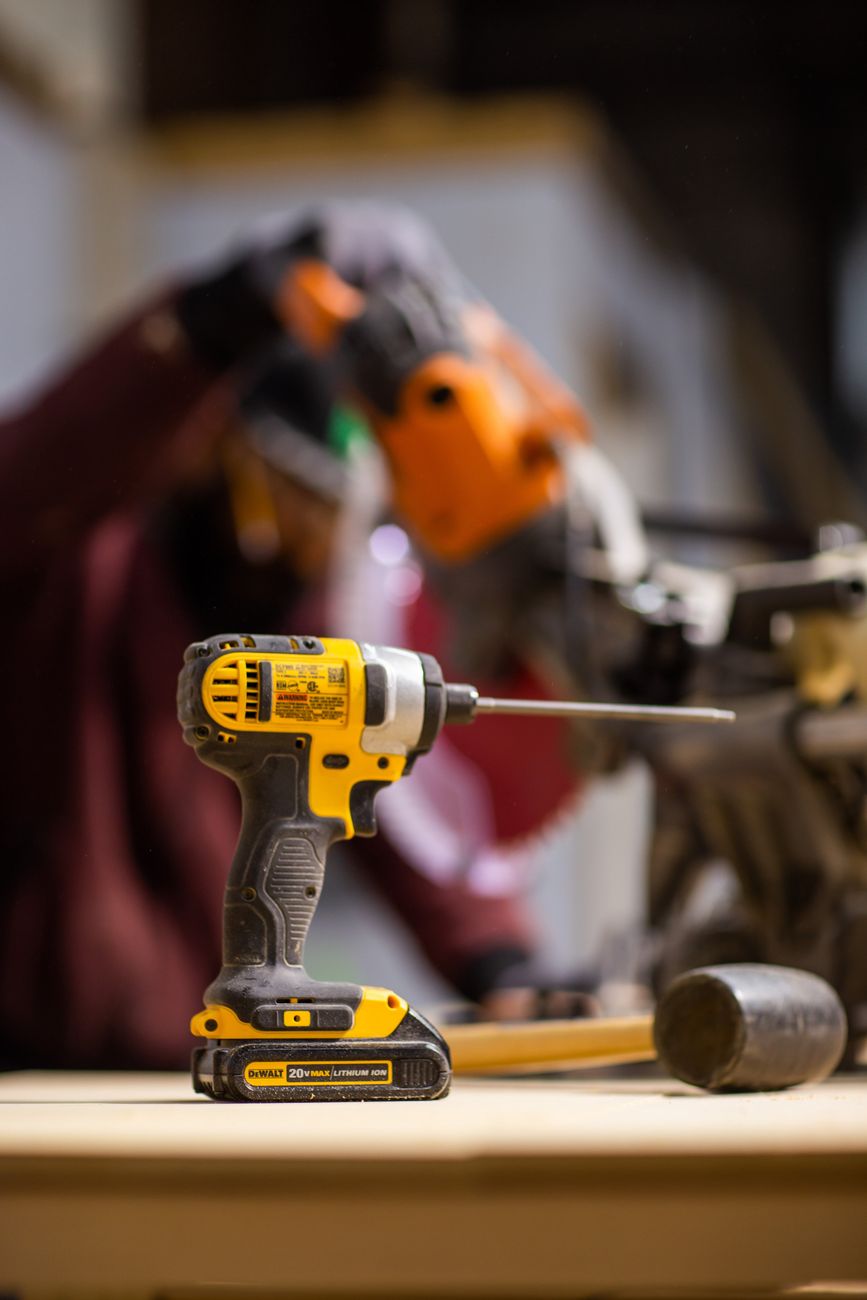
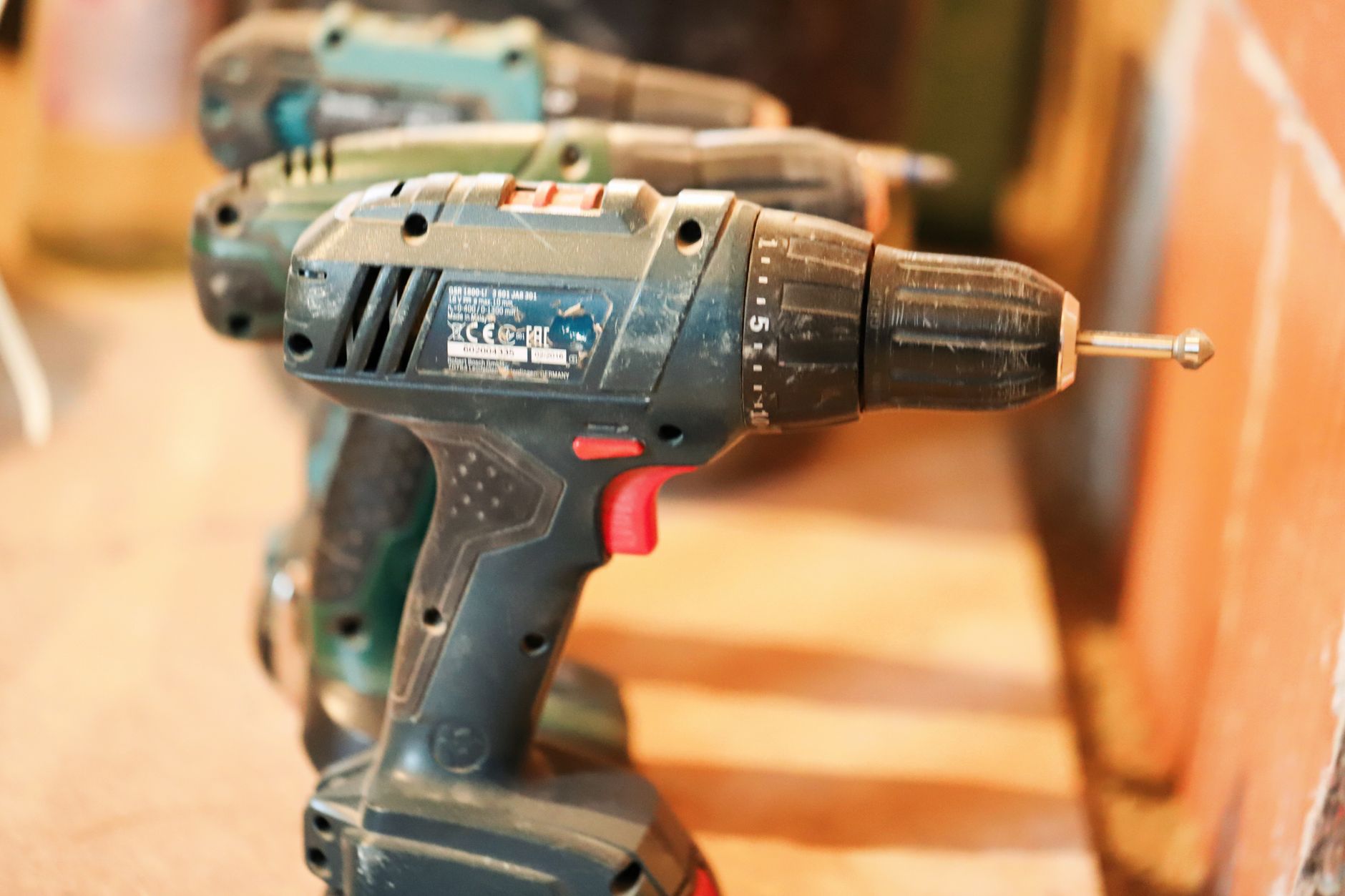
Everyone wants to buy a saw. The sensible buy is still a drill. Bunnings’ own guide flags a hammer drill as a key next step and points readers toward a battery platform they can stick with.
Our take is simpler: buy a solid drill that can handle timber, plasterboard anchors and general screw driving. Once you’ve got that, you’ll use it constantly. A circular saw is handy, but only after you’ve got real projects lined up.
Further down that same page, Bunnings also shows a Ryobi 1500W 184mm Corded Circular Saw RCS1500-G at $79. That’s decent value, but we still wouldn’t make it the first power-tool buy unless you already know your next few weekends involve repeated timber cutting.
The beginner toolkit budget that actually makes sense
Forget the fantasy four-figure fit-out. You do not need to spend that much to stop borrowing tools from your father-in-law.
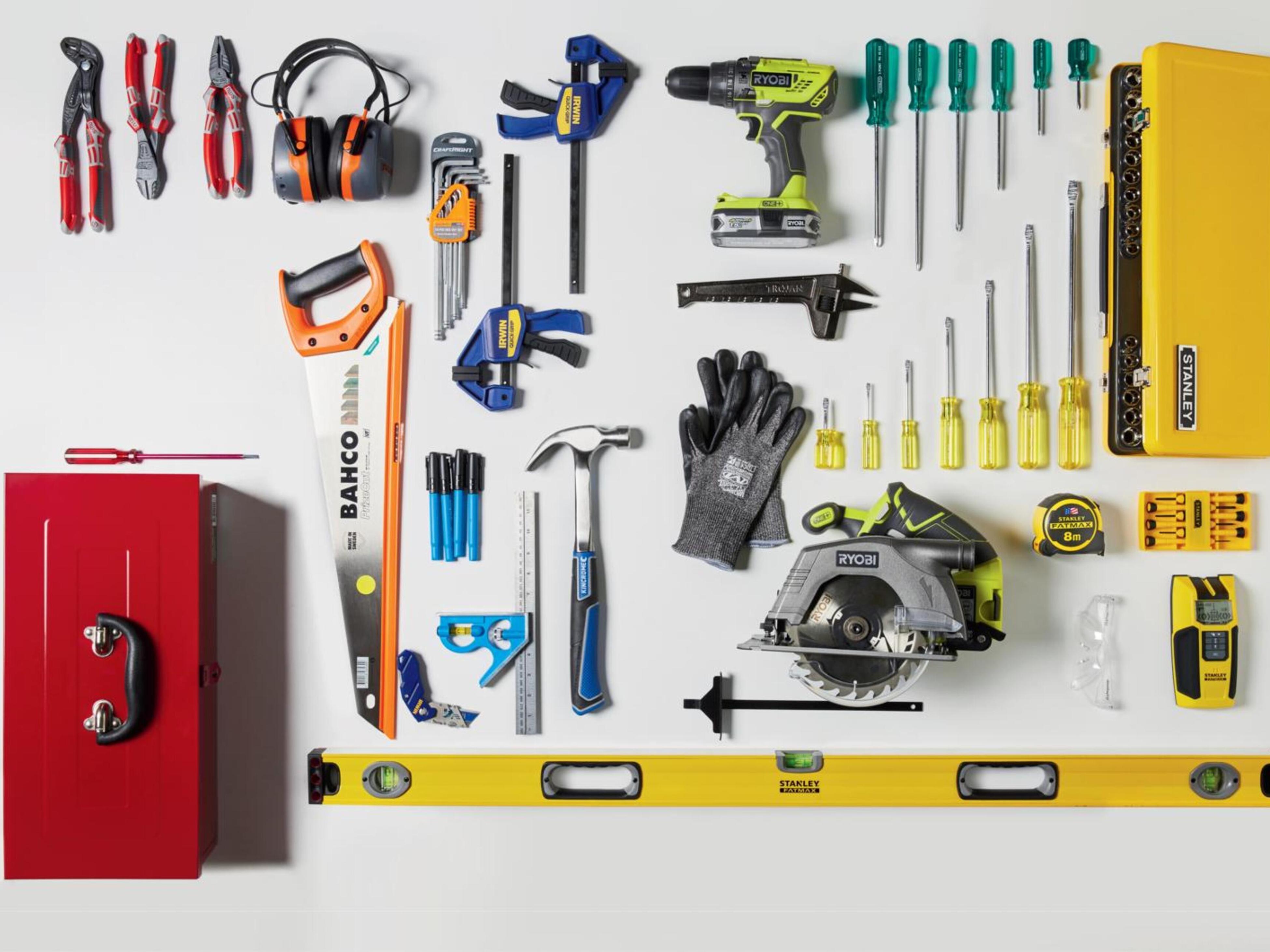
From the product examples surfaced on the Bunnings article, a very workable first run can look like this:
- Craftright 8oz claw hammer — $4.98
- Craftright 8m tape measure — $4.98
- Craftright metric hex keys — $2.98
- Empire 300mm combination square — $27.98
- Stanley 20-piece screwdriver set — $49.98
- Stanley S110 stud finder — $23.99 if wall mounting jobs are coming soon
Altogether, that gets you a practical hand-tool base before you even touch power tools. Then you add a drill and PPE.
Here is where a lot of blokes go wrong: they buy the power tool first, then spend the next month borrowing a tape, using the wrong screwdriver and marking cuts with a pen cap like a savage.
What can wait until later
Spirit level
Handy, yes. First-day critical, not always. If your first jobs are mostly furniture assembly and basic shed organisation, you can live without a spirit level for a week or two. If you’re hanging shelves or pictures straight away, move it up the list.
Stud finder
Once wall mounting starts, a stud finder is brilliant. The Stanley 19mm S110 Stud Finder at $23.99 is the sort of buy that pays for itself the first time you avoid drilling blind into the wall. Still, we’d rank it behind the core measuring and fastening tools unless you know that TV bracket job is imminent.
Circular saw
Later on, a circular saw makes life easier once you’re building more than you’re fixing. It is not the right first power tool for most new shed owners. If your current reality is flat-pack furniture, little home repairs and weekend shelving, buy the drill first and revisit the saw later.
Tool belt and storage extras
Even builder Brandt McRitchie tells Bunnings beginners to think about a tool belt, and he’s not wrong. But belts, organisers and fancy cases are support gear. Useful, yes. First-wave essential, no. We’d rather see beginners buy a cheap bag and spend the savings on better core tools.

Our practical first-shed shopping list
Ask us what to chuck in the trolley today, and this is the trimmed list:
Buy now
- Tape measure
- Screwdriver set
- Claw hammer
- Hex keys
- Combination square
- Safety glasses and hearing protection
- A simple tool bag or box
Buy next
- Drill and driver bits
- Spirit level
- Stud finder
- Spanner or adjustable wrench
Buy only when a real project needs it
- Circular saw
- Hammer drill for regular masonry work
- Specialty cutting tools
- Big socket sets
- Fancy storage systems
Taken together, that is a much better first shed than a random pile of tools bought because they were on a catalogue page end cap.
The mistake to avoid: buying outside a battery plan
The moment you step into power tools, Bunnings’ advice about choosing a platform is worth listening to. If you start with one cordless drill, think about the next two tools, not just the first one. That means batteries, chargers and bare-tool pricing all matter.
For beginners, we’d still say hand tools first, drill second, bigger power tools third. But once you hit cordless, have a look at how broad a system like Ryobi Tools becomes once you start adding skins, batteries and chargers. The point is not to marry one brand forever. The point is to avoid the trap of three chargers and two dead batteries from three different brands.
Safety gear is not optional bloke tax
This part gets skipped because it’s not exciting. Bad move. If you are buying your first shed toolkit, add safety glasses, earmuffs and a dust mask before you start playing weekend carpenter.
Safe Work Australia keeps reminding people to manage risk properly on the tools, and their site is worth a look before you start pretending a pair of sunnies counts as PPE: Safe Work Australia.
Bunnings’ guide makes the same broader point in plainer corporate language: know where the DIY line is, and don’t muck around with electrical, plumbing or structural work you’re not qualified to touch. We’ll translate that into DudeWorld language: if the job can flood the house, electrocute you or make the wall fall over, put the tools down and ring a tradie.
Verdict
If you’re buying your first shed toolkit, start with the cheap hand tools that solve the most jobs. A tape measure, proper screwdriver set, hammer, hex keys and combination square will get more real work done than an impulse circular saw ever will.
Our buy-first list is not sexy, but it is useful. And that’s the point. We’d rather have a small kit that gets used every Saturday than a flash setup that mostly looks good on Instagram and still can’t assemble a barbecue cart without borrowing a neighbour’s Allen key.
FAQ
What is the single best first tool for a beginner shed?
A tape measure. It’s cheap, gets used on almost every job and stops a heap of beginner mistakes before they happen.
Should we buy a drill or a circular saw first?
A drill first for most blokes. You’ll use it more often for screws, pilot holes and general household jobs. Buy the saw once you’ve got actual cutting projects lined up.
Is a cheap hammer fine for a first toolkit?
Usually, yes. A basic hammer like the $4.98 Craftright example is fine to start with. Upgrade later if you use it enough to care about balance and grip.
Do beginners really need a combination square?
If you plan to cut timber, build shelves or make anything line up properly, yes. It’s one of those tools you don’t miss until after you’ve made two crooked cuts.
The DudeWorld brief
BBQ, tools, camping and footy — the good stuff, weekly in your inbox.
Subscribe