Ryobi, Makita or Milwaukee? Buy the battery, not the badge
Ryobi vs Makita vs Milwaukee is really a battery question. We break down which cordless platform suits home jobs, heavier work and future add-ons.
Most blokes reckon their first cordless-tool decision is a drill. Fair enough. The box normally has a drill on it. The real purchase is a charger, a couple of packs and a quiet little trap: the next skin-only tool will look cheap enough to justify on a wet Saturday arvo.
For a homeowner, that is the bit to get right. You are not choosing between three logos for one job. You are deciding whether the next five buys might be a grass trimmer, blower, work light, stick vac or impact driver that all run from the same shelf in the shed.
By the third purchase, the maths changes. Drill prices stop telling the full story, because batteries, fast chargers, kit bundles and skin-only deals start doing the damage. Ryobi Australia, Makita Australia and Milwaukee Tool Australia are selling battery ladders first and tools second.
The battery is the product
A bare tool is only cheap after you already own the platform. Before that, every deal carries a starter tax. Obvious, yes, but buyers still compare a Ryobi drill, a Makita combi and a Milwaukee impact driver as if each one lives alone on the shelf. They do not.

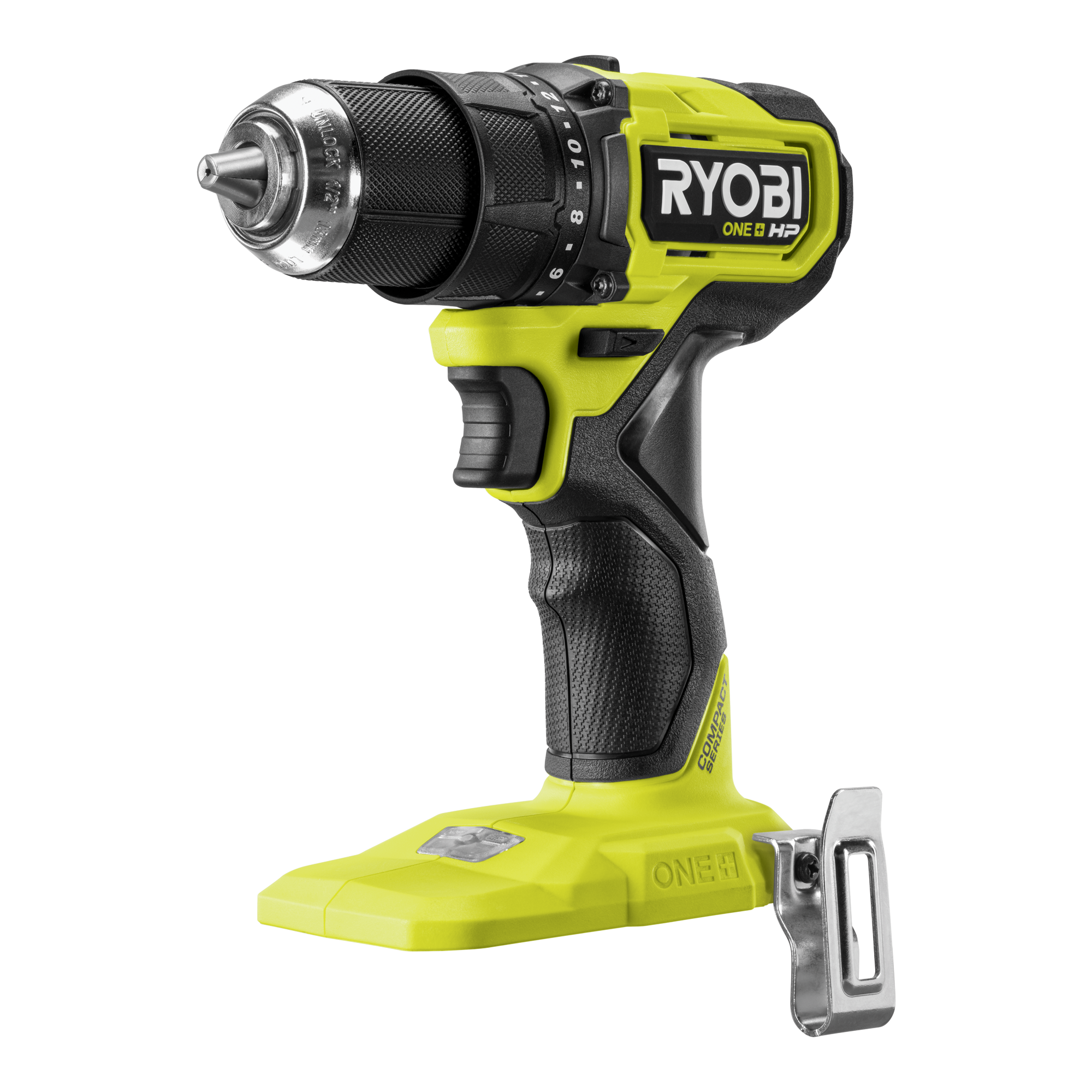
Ryobi says this more plainly than most. Its own pitch is built around 18V ONE+ and 36V platforms, not one hero drill or saw. Marketing, sure, but also the business model. Once a blower, drill, inflator and workshop vac share batteries, you stop thinking tool by tool and start thinking shelf by shelf.
Reviewers talk the same way when battery reuse matters. In Wirecutter’s best handheld vacuum guide, one short line does more work than a page of torque numbers:
“its battery is compatible with all One+ Ryobi tools”
Wirecutter, The Best Handheld Vacuum
Compatibility is the whole game. It can turn an okay first buy into a smart third or fourth one. It also answers the awkward question in the aisle: are we paying for runtime and muscle we will never use, or for the pleasure of not buying duplicate chargers later? Sometimes, annoyingly, the answer is both.
Milwaukee argues the same case from the other end of the market. An M18 eight-tool combo kit with three batteries looks like a monster deal because the batteries carry so much of the value. Strip those out and the maths changes. Add them back in, especially for someone already on M18, and the bundle starts to make sense.
What each brand is actually selling
Strip out the brochure language and the split is pretty clean. Ryobi sells access. Makita sells range. Milwaukee sells confidence.
Ryobi is the sensible choice for most homeowners because it reaches across DIY, garden and cleaning jobs without pretending every buyer is framing houses for a living. Wirecutter’s Ryobi handheld vac pick and its Ryobi mower recommendation get there from different angles: at home, good enough plus broad battery reuse usually beats glamorous specs. Decking repairs, flat-pack rescues, hedge clean-ups, the odd trip under the sink. That is the right kind of boring. Cheap, handy, and more likely to be in the shed before Bunnings shuts.
Ryobi’s official line is confident, but it shows where the brand wants to sit:
“RYOBI is Australia’s favourite power, garden and cleaning tool range, offering corded, 18V ONE+ and 36V battery platforms for reliability, convenience and power.”
RYOBI, official site
Makita is the middle path, and probably the hardest one to explain in a neat sentence. The Makita Australia range splits into XGT at 40V-80V Max with 115-plus products, LXT at 18V-36V with 295-plus products, and CXT at 12V Max with 55-plus products. Makita is not asking you to leap straight from homeowner to tradie. It gives you a ladder: start with sensible cordless kit, then climb into heavier gear if the shed starts earning its keep.

That flexibility is why Makita often feels like the safer long-term buy for the bloke doing more than picture hanging but not running a site crew. The Guardian’s grass-trimmer testing helps here, not because a UK garden roundup settles the argument, but because Makita gear turns up in ordinary outdoor work rather than only in showroom copy. Plenty of Australian sheds live in that practical middle.
Milwaukee sells the fear of underbuying. Its Australian pitch leans hard on M18 and M12 heavy-duty systems, and the positioning is not pretend. If you chew through tougher materials, lean on impact tools all week, or already own the batteries, Milwaukee is easy to defend. Wirecutter’s cordless fan recommendation makes the point from a side door: platform value jumps once the packs are paid for. Starting cold can turn it into an expensive way to drill six holes in a gate hinge.
Here is the catch with buy once, cry once. Some blokes hear it and buy for the hardest day they might ever have, not the 90 percent of jobs they actually do. If your cordless kit mostly sleeps between flat-pack furniture, pruning days and the odd backyard fix, why pay jobsite prices for jobsite toughness?
So which platform should you actually back?
Start with the job mix, not the badge. Dull advice. Also the bit that saves money.
For homeowner maintenance, small DIY, outdoor clean-up and the jobs that appear on a Saturday morning without warning, Ryobi is still the smartest first platform. Not every individual tool is best in class. The win is that the range is broad enough to keep you moving without restarting. Keep battery reuse high and ego low. Ryobi does that well.
A busier shed points toward Makita. Same if you hate the idea of outgrowing a platform after two years. The tiered XGT, LXT and CXT lineup gives you room to scale, and the size of the range means the brand can follow you from weekend jobs into heavier work without feeling flimsy or overbuilt. It is the easiest recommendation for the bloke who wants pro-adjacent gear without buying the most aggressive badge in the aisle.
Already own M18 or M12 batteries? Doing genuinely heavy work? Milwaukee makes sense. In that scenario, the premium is continuity, not wasted muscle. The eight-tool M18 bundle ZDNet highlighted is a reminder that Milwaukee pays off fastest when you are buying deeper into a system you trust. Starting from zero is different. We would hesitate to send a casual DIYer there unless the work is unusually demanding or the deal is properly sharp.
The short version is useful, if not very sexy. Ryobi is best for most households. Makita suits the bloke who wants a wider runway. Milwaukee is best when the work is harder or the batteries are already in the shed.
Picking a single winner brand-wide misses the point. These three names overlap, sure, but they are not chasing exactly the same customer. Ryobi wants the expanding home toolkit. Makita wants the bridge between capable DIY and pro use. Milwaukee wants the buyer who would rather overbuild than come up short.
If it were our money, we would buy the battery story before the drill story. Pick the platform that suits your next five jobs, not the one that makes you feel toughest at the checkout. The shed, and your bank account, will be happier for it.
Former chippie who did a decade on Sydney building sites before the tool reviews took over. Mick covers power tools, DIY, the shed and everyday-carry gear. If Bunnings sells it, he has an opinion on it.
The DudeWorld brief
BBQ, tools, camping and footy — the good stuff, weekly in your inbox.
Subscribe