Best kettlebells for a garage gym in Australia 2026
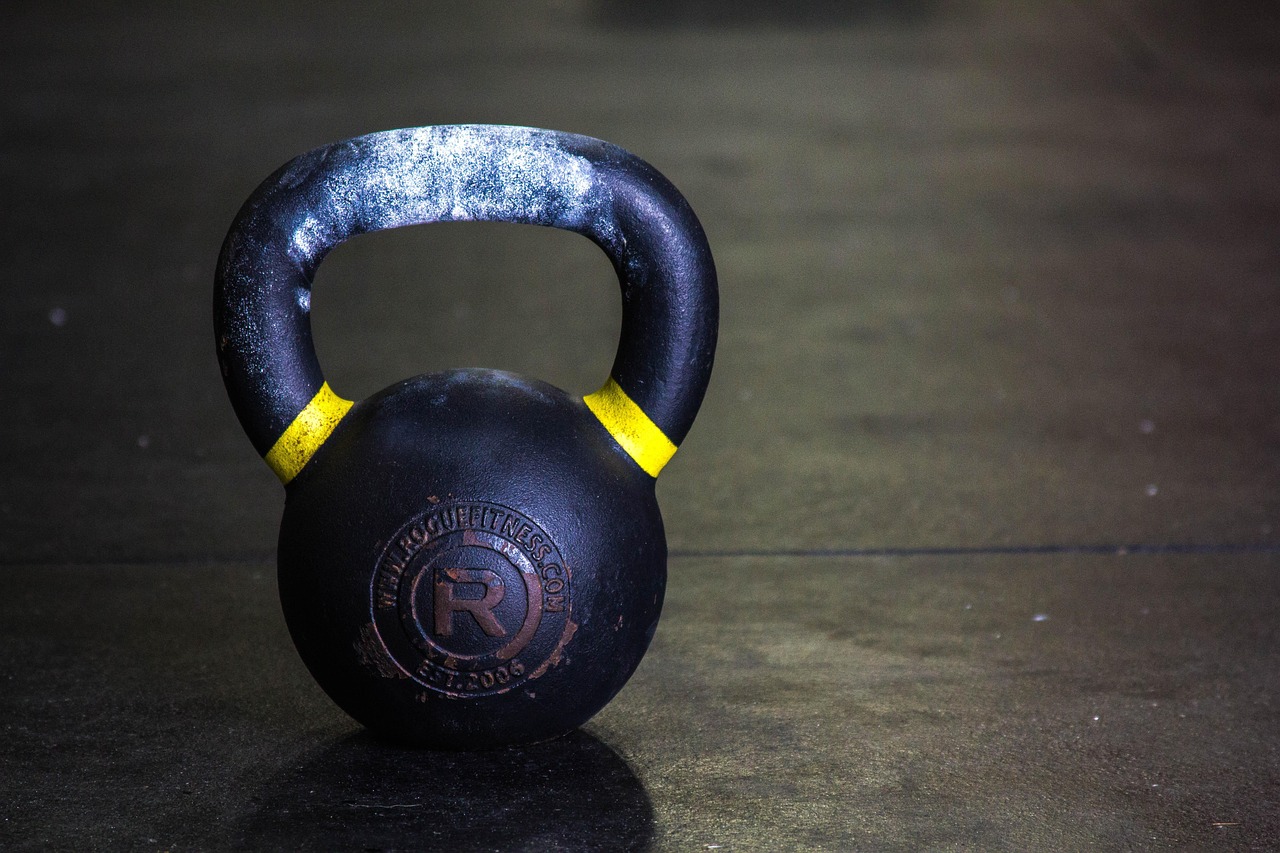
Best kettlebells for a garage gym in Australia start with the right weight, finish and storage. We sort the bells worth buying from the clutter.
The garage tells the truth pretty quickly. If the gear is awkward, buried behind the mower or too precious to leave near a cold slab, it stops being training gear and turns into another thing you meant to use. That is the case for kettlebells: one bell, a safe patch of concrete and ten spare minutes before work beats a heroic shopping list almost every time.
Plenty of bells look similar online. They do not feel similar once your hands are sweaty, the garage is damp and the cheap coating starts getting slick. Handle shape, finish and sensible weight jumps matter more than the product-page glow.
Then there is the garage itself. Cold in winter, hot in summer, half gym and half storage unit for every odd job you have been avoiding. If a bell rusts, marks the floor or becomes another thing to step around, it stops being fitness gear and starts being shed clutter.
TL;DR
- For most Australian garage gyms, start with one cast-iron kettlebell.
- Brand new? BRIXX’s guide puts beginners in the 6kg to 12kg lane. We would go 8kg for the cautious start, or 12kg if you have lifted before and want something with a longer shelf life.
- The easiest local starter buy is BRIXX Coloured Cast Iron Vinyl Kettlebells, which start at $36 and run from 6kg to 32kg.
- Want a better feel in the hand? VERVE Classic Handle Kettlebell is the cleaner step-up for a garage setup you actually plan to keep.
- Buy one bell first. Add another weight only after the first one is getting used every week.
- Building a proper corner later? The BRIXX 6kg - 32kg Kettlebell Set & Stand Package at $700 is the neat one-purchase option, not the first thing we would buy on day one.
Why kettlebells work in a garage gym
A garage home gym does not need to be everything. It needs to be easy enough that you still train on a Tuesday night when work has been ordinary and the kids have chewed through the evening. Kettlebells are good at that. One bell covers swings, goblet squats, presses, rows and carries. No attachments. No re-racking. No twenty-minute setup before you have even started.

The boring garage gym usually wins. Clear path, one obvious station, gear you can grab half awake. That is why the real beginner question is not “what could I train with?” It is “what will I still use in six weeks?” A single kettlebell asks less of your space and less of your patience than most starter barbells, benches or cable gadgets.
Buying in Australia adds another wrinkle. Freight on heavy gear can make a cheap bell feel less cheap by checkout, so local options count. VERVE Fitness is writing directly to Australian buyers. Garage Gym Reviews is useful as a tester’s benchmark, even when its favourite pick is not the obvious local buy. The Reddit Australia thread on kettlebell recommendations is messier, but useful for the bit catalog copy misses: what people are still happy to own after the novelty wears off.
Our read is pretty plain. Buy something simple enough to start, well made enough to keep, and tough enough for a damp garage. Fancy can wait.
What weight should you buy first?
One-bell buying is where people stuff it up. Too light feels safe for a week, then becomes a warm-up tool you step around. Too heavy makes every rep a negotiation and puts your form in the bin. BRIXX’s guide gives a sensible starting lane.
“Beginners may start with lighter weights, such as 6kg or 8kg.”
— BRIXX Fitness
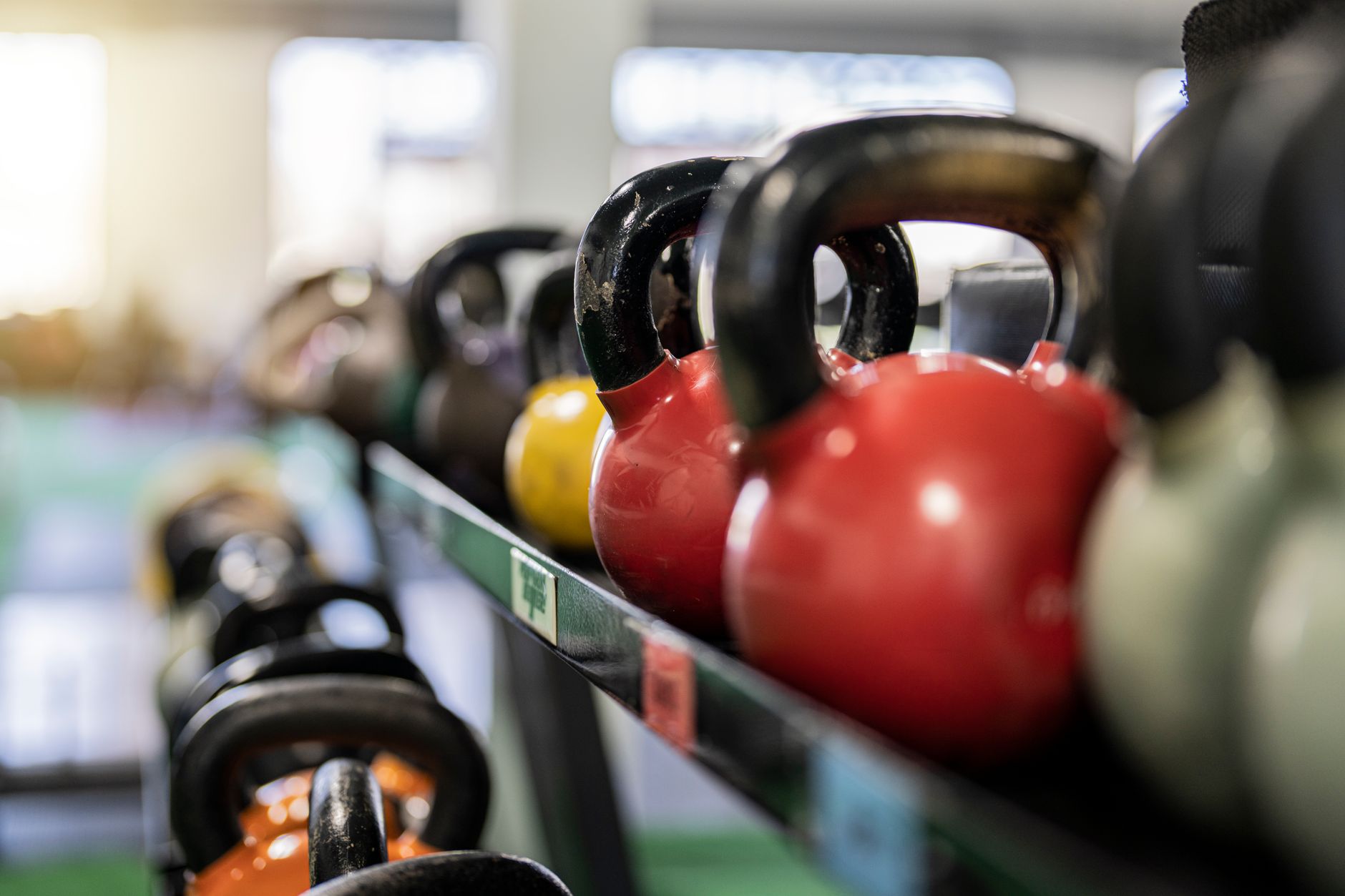
That quote settles the nervous-beginner end of the argument. Yes, 6kg or 8kg is a legitimate start. The more useful garage question is a bit different: if you only buy one bell, which one will keep earning its spot? Working from BRIXX’s 6kg to 12kg beginner range, we would go 8kg for someone genuinely new to resistance work, coming back from injury or buying for a shared household. Go 12kg if you already lift a bit, play sport, or want a bell that still has something to say once the first fortnight wears off.
That is why BRIXX Coloured Cast Iron Vinyl Kettlebells are easy to understand as a first buy. The range runs 6kg to 32kg, and the starting price is $36. You can test the habit without turning the garage into a finance event. Cheap is not always good, sure, but clear entry pricing matters when you are still working out whether this is a routine or just a healthy week.
Already into kettlebell training? Then the question changes. You are buying for the movements you will repeat, not the heaviest thing you can ugly-lift once. Swings and goblet squats want more load. Presses need more control. Carries tell the truth fast. A shared garage often ends up better with two sensible weights than one heroic lump.
Start smaller. Add later. Keep moving.
Cast iron or competition, and what actually matters
Most of us do not need to overthink the style. For general home use, cast iron is the sensible default: cheaper, easy to buy locally and well suited to the normal garage mix of swings, squats, presses, rows, carries and rushed sessions before dinner.
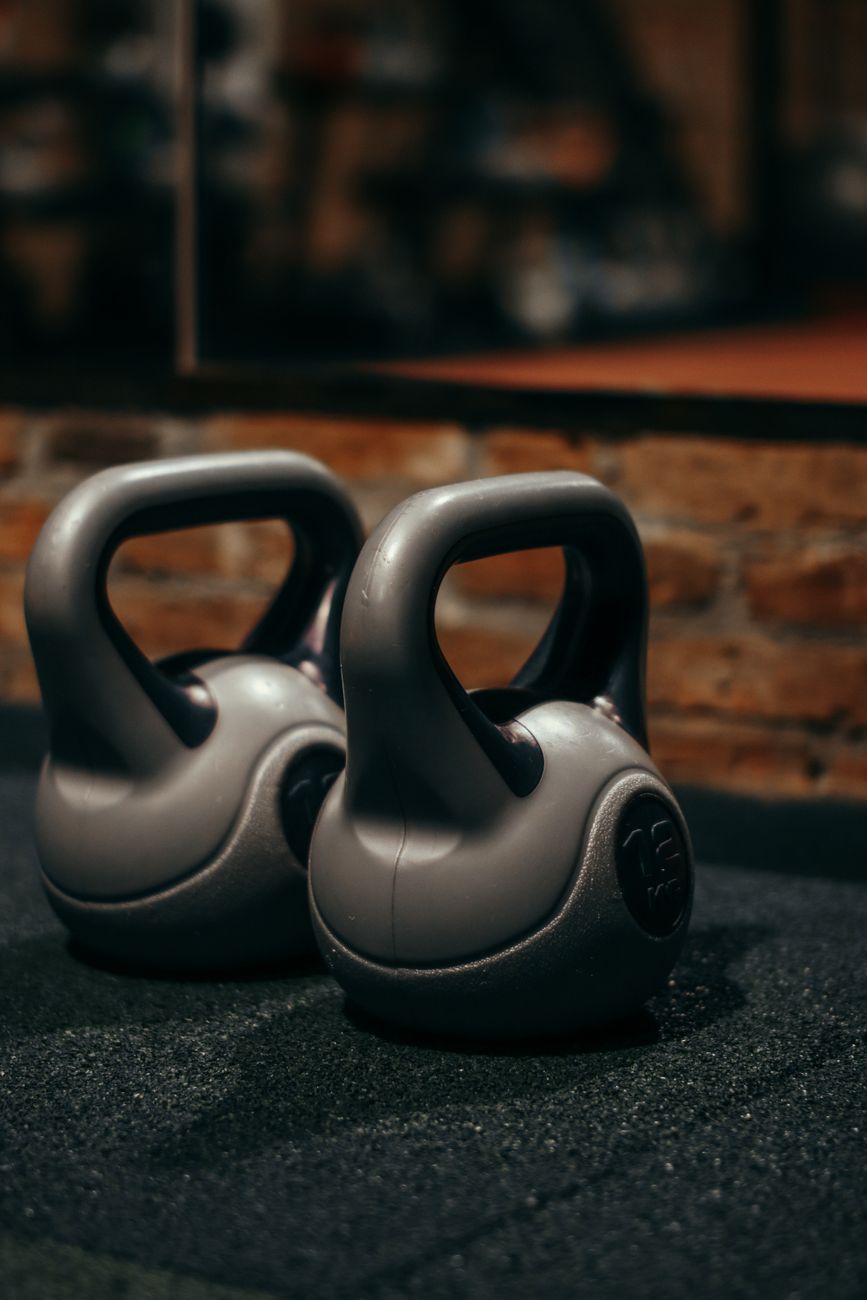
Competition bells have their place. Their shell size stays more consistent across weights, so technique can feel more predictable as you move up. That matters if you are training kettlebell sport or you know you want a whole system rather than one tool. VERVE’s 2026 guide treats cast iron and competition bells as valid choices, which is about right. Match the bell to the garage, not the other way around.
Our verdict: buy cast iron first, buy competition when you can explain why you need it. A normal garage gym needs durability, decent handle feel and price jumps that do not make every extra kilo feel like a mistake. The VERVE Classic Handle Kettlebell sits nicely in that better-finished, less-annoying part of the market. Not fancy. Just closer to buy-once, grumble-less.
Higher price does not automatically mean better bell. It helps only when the finish, handle geometry and consistency improve the thing in your hand. Garage Gym Reviews put REP Fitness at the top of its 2026 list, which is useful for understanding what a serious tester values in a premium bell. Treat it as a benchmark rather than a command, especially if freight and local availability make the maths ugly.
Owner chatter matters too. In the Australian Reddit thread, one commenter put it bluntly:
“100 Strong are the best bells in the country.”
— Reddit commenter, r/kettlebell Australia thread
One comment is not a buying guide. Still, it is useful texture. People remember bells that feel right in the hand and survive years of use. Nobody gets sentimental about marketing copy.
The garage setup that actually gets used
Here is the trap: thinking you need a setup before you need a habit. You do not. Start with a bell and a fixed home for it. Same patch of floor. Same bit of wall. Same spot you see when you open the garage. Friction kills usage. So does visual chaos.
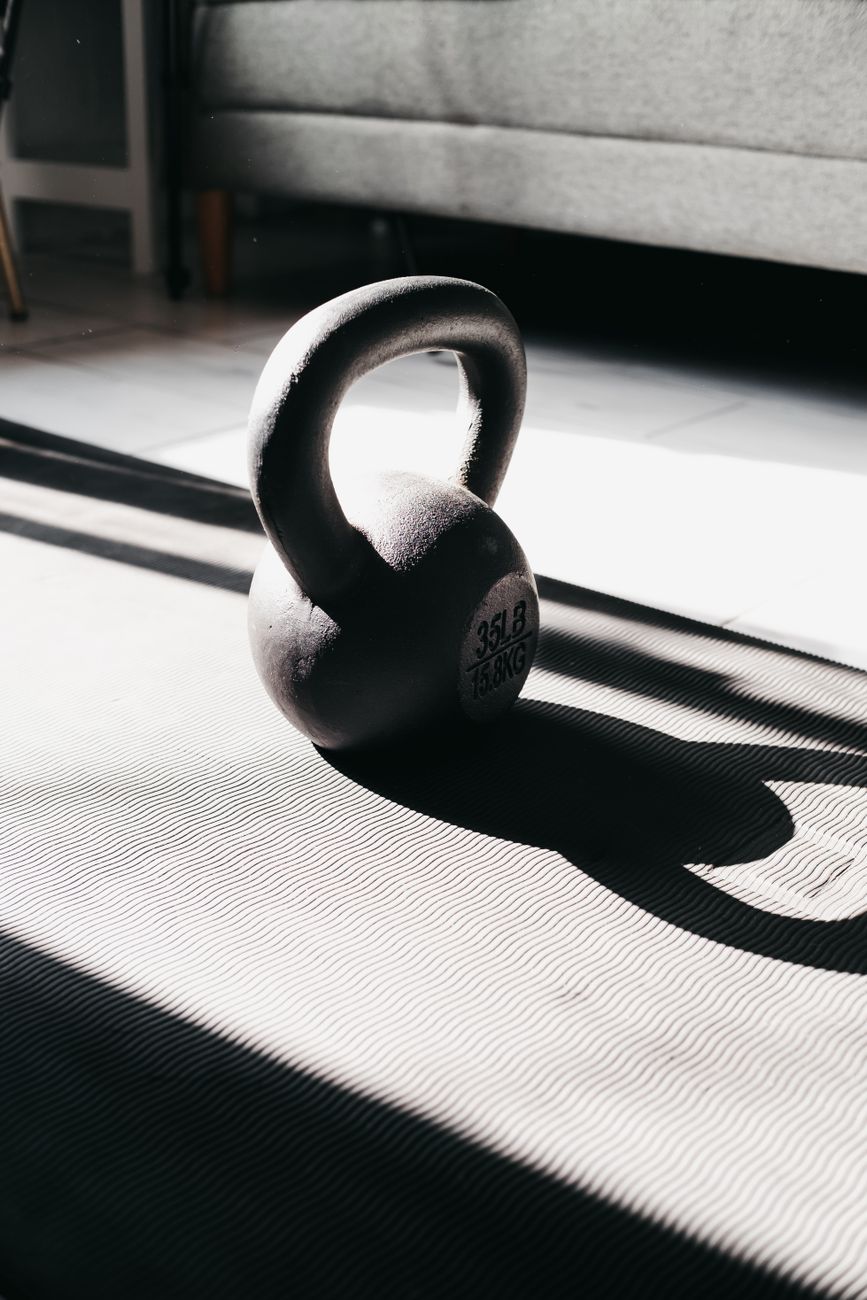
The best garage advice in this whole bundle is also the shortest. VERVE says it plainly.
“don’t store them outside.”
— VERVE Fitness
That will do. Outside is a hard no. Damp corners are not much better. If your garage sweats through winter, the bell needs a proper home, not a random spot beside the lawn gear. Keep it dry. Keep it out of weather. Keep it somewhere you will not clip it with the car or roll a mower into it. Boring detail, big difference.
Once you own more than one bell, storage becomes practical rather than cosmetic. A stand is not about pretending the garage is a commercial gym. It removes excuses and stops the floor becoming an obstacle course. BRIXX prices its kettlebell stand at $295, and the BRIXX 6kg - 32kg Kettlebell Set & Stand Package lands at $700. Not beginner money, but clean enough for a household that already knows the gear will get used.
Our buying order is boring for a reason. Bell first. Habit second. Second bell third. Stand after that. The setup that gets used grows only after the first piece earns its keep.
Our buying plan for three kinds of garage gym
Starting from scratch? Buy one BRIXX Coloured Cast Iron Vinyl Kettlebells in a weight you can honestly use. For true beginners, that is often 8kg. For slightly more seasoned starters, 12kg is the more useful long-term play. Cheap enough to start, with a wide enough range to stay in the same system if you add later.
Already know the garage gym will be part of your week? Step up to the VERVE Classic Handle Kettlebell. This is the buy-if recommendation for people who care about feel, not just entry price. We would make that move once training is regular, or once you have outgrown the cheapest-thing-that-works stage.
Household all-in? The BRIXX set-and-stand package is the convenience buy. It is wrong for somebody still negotiating with themselves about training. It is right for somebody past that stage who wants one purchase, one footprint and no mucking around.
Skip the premium overseas darling until the local equation makes sense. Garage Gym Reviews is valuable for quality signals, but less useful if it sends you chasing a bell that is harder to get, pricier to ship and no better for your actual training.
Our plain-English verdicts:
- Buy: one locally available cast-iron bell if you are starting a garage gym from scratch.
- Buy if: you know you like kettlebell training and want a better-finished bell that will live in the garage for years.
- Do not buy yet: a full set, a rack or a premium niche option if one bell has not proved the habit first.
Less exciting than a giant kit-out. Also much more likely to become a garage gym that gets used instead of one that gets photographed.
Common buying mistakes
The big one is buying for the fantasy version of yourself. We all know him. Six mornings a week, loves complexity, definitely needed a whole rack before he needed a routine. Expensive bloke.
Another mistake is buying too light because lighter feels safer at checkout. Safe matters. So does usefulness. If you only buy one bell, it has to last beyond week one. Too light is still wrong, just quieter.
Storage can fool you too. A tidy rack looks committed. A full set looks serious. Neither counts as training. One bell in the right place, used three times a week, beats a lovely setup that becomes garage furniture.
Conditions are easy to ignore until the bell starts looking sad. Moisture, dust, weather, random garage chaos. Keep the bell dry, keep it out of the weather and give it a proper home. That is how cheap gear lasts longer and good gear stays good.
Last one: buying without a use case. One bell for swings and goblet squats is a plan. One bell for general fitness is workable. “Home gym stuff” is not a plan. The more specific you are, the less rubbish you buy.
FAQ
What is the best kettlebell for a garage gym in Australia?
For most people, it is a locally available cast-iron bell that fits your current strength and budget. The easy entry option is BRIXX Coloured Cast Iron Vinyl Kettlebells. The step-up option is VERVE Classic Handle Kettlebell.
What weight kettlebell should a beginner buy first?
BRIXX says beginners can start at 6kg or 8kg, which is a sensible low-end guide. If you only want one bell and you have some training background, 12kg is often the better long-stay buy. Brand new, cautious or sharing with someone smaller? Start at 8kg and add a heavier one later.
Are competition kettlebells better than cast iron?
Not for everyone. Competition bells make more sense when you want consistency across multiple weights or you are training kettlebell-specific technique seriously. For a normal garage gym, cast iron is usually the better-value first buy.
Do kettlebells rust in a garage?
They can if you treat the garage like outdoors with a roof. VERVE’s advice is simple: do not store them outside. In practice, keep them dry, away from weather exposure and out of damp corners where forgotten gear goes to die.
Should I buy a kettlebell set or just one bell?
Start with one bell unless you already know the habit is there. A single good bell answers the real question first: will you use it? Once the answer is yes, a second bell or a full set makes sense. The full BRIXX set-and-stand package is neat, but it is better as a second-stage buy than a first move.
The DudeWorld brief
BBQ, tools, camping and footy — the good stuff, weekly in your inbox.
Subscribe